 Pet-friendlier
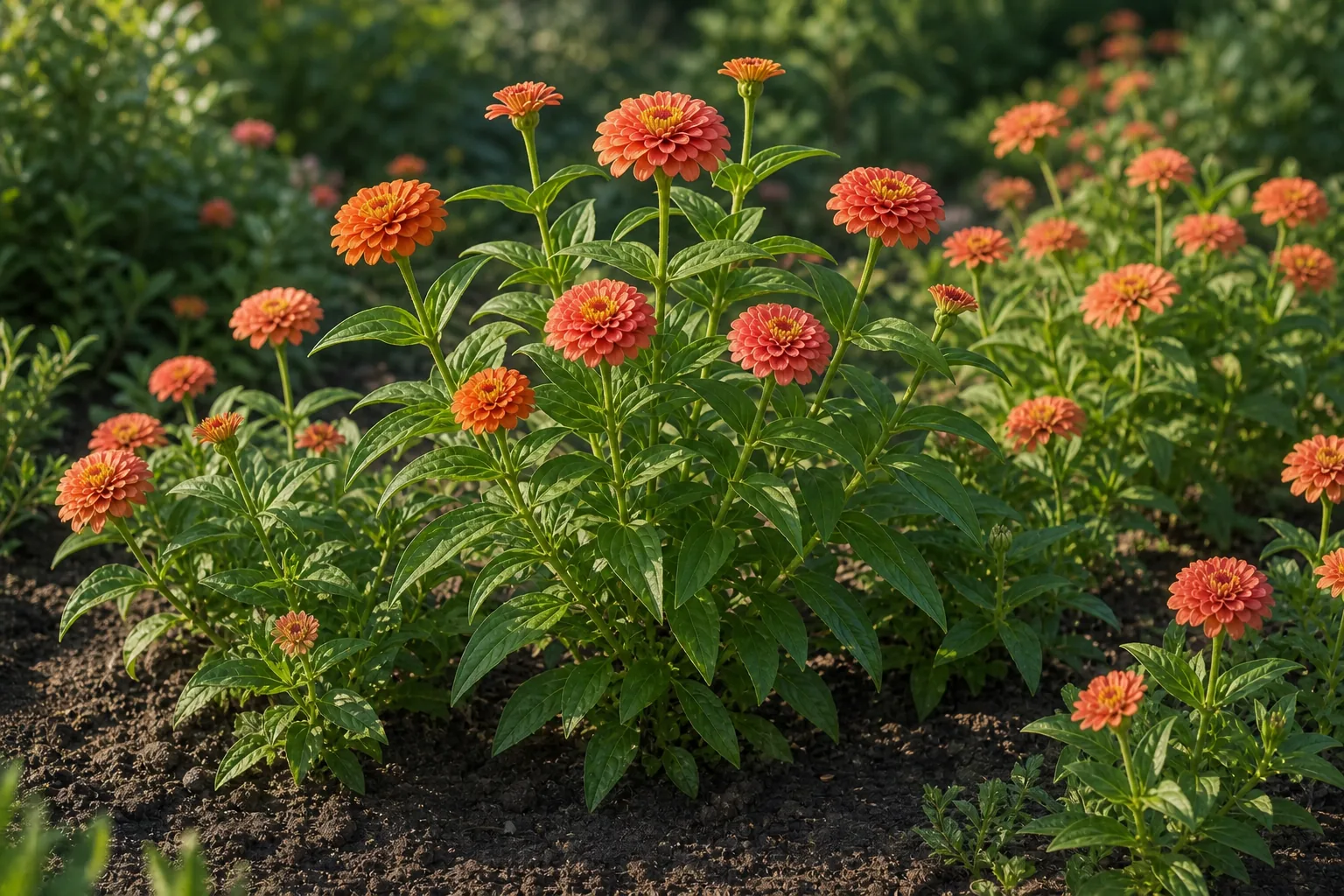
Zinnia
Zinnia elegans
A sun-loving annual that carries bright daisy-like flower heads from summer into frost.
Successful containers balance root volume, drainage, mature plant size, and a realistic summer watering routine.
This collection is the permanent home for practical container gardening profiles, planning guides, seasonal care, and problem-solving content.
Container success is mostly root-zone physics. Every pot needs a drainage hole, a quality potting mix rather than garden soil, and enough volume for the plant's roots—too small dries out daily, too large stays wet. Group pots by water need so that daily checks stay quick and consistent.
Containers ask more, more often. Water evaporates from the pot walls as well as the surface, nutrients wash out with each thorough watering, and roots circle sooner than in the ground. Plan on daily summer checks for sun-exposed pots, a light regular feed in the growing season, and repotting or root-pruning every year or two for long-term plants.
27 plants
Pet-friendlierZinnia elegans
A sun-loving annual that carries bright daisy-like flower heads from summer into frost.
 beginner
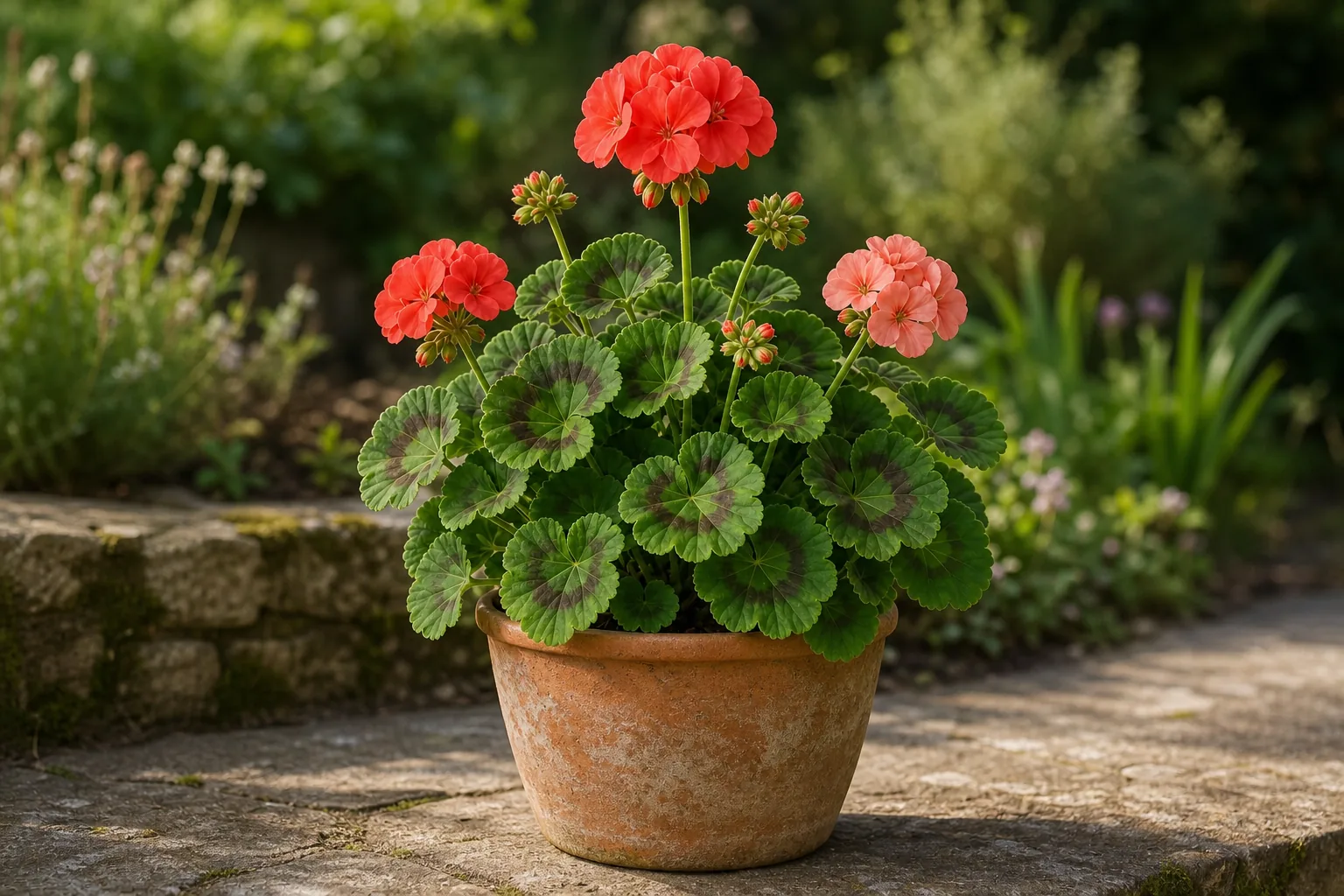
Pelargonium × hybridum
A compact tender pelargonium with rounded zoned leaves and repeat clusters of bright flowers.
 intermediate
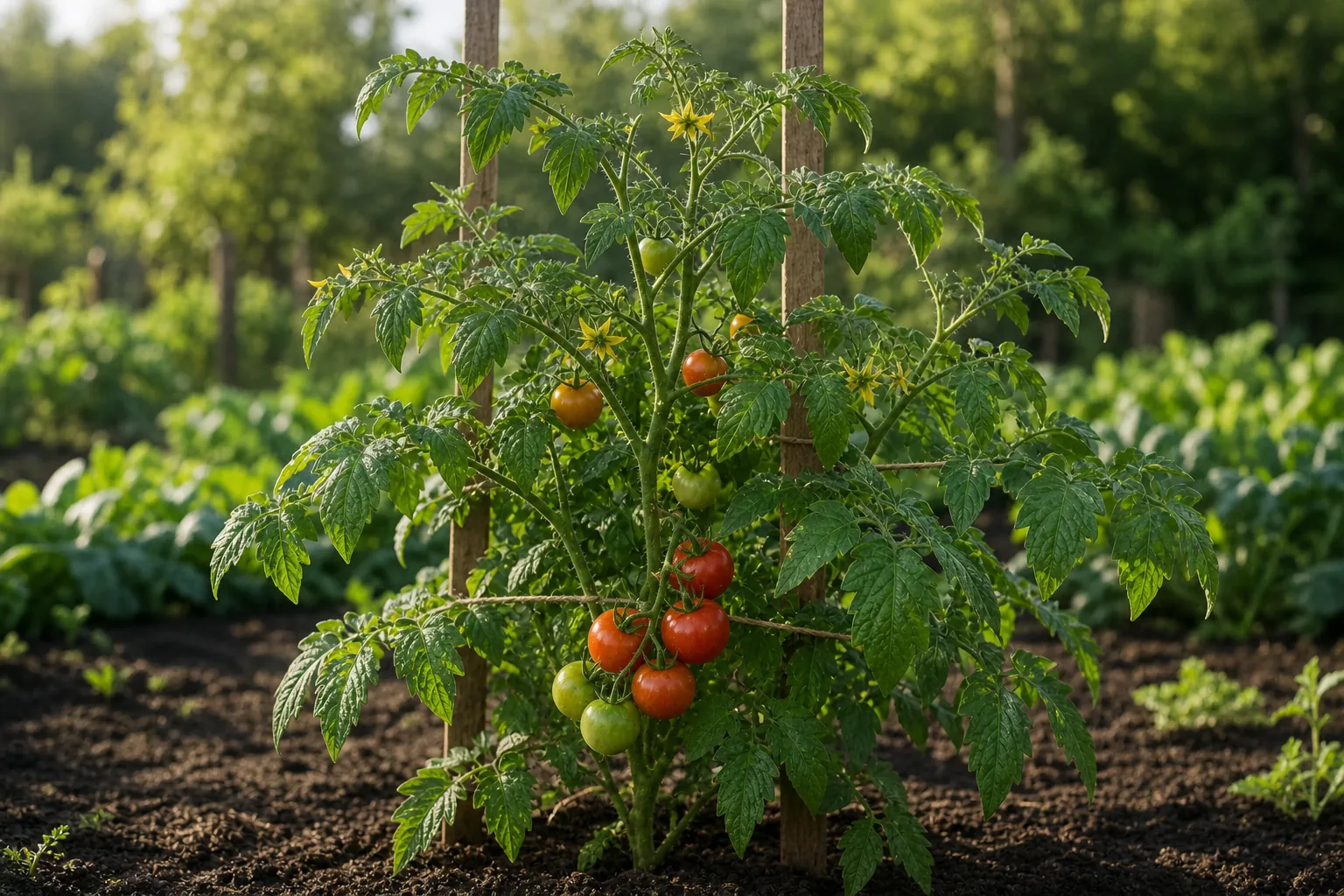
Solanum lycopersicum
A frost-tender edible crop whose yellow flowers develop into fruit on bush or vining plants.
 Pet-friendlier
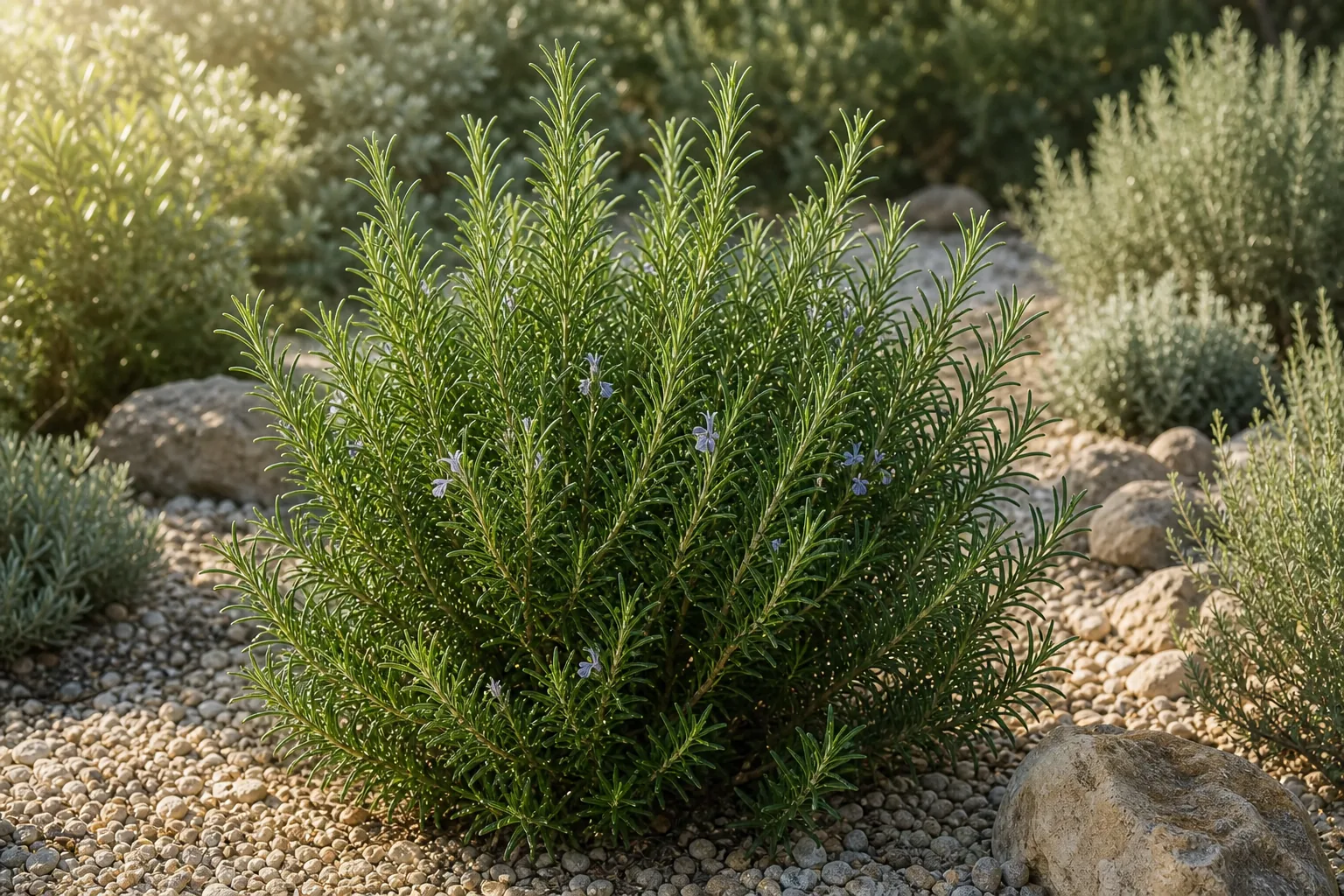
Salvia rosmarinus
An aromatic Mediterranean shrub with narrow evergreen leaves used fresh or dried in cooking.
 intermediate
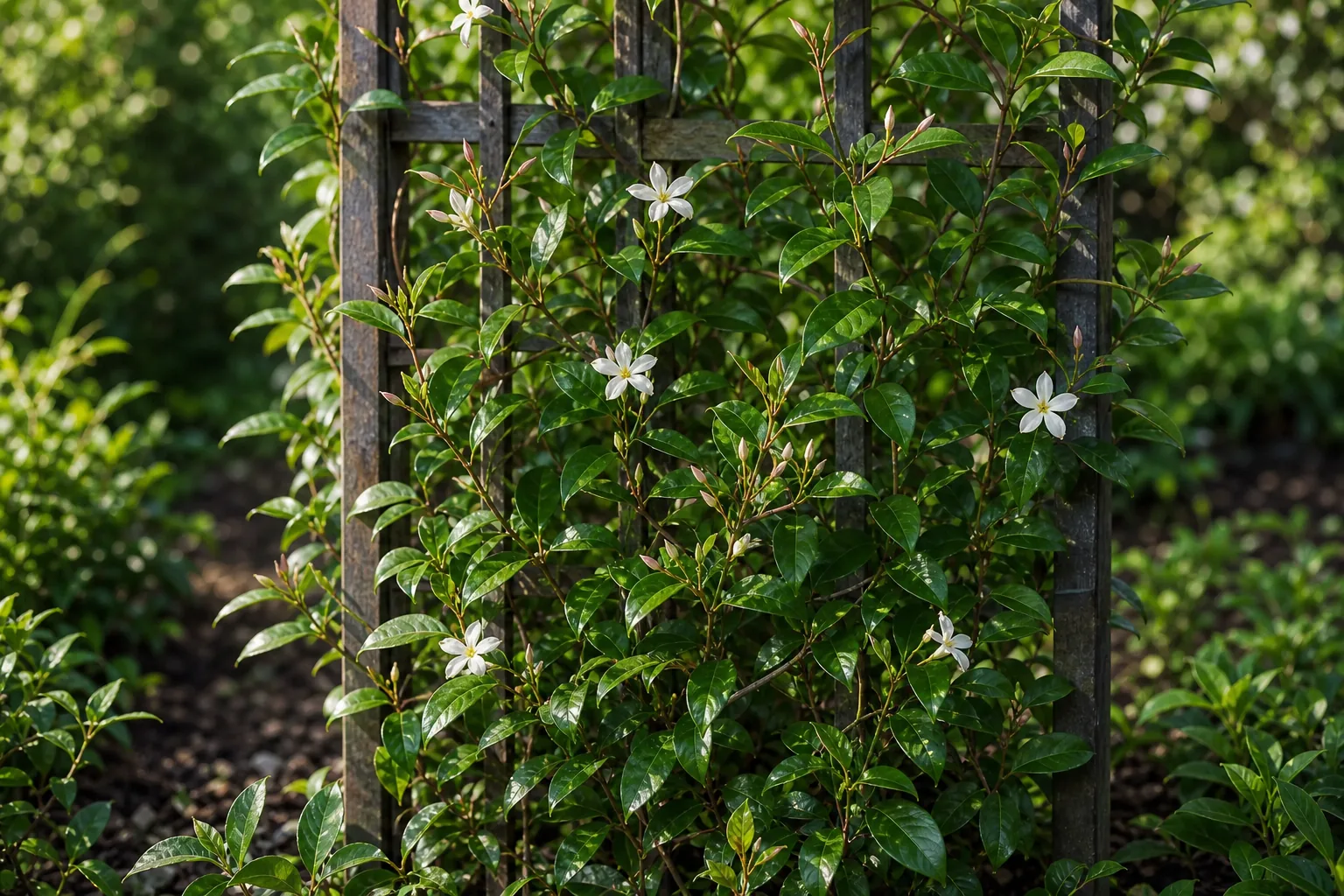
Trachelospermum jasminoides
A woody evergreen climber with glossy leaves and clusters of intensely fragrant white pinwheel flowers.
 intermediate
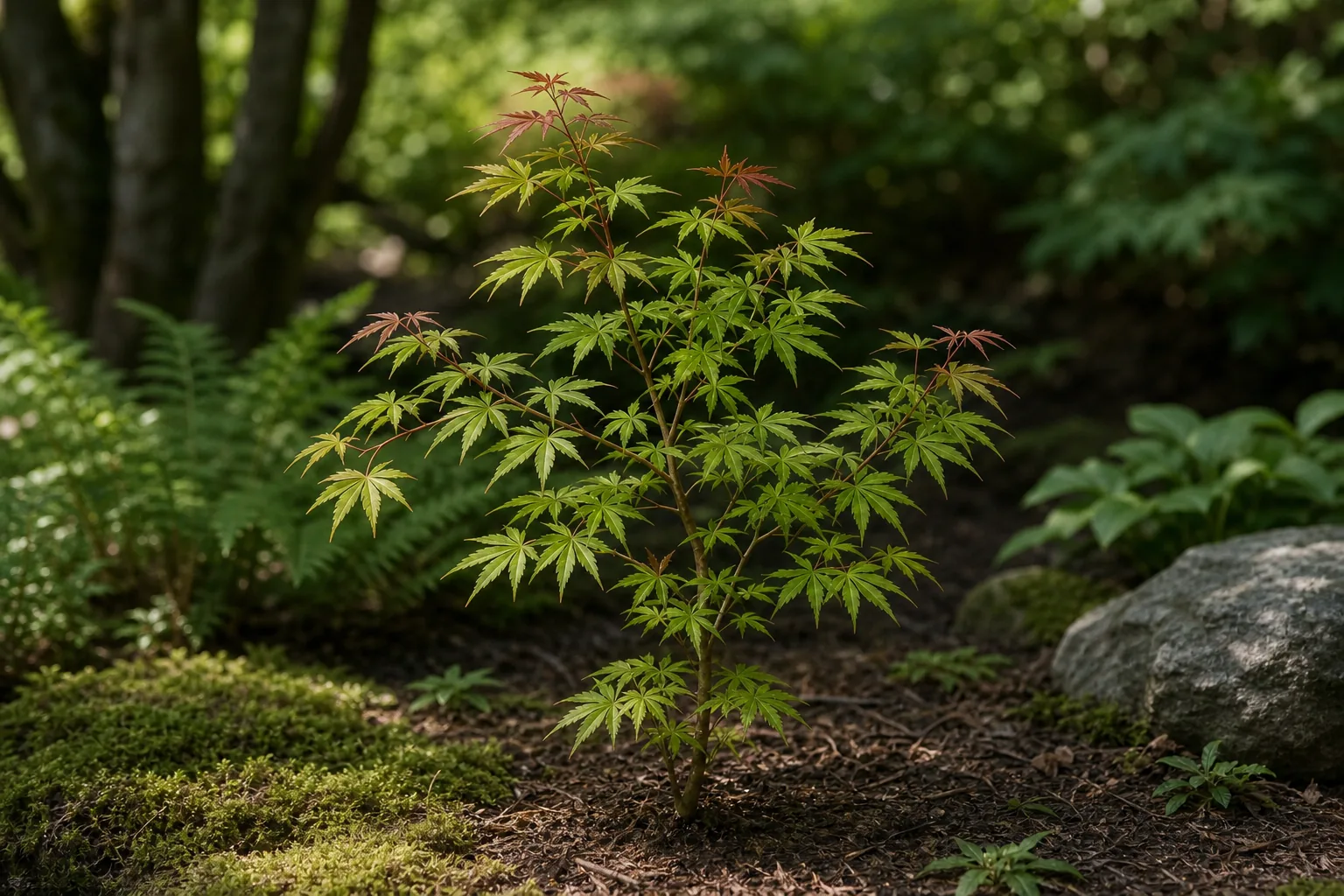
Acer palmatum
A slow-growing small tree prized for layered branching, palmate leaves, and autumn color.
 beginner
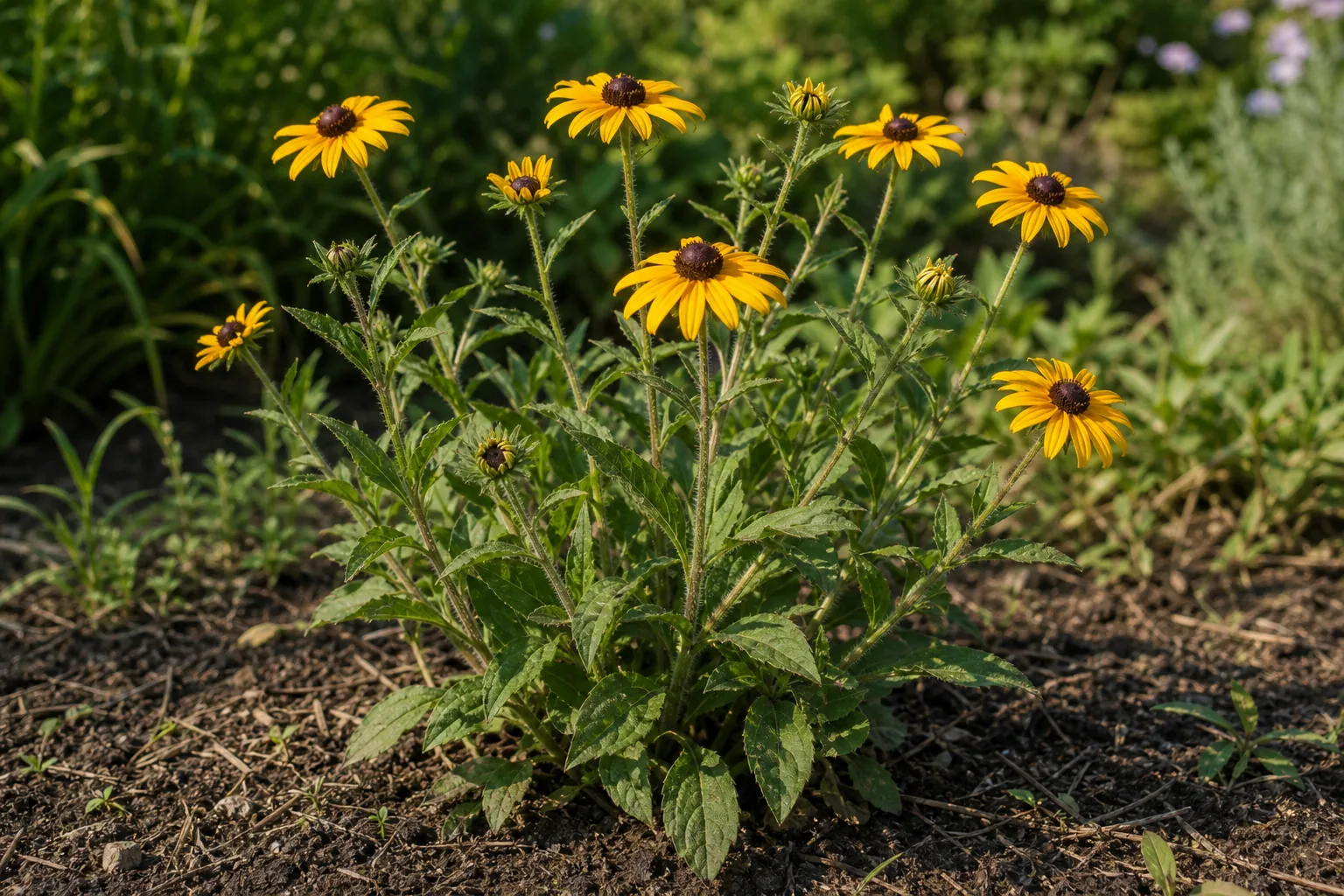
Rudbeckia hirta
A familiar North American wildflower with golden rays around a dark domed center, often grown as an annual or short-lived perennial.
 intermediate
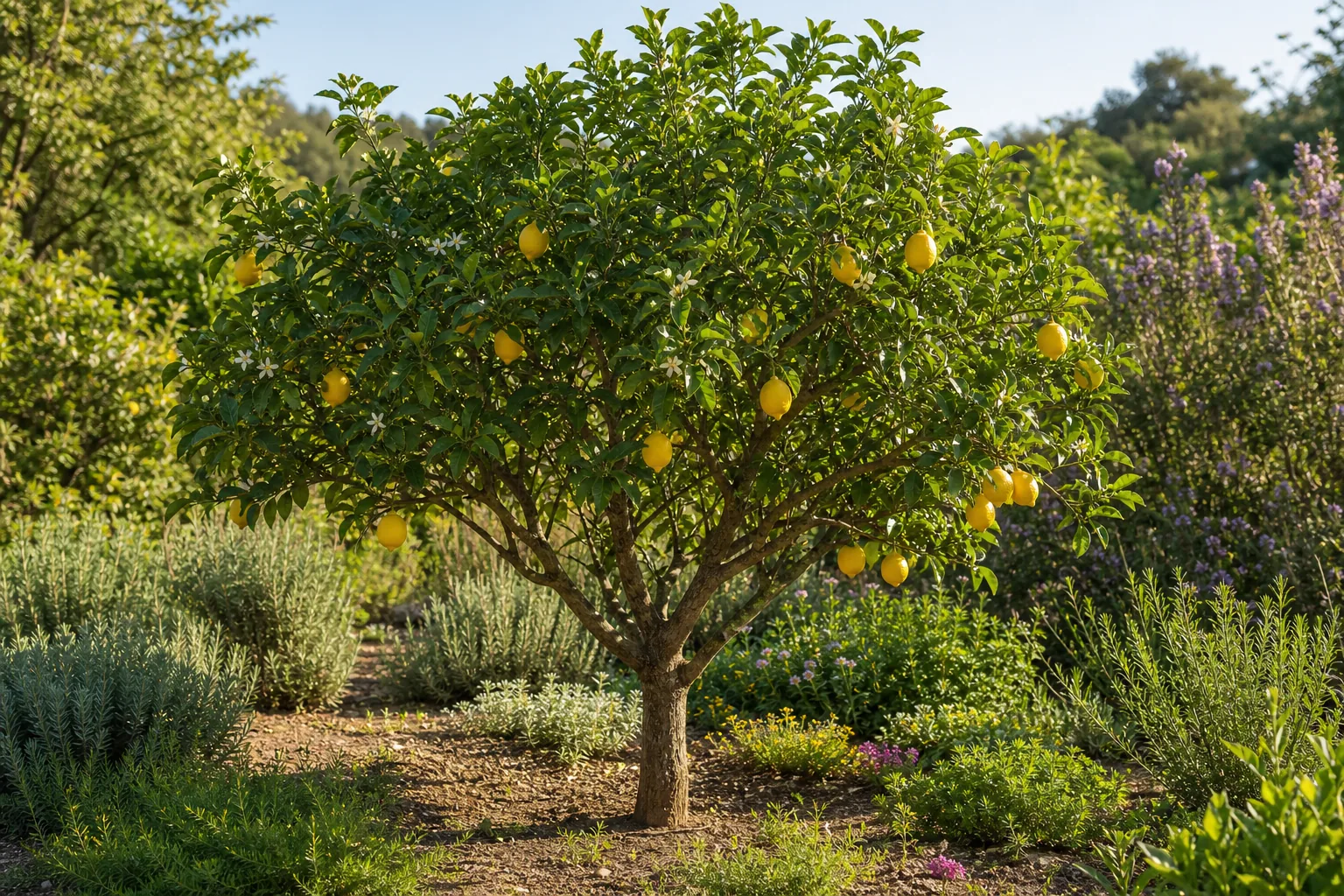
Citrus × limon
Lemon (Citrus × limon) is a frost-tender, broadleaf evergreen citrus tree of the rue family (Rutaceae), a cultivated hybrid of Asian origin (C. maxima × C. medica × C. reticulata), prized for fragrant white flowers, glossy aromatic foliage, and tart yellow fruit, and commonly grown in a large patio container that can be moved indoors for winter in cool climates.
 Pet-friendlier
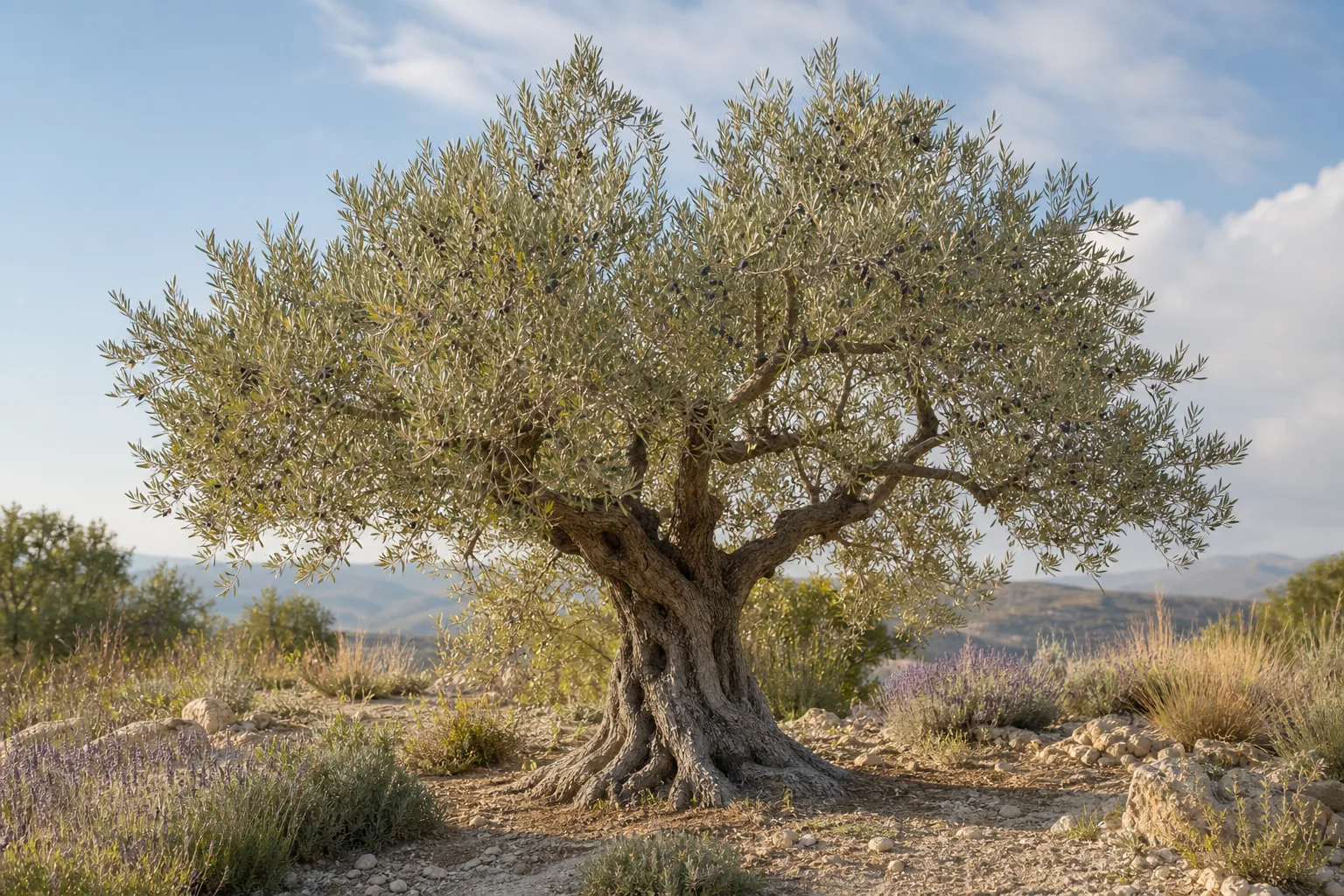
Olea europaea
Olive (Olea europaea) is a slow-growing, broadleaf evergreen tree or shrub of the olive family (Oleaceae), native from the Mediterranean and Africa to central and southwestern China, grown for its gnarled trunk and silvery foliage as an ornamental, for fruit and oil in Mediterranean climates, and as a large patio container plant elsewhere.
 intermediate
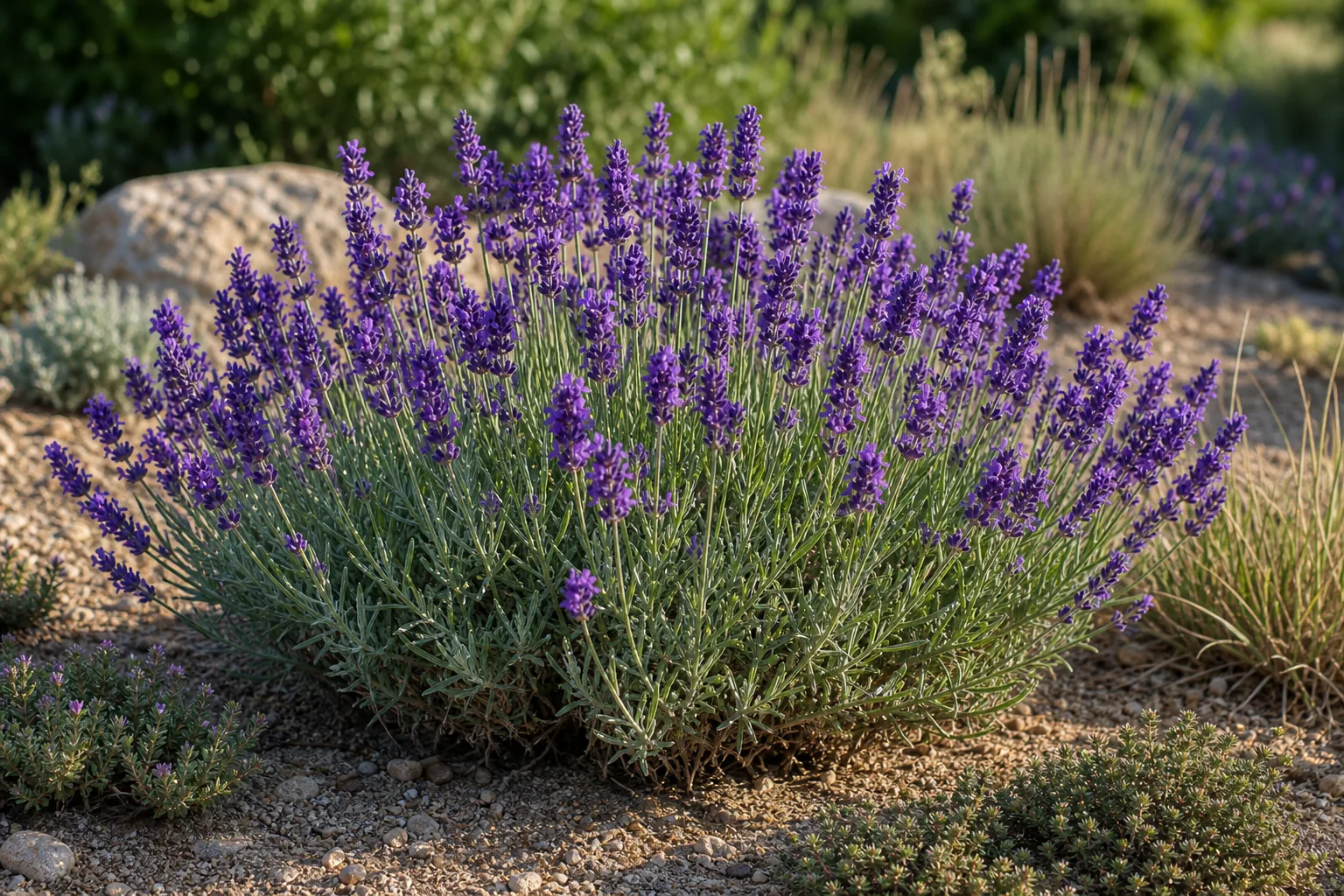
Lavandula angustifolia
English lavender (Lavandula angustifolia) is an evergreen, woody subshrub prized for fragrant grey-green foliage and spikes of purple flowers. Native to southwestern Europe, it is grown worldwide as a drought-tolerant ornamental, culinary herb, and source of lavender oil.
 Pet-friendlier
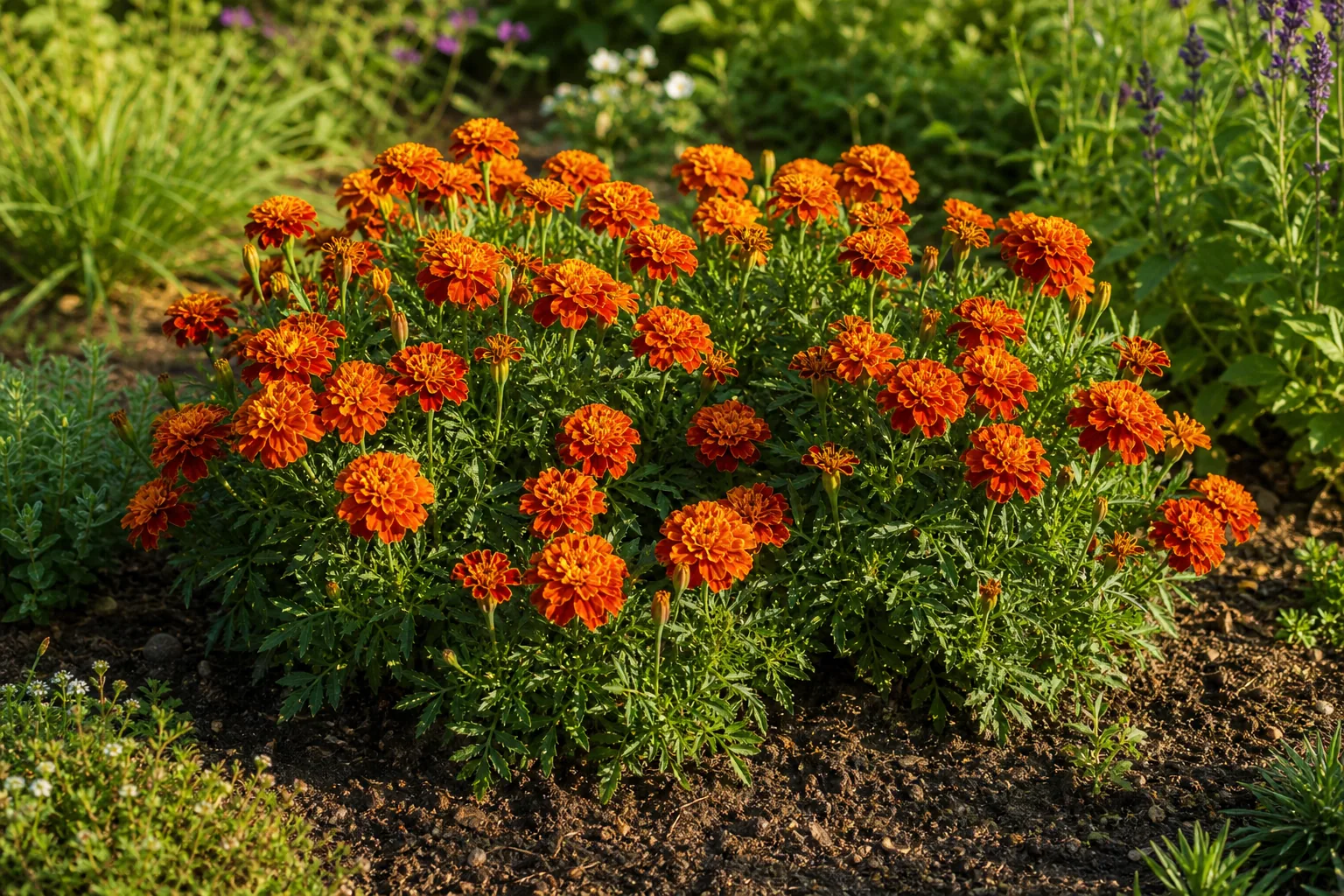
Tagetes patula
French marigold (Tagetes patula) is a compact, bushy warm-season annual grown for fragrant, single to fully double flowers in yellow, orange, red, and bicolor. Native to Mexico and Guatemala, it is a long-blooming bedding, edging, and container plant whose foliage is valued for deterring some garden pests.
 Pet-friendlier
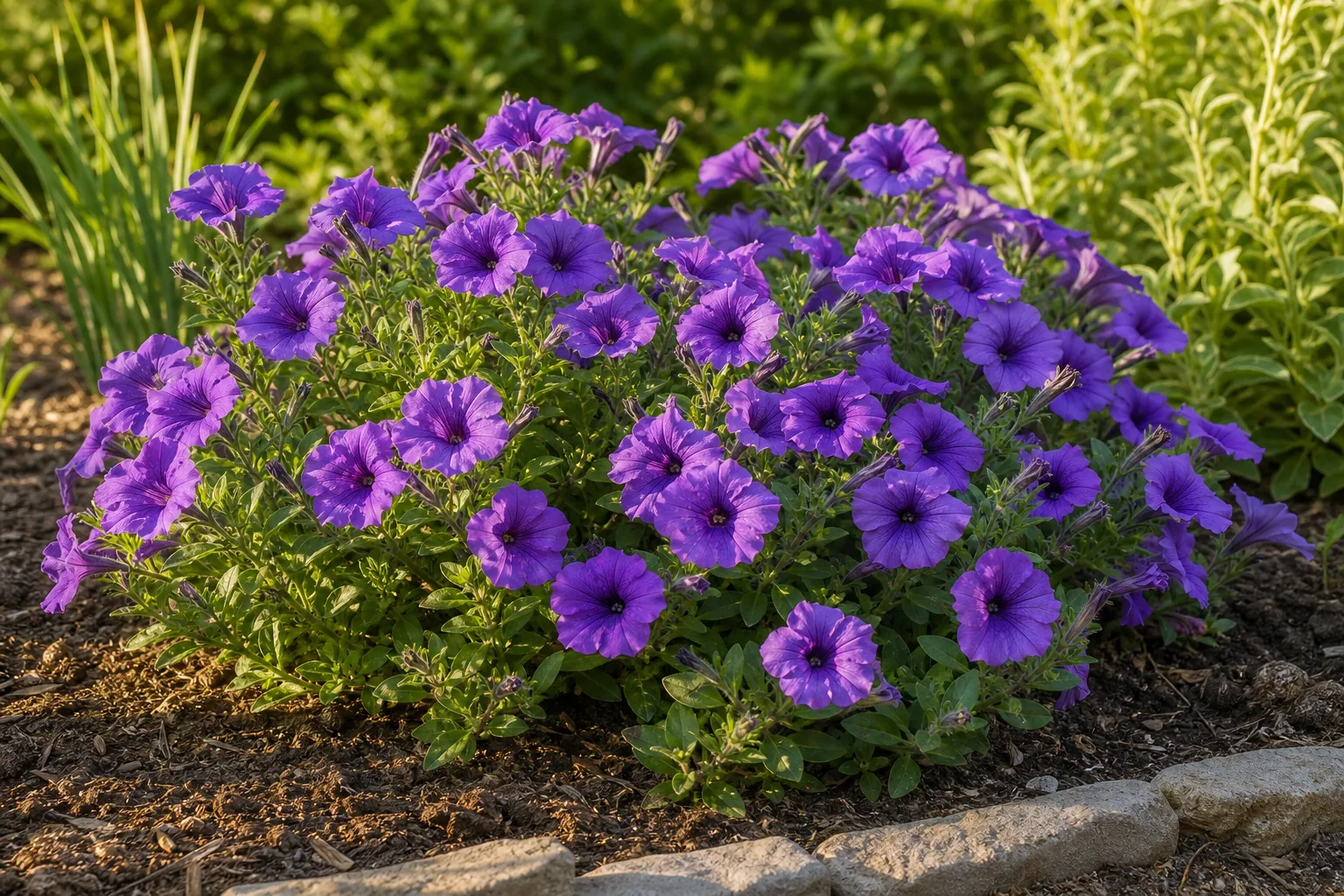
Petunia × atkinsiana
Petunia (Petunia × atkinsiana, widely sold as Petunia × hybrida) is a tender warm-season annual grown for a long season of funnel-shaped, often fragrant flowers in nearly every color. A complex garden hybrid descended from South American species, it is a mainstay of beds, borders, window boxes, and hanging baskets from late spring to frost.
 Pet-friendlier
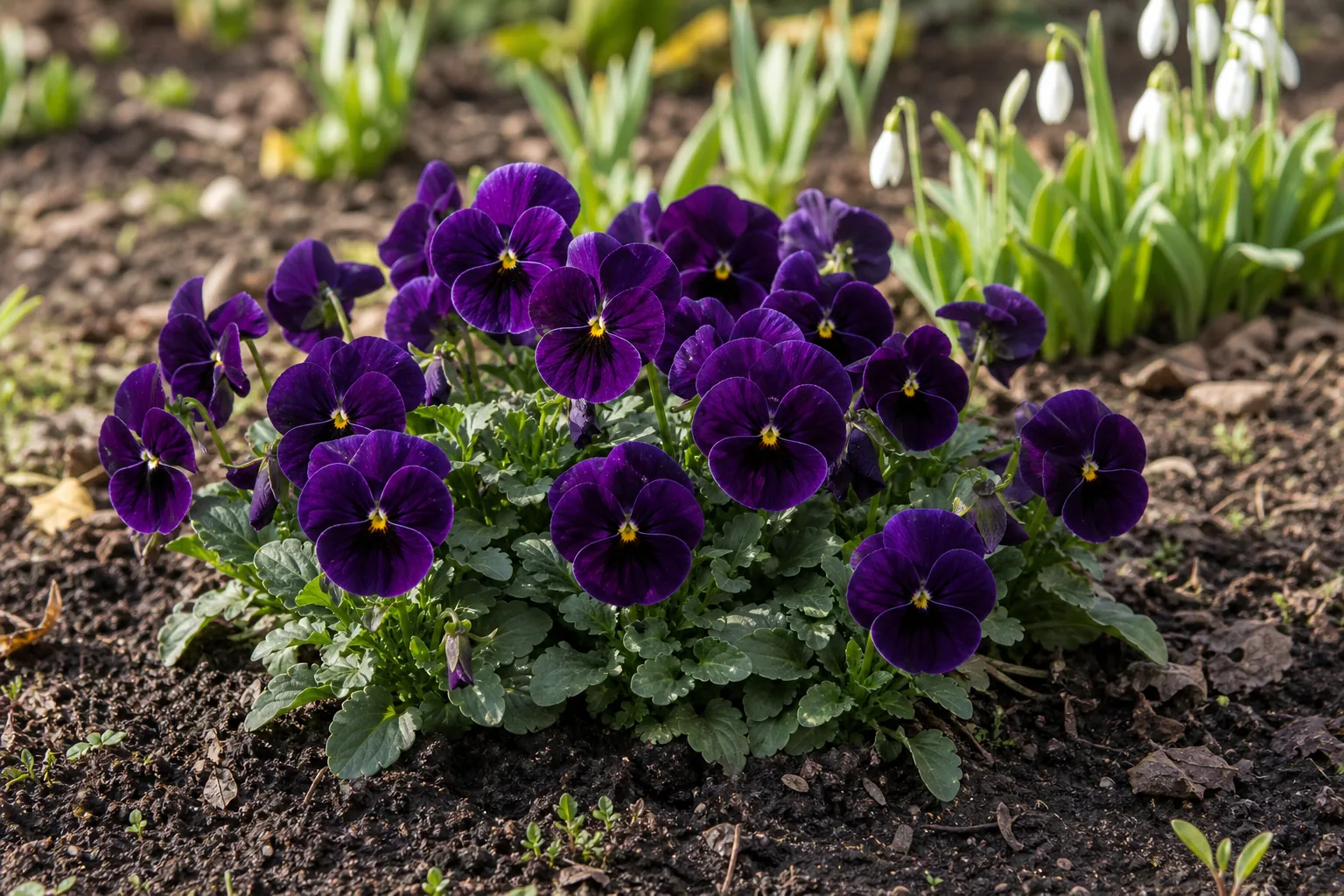
Viola × wittrockiana
Garden pansy (Viola × wittrockiana) is a cool-season bedding plant grown for large, flat, often 'face-marked' flowers in a wide range of colors. A hybrid derived from European violets, it is planted in autumn or early spring for spring and autumn bloom in beds, edging, and containers, and fades in summer heat.
 Pet-friendlier
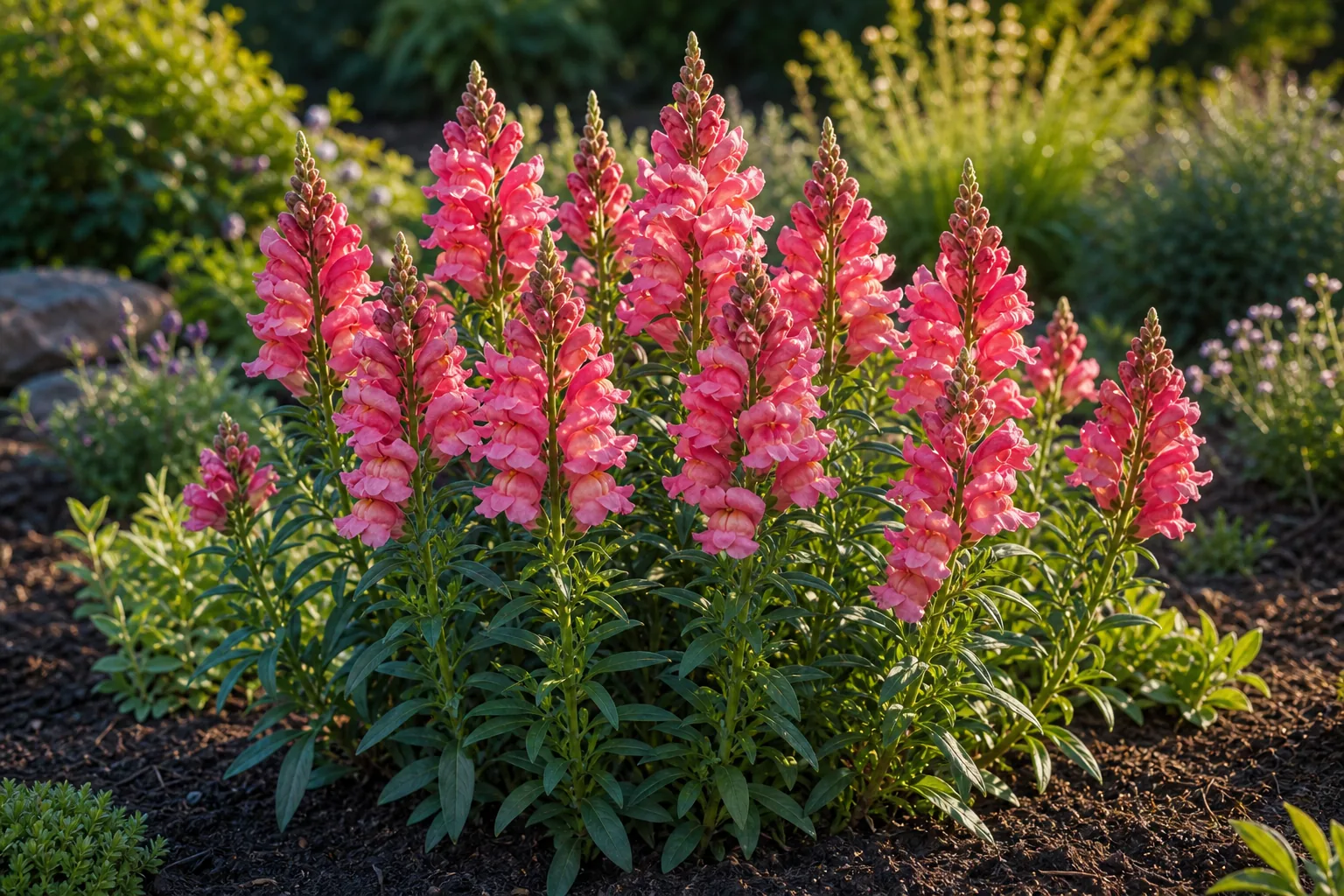
Antirrhinum majus
Snapdragon (Antirrhinum majus) is an upright cool-season annual or short-lived perennial grown for spikes of snap-mouthed flowers in many colours. Native to the western Mediterranean, it blooms in spring and autumn and is a favorite for beds and cutting.
 Pet-friendlier
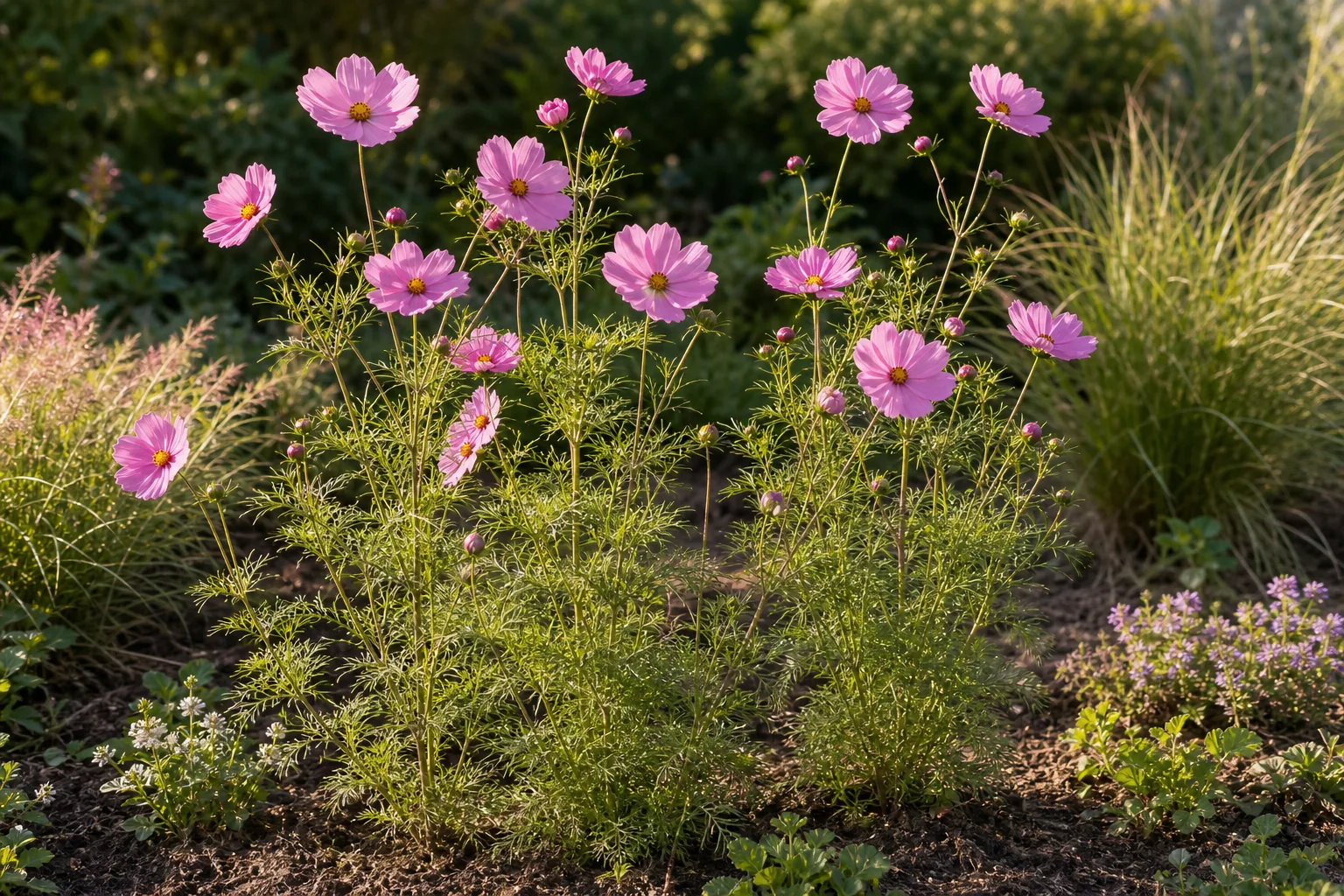
Cosmos bipinnatus
Garden cosmos (Cosmos bipinnatus) is an airy warm-season annual grown for daisy-like flowers on fine, ferny foliage. Native to Mexico, it blooms from summer to frost and is a mainstay of cottage gardens and pollinator plantings.
 intermediate
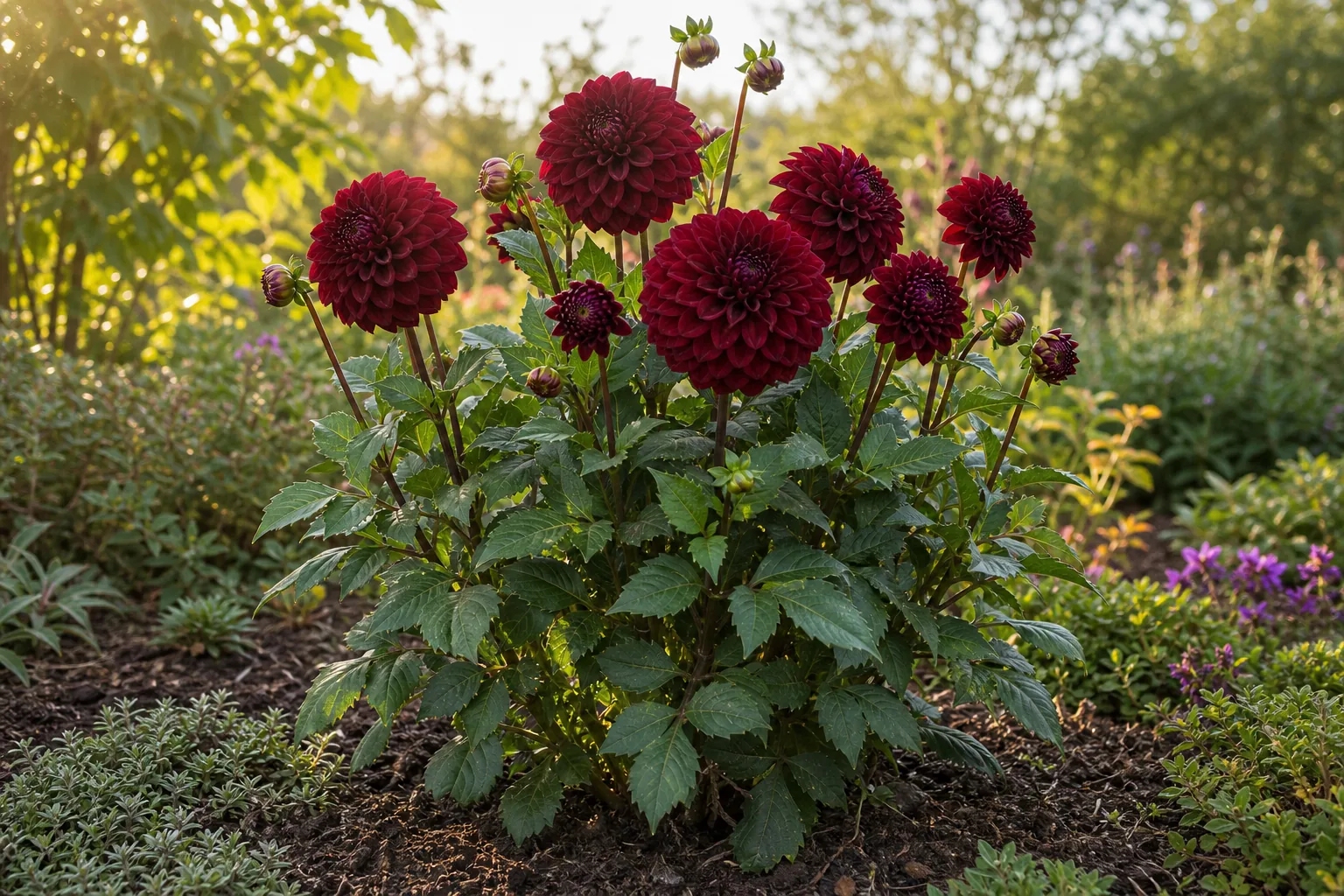
Dahlia pinnata
Garden dahlia (Dahlia pinnata) is a tuberous perennial grown for showy, many-form flowers from midsummer to frost. Native to Mexico, it is the parent species of most modern dahlia hybrids and is prized for cutting and borders.
 Pet-friendlier
Vaccinium corymbosum
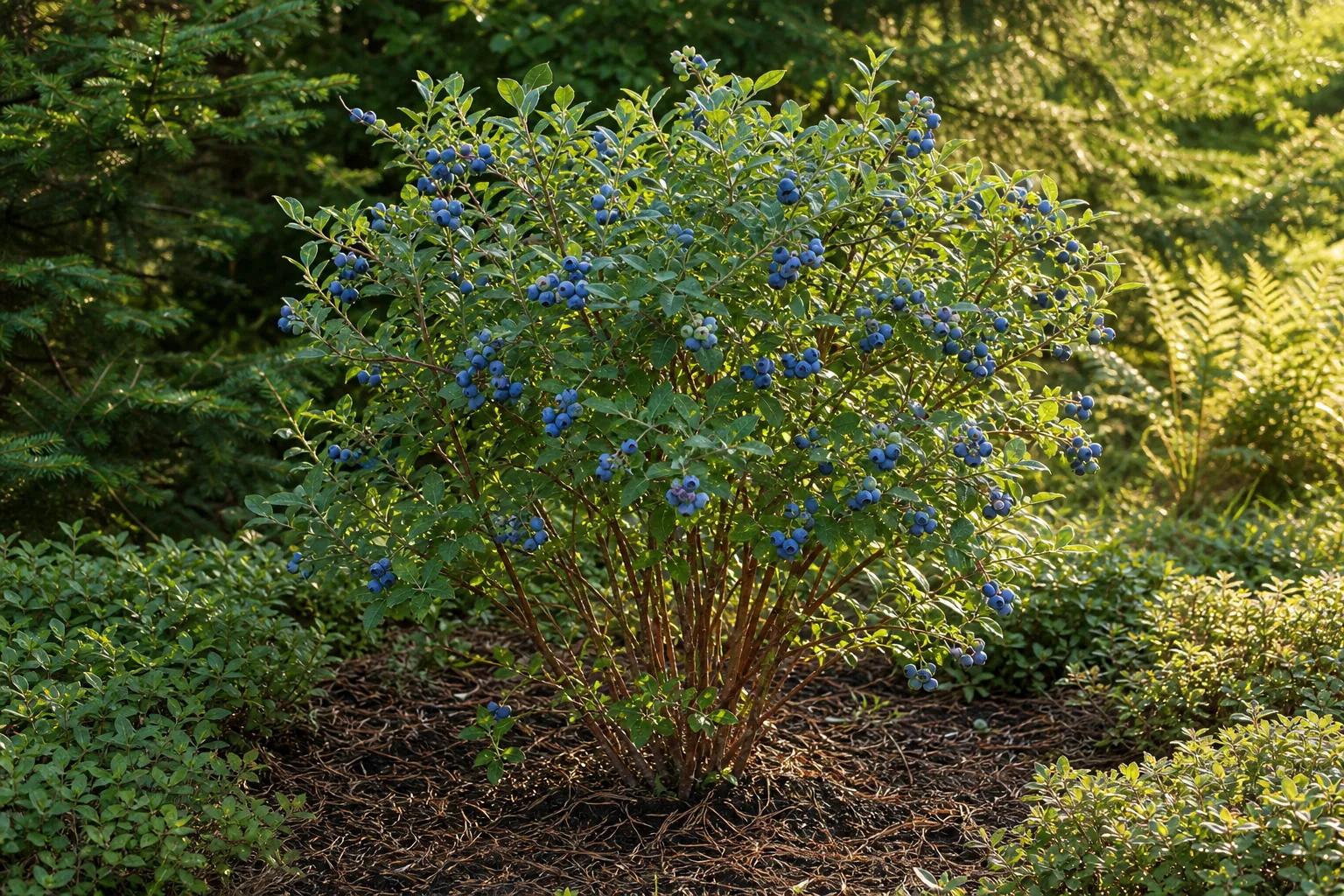
Highbush blueberry (Vaccinium corymbosum) is a deciduous, multi-stemmed shrub grown for sweet blue berries and brilliant red-orange fall foliage. Native to eastern North America, it is a top edible landscape plant for full sun and acidic soil.
 Pet-friendlier
Lactuca sativa
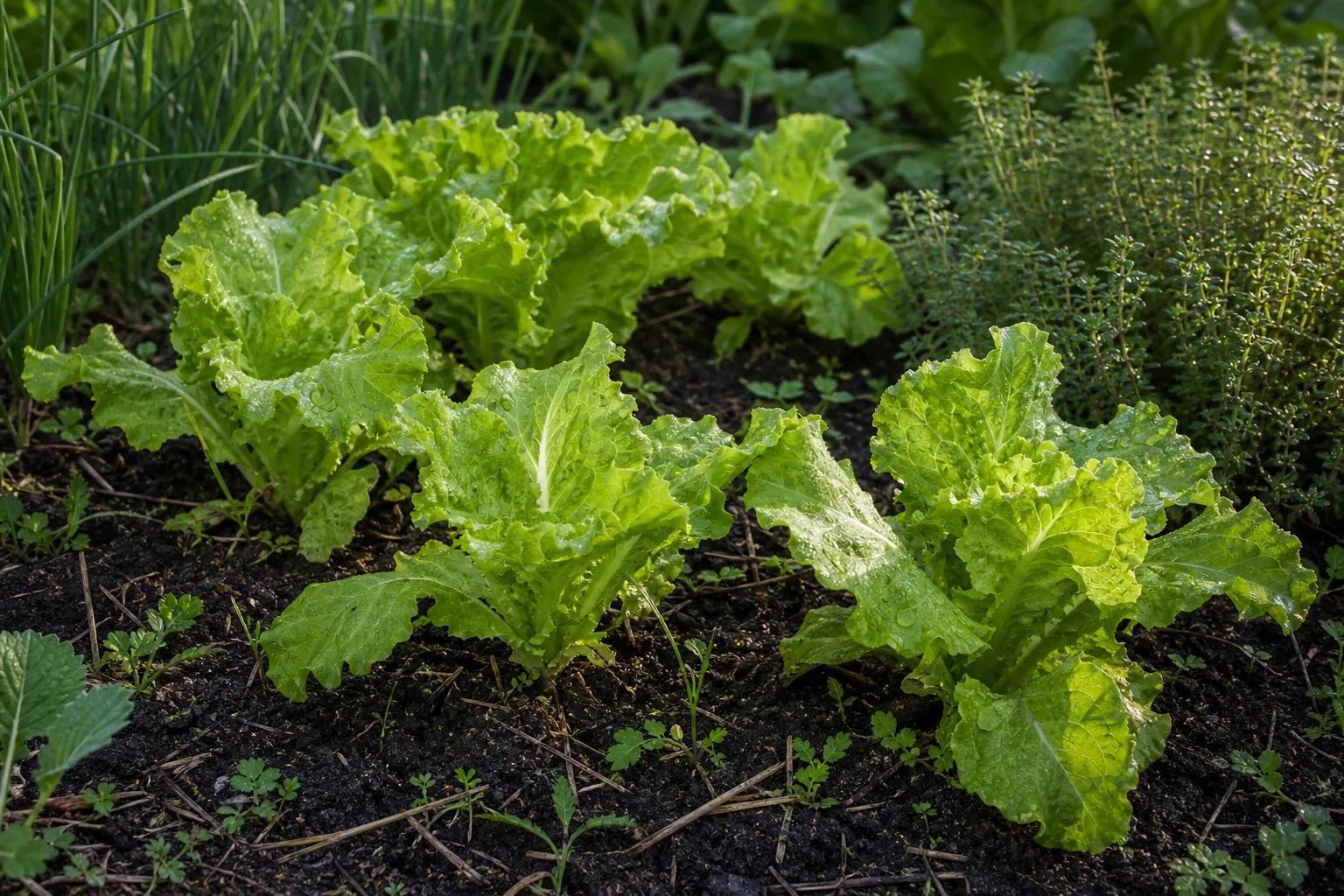
Leaf lettuce (Lactuca sativa) is a fast-growing, cool-season annual in the aster family grown for its tender, harvest-ready outer leaves rather than a single head. A domesticated form of the wild prickly lettuce, it is the easiest salad green to grow in beds, containers, and even window boxes, and it can be cut repeatedly for weeks when picked from the outside in.
 Pet-friendlier
Cucumis sativus
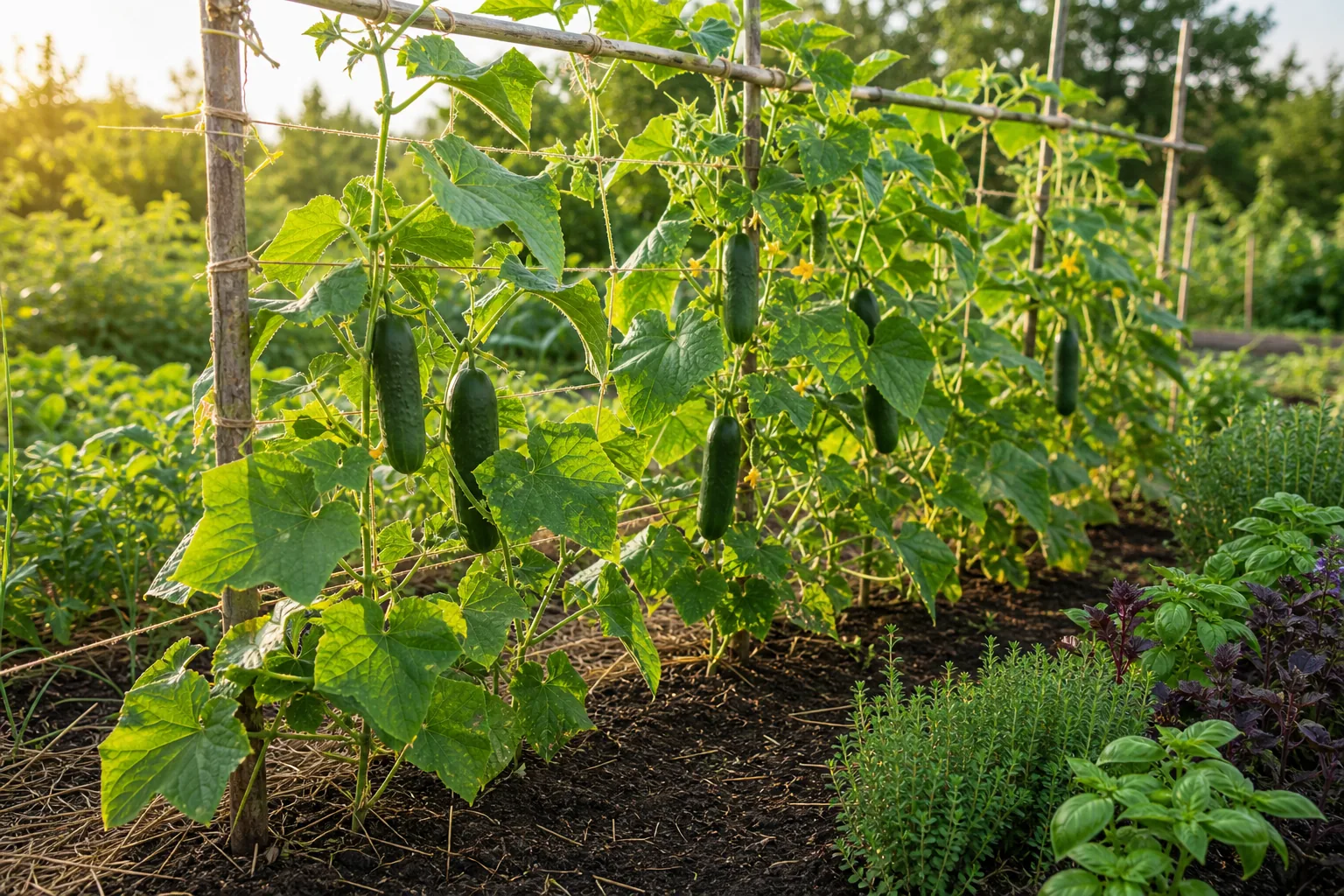
Cucumber (Cucumis sativus) is a tender, warm-season annual vine in the gourd family grown for its crisp, watery fruit. Native to South Asia, it is grown either as compact bush types for containers or as long-vining types that need trellising, and it is one of the most productive warm-weather crops for salads and pickling when given heat, sun, and consistent moisture.
 Pet-friendlier
Cucurbita pepo
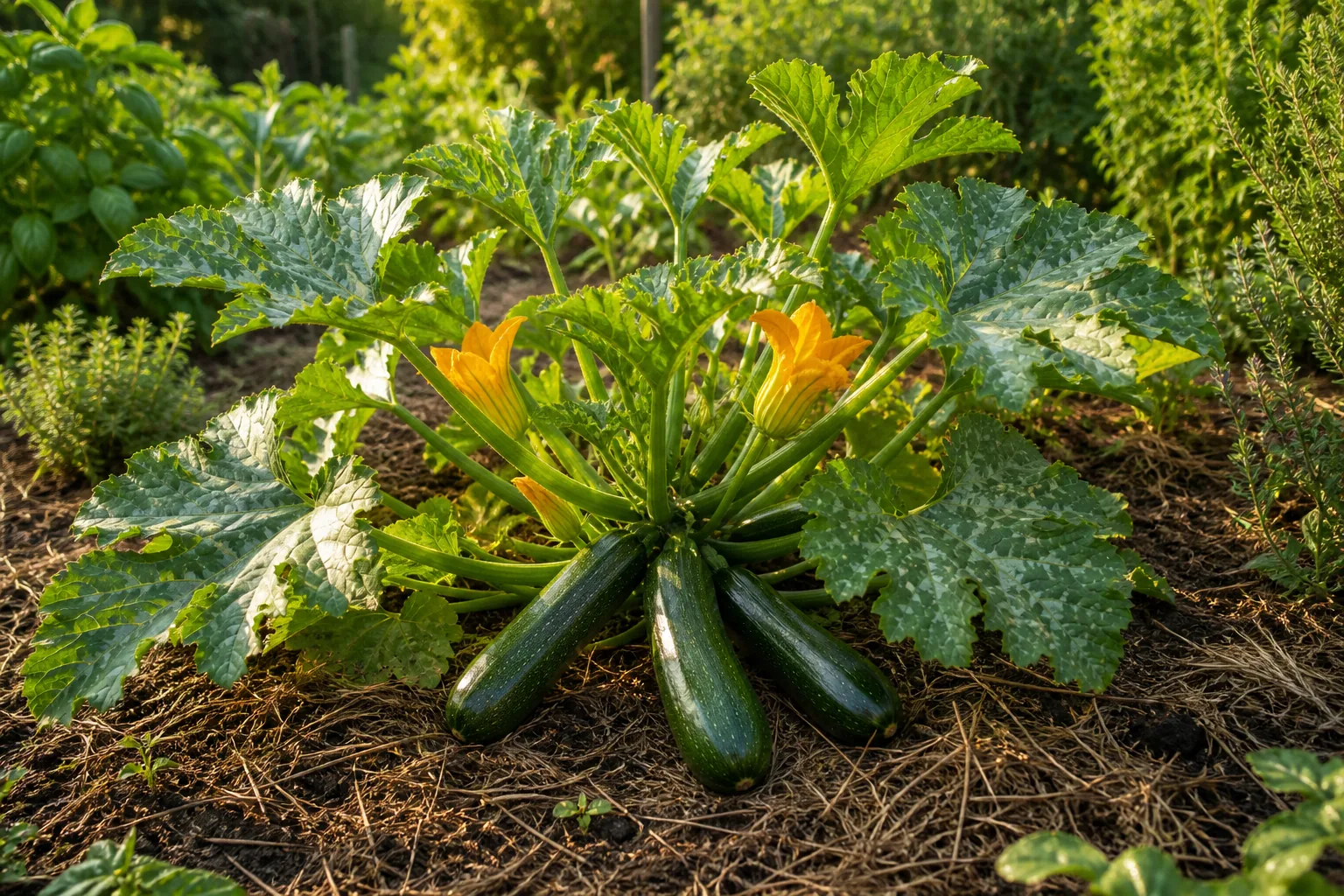
Zucchini (Cucurbita pepo, the summer squash group) is a fast, productive warm-season annual in the gourd family grown for its tender immature fruit. A descendant of native American squashes, it is famously prolific — a single plant can supply a household through summer — and it is valued for its mild flavor, easy growth, and use both raw and cooked.
 intermediate
Capsicum annuum Grossum Group
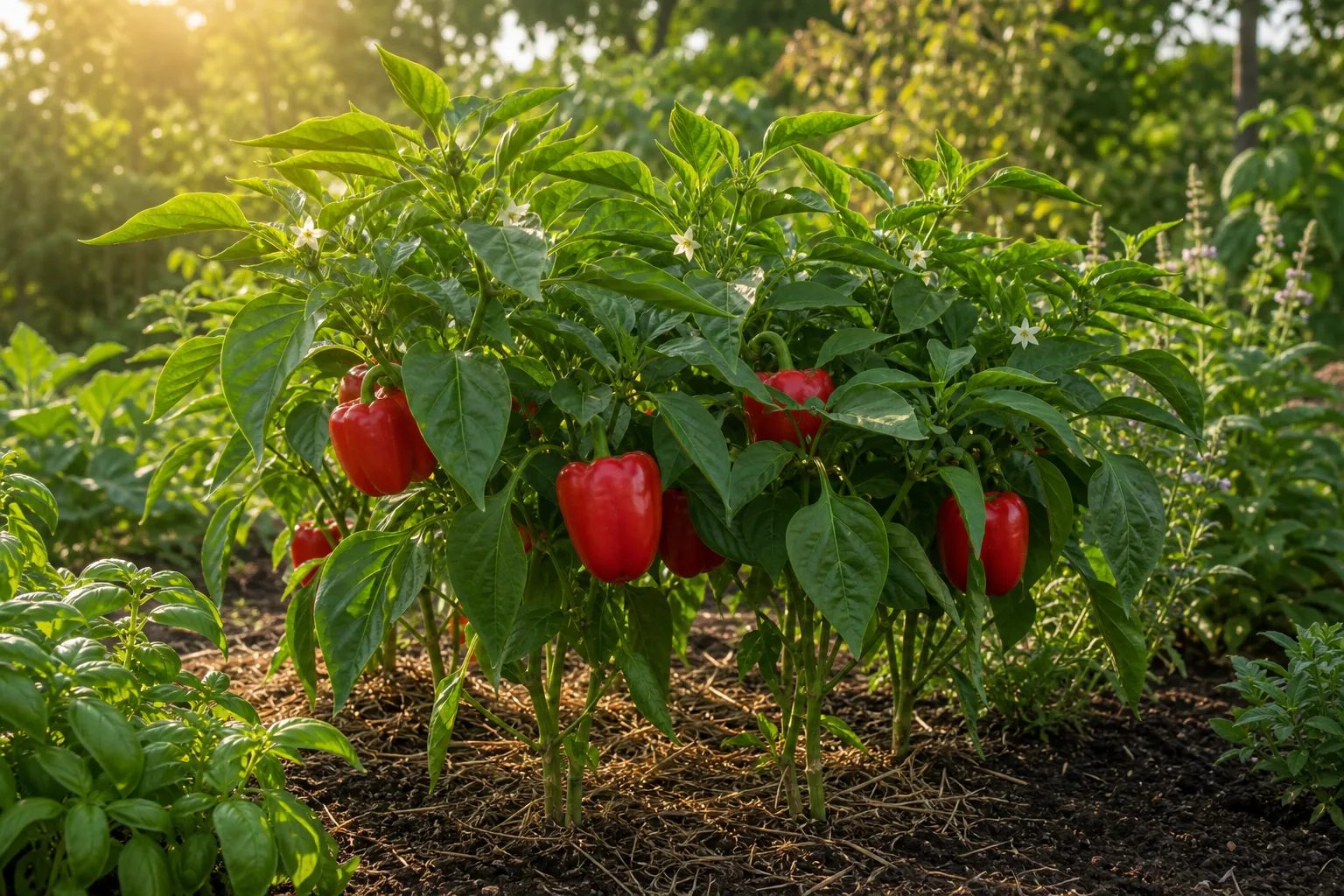
Sweet pepper (Capsicum annuum, the non-pungent bell and frying-pepper group) is a tender, warm-season perennial grown as an annual for its crisp, mild fruit. A member of the nightshade family native to the Americas, it is valued for sweet, thick-walled fruit that ripens from green through yellow, orange, and red and is far milder than its chili relatives.
 intermediate
Capsicum annuum Longum Group
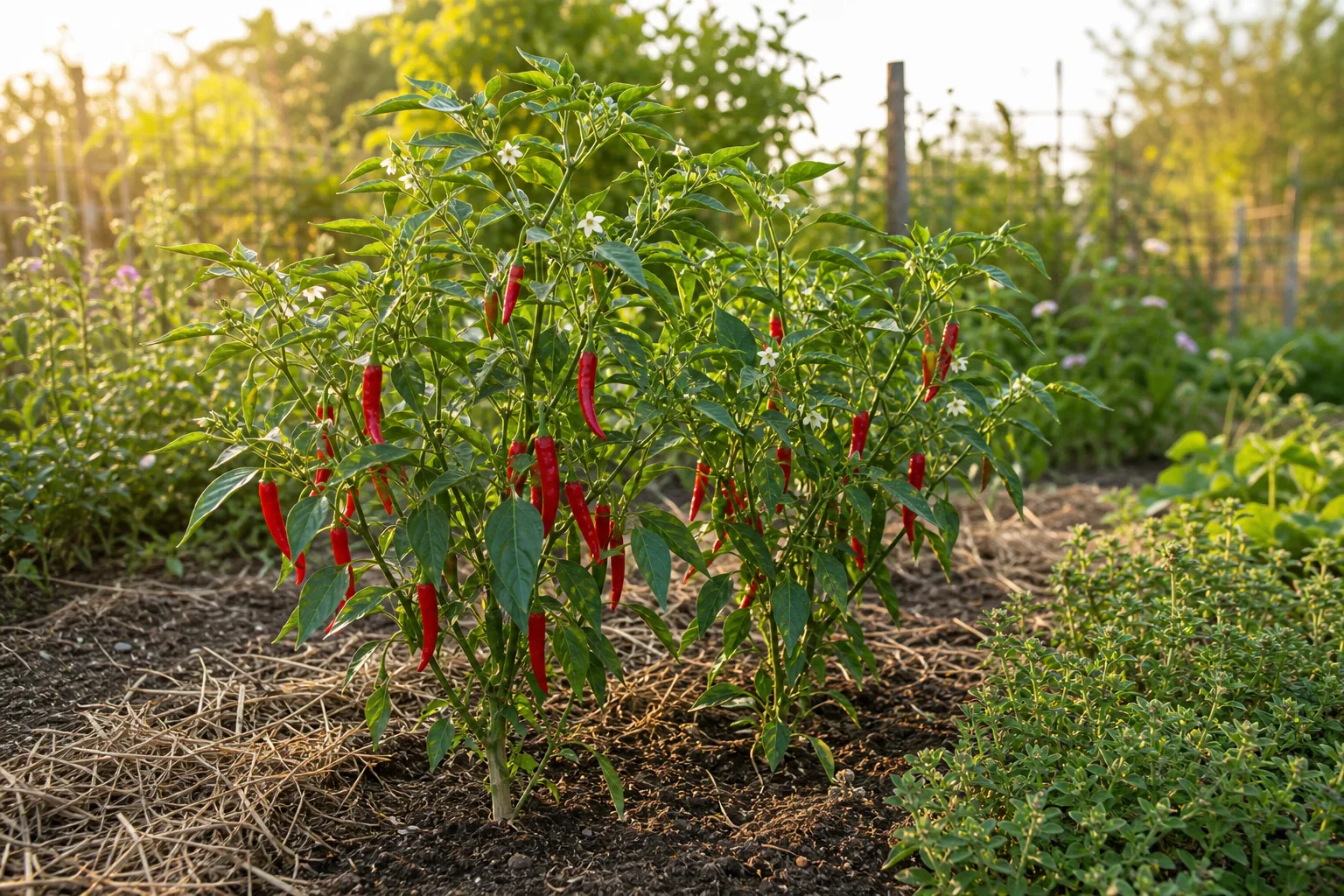
Chili pepper (Capsicum annuum, the pungent group) is a tender, warm-season perennial grown as an annual for its hot fruit. A member of the nightshade family native to the Americas, it spans a huge range of heat — from mild to searing — and is grown both for culinary spice and, like sweet peppers, for productive warm-weather harvests.
 intermediate
Solanum melongena
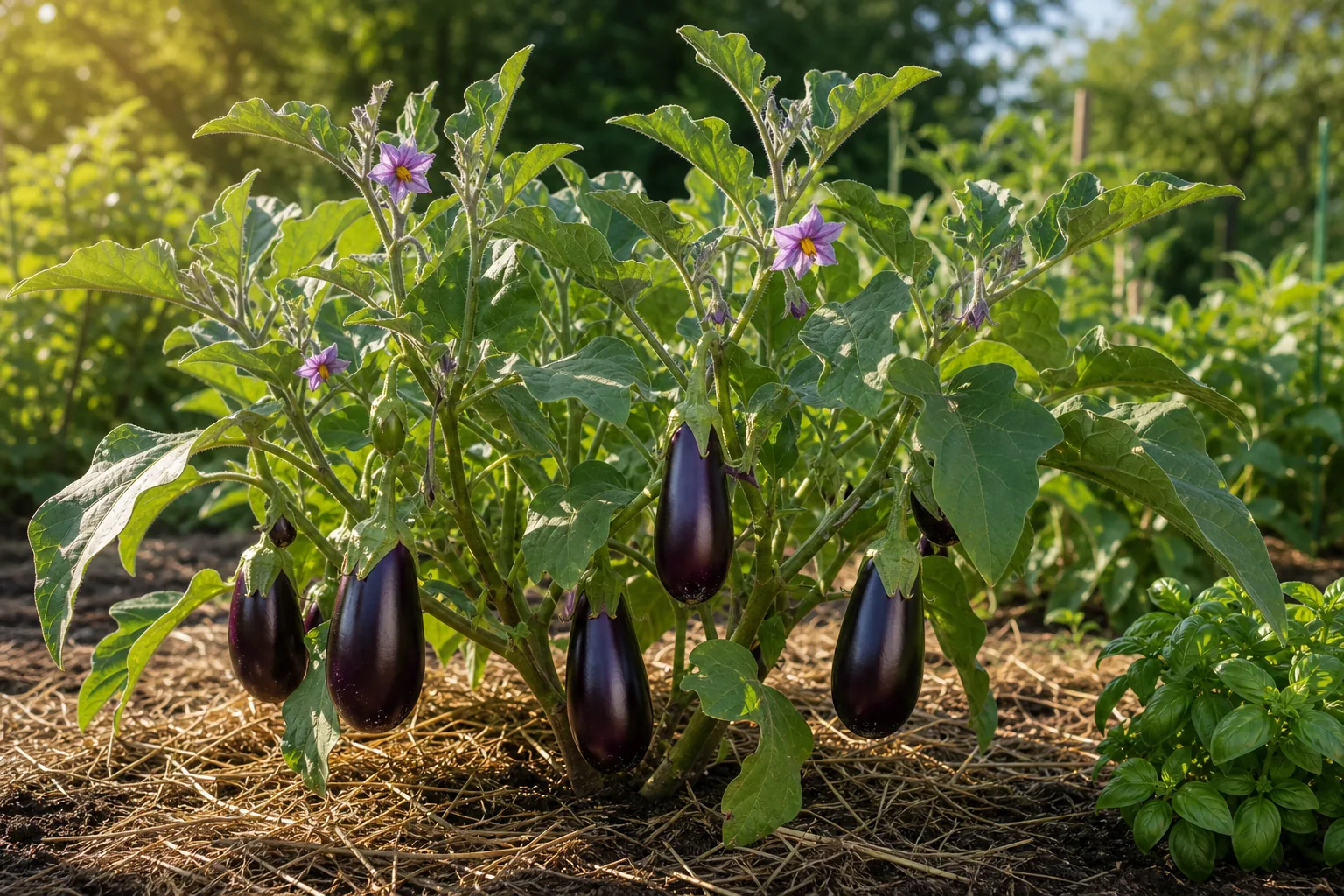
Eggplant (Solanum melongena) is a tender, warm-season perennial in the nightshade family grown as an annual for its glossy, meaty fruit. Native to South and East Asia, it is a heat-loving crop that needs a long, warm season and steady moisture to set the heavy, pear- or oblong-shaped fruit prized in cuisines worldwide.
 Pet-friendlier
Phaseolus vulgaris
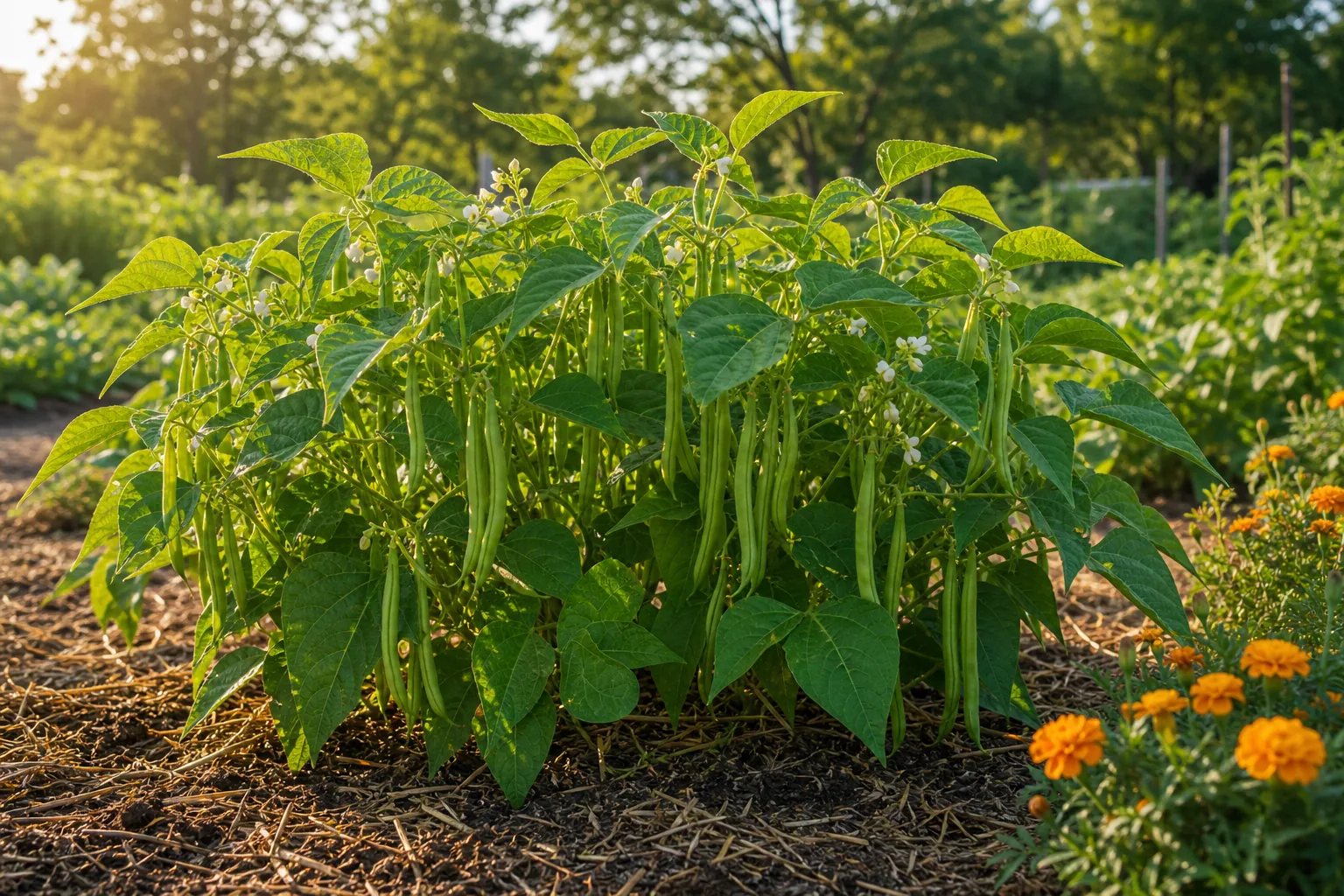
Bush bean (Phaseolus vulgaris) is a warm-season annual legume in the pea family grown for its tender, stringless snap pods. A domesticated form of a Central and South American native, it is the easiest bean for small gardens because it grows as a compact, self-supporting bush about two feet tall and needs no trellis. Sown after the soil warms, it produces a concentrated crop of crisp, nutritious pods in roughly 50 to 60 days and, picked often, keeps bearing for weeks.
 Pet-friendlier
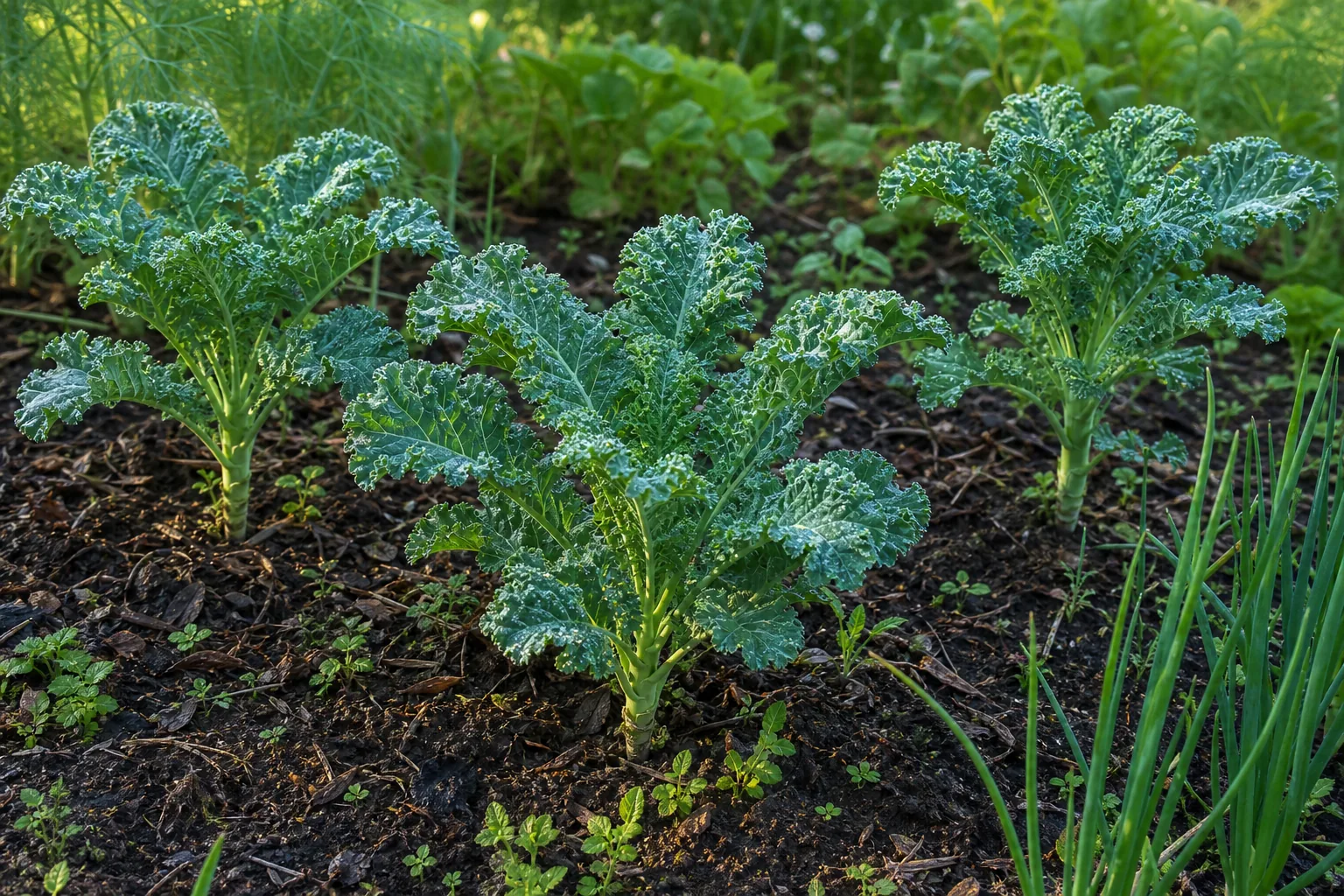
Brassica oleracea Acephala Group
Kale (Brassica oleracea var. acephala) is a cool-season biennial in the cabbage family grown as a leafy annual for its frilled, nutrient-dense leaves. A non-heading form of wild cabbage native to the coastal cliffs of western Europe, it is among the hardiest greens, shrugging off frost that actually sweetens its flavor, and it produces for months from a single planting when the outer leaves are harvested. Ornamental kales are the same species grown for showy leaves.
 Pet-friendlier
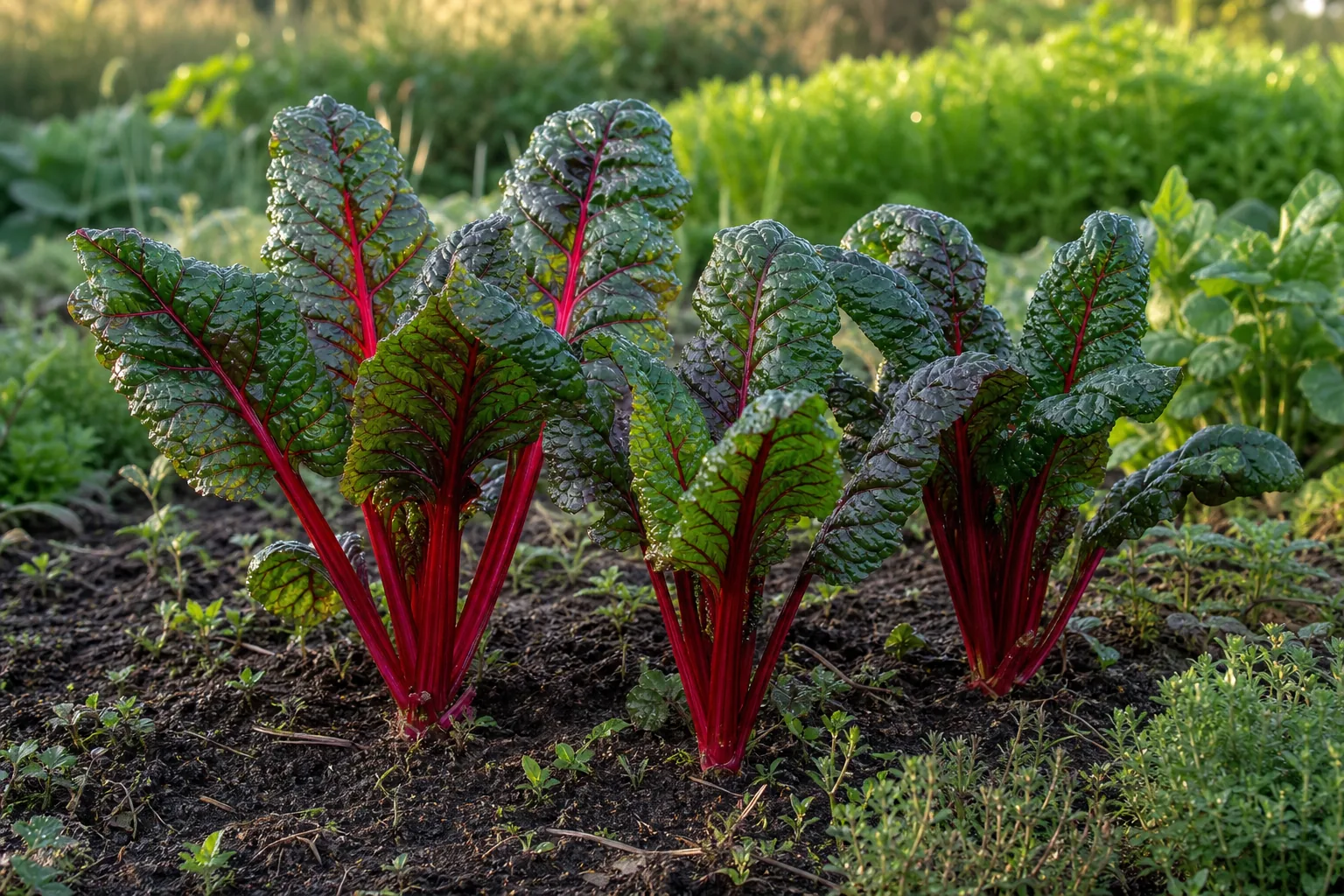
Beta vulgaris Cicla Group
Swiss chard (Beta vulgaris, the leafy Cicla group, also called leaf beet) is a cool-season biennial in the amaranth family grown as a warm-tolerant leafy green. A close relative of the garden beet native to the Mediterranean and Atlantic coasts of Europe, it produces crinkled or smooth leaves on colorful stems (white, red, yellow, or orange) and, unlike beet, forms no storage root. It is more heat-tolerant than spinach, so it carries the greens season from spring through the hottest summer.
 intermediate
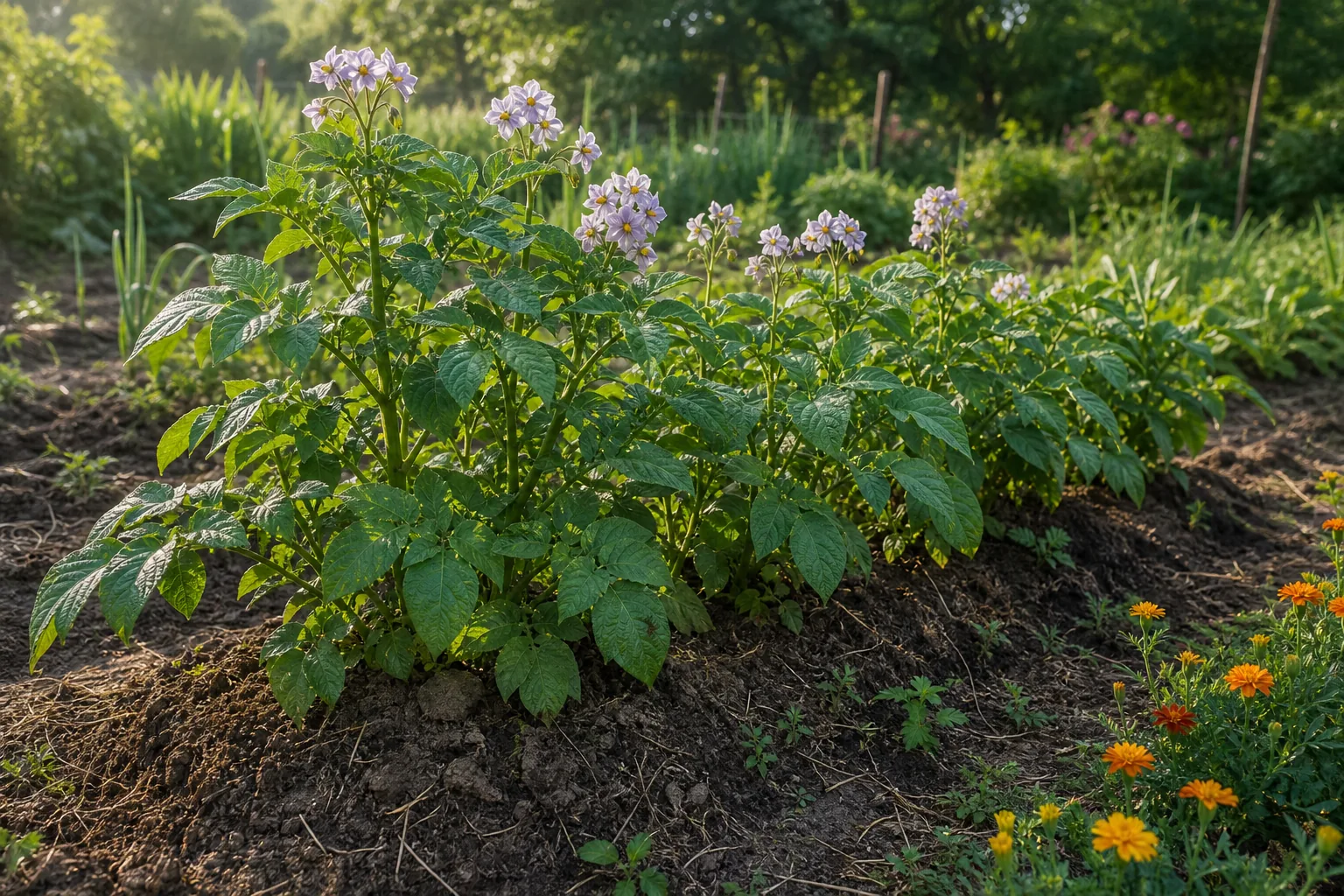
Solanum tuberosum
Potato (Solanum tuberosum) is a tender, warm-season perennial in the nightshade family grown as an annual for its starchy underground tubers. Native to the Andes of South America, it is one of the world's staple crops and a productive, space-efficient garden vegetable whose leafy stems must be 'hilled' to keep the developing tubers covered and out of the light. The edible tuber is safe, but the green foliage and any greened tubers are toxic.
Check pots daily in hot or windy weather and water thoroughly until excess drains away.