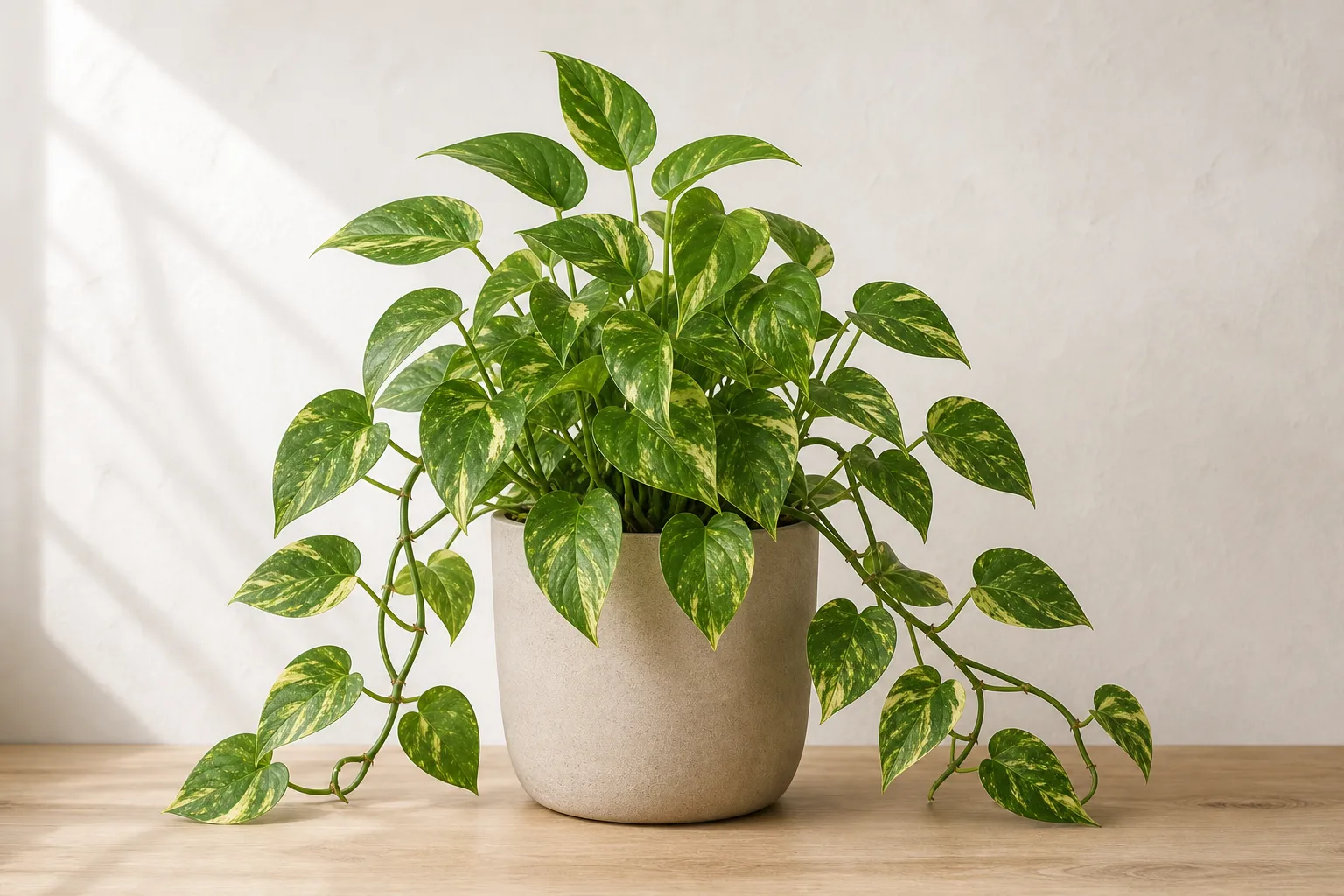
Why Are My Houseplant Leaves Turning Yellow?
Use soil moisture, leaf age, root condition, and pest evidence to separate normal aging from a correctable plant-health problem.
Compare moisture, roots, leaf patterns, insects, and recent changes before choosing a treatment.
Browse all guidesUse soil moisture, leaf age, root condition, and pest evidence to separate normal aging from a correctable plant-health problem.
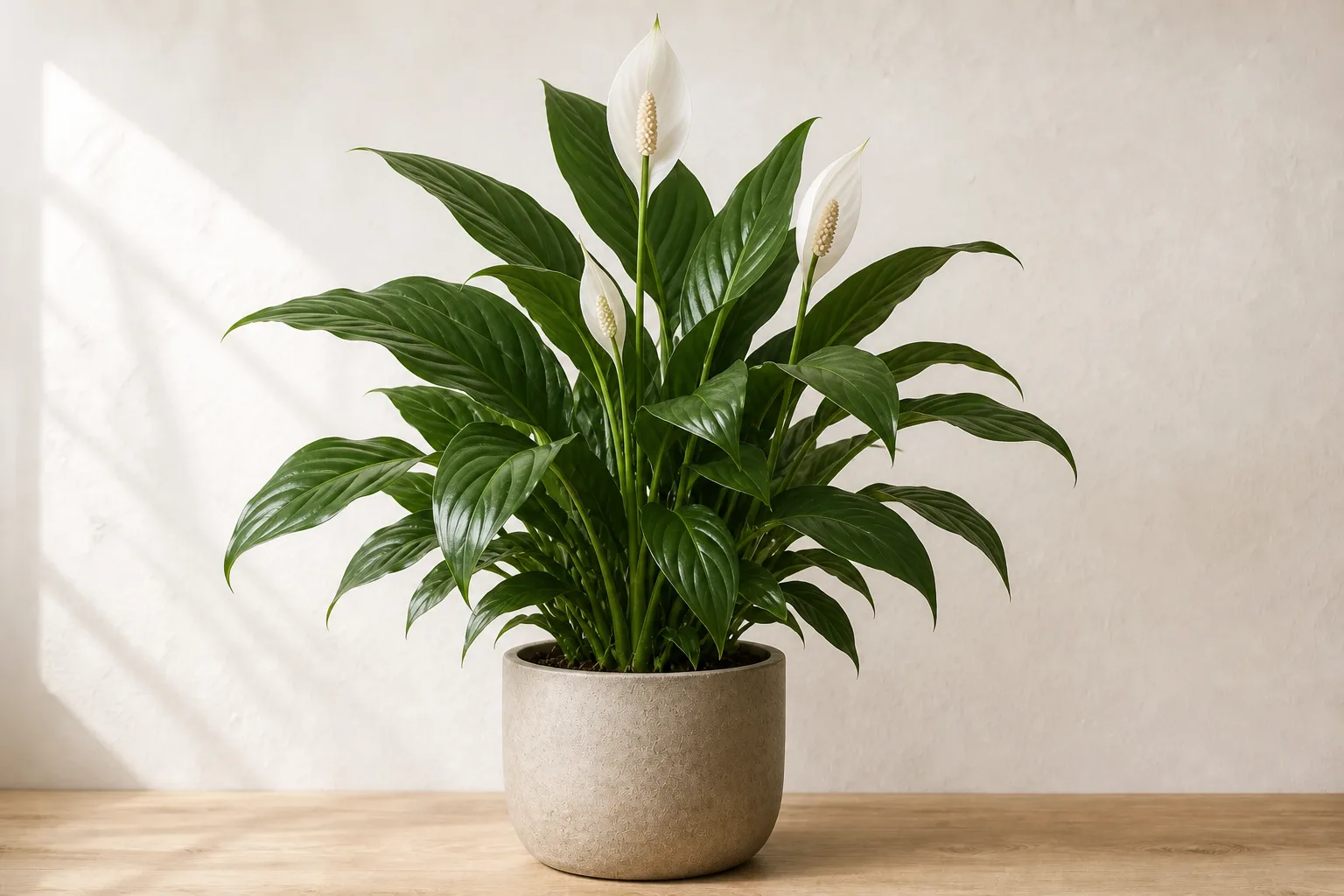
Young leaves turning pale call for a different diagnosis than old lower-leaf yellowing, especially when veins remain green.
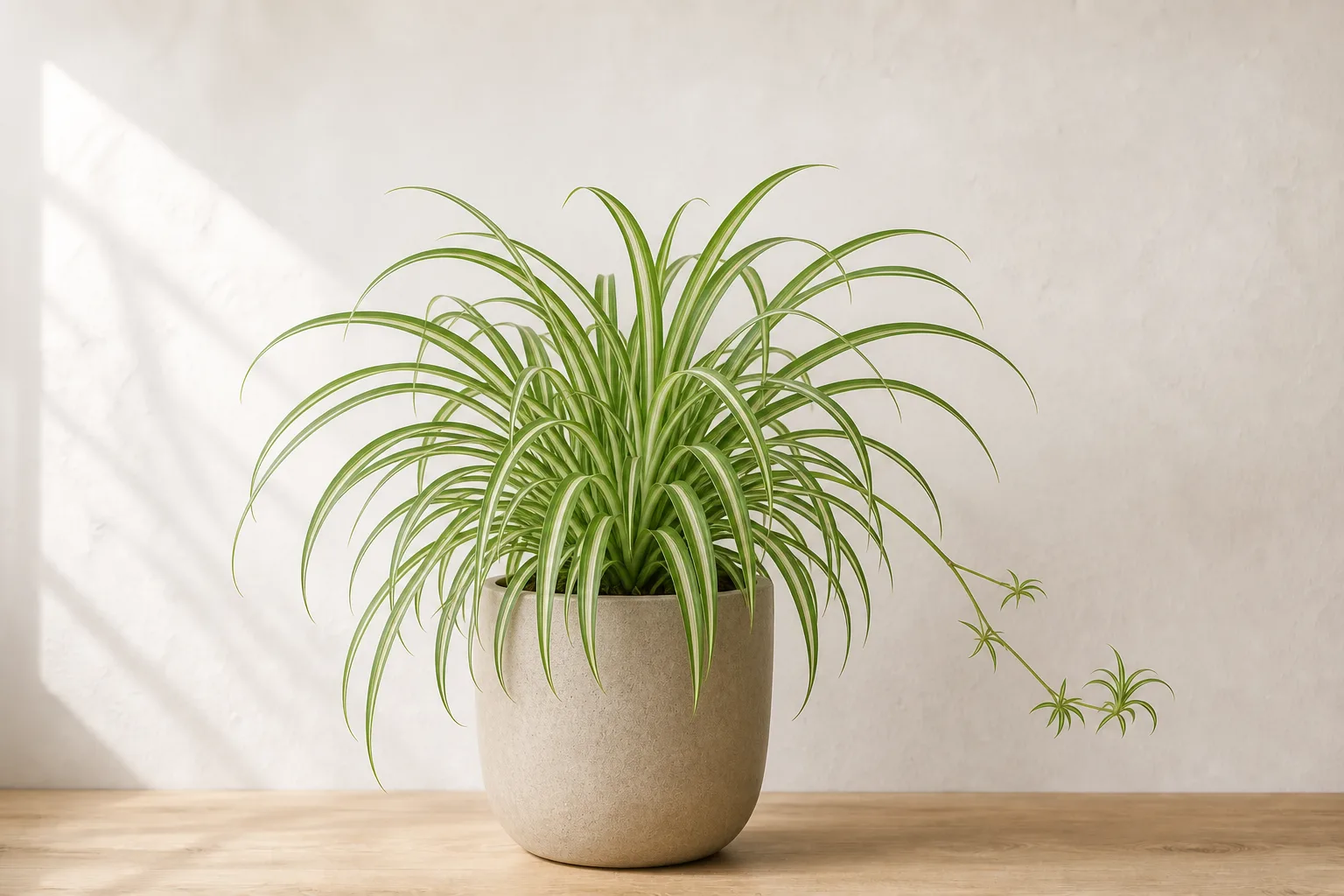
Separate uneven watering, low humidity, salt accumulation, and root stress by reading the margin pattern and care history.
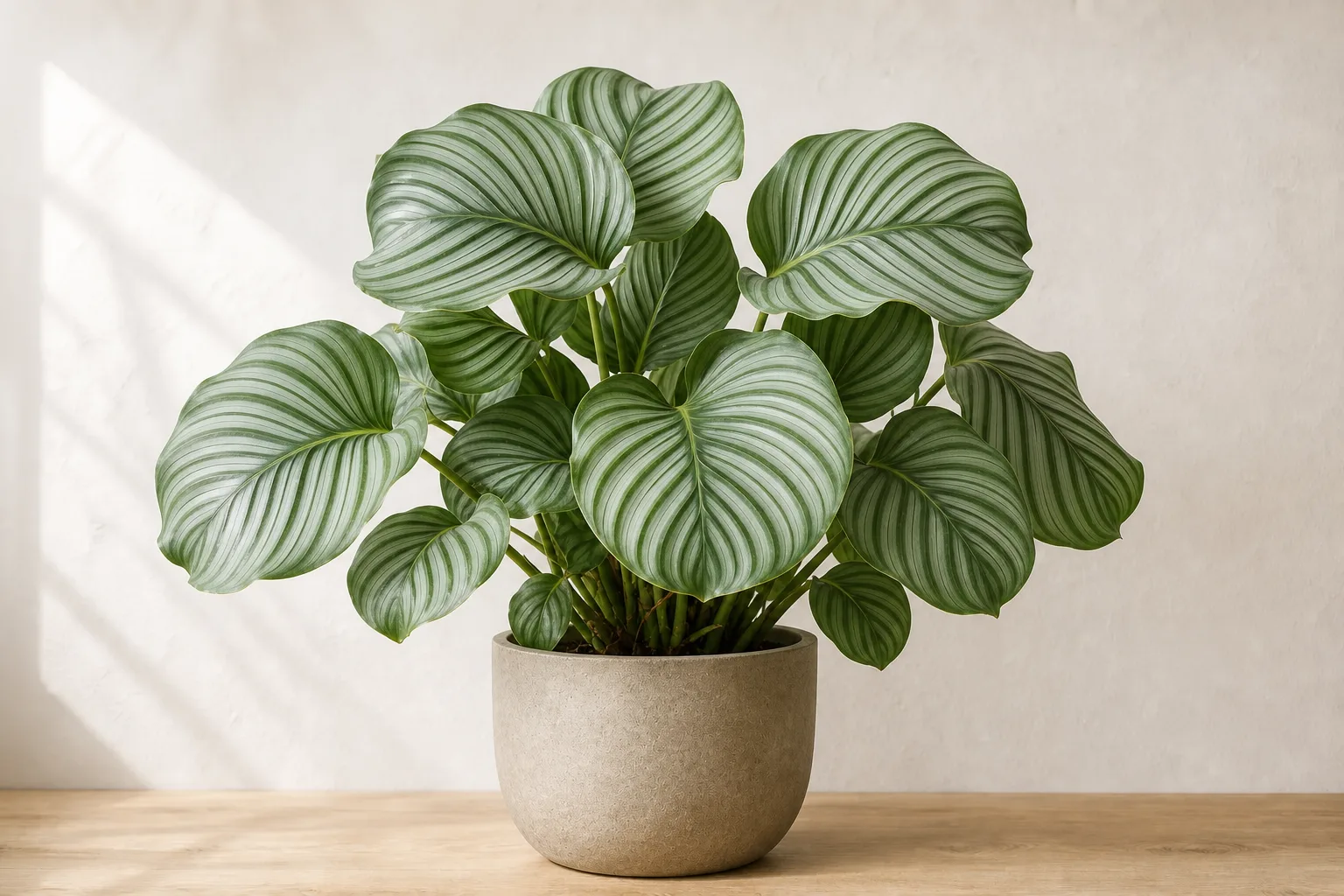
Use texture, shape, halo, location, and speed of spread to distinguish scorch, edema, injury, pests, and leaf-spot disease.
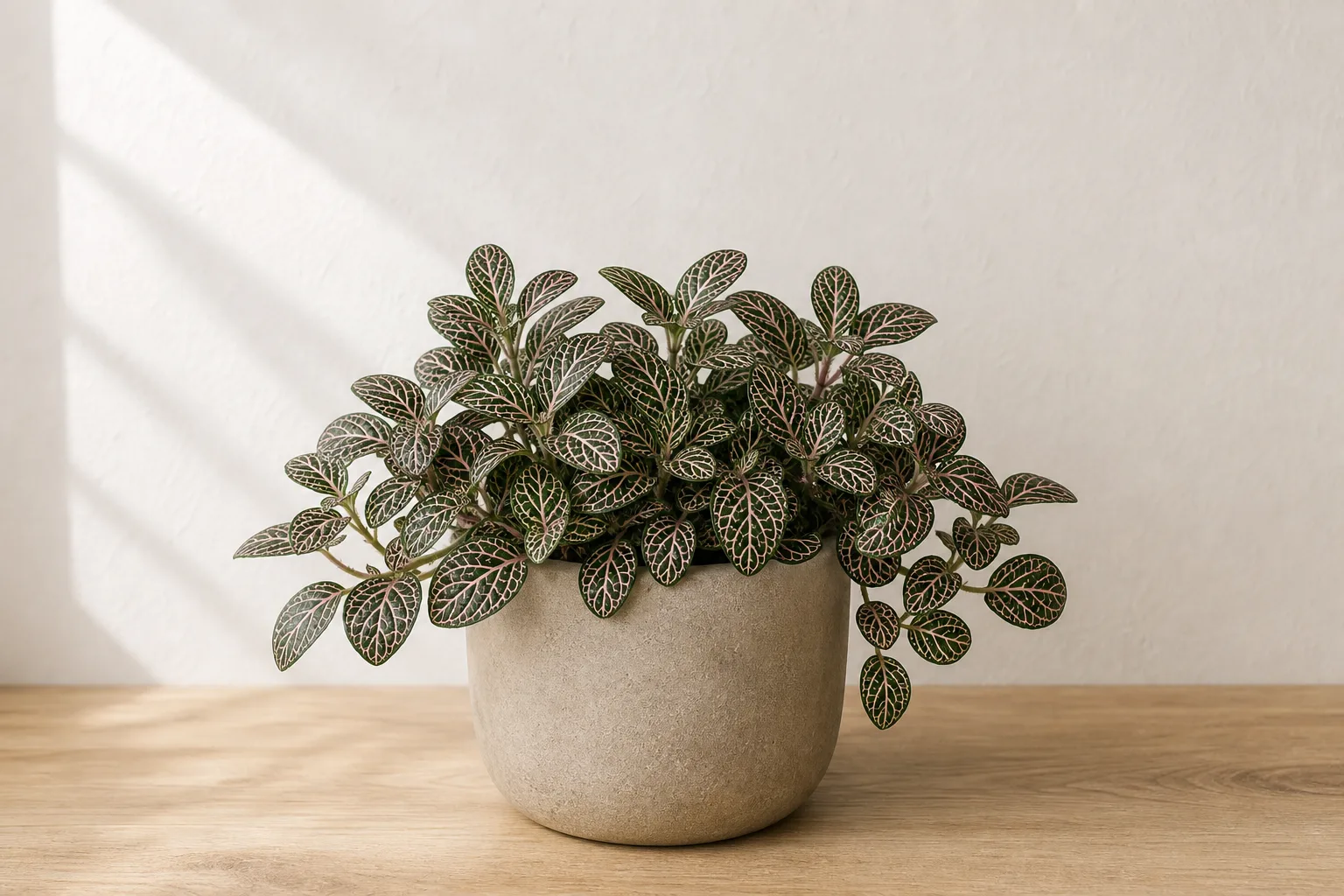
A wilted plant can be too dry, too wet, root damaged, overheated, chilled, or diseased, so moisture is only the first branch of the diagnosis.
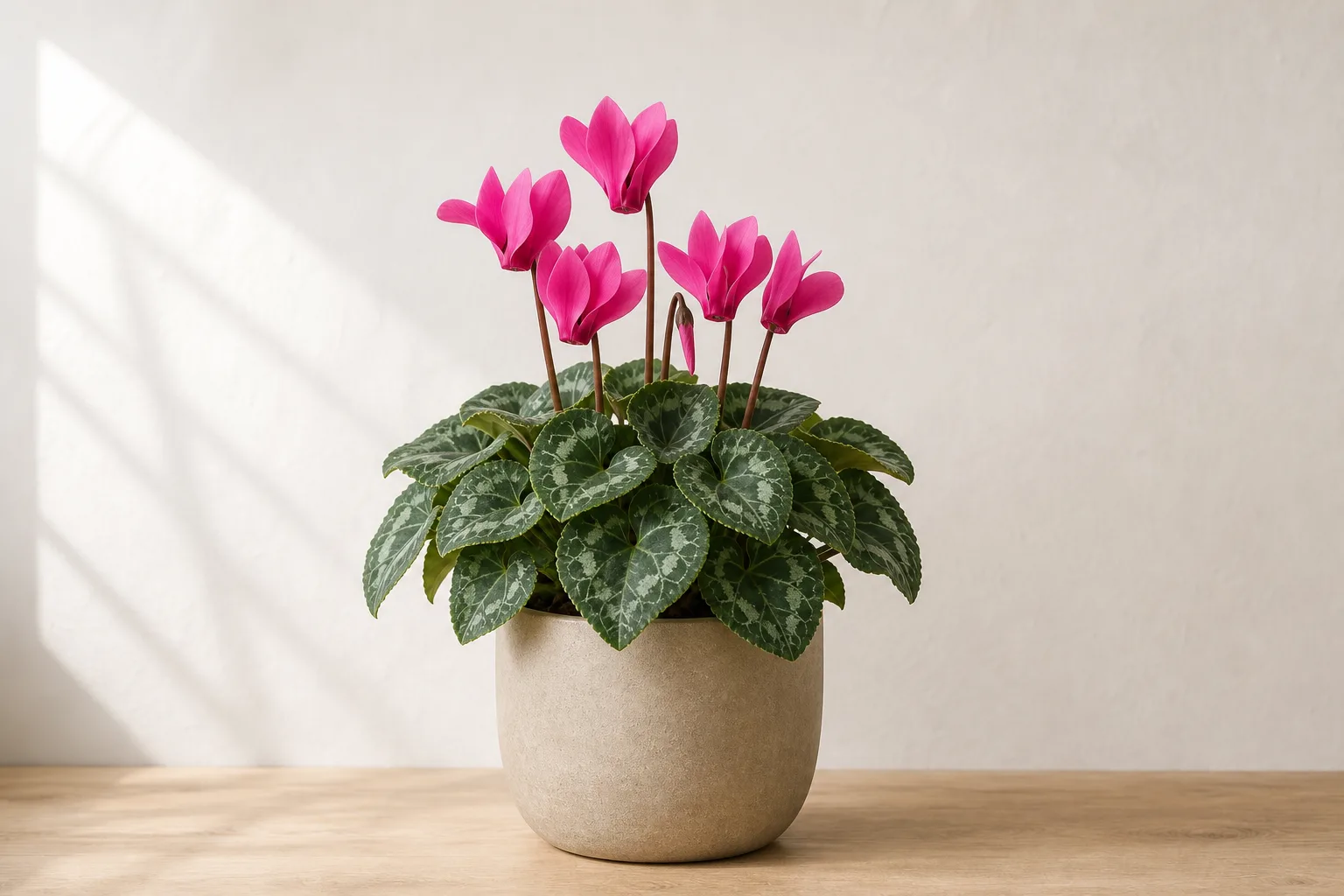
When watering does not restore firmness, investigate saturation, dry pockets, temperature shock, salts, and damaged roots before watering again.
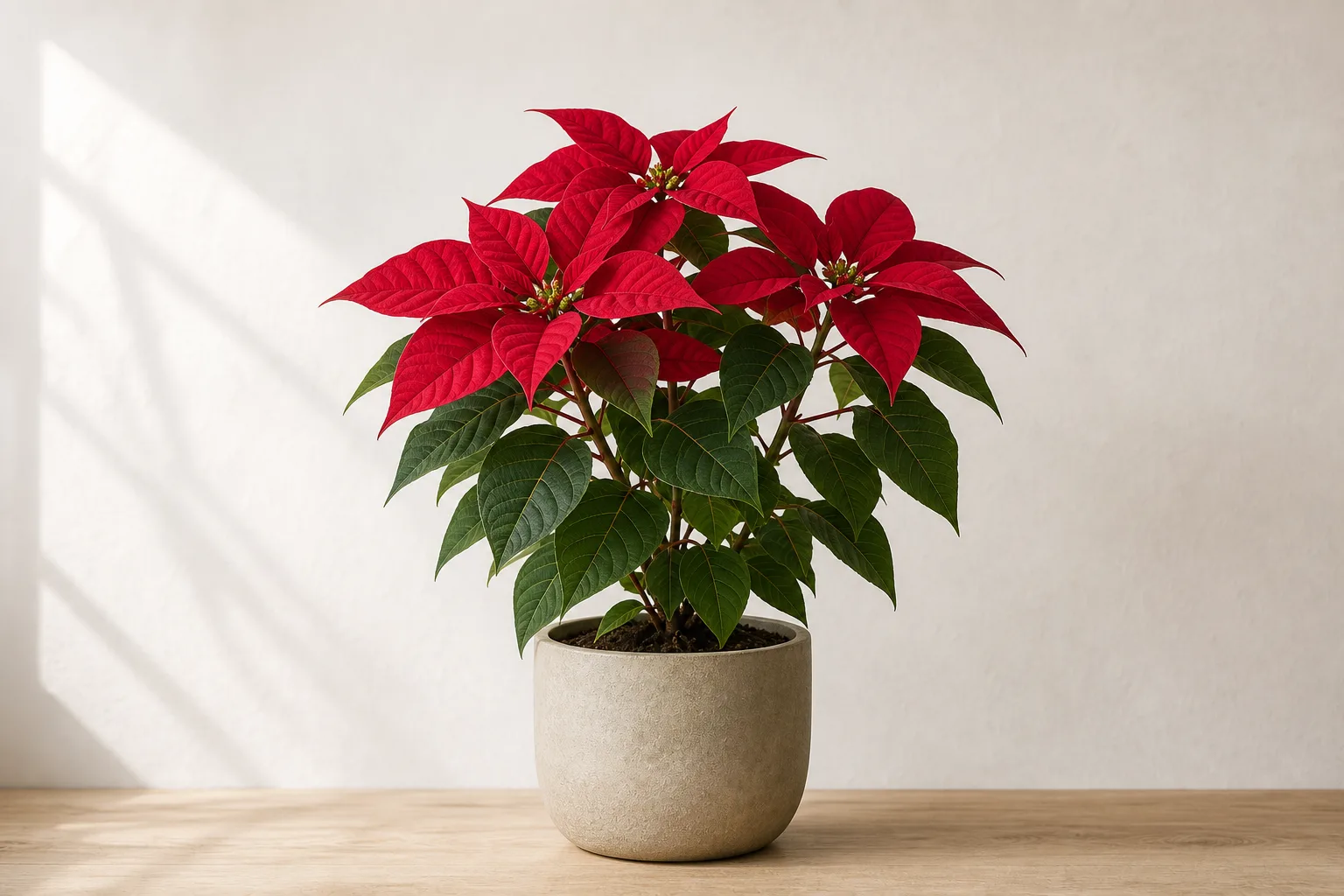
Read which leaves fall, what they look like, and what changed recently to separate acclimation from water, root, temperature, pest, or seasonal stress.
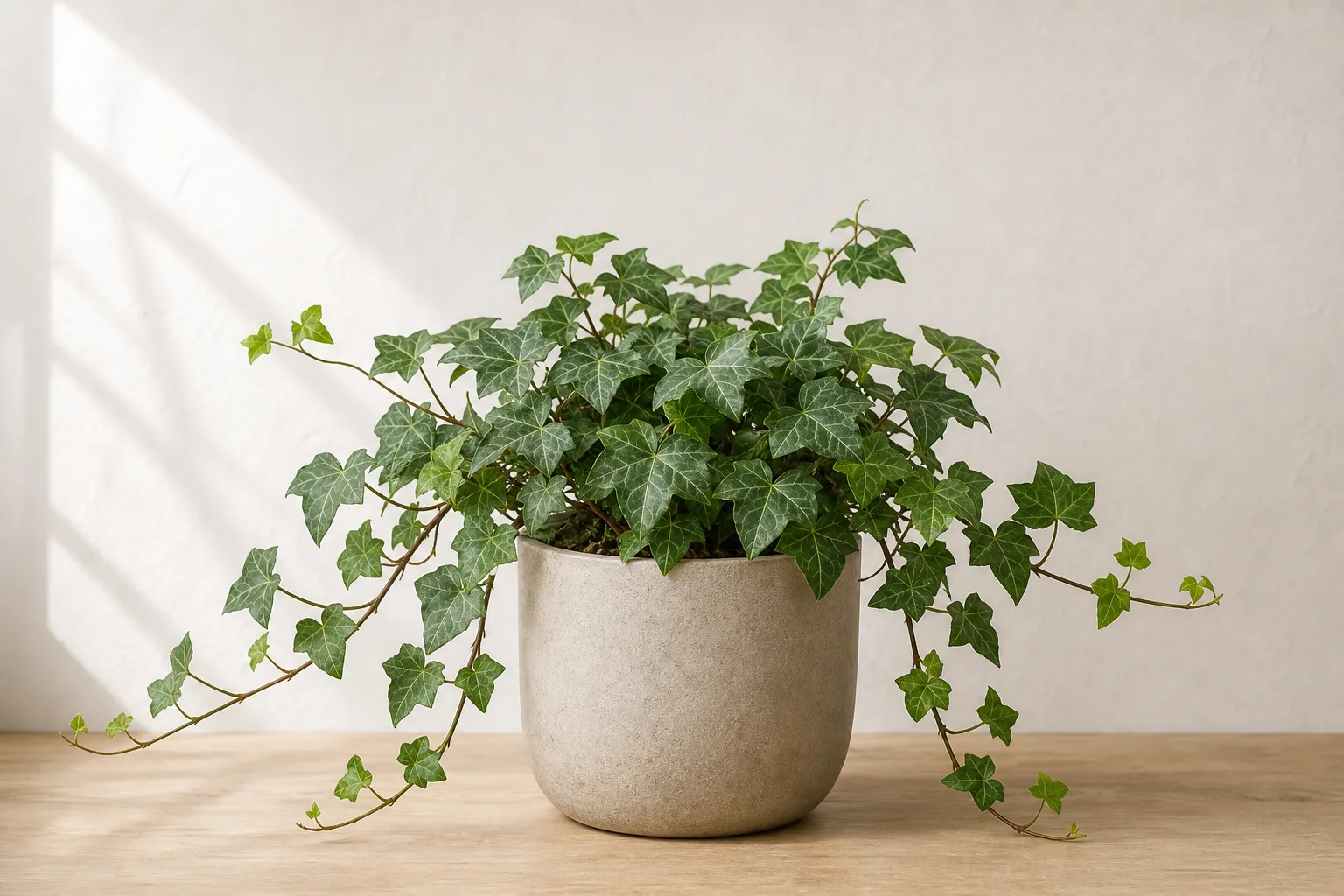
Reduce secondary stress after purchase, relocation, or seasonal moves by stabilizing light, temperature, humidity, and watering before intervening.
Combine wet-soil history, persistent wilt, odor, crown condition, and root texture before cutting or repotting a stressed plant.
Estimate recovery from the amount of firm crown, stem, and root tissue remaining, then choose rehabilitation, propagation, or disposal.
Distinguish powdery mildew from mineral residue, mealybugs, webbing, and natural wax before isolating and treating the plant.
Decide whether dark lesions are infectious, environmental, chemical, or mechanical by tracking spread, texture, halos, and plant history.
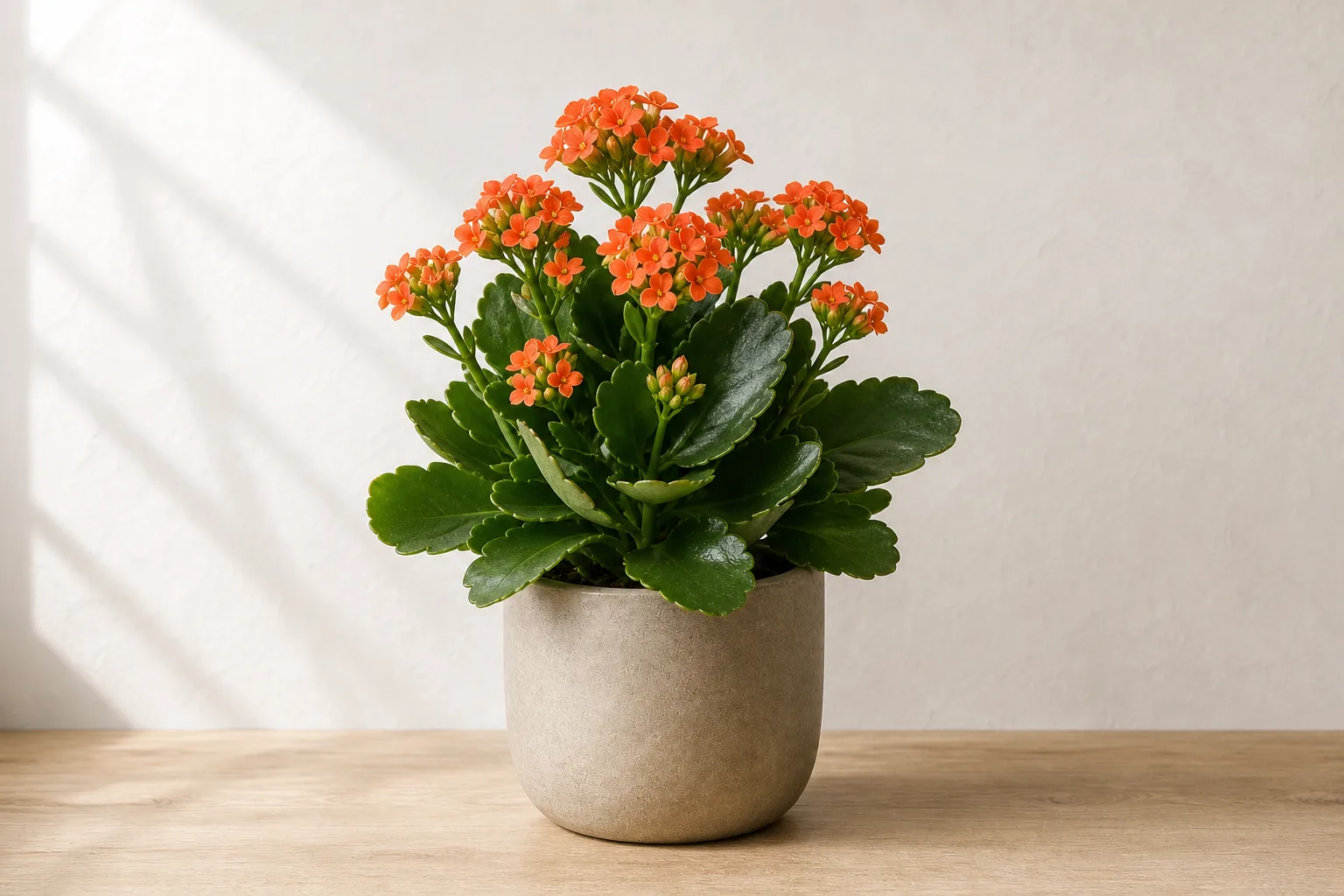
Confirm soft-bodied aphids on new growth, isolate the plant, remove colonies physically, and repeat monitoring through emerging generations.
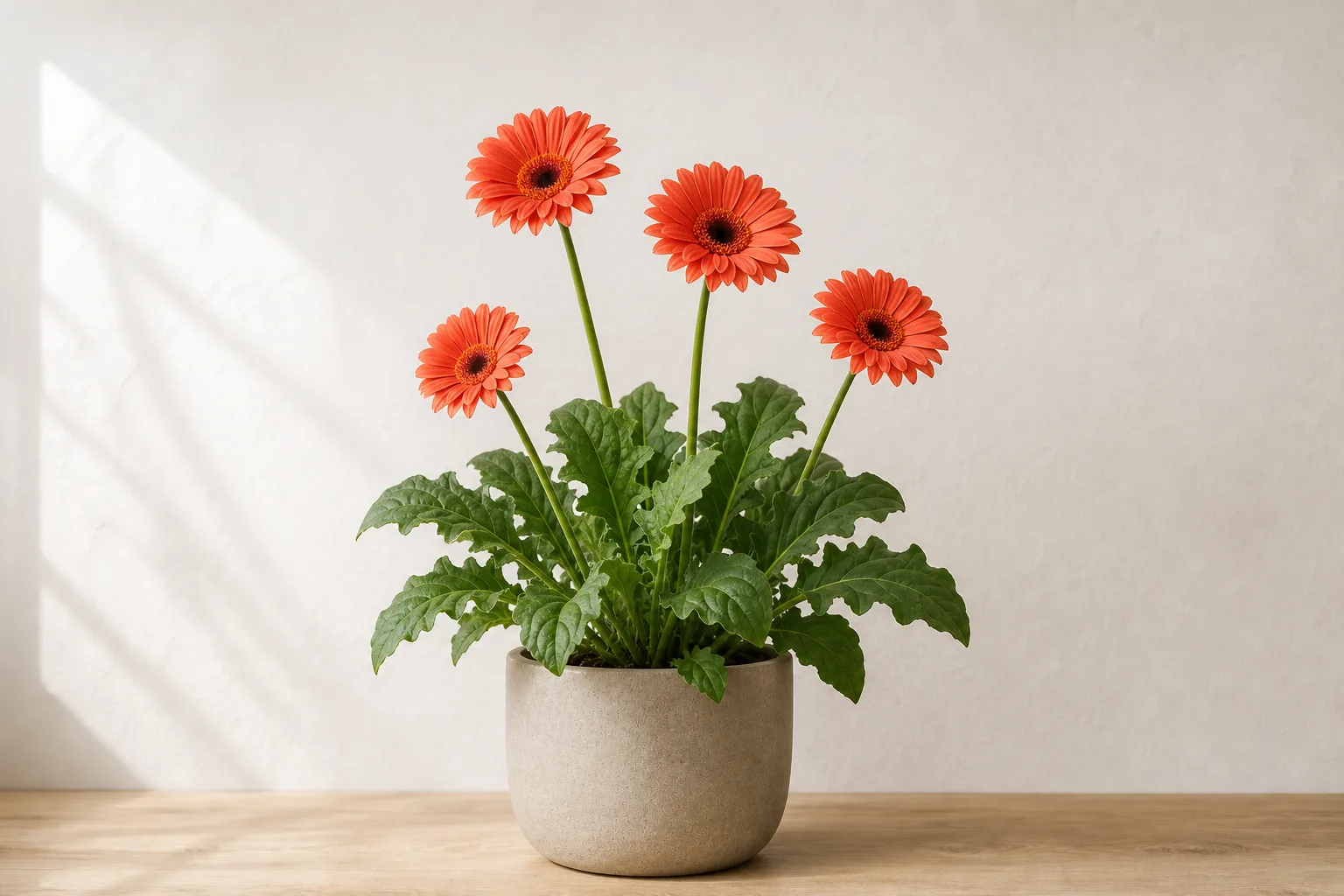
Compare body shape, movement, residue, feeding scars, and preferred hiding places so the control method matches the actual pest.
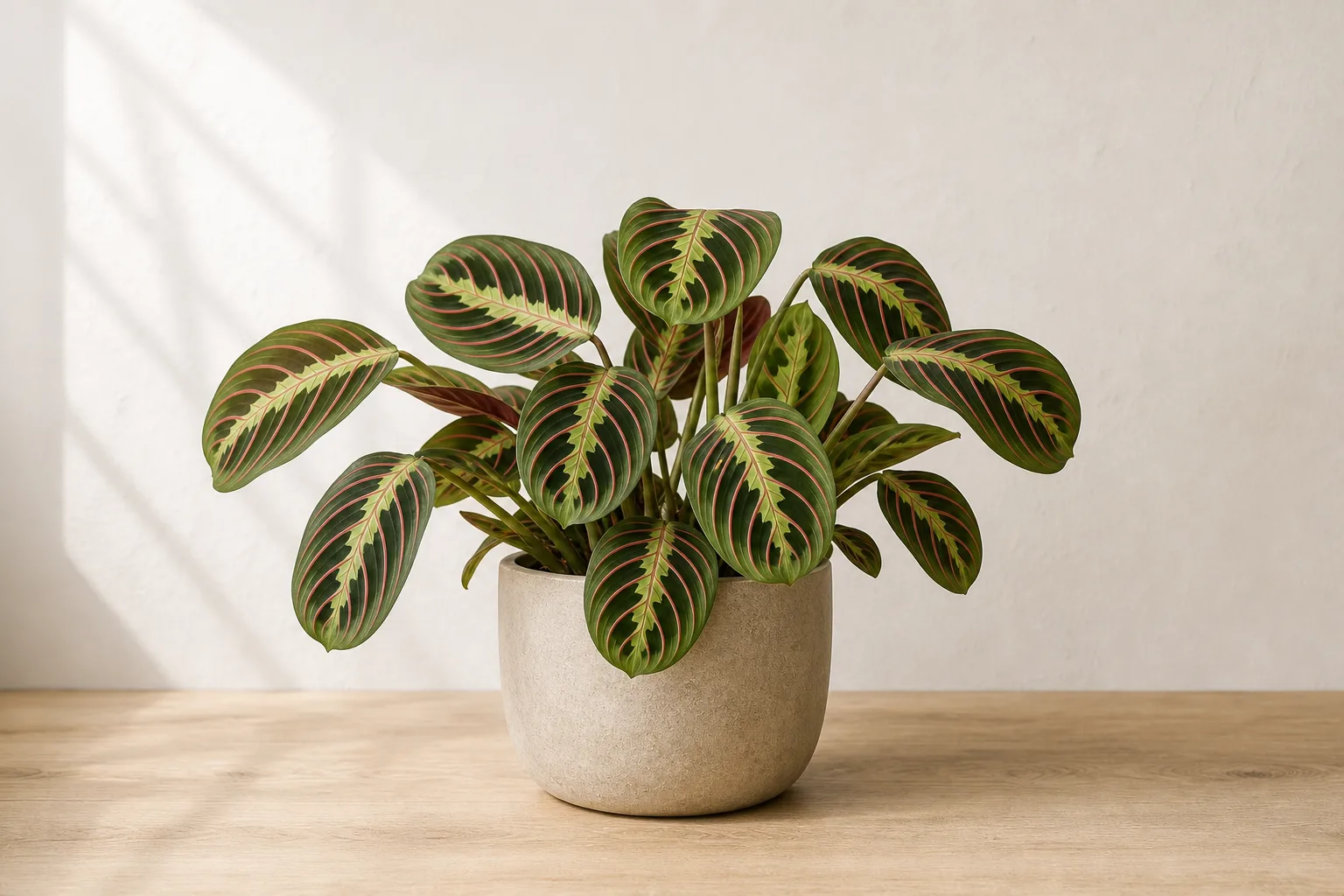
Confirm stippling and live mites with a lens or tap test, then isolate, wash, improve monitoring, and repeat label-safe control.
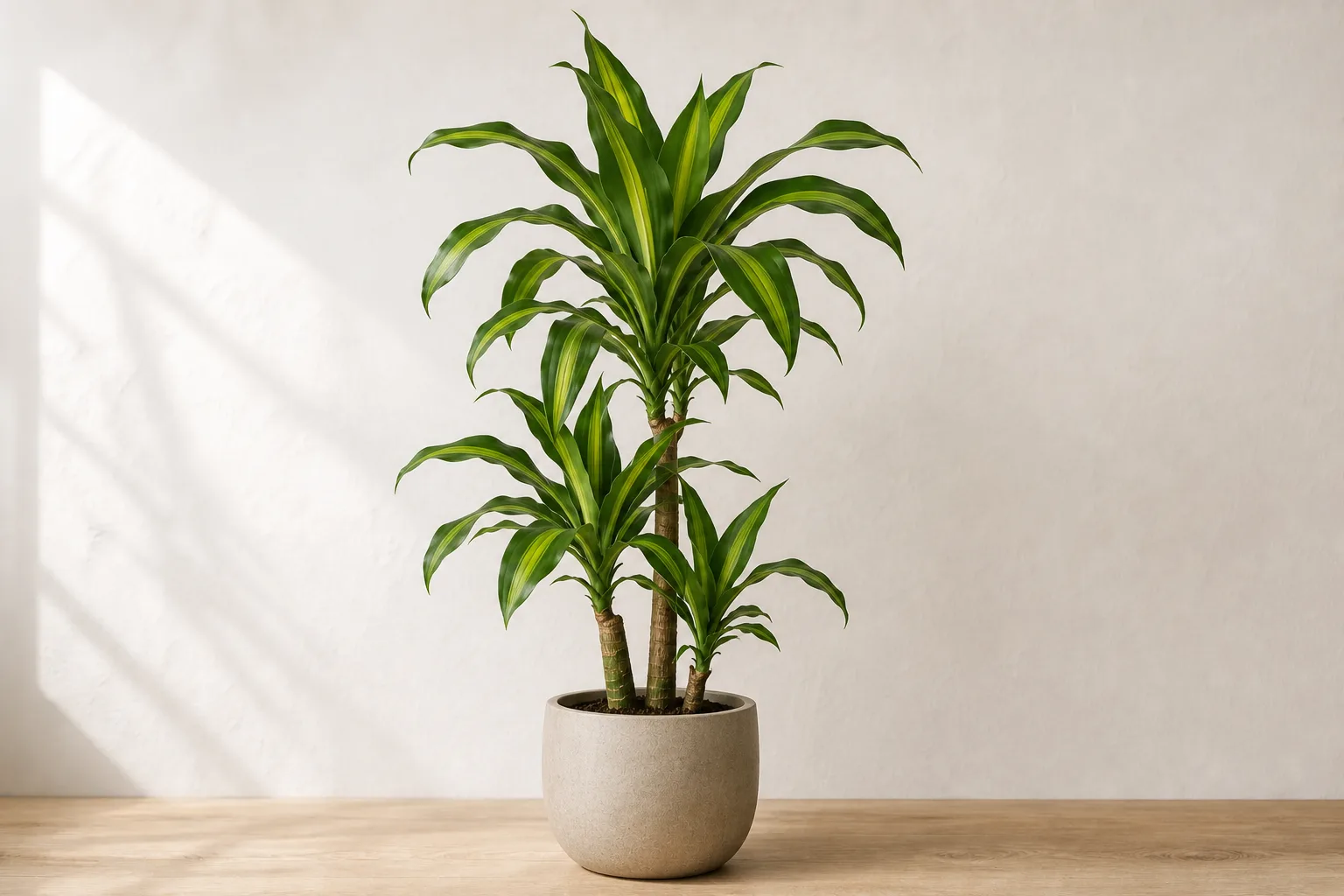
Investigate fine stippling and bronzing before a mite population produces obvious webs, while ruling out thrips, residue, and leaf physiology.
Find wax-covered insects in leaf axils and hidden crevices, isolate the plant, remove colonies, and repeat checks for crawlers.
Confirm root mealybugs rather than harmless soil fungi or perlite, then contain contaminated media, pots, and nearby plants.
Confirm attached scale covers or soft scales along veins and stems, then combine removal, pruning, monitoring, and label-directed control.
Use honeydew, cover structure, feeding marks, and crawler evidence to distinguish two scale groups before choosing management.
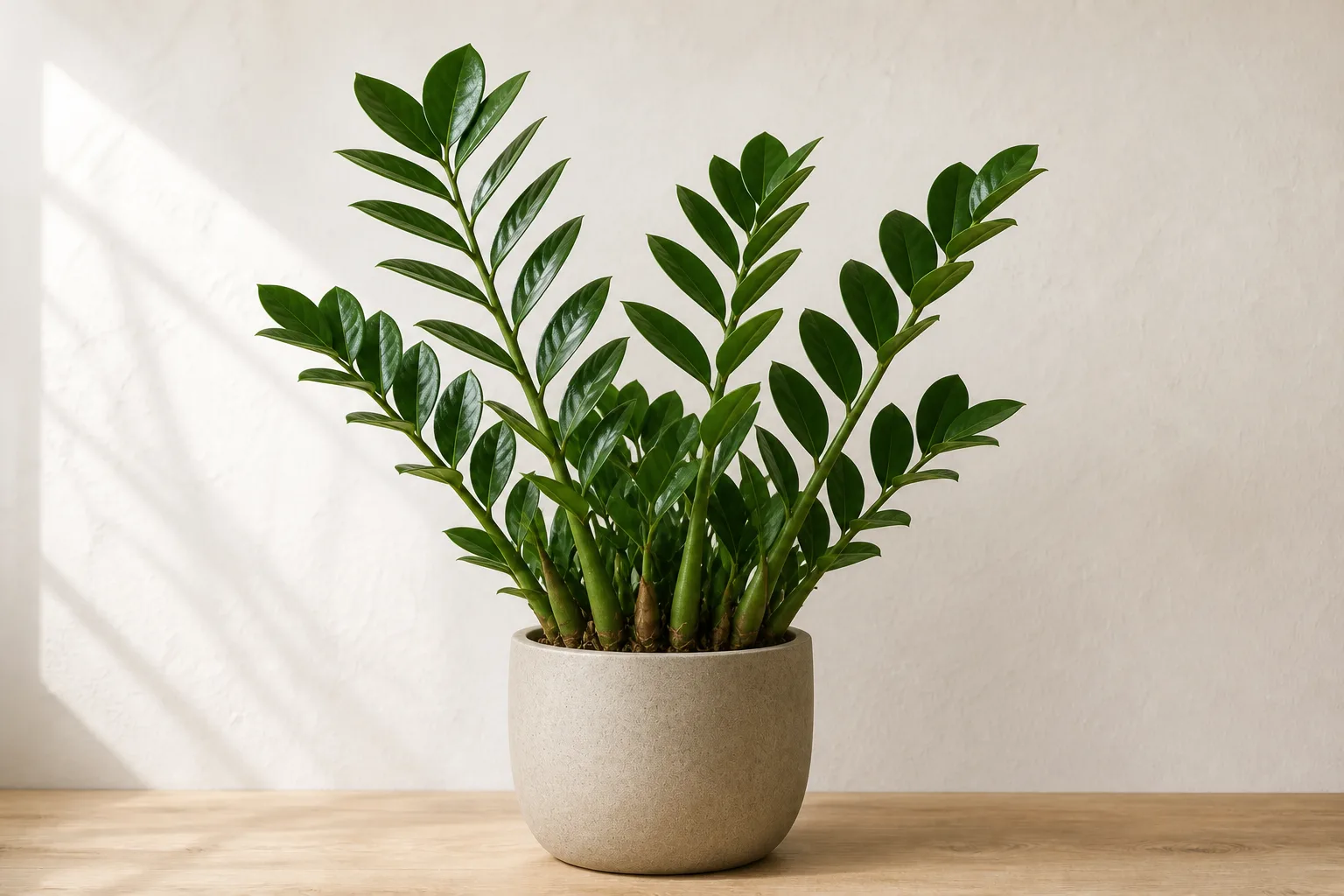
Confirm weak mosquito-like adults near damp potting mix, then target moisture and larvae instead of relying on traps alone.
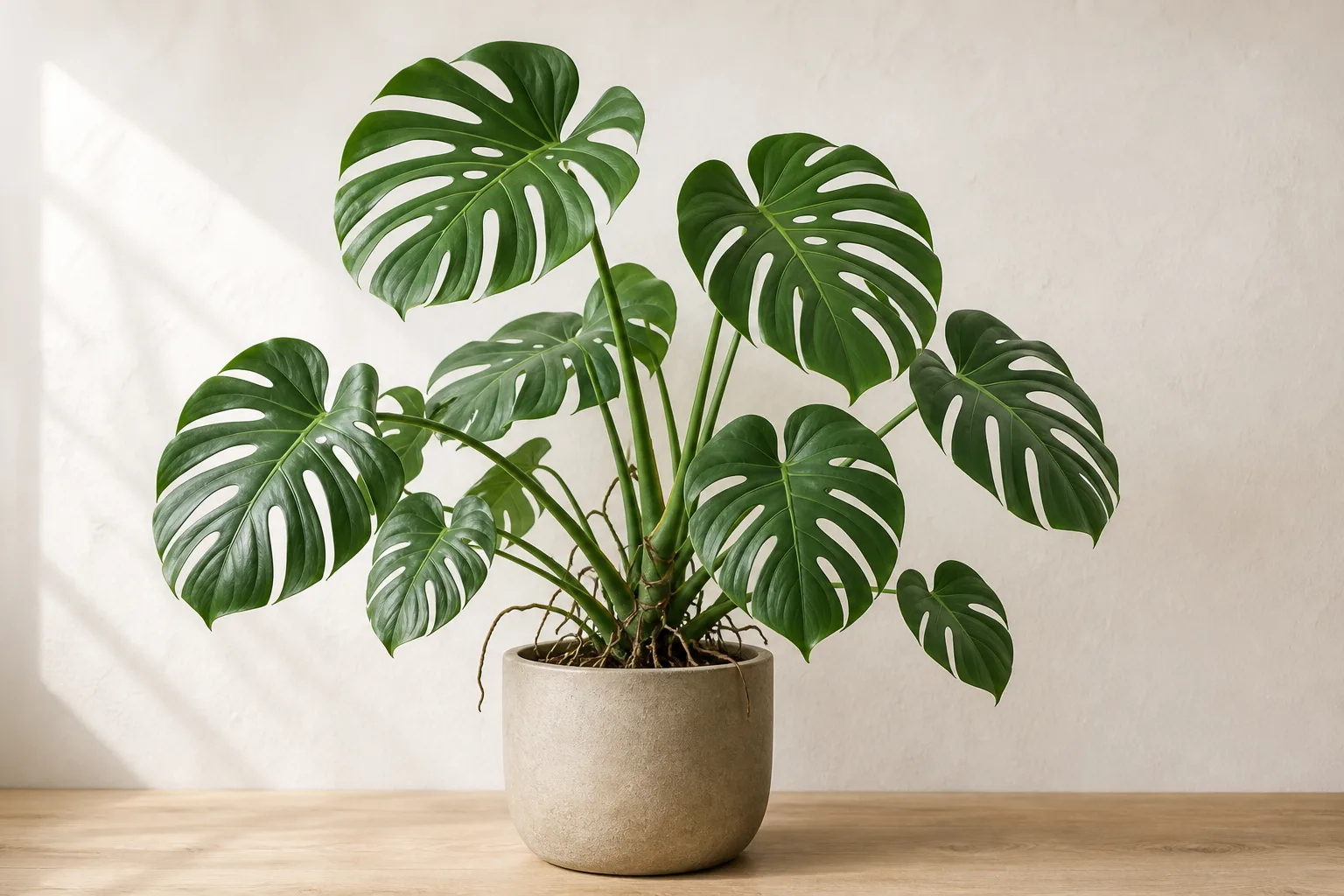
Find translucent dark-headed larvae in moist media, assess plant risk, and break the soil-stage life cycle without damaging roots.
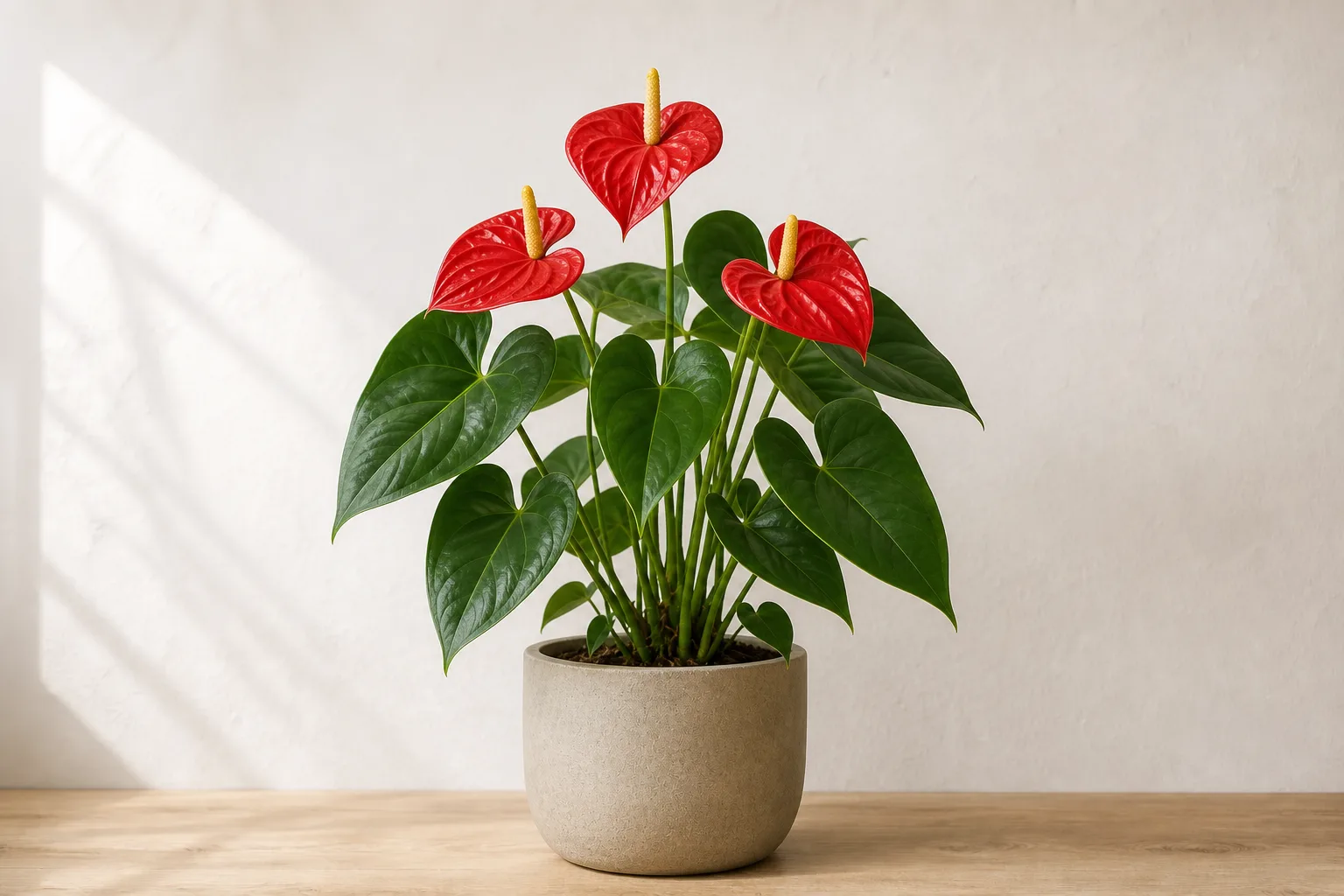
Use leaf age, vein pattern, growth rate, root health, pH, and feeding history before adding a single nutrient.
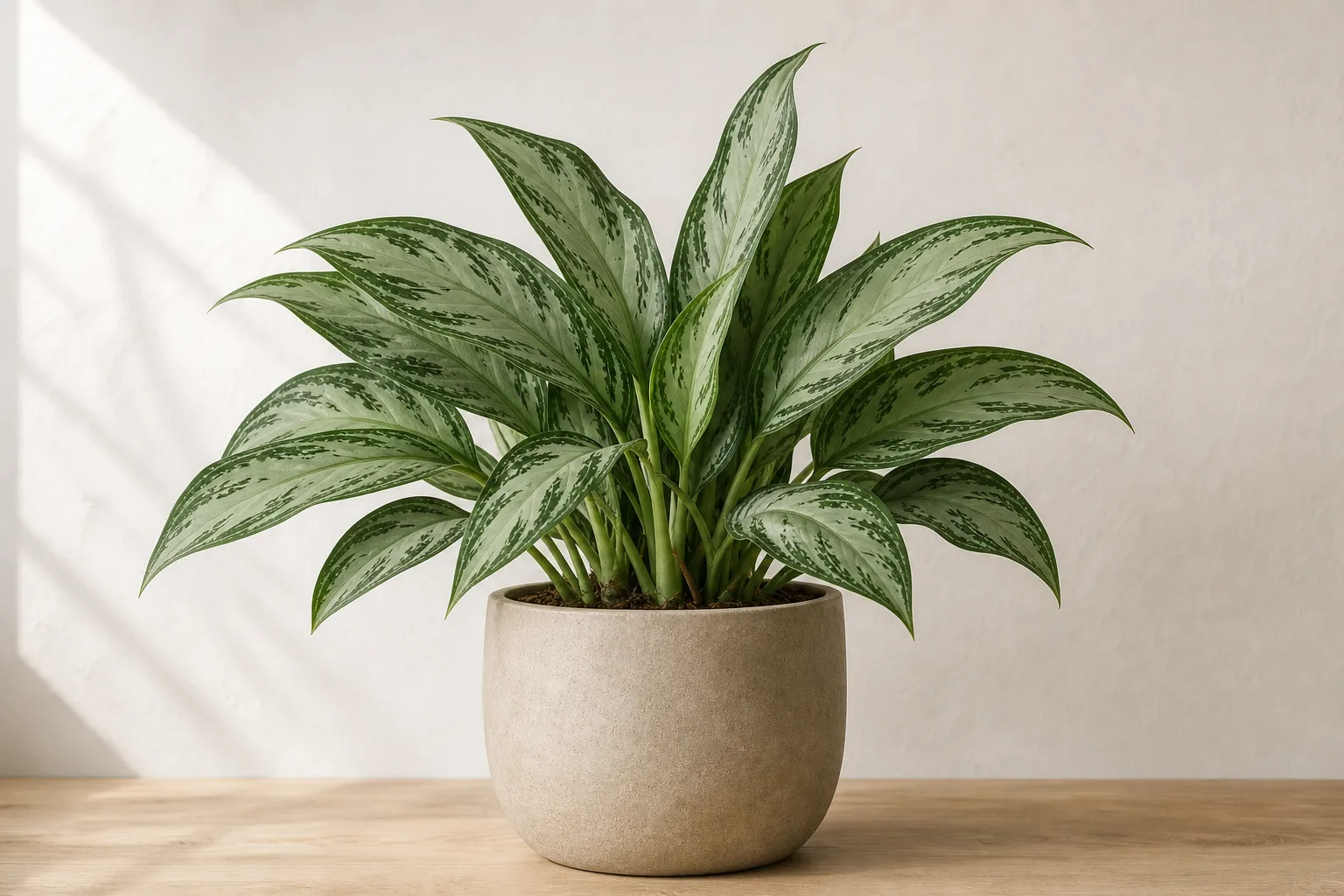
Use the age of affected leaves and interveinal pattern to form a hypothesis, then verify roots, pH, and fertilizer history before correction.