Key takeaways
- Check the root zone before watering.
- Water the whole root ball and let it drain.
- Expect intervals to change with light and season.
- Treat a reminder as a prompt to inspect, not an order to pour.
Why this care task matters
Houseplants do not use water on a fixed weekly schedule. Light, temperature, humidity, leaf area, root health, pot size, container material, and potting mix all change how quickly a root ball dries. A calendar can remind you to inspect, but the plant and root-zone moisture decide whether watering is due.
Overwatering means water is added again while roots still lack enough air; it does not mean a thorough pour was too generous. Most plants are better served by a complete watering followed by an appropriate drying interval than by frequent small sips that wet only the upper mix.
In practice, the damaged houseplants we are most often asked about arrive overwatered rather than underwatered, and the pattern is almost always the same: a set weekly ritual that does not change when light drops, heating comes on, or the plant is moved to a new room. When the owner switches from a calendar to a moisture check, new growth usually improves within two or three waterings.
Pot size changes the answer more than most people expect. A plant in a pot only slightly larger than its root ball holds water much longer, and jumping up two pot sizes at once can keep the root zone wet for weeks. If a plant consistently stays wet, check the pot and mix before blaming the watering hand.
Weight is the most reliable home test once you learn a plant's range. Lift the pot right after a thorough watering, then again when it first reaches the dryness that plant prefers. That gap becomes your reference. When the pot feels as light as the dry reference, watering is due — whatever the calendar says.
Watering method changes the outcome too. A narrow-spout can directed at the base of the stem pours slowly and predictably, while a wide jug or a fast stream can channel straight down the inside of the pot and out the hole, leaving the middle of the root ball dry. Pour slowly enough that the mix absorbs as you go, and pause for a minute on very dry peat before finishing the second pass.
New plants and freshly repotted plants need a short adjustment period. A plant that arrived in dense nursery mix often holds water longer than its new owner expects, while a plant repotted into looser mix may dry faster. Treat the first two or three waterings as a learning phase: check weight and moisture more often than usual, and write down what you find instead of guessing from the old calendar.
Learn to separate thirst from other problems. Leaves that droop while the root zone is still damp usually mean the roots cannot take up water — often because they are overwatered, damaged, or cold — and adding more water makes it worse. Drooping with a dry, light pot is genuine thirst. Identify which signal you are seeing before you pour.
Tools and materials
- Wooden skewer or clean finger
- Narrow-spout watering can
- Drainage saucer or sink
- Simple watering log
Step by step
- Identify the plant and its normal dry-down
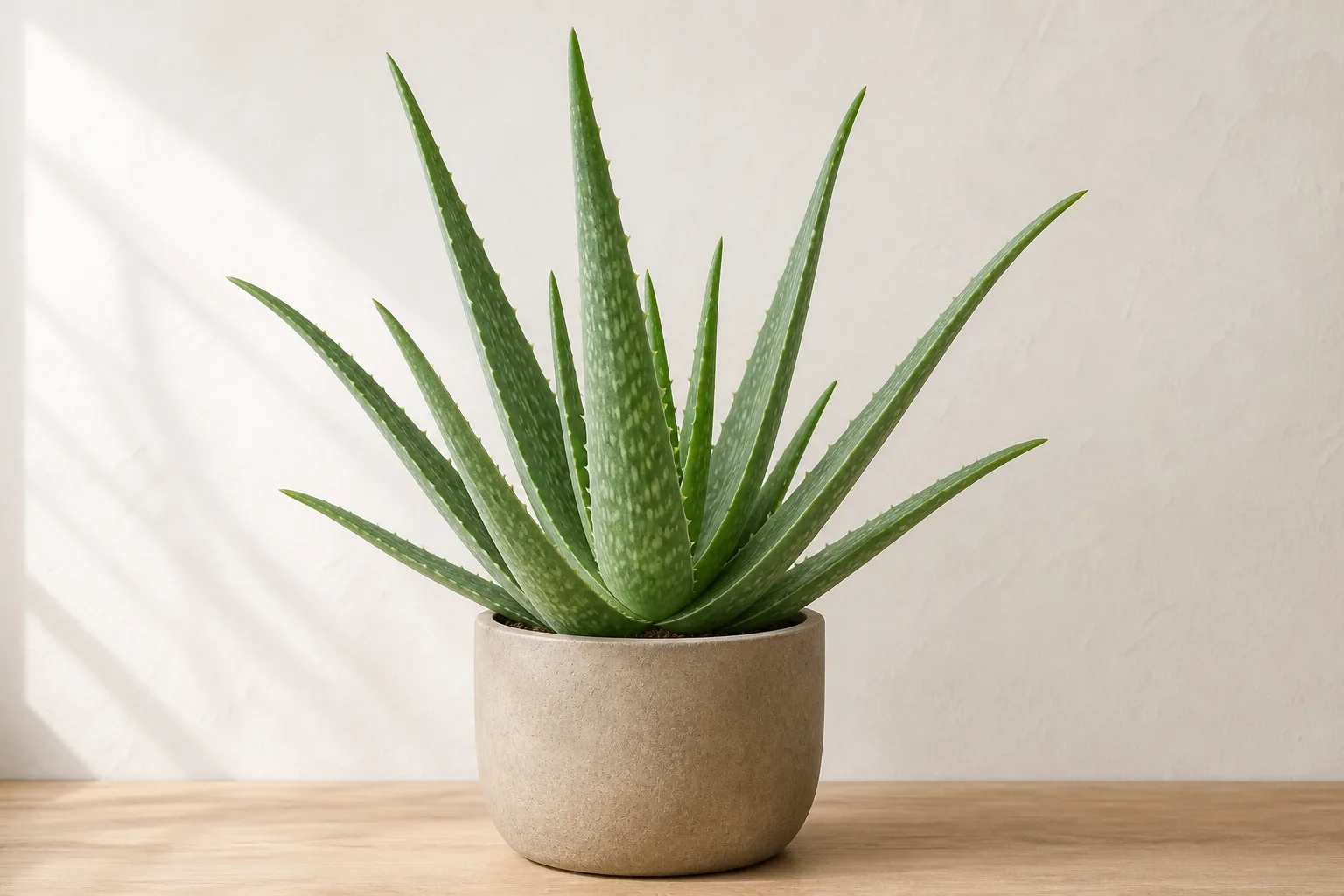
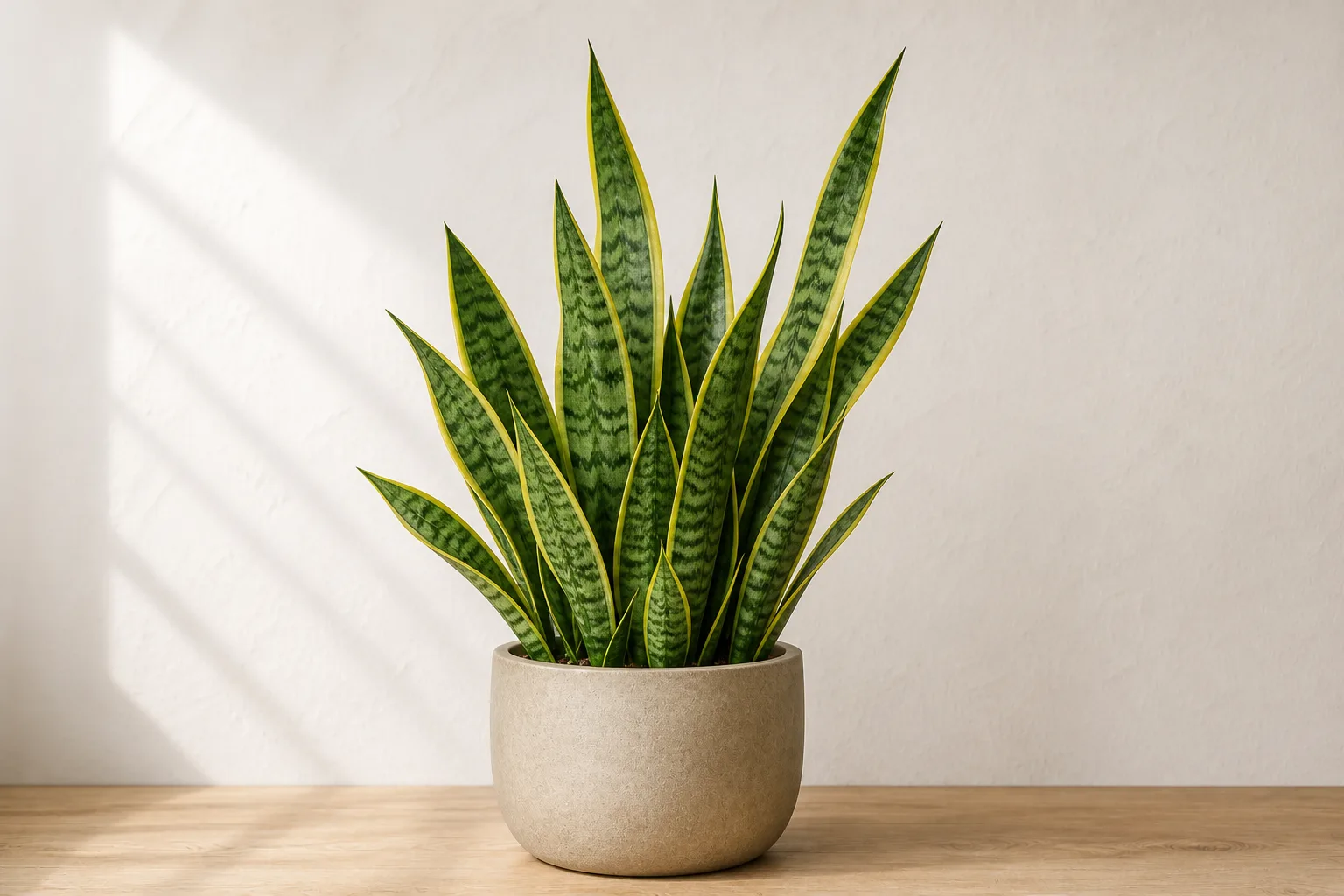
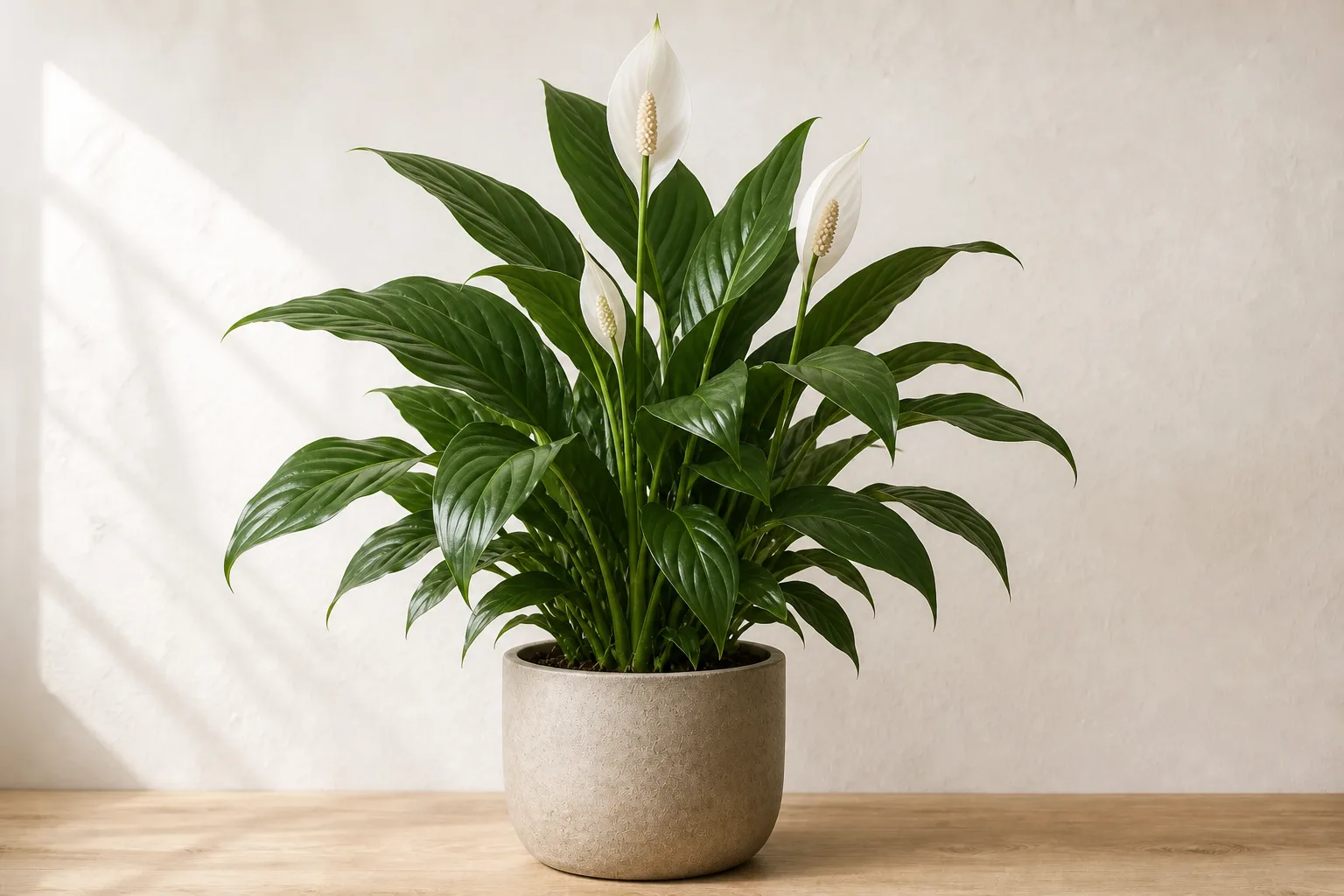
Succulents and snake plants usually need a much deeper dry-down than ferns or peace lilies. Confirm the species before deciding what dry means.
- Check below the surface
Insert a skewer or finger into the depth relevant to the plant. Also lift the pot and compare its weight with the same pot after a thorough watering.
- Water slowly and evenly
Apply room-temperature water across the mix until it exits the drainage hole. Pause briefly and make a second pass if very dry peat initially sheds water.
- Drain completely
Let runoff finish, then empty the saucer or cachepot. Do not leave roots standing in collected water unless the species is specifically adapted to it.
- Record and recheck
Note the date and moisture condition. Recheck sooner in bright heat and later in cool low light, learning the plant's range instead of forcing an interval.
Common mistakes
Inspect all plants on the same day, then water only those whose root zones have reached the appropriate dryness.
Use a complete watering in a draining pot. Control risk by waiting for the correct dry-down before watering again.
Check soil, roots, light, pests, and which leaves are affected. Yellowing also occurs when roots remain wet or damaged.
A bone-dry peat mix can shed water before it absorbs. Water in several slow passes and confirm the pot gained weight throughout, then empty the saucer.
A quick pour can run down the pot wall and out the drainage hole while the root ball stays dry. Use a slow, even pour across the surface and confirm the pot gained weight.
Season and environment
- Low-light plants grow and transpire more slowly, so their pots often remain wet longer even when the room feels warm.
- Terracotta, small pots, chunky mixes, moving air, and strong light generally speed drying; glazed pots and dense mixes slow it.
- In winter, many plants use less water, but heating can dry small pots quickly. Check rather than assuming every winter interval is longer.
- Plants in cachepots without drainage holes are the most common overwatering failure we see. Remove the plant to water, let it drain fully, then return it to the decorative pot — never let the root zone sit in the water that collects below.
When to stop or seek help
- Stop watering and inspect roots if the mix remains wet for weeks, smells sour, or the plant collapses with soft dark stems.
- Seek a local horticulture or extension diagnosis when wilting continues despite appropriate moisture or when root loss is extensive.
Frequently asked questions
Is once a week a good watering schedule?
It can be a useful inspection schedule, but not a universal watering interval. Water only when that plant's root zone reaches its appropriate level of dryness.
Should water run out of the pot?
Yes, for most conventionally potted houseplants. Runoff confirms that the root ball was wetted and helps move accumulated salts, provided the pot drains freely.
Can I use tap water?
Many plants tolerate tap water. Sensitive species may react to high dissolved minerals or specific treatments, so check local water quality and species guidance if tips repeatedly brown.
What time of day should I water?
Morning is convenient because spills and wet foliage can dry during the day, but correct moisture and drainage matter more indoors than an exact hour.
How can I tell if I have overwatered?
Gently check the roots: dark, mushy, or foul-smelling roots with wet mix point to overwatering. Stop watering, improve drainage, and repot with airy mix when root loss is significant.
Should I water houseplants less in winter?
Usually yes, because shorter days and slower growth reduce water use — but heating can dry small pots quickly. Test the root zone rather than assuming every winter interval is longer.
Should I use room-temperature water?
Room-temperature water is gentler on sensitive roots than very cold water straight from the tap, especially in winter. More important is that the root zone reaches the right dryness before you water at all.
Sources and further reading
- Caring for HouseplantsUniversity of Georgia Extension. Practical light, watering, humidity, fertilizer-salt leaching, and everyday care guidance.
- Houseplant Diseases & DisordersClemson Cooperative Extension. Cultural disorders linked to watering, salts, drainage, temperature, and root health.
- HouseplantsRoyal Horticultural Society. General indoor guidance covering watering, feeding, humidity, repotting, and soil mixes.
Houseplant care varies with light, pot size, climate, and season. Use this guide as a starting point and adjust to what your plant and home show you; when a problem is severe or hard to identify, consult a qualified horticulturist or your local extension service.