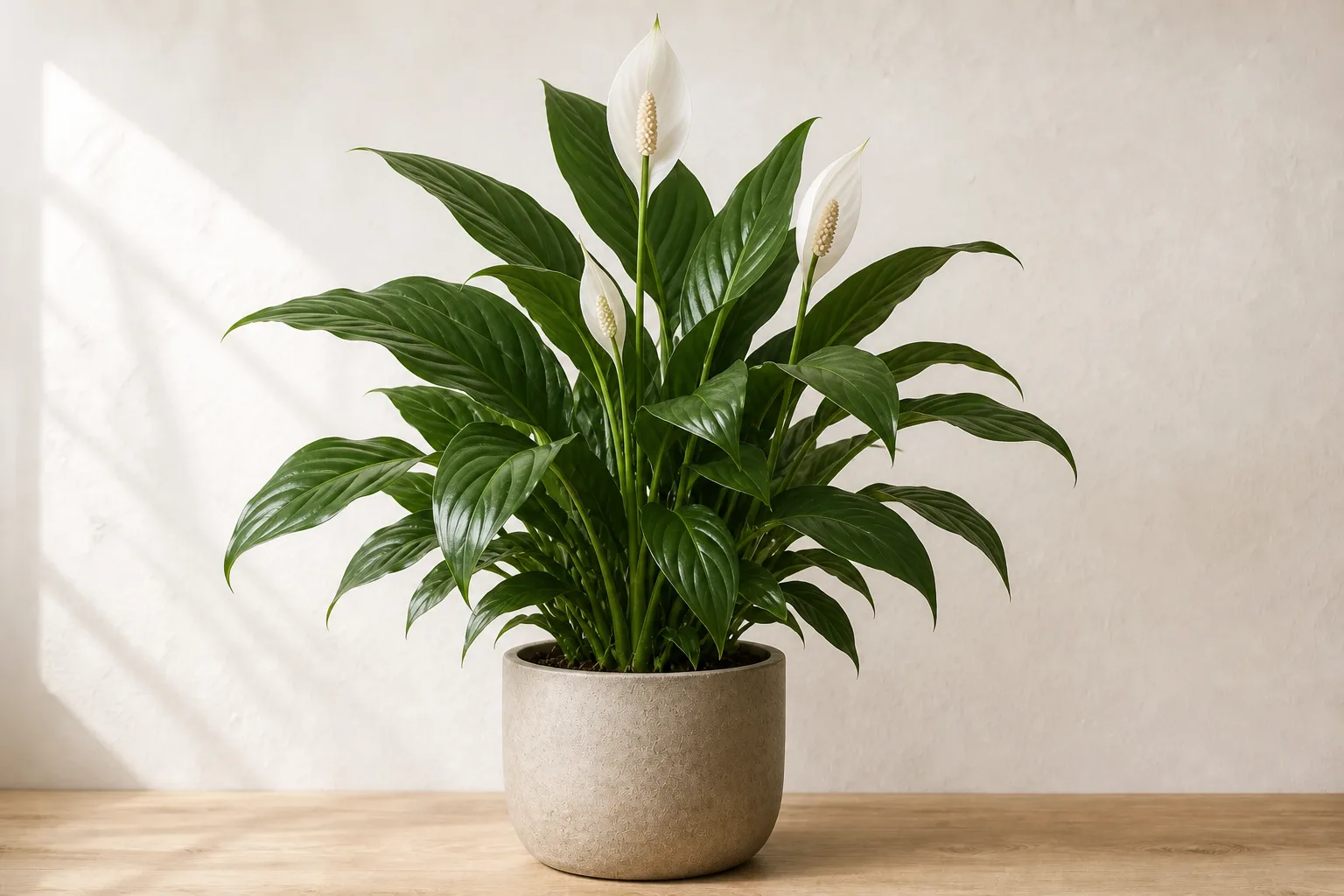
How Often Should You Water Houseplants?
Replace the weekly watering rule with a repeatable moisture check that accounts for the plant, pot, light, and season.
Clear, carefully sourced routines for the decisions that keep indoor plants healthy, from watering and light to repotting and time away.
Replace the weekly watering rule with a repeatable moisture check that accounts for the plant, pot, light, and season.
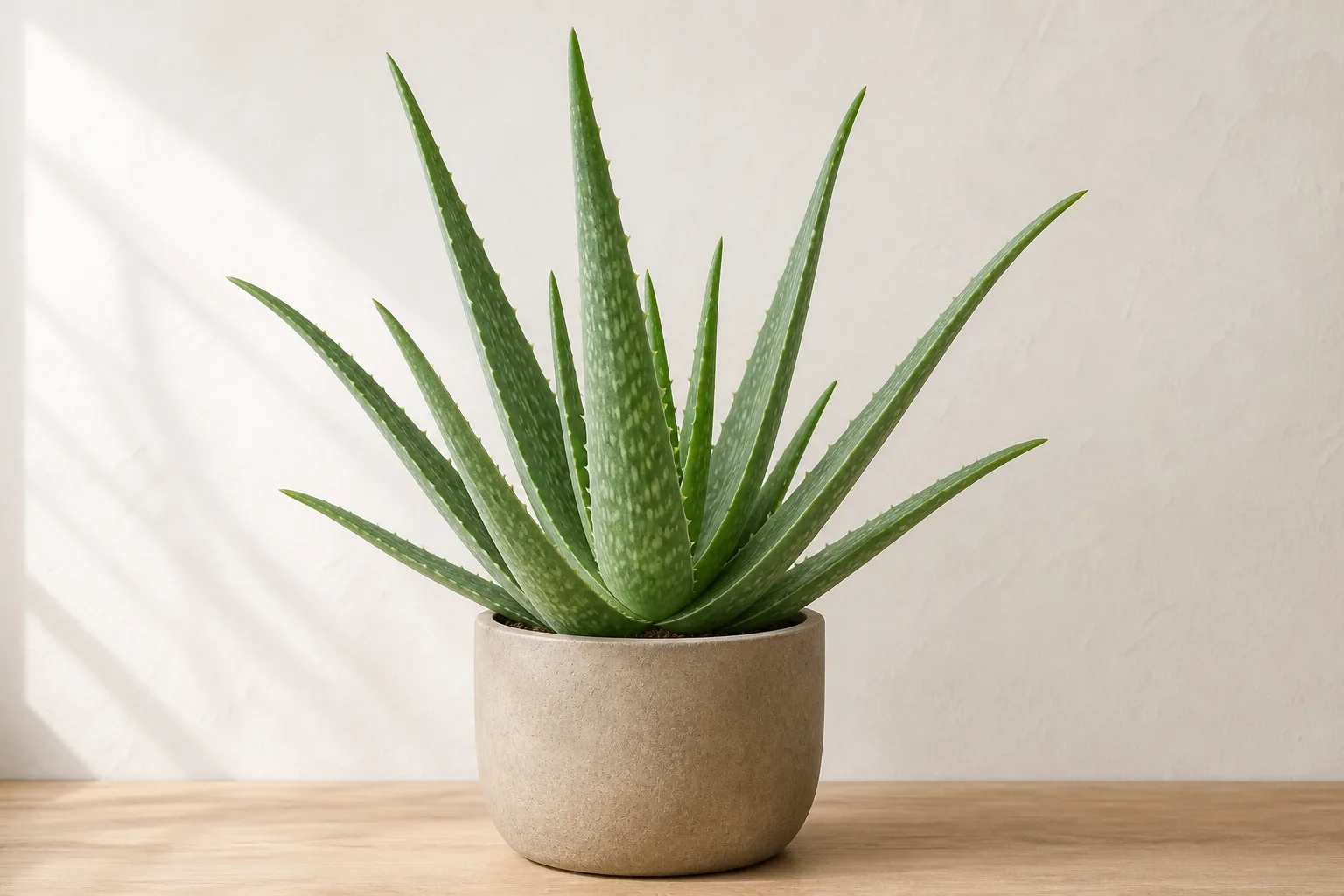
Learn a soak-and-dry method that adapts to species, light, potting mix, container size, and seasonal growth.
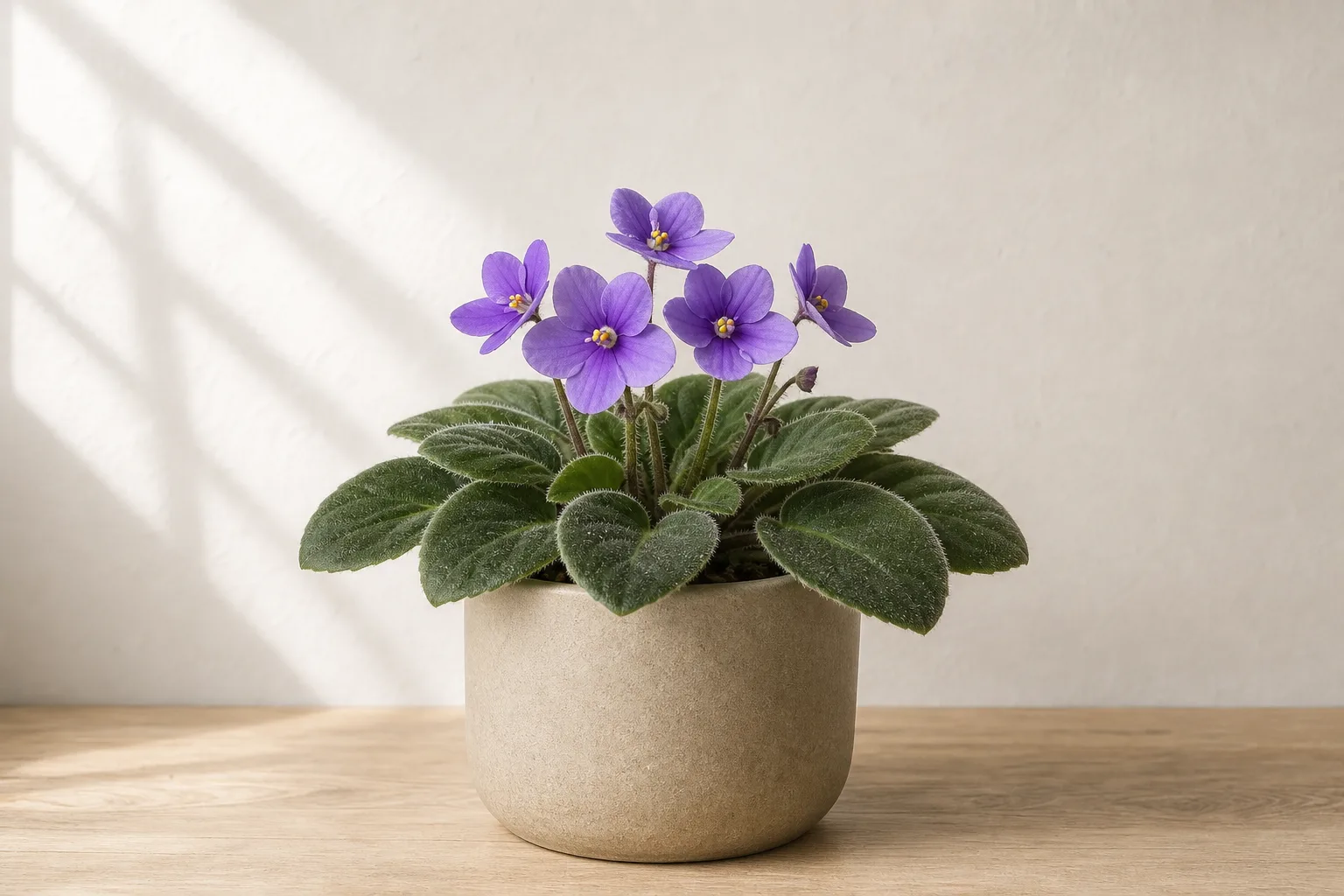
Compare two useful techniques, understand their limits, and choose the method that wets the whole root ball without leaving salts or standing water.
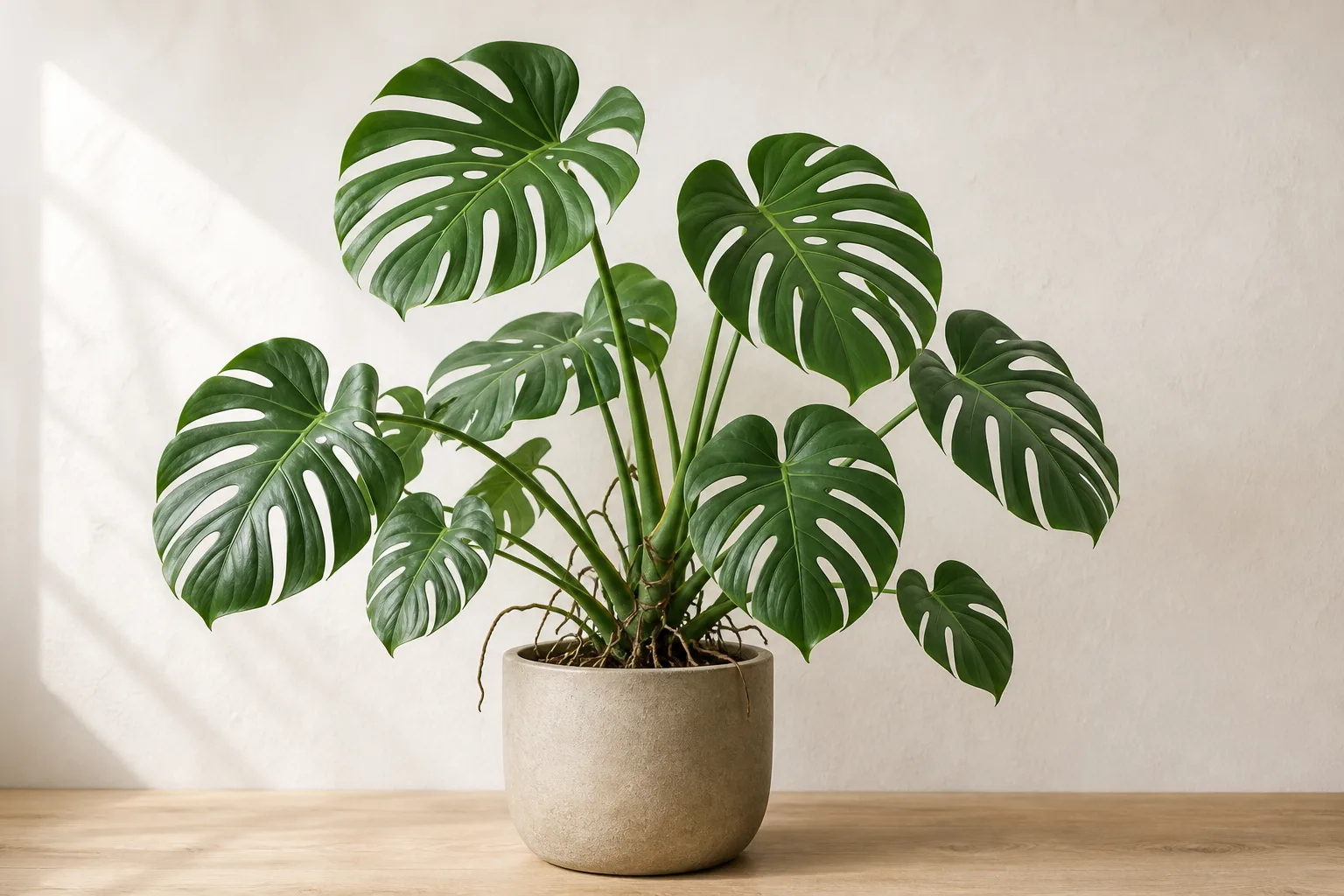
Measure useful light, interpret window direction, and recognize when a plant needs protection, relocation, or supplemental lighting.
Choose a useful fixture, set safe distance and duration, and adjust from plant response instead of marketing wattage alone.
Match moisture retention, air space, particle size, and container conditions to the roots instead of trusting one universal mix.
Diagnose slow drainage, correct the container and mix, and stop relying on gravel layers that leave roots wet.
Feed active growth with a measured product and stop treating fertilizer as a cure for low light, damaged roots, or seasonal slowdown.
Recognize mineral buildup, leach a draining root ball safely, and know when fresh mix is a better correction than more water.
Separate genuine root congestion from watering, light, and media problems before moving a plant into a larger container.
Release circling roots, choose the correct pot, and stabilize the plant without tearing away the root system it needs to recover.
Make clean, purposeful cuts for damaged growth, size control, or branching while respecting the plant's growth points.
Remove debris, disinfect correctly between plants, and protect sharp blades so sanitation supports clean cuts instead of damaging tools.
Measure the air, use an effective humidifier or enclosure, and protect windows, walls, and people from excess household moisture.
Find hidden hot and cold zones, move plants gradually, and separate temperature injury from watering or humidity problems.
Adapt to shorter days and heating season without forcing growth or keeping slow roots wet.
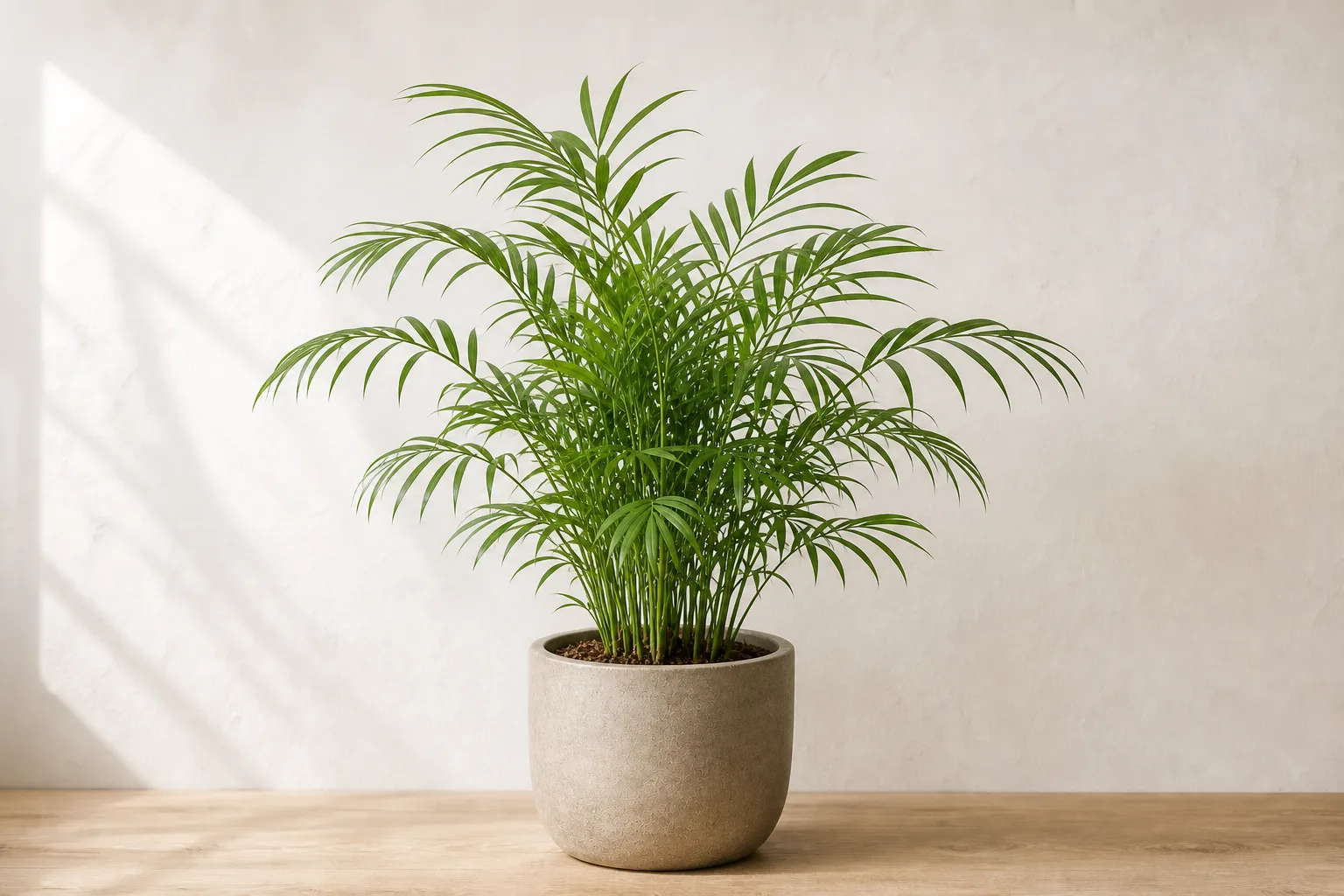
Prepare indoor plants for brighter windows, faster drying, air conditioning, and a gradual move outdoors when conditions are safe.
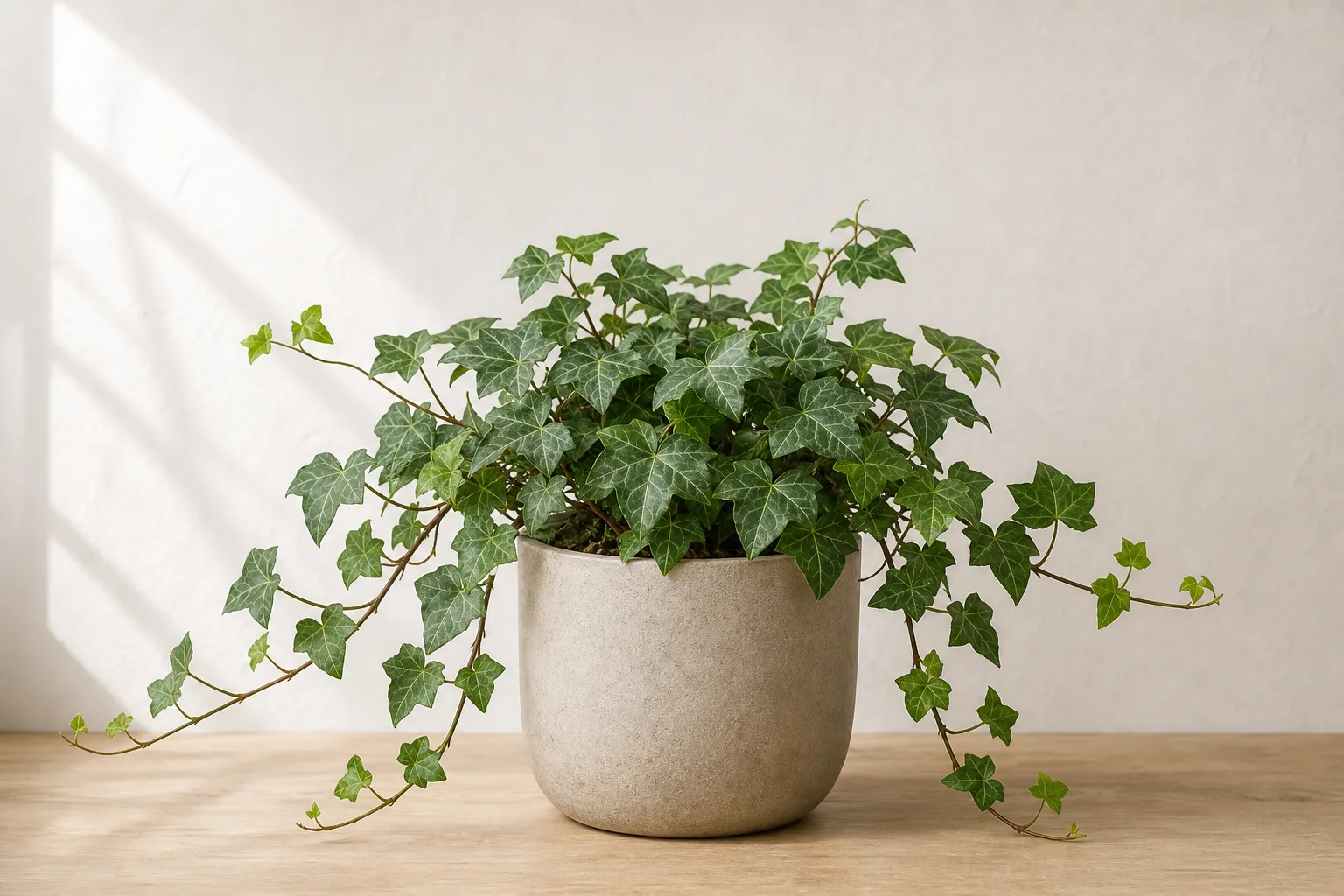
Use longer days as a cue to clean, reassess light, resume feeding, and repot — gradually, not all at once.
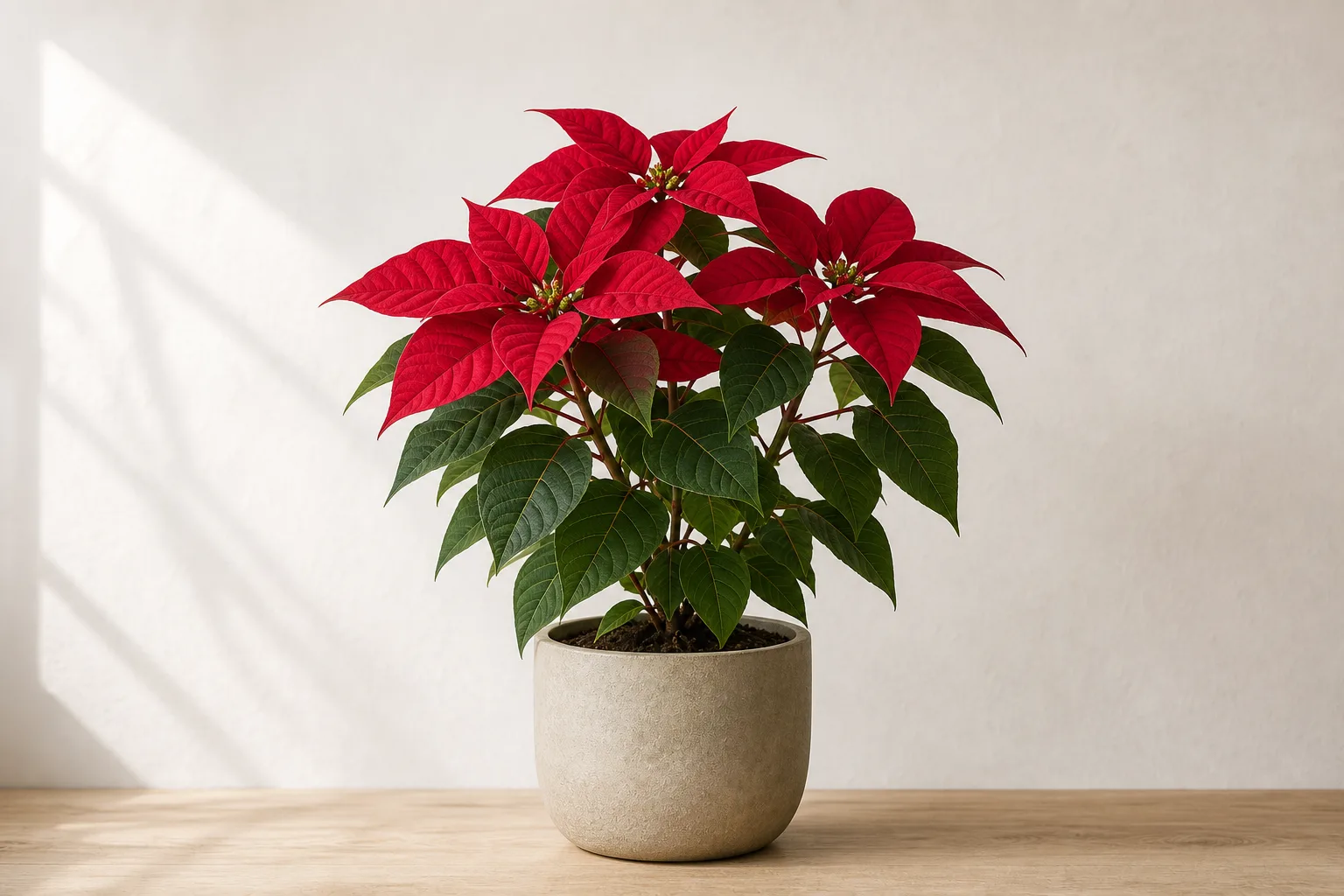
As light fades and heating season begins, slow down feeding, watch watering, and bring outdoor plants back inside cleanly.
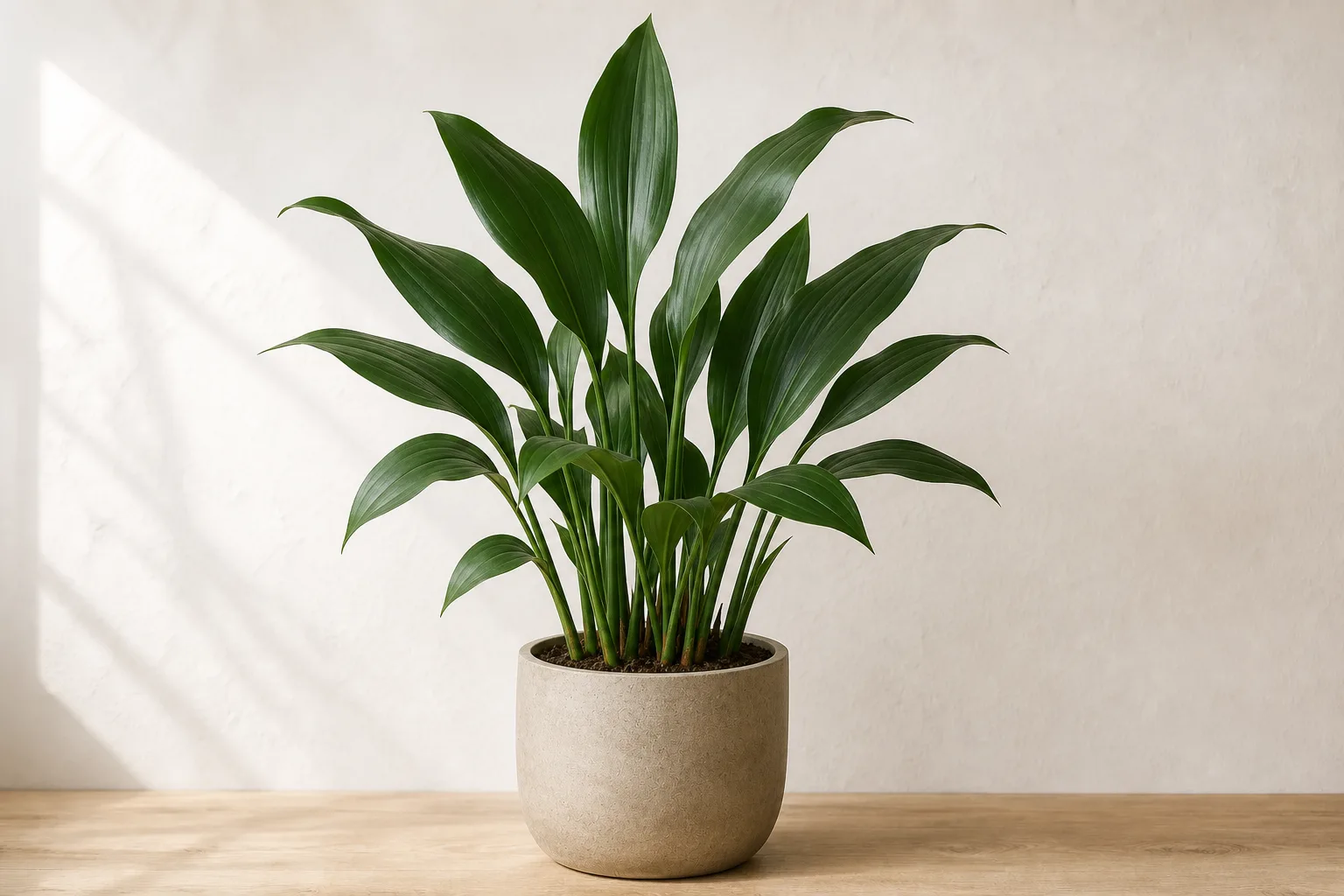
Match the cleaning method to smooth, fuzzy, waxy, or delicate foliage while using the task to inspect for pests and stress.
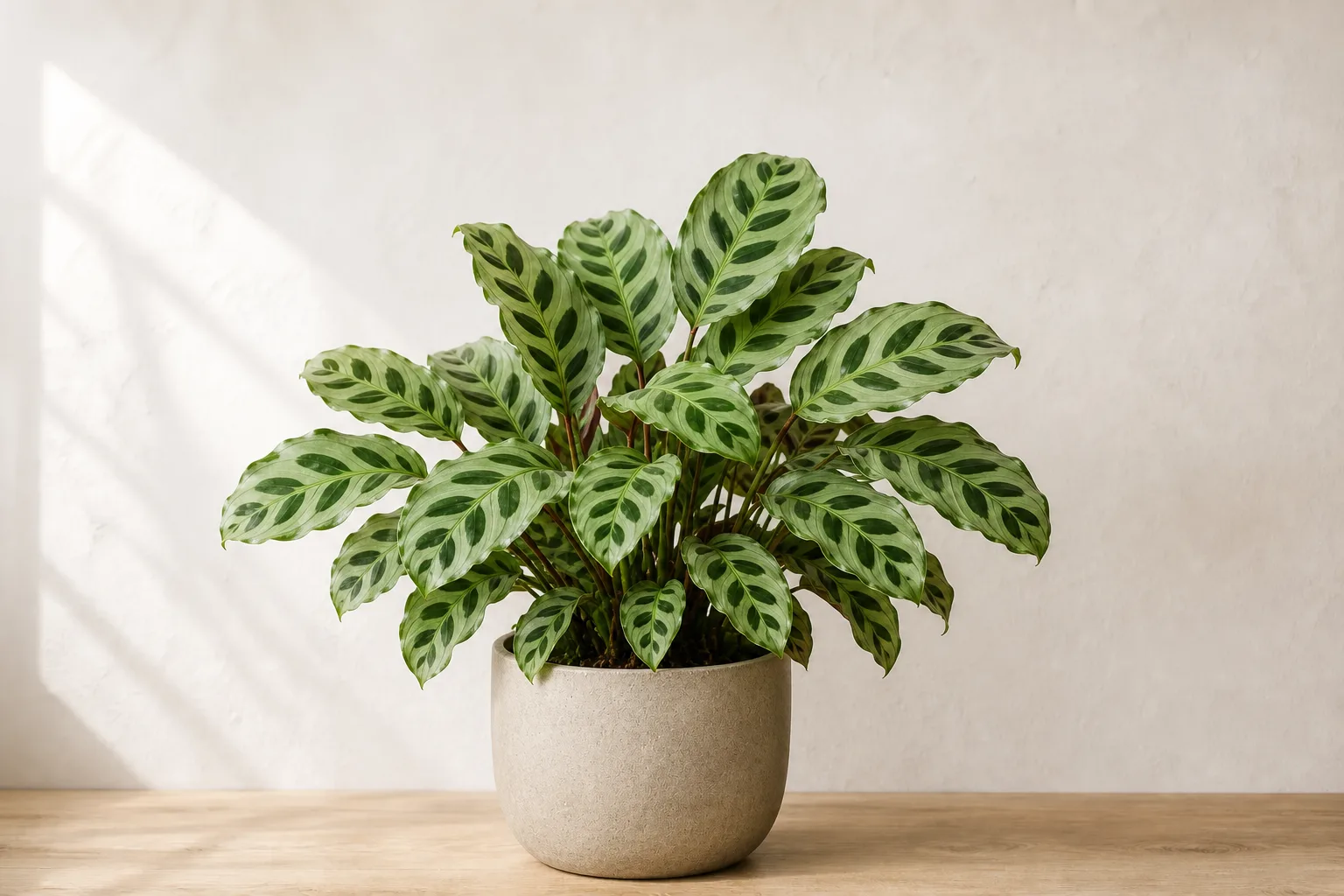
Rinse sturdy plants without flooding their roots, damaging delicate foliage, or sending pests and potting mix through the bathroom.
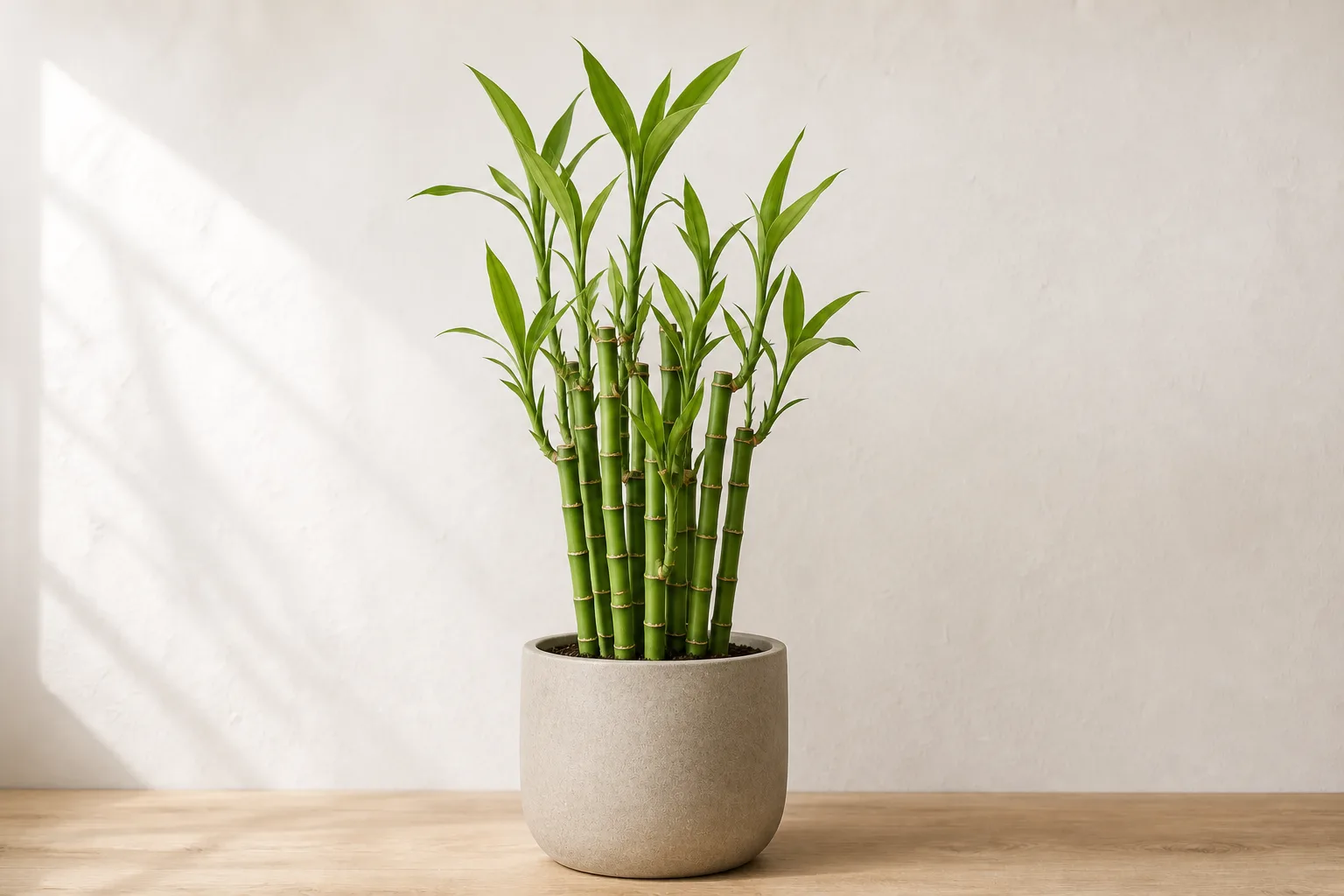
Triage the collection, test a care plan in advance, and leave clear instructions that prevent both drought and enthusiastic overwatering.
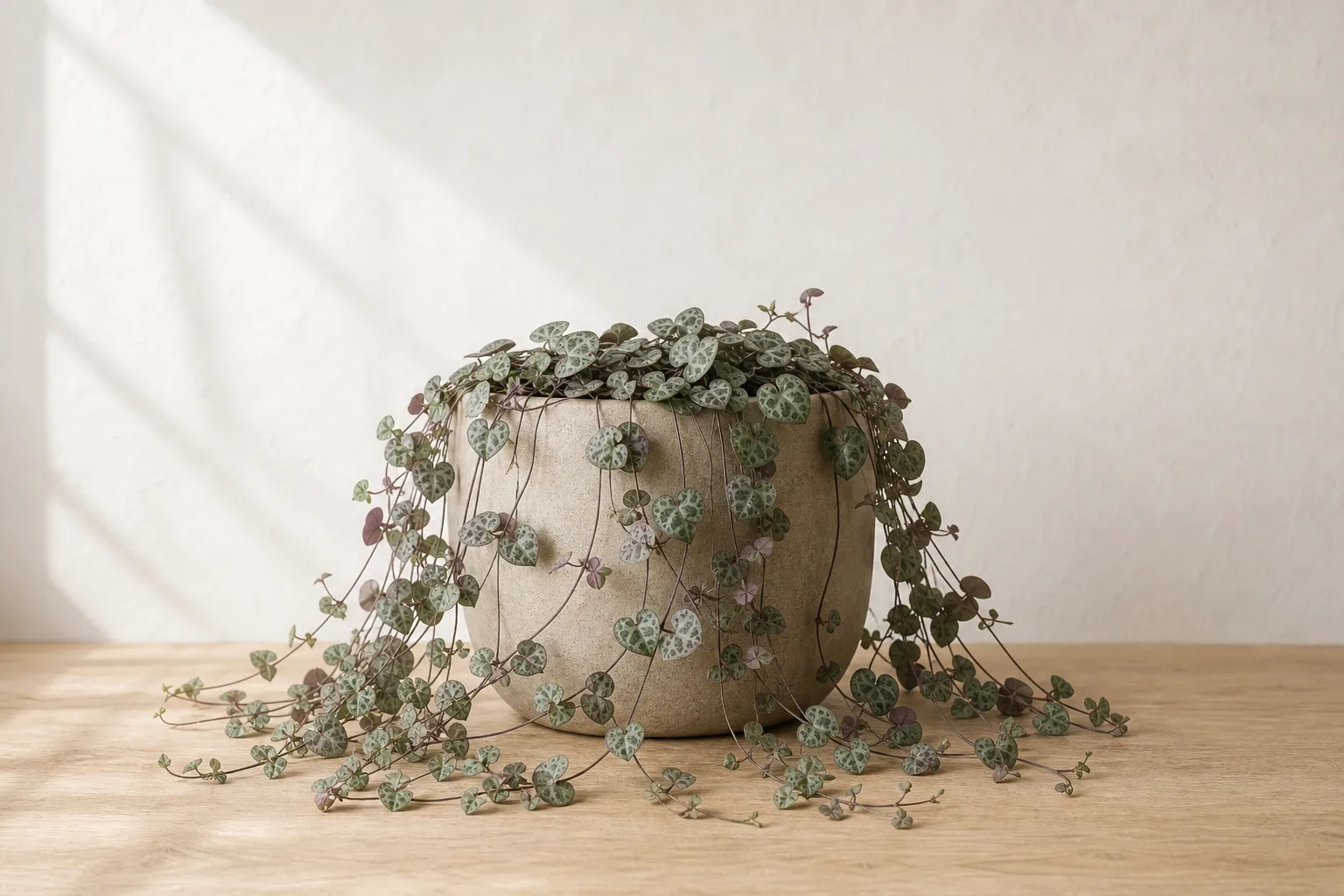
Choose a method that matches the pot and plant, measure its delivery rate, and prevent the leaks and saturated roots that untested systems cause.