Key takeaways
- Observe hours and intensity, not just window direction.
- Light drops quickly with distance and obstruction.
- Low-light tolerance usually means slower growth.
- Acclimate plants gradually to stronger direct sun.
Why this care task matters
Light supplies the energy plants use to build carbohydrates. Too little produces weak stretched stems, wide gaps between leaves, pale growth, loss of variegation, leaf drop, and poor flowering. Excess direct light can bleach or scorch tissue that developed in shade.
Human vision adapts to dim rooms, so a corner that feels bright can provide little energy for a plant. Window direction is a clue, not a measurement: trees, neighboring buildings, screens, roof overhangs, curtains, latitude, and season change the result.
The quickest practical test is your own hand. Hold it about 30 centimetres above the leaves on a clear day: a sharp, well-defined shadow means strong light, a soft faint shadow means medium light, and no shadow at all means the spot is too dim for most plants. Repeating this in different corners builds a reliable light map of your home.
In practice, most 'low light' damage is actually no usable light. A plant placed more than two metres from a window, or on a shelf across the room, can survive for months and then fail when the season changes. Moving it closer, or adding a grow light, usually produces visibly stronger new growth within a few weeks.
Distance matters more than direction. Two feet back from a window can be dramatically dimmer than at the sill, and sheer curtains cut more energy than they appear to. When a plant turns leggy, check the distance before buying another plant for that spot.
Put real numbers on your windows. As a rough indoor reference, a bright spot within one to two feet of a south or west window can exceed 1,000 foot-candles on a clear day; two to three feet back it may fall to a few hundred; several feet into the room it can drop below 100, which is too dim for sustained growth for most plants. A phone lux-meter app, held at leaf level, turns guesswork into a useful reading you can compare across rooms.
Light never acts alone. A bright, hot window with dry air stresses a plant differently than the same light with high humidity, and a cool, dim corner slows water use even when the pot looks thirsty. When you move a plant to change its light, expect its watering and humidity needs to change with it — reassess the whole environment, not just the window.
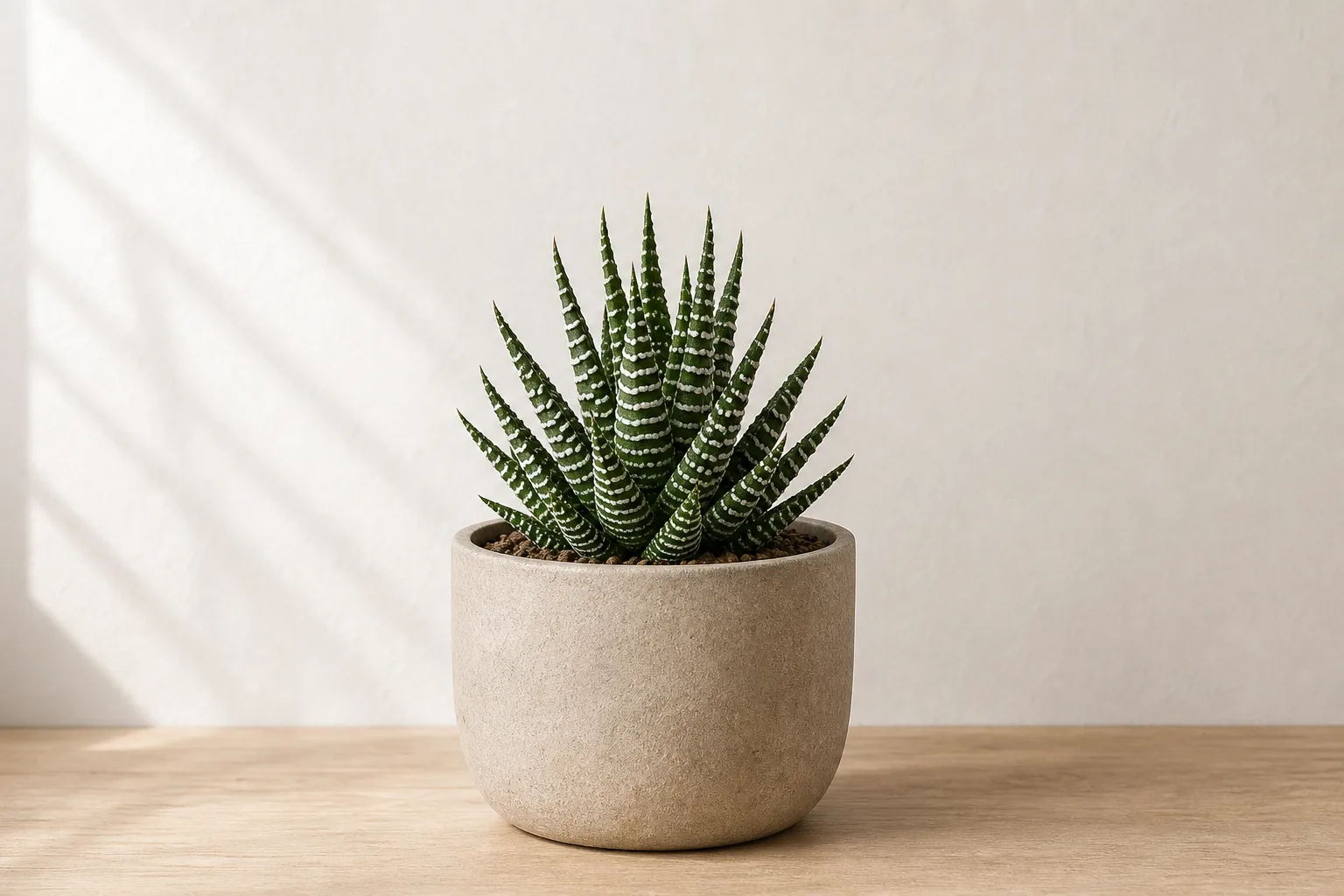
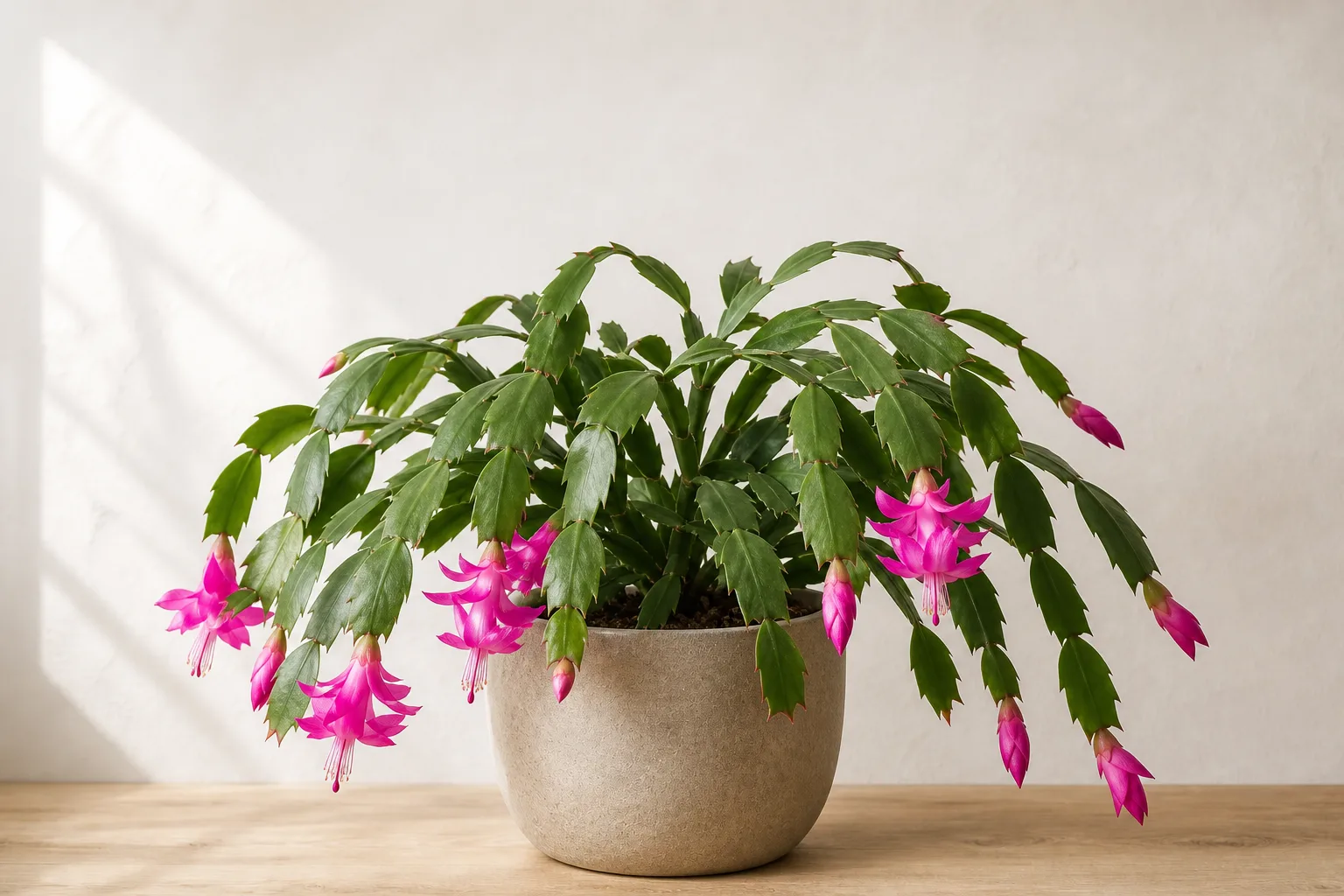
Different plant groups set different minimums. Most foliage houseplants grow acceptably in medium-bright positions; variegated plants, flowering plants, succulents, and anything you grow for food generally need the brightest safe spot you have. A plant marketed for 'low light' tolerates dim conditions by growing slowly — it does not thrive on darkness, and it will not flower or push strong new growth without more.
Watch how new growth tells you about light. Stems that stretch toward the window, leaves that come out smaller or farther apart than older ones, and color that fades are the plant's own reading of the spot. These signs usually appear within a few weeks of a change, which makes them the fastest feedback loop you have.
Sun through glass is not the same as sun outdoors. A windowsill in summer can concentrate heat and light onto foliage, bleaching leaves that grew in a dimmer room even when the 'same' window worked in winter. Reassess the spot when the season changes, and be ready to pull plants back from intense glass.
Match the plant to the position as a last resort. When a room genuinely offers only low light, the honest fix is choosing plants that tolerate it — not rotating a sun-lover in and out of a dim corner and waiting for it to fail.
Tools and materials
- Phone compass
- Notebook or light map
- Optional calibrated light meter
- Sheer curtain for acclimation
Step by step
- Map direct sun
Record when sun first and last touches the proposed location on a clear day. Repeat in another season because angles and tree cover change.
- Record obstructions and distance
Note exterior shade, glazing, curtains, and feet from the window. Moving several feet back can reduce useful light substantially.
- Match the plant
Compare the observed location with species guidance. Solid-green understory plants tolerate less than many flowering, variegated, succulent, or food plants.
- Move gradually
Increase exposure over one to two weeks. Begin with gentler morning sun or filtered light and watch new and upper leaves for pale patches.
- Reassess growth
Look for compact new growth, stable color, and normal water use over several weeks. Old stretched stems will not shorten, so judge the new growth.
Common mistakes
Low light still means usable light. Add an appropriately placed grow light when daylight is not sufficient.
Acclimate gradually so leaves can develop protective responses instead of scorching.
Consider internode length, leaf size, direction of growth, flowering, water use, and the species' natural form.
Human eyes adapt to dim rooms. Use a shadow test or a lux-meter app at leaf level, and compare readings across spots before you commit a plant.
Season and environment
- In the Northern Hemisphere, south and west windows are often stronger, east windows gentler, and north windows dimmer, but obstructions can reverse this ranking.
- Winter daylight is shorter and the sun angle changes; some plants need a closer position or supplemental light while using water more slowly.
- Outdoor shade is usually much brighter than indoor shade, so even a bright-window plant needs gradual acclimation before a summer move outside.
- Plants on a windowsill in summer can receive scorching direct sun through glass, which concentrates heat on the foliage. A sheer curtain or a few feet of distance usually prevents leaf bleaching while keeping the light strong.
When to stop or seek help
- Move the plant out of direct exposure if multiple leaves bleach rapidly or tissue becomes hot and papery.
- Use a grow light or choose a better-matched plant when new growth remains weak after optimizing the brightest safe natural position.
Frequently asked questions
What does bright indirect light mean?
It usually describes a bright position near a window where prolonged intense rays do not strike the leaves. Exact distance varies with window and obstruction.
Can a plant survive with room lights?
Ordinary fixtures are often too dim or distant. A suitable grow light can work when intensity, spectrum, distance, and daily duration meet plant needs.
Do plants need darkness?
Yes. Many physiological processes and flowering responses rely on a regular dark period. Do not run grow lights continuously.
Why is my variegated plant turning greener?
Insufficient light can favor greener tissue with more chlorophyll. Genetics and normal reversion also matter, so improve light gradually and monitor new growth.
Can I keep a plant in a bathroom with no window?
Only with a suitable grow light. Occasional light from an open door or a skylight reflection is not enough for sustained healthy growth.
How do I know a spot is bright enough without buying a meter?
Use the hand-shadow test on a clear day: a sharp shadow at leaf level means strong light, a faint one means medium, and no shadow means too dim for most plants. A free lux-meter app can confirm the reading if you want a number to compare across rooms.
Sources and further reading
- Lighting for indoor plants and starting seedsUniversity of Minnesota Extension. Light levels, signs of unsuitable light, grow-light types, distance, and photoperiod.
- Leaf damage on houseplantsRoyal Horticultural Society. Distinguishing natural aging, water stress, light injury, temperature fluctuation, and root problems.
- HouseplantsRoyal Horticultural Society. General indoor guidance covering watering, feeding, humidity, repotting, and soil mixes.
Houseplant care varies with light, pot size, climate, and season. Use this guide as a starting point and adjust to what your plant and home show you; when a problem is severe or hard to identify, consult a qualified horticulturist or your local extension service.