 intermediate
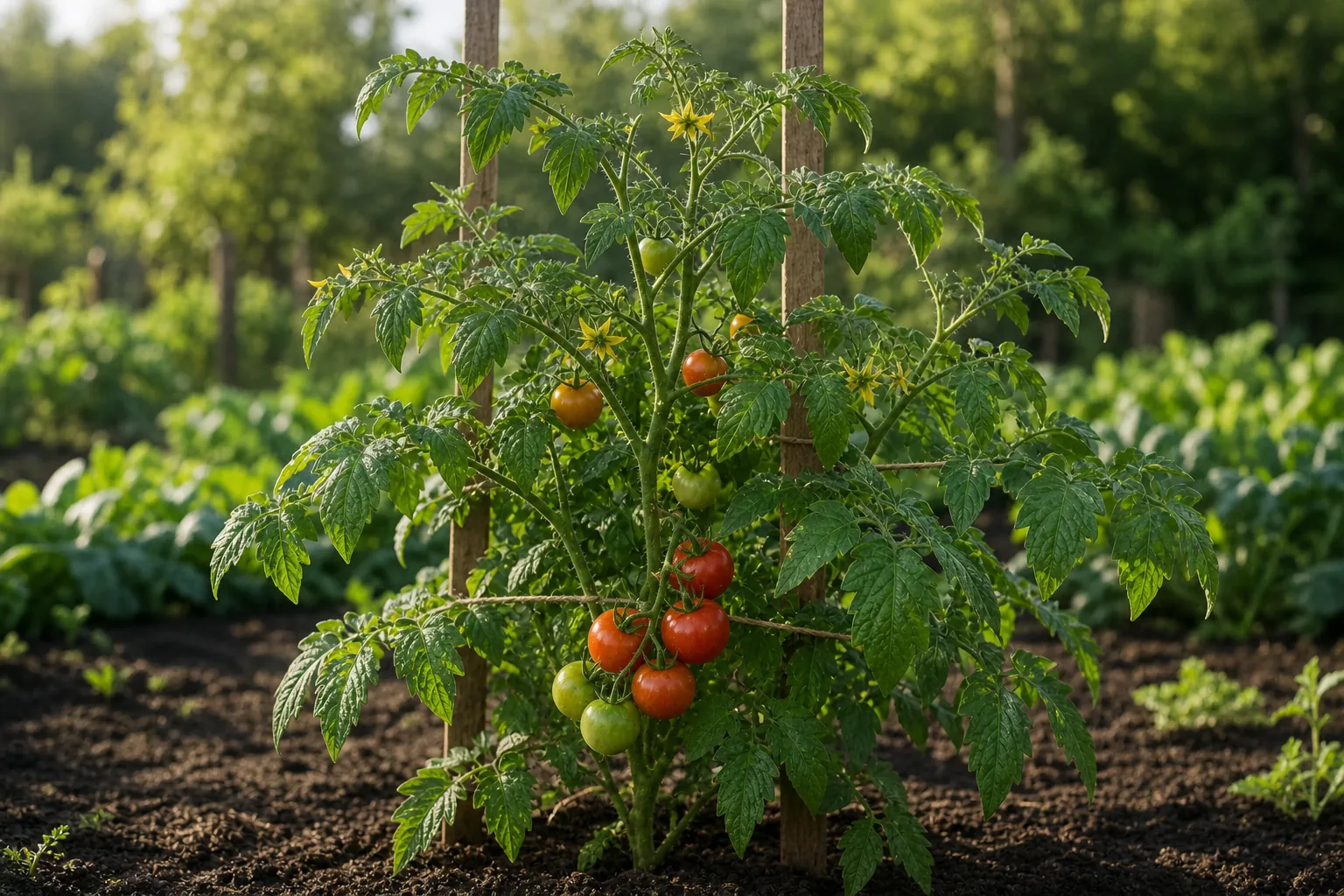
Tomato
Solanum lycopersicum
A frost-tender edible crop whose yellow flowers develop into fruit on bush or vining plants.
Plan crops around daily sun, available depth, and the time you can give to watering and harvesting.
This collection is the permanent home for practical vegetables profiles, planning guides, seasonal care, and problem-solving content.
Sun and soil do most of the work in a vegetable garden. Aim for six to eight hours of direct light, build beds with finished compost, and group crops by water need so irrigation stays simple. Small, well-tended beds outproduce large neglected ones—start with a handful of crops your household actually eats.
Timing beats effort for most vegetables. Cool-season crops like leafy greens bolt in heat, while tomatoes and peppers stall in cold soil; sowing within the right window for your frost dates prevents most disappointments. Keep notes each season—what was sown when, and how it performed—and your second year will be easier than your first.
21 plants
intermediateSolanum lycopersicum
A frost-tender edible crop whose yellow flowers develop into fruit on bush or vining plants.
 Pet-friendlier
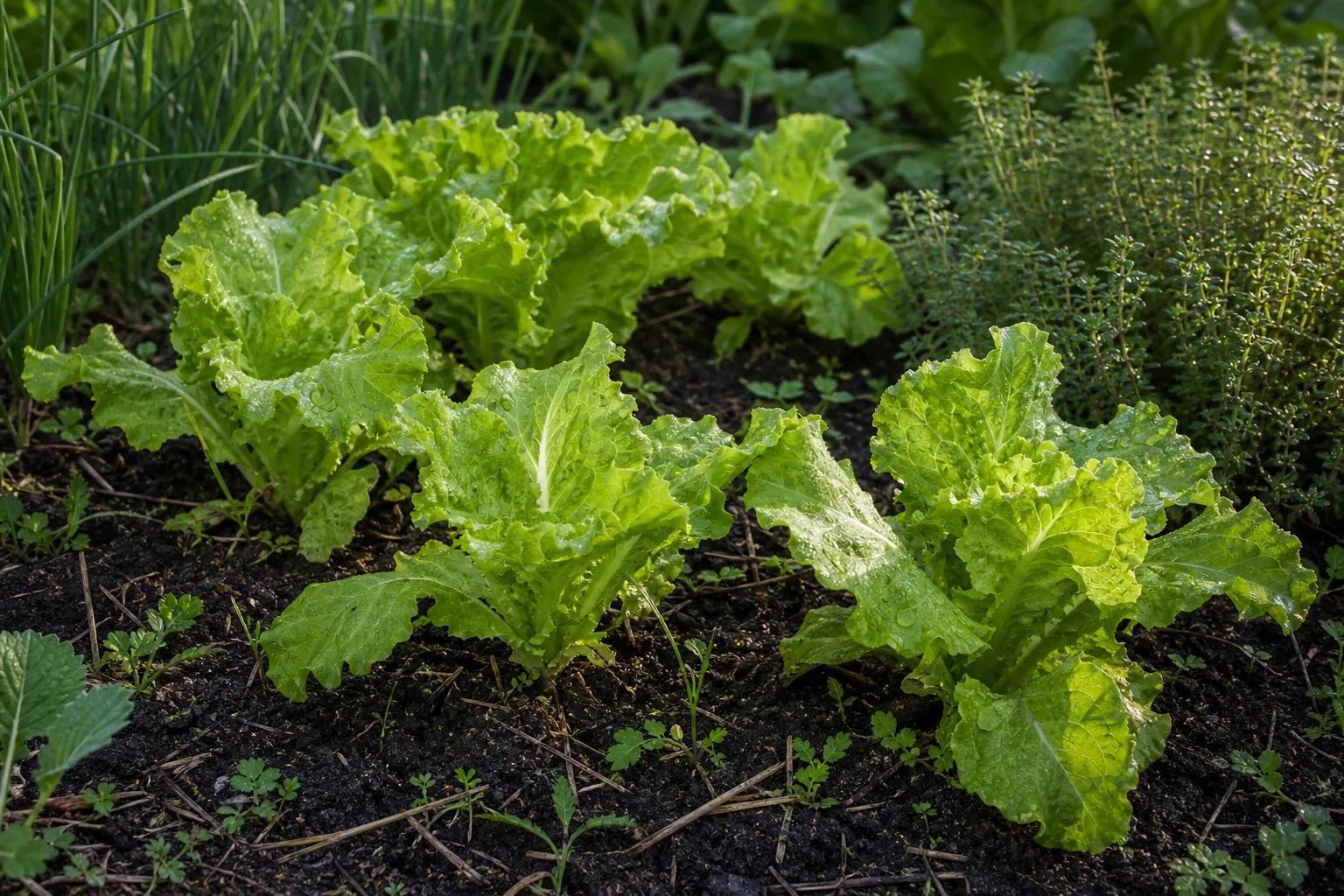
Lactuca sativa
Leaf lettuce (Lactuca sativa) is a fast-growing, cool-season annual in the aster family grown for its tender, harvest-ready outer leaves rather than a single head. A domesticated form of the wild prickly lettuce, it is the easiest salad green to grow in beds, containers, and even window boxes, and it can be cut repeatedly for weeks when picked from the outside in.
 Pet-friendlier
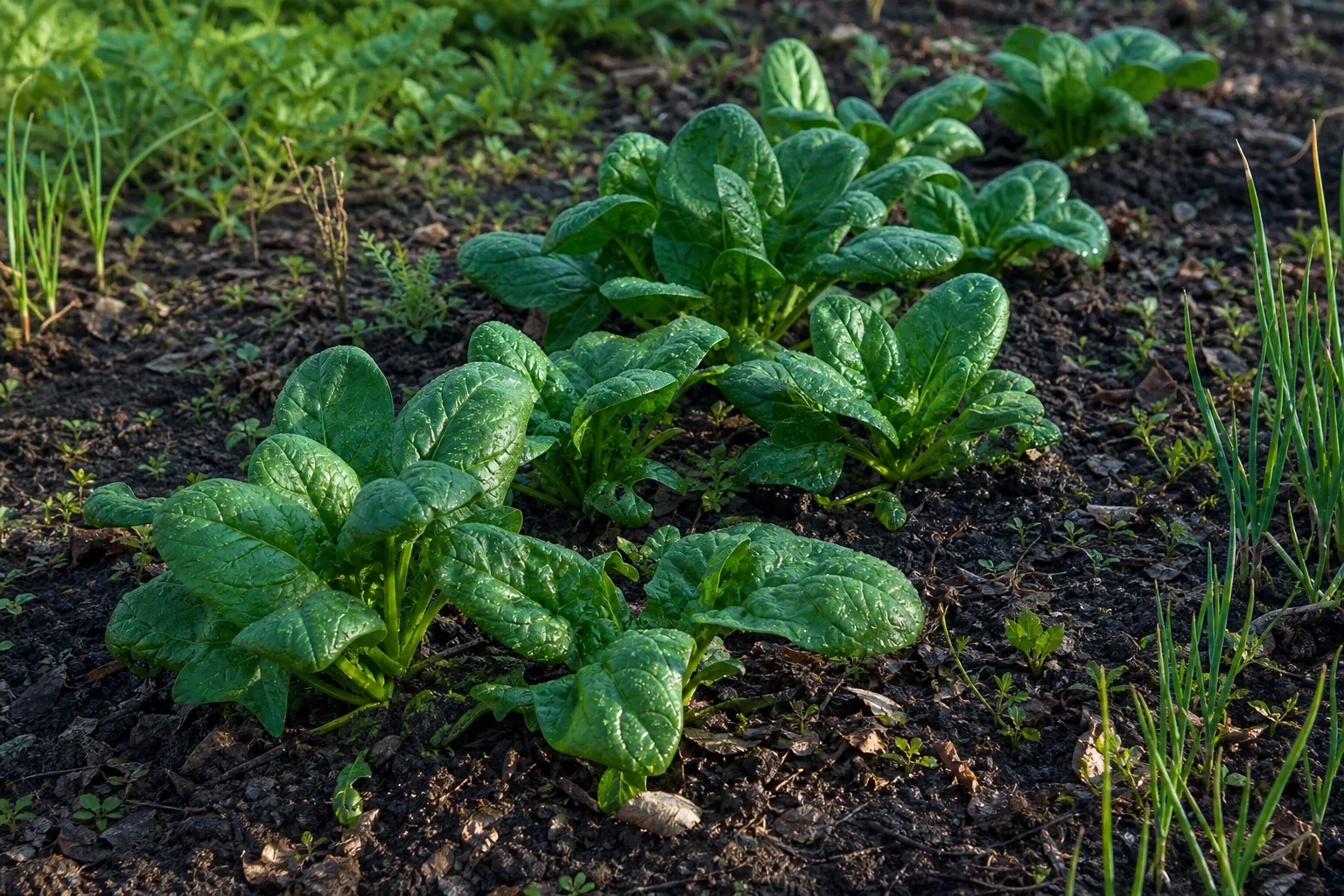
Spinacia oleracea
Spinach (Spinacia oleracea) is a cool-season annual leafy green in the amaranth family, grown for its nutrient-dense, crinkled or smooth leaves. Native to central and western Asia, it is one of the mostcold-hardy salad crops, thriving in the short, cool days of spring and fall and tolerating light frosts that actually sweeten the leaves.
 Pet-friendlier
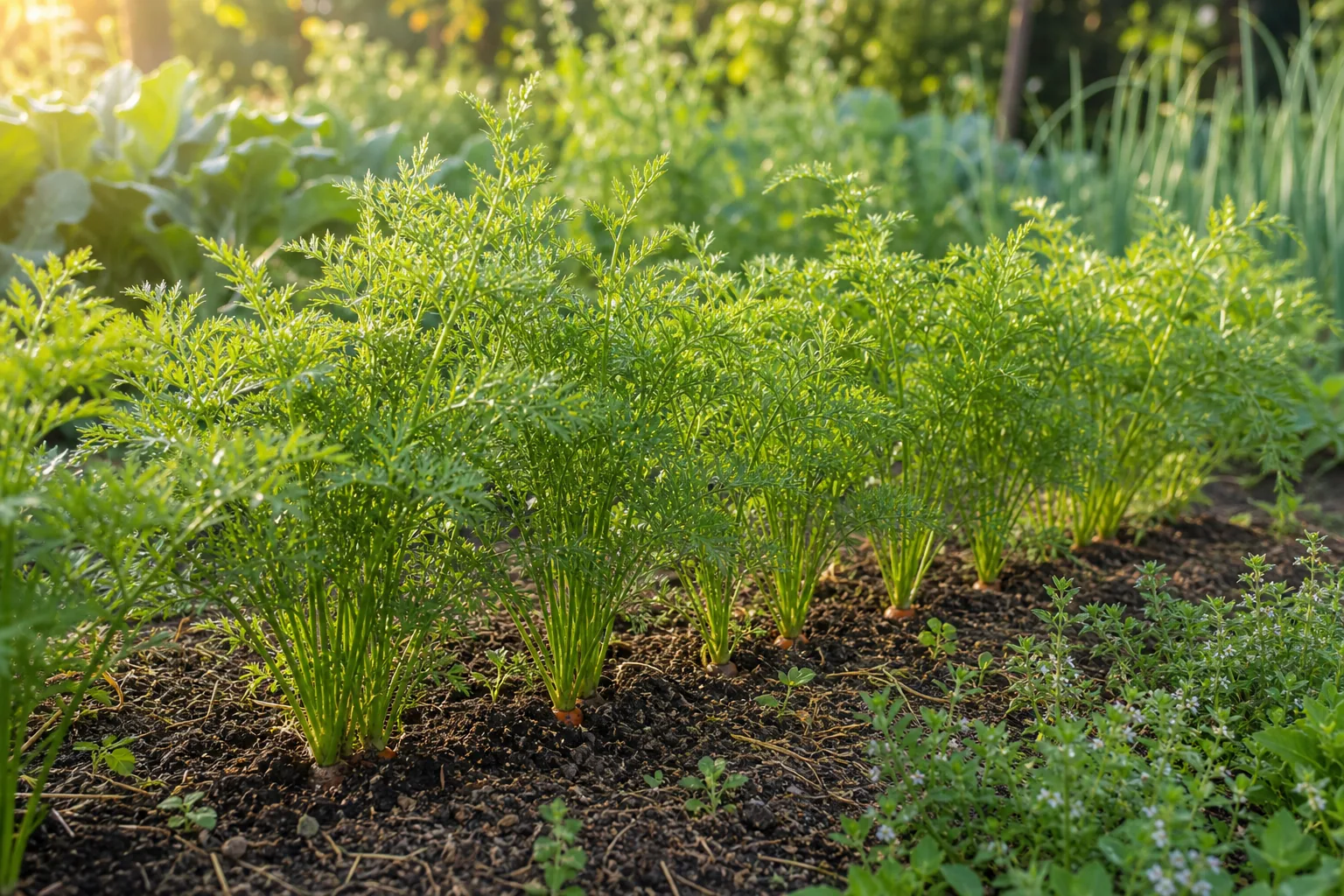
Daucus carota subsp. sativus
Carrot (Daucus carota, the cultivated subspecies sativus) is a cool-season biennial in the carrot family grown for its crisp, sweet taproot. A cultivated form of the wild Queen Anne's lace native to Europe and southwest Asia, it is a staple root crop whose flavor develops with cool growing and a touch of frost.
 Pet-friendlier
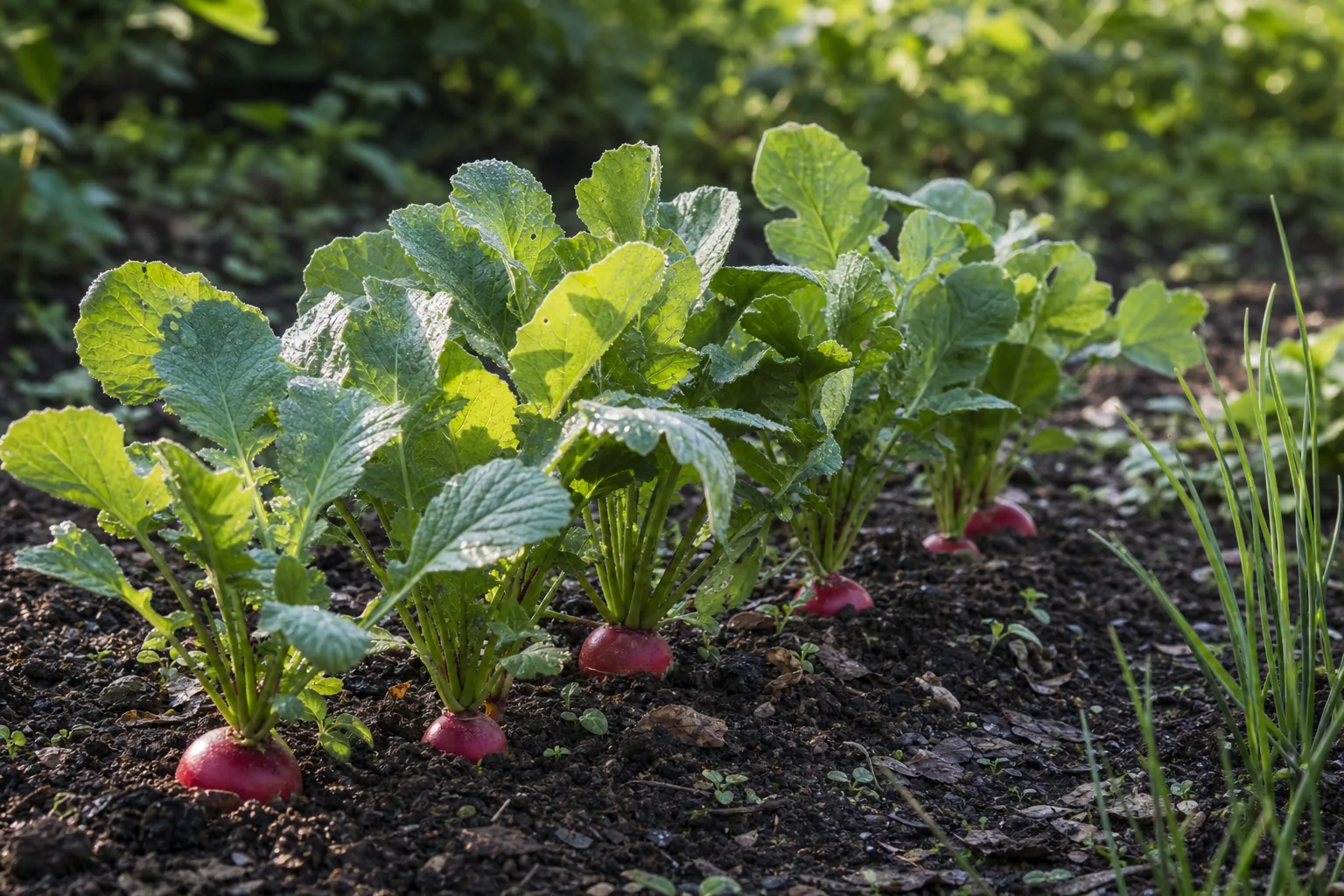
Raphanus sativus
Garden radish (Raphanus sativus) is a fast-maturing, cool-season annual in the cabbage family grown for its crisp, peppery root. Native to Asia and the Mediterranean, it is one of the quickest vegetables to harvest — often ready in three to four weeks — making it an ideal crop for impatient gardeners and for interplanting between slower crops.
 Pet-friendlier
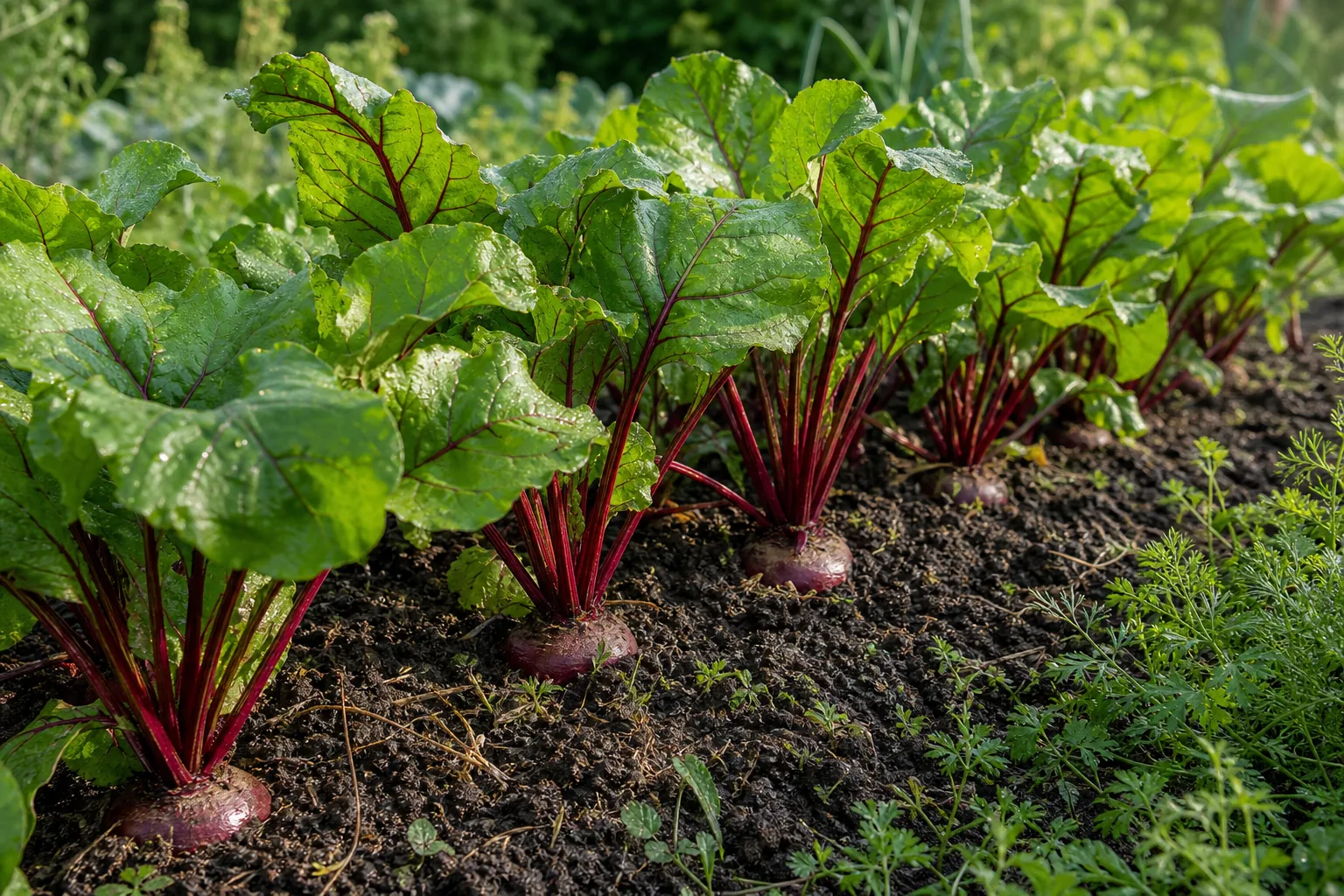
Beta vulgaris
Beet (Beta vulgaris, the garden beet group) is a cool-season biennial in the amaranth family grown for its sweet, earthy swollen root and its nutritious greens. A descendant of sea beet along the Mediterranean and Atlantic coasts, it is a dual-purpose crop whose leaves and roots are both edible and productive from spring through fall.
 Pet-friendlier
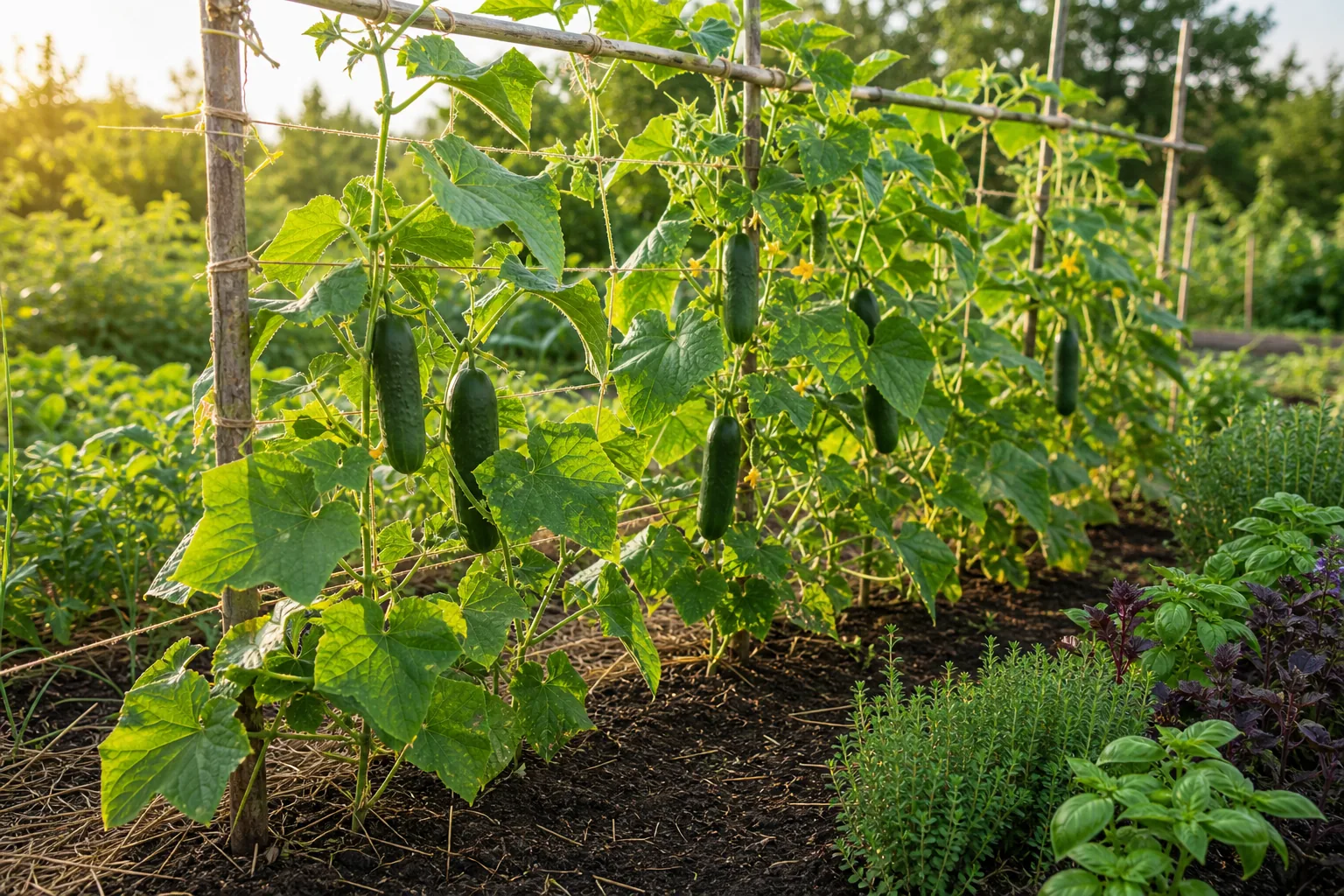
Cucumis sativus
Cucumber (Cucumis sativus) is a tender, warm-season annual vine in the gourd family grown for its crisp, watery fruit. Native to South Asia, it is grown either as compact bush types for containers or as long-vining types that need trellising, and it is one of the most productive warm-weather crops for salads and pickling when given heat, sun, and consistent moisture.
 Pet-friendlier
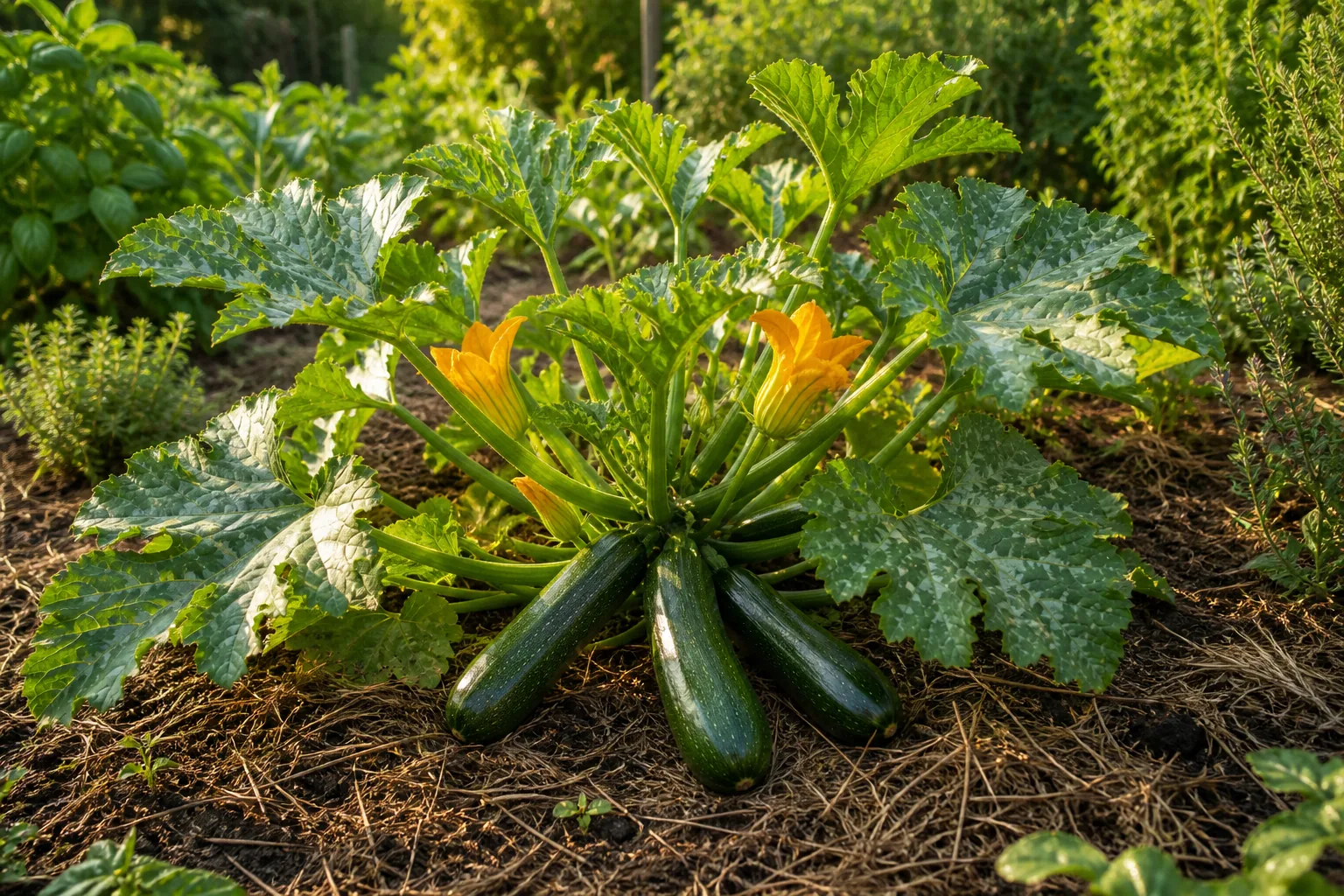
Cucurbita pepo
Zucchini (Cucurbita pepo, the summer squash group) is a fast, productive warm-season annual in the gourd family grown for its tender immature fruit. A descendant of native American squashes, it is famously prolific — a single plant can supply a household through summer — and it is valued for its mild flavor, easy growth, and use both raw and cooked.
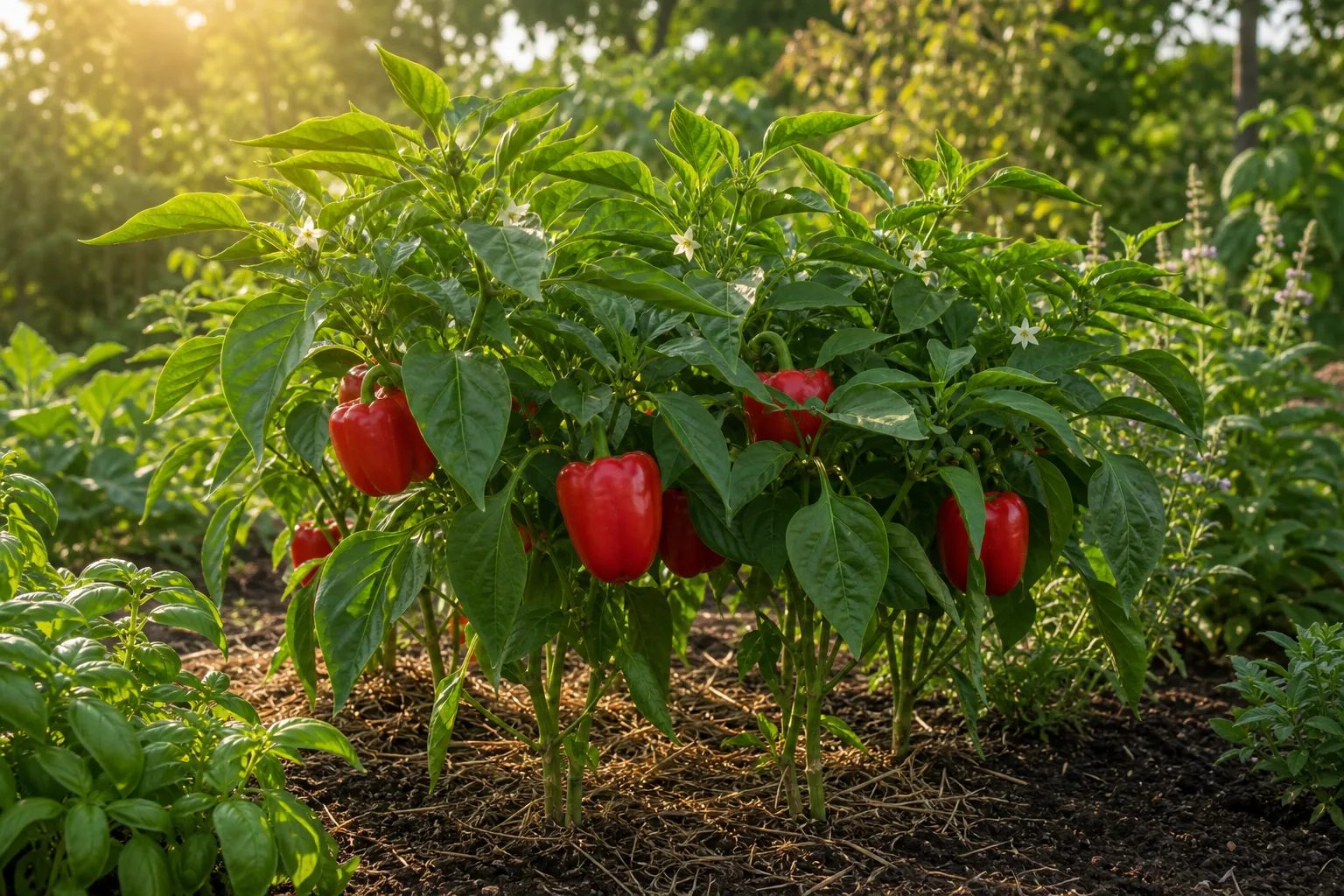 intermediate
Capsicum annuum Grossum Group
Sweet pepper (Capsicum annuum, the non-pungent bell and frying-pepper group) is a tender, warm-season perennial grown as an annual for its crisp, mild fruit. A member of the nightshade family native to the Americas, it is valued for sweet, thick-walled fruit that ripens from green through yellow, orange, and red and is far milder than its chili relatives.
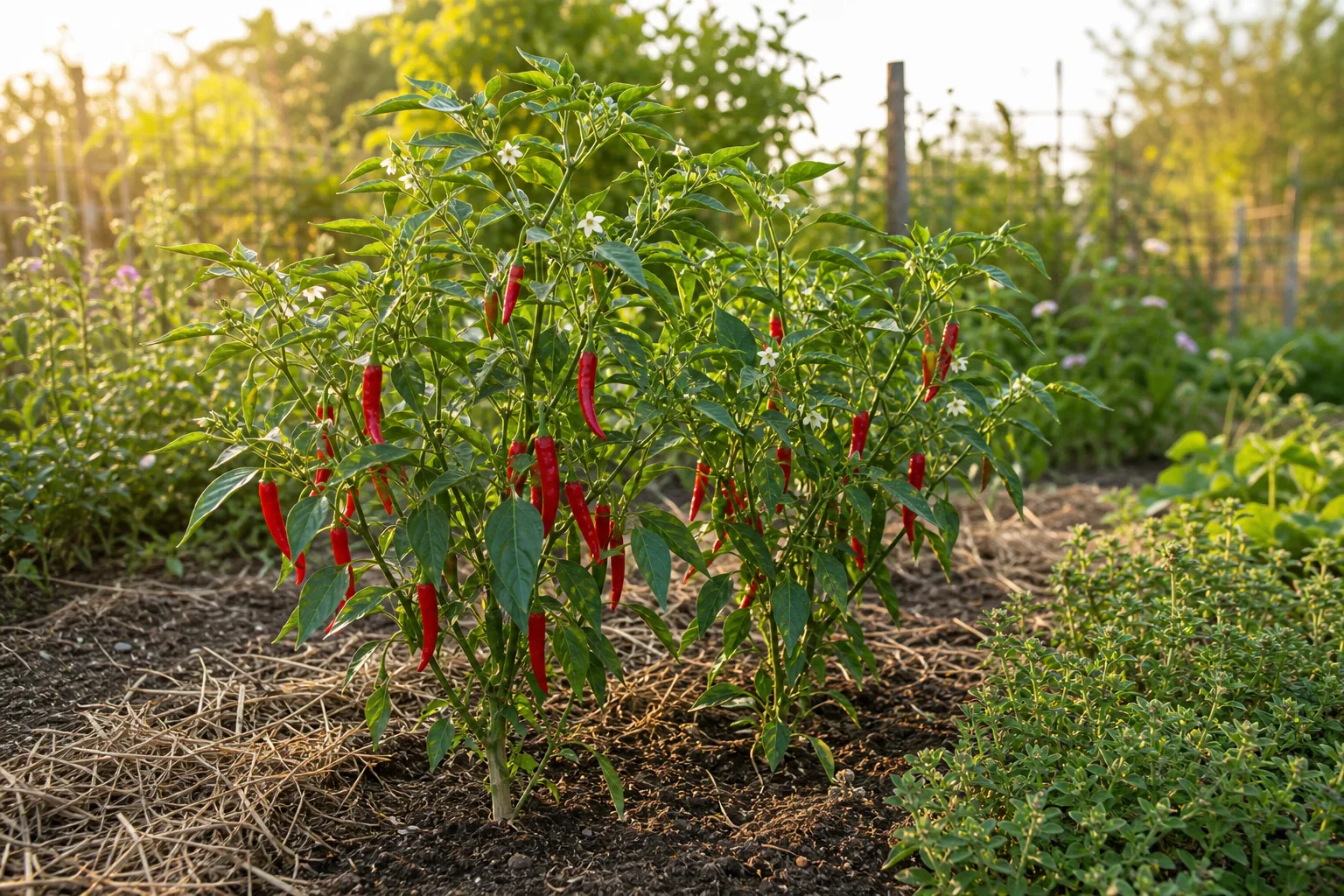 intermediate
Capsicum annuum Longum Group
Chili pepper (Capsicum annuum, the pungent group) is a tender, warm-season perennial grown as an annual for its hot fruit. A member of the nightshade family native to the Americas, it spans a huge range of heat — from mild to searing — and is grown both for culinary spice and, like sweet peppers, for productive warm-weather harvests.
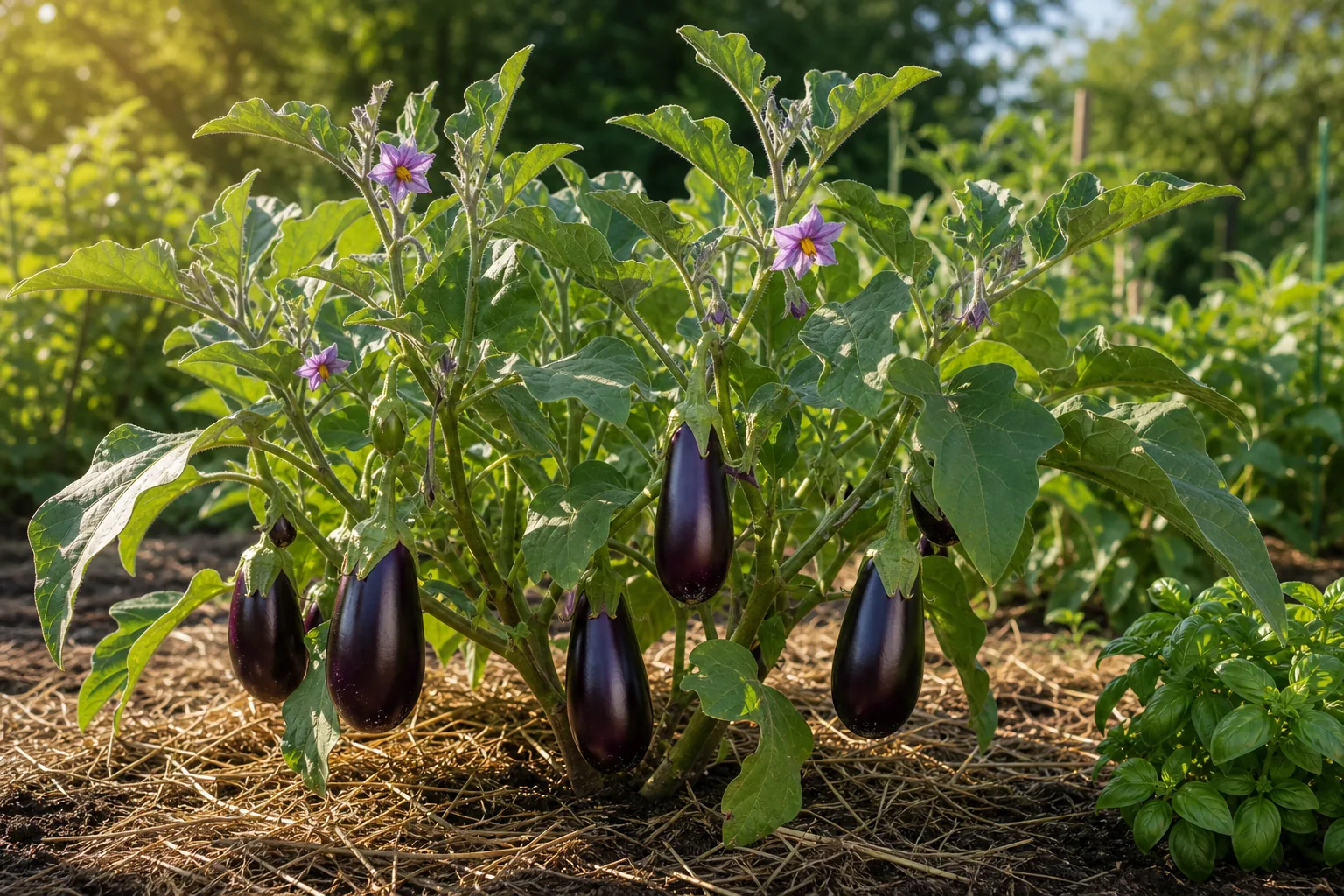 intermediate
Solanum melongena
Eggplant (Solanum melongena) is a tender, warm-season perennial in the nightshade family grown as an annual for its glossy, meaty fruit. Native to South and East Asia, it is a heat-loving crop that needs a long, warm season and steady moisture to set the heavy, pear- or oblong-shaped fruit prized in cuisines worldwide.
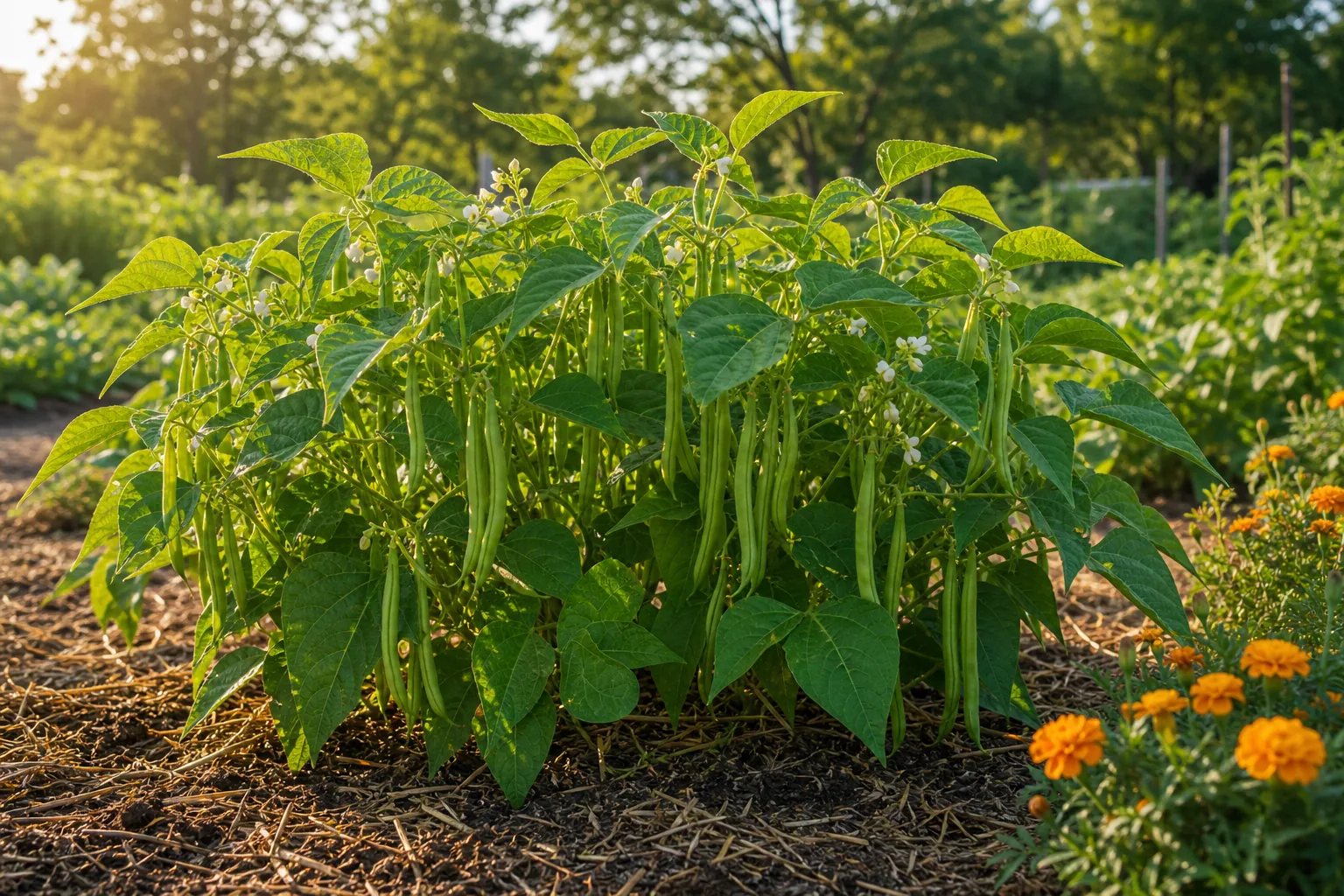 Pet-friendlier
Phaseolus vulgaris
Bush bean (Phaseolus vulgaris) is a warm-season annual legume in the pea family grown for its tender, stringless snap pods. A domesticated form of a Central and South American native, it is the easiest bean for small gardens because it grows as a compact, self-supporting bush about two feet tall and needs no trellis. Sown after the soil warms, it produces a concentrated crop of crisp, nutritious pods in roughly 50 to 60 days and, picked often, keeps bearing for weeks.
 Pet-friendlier
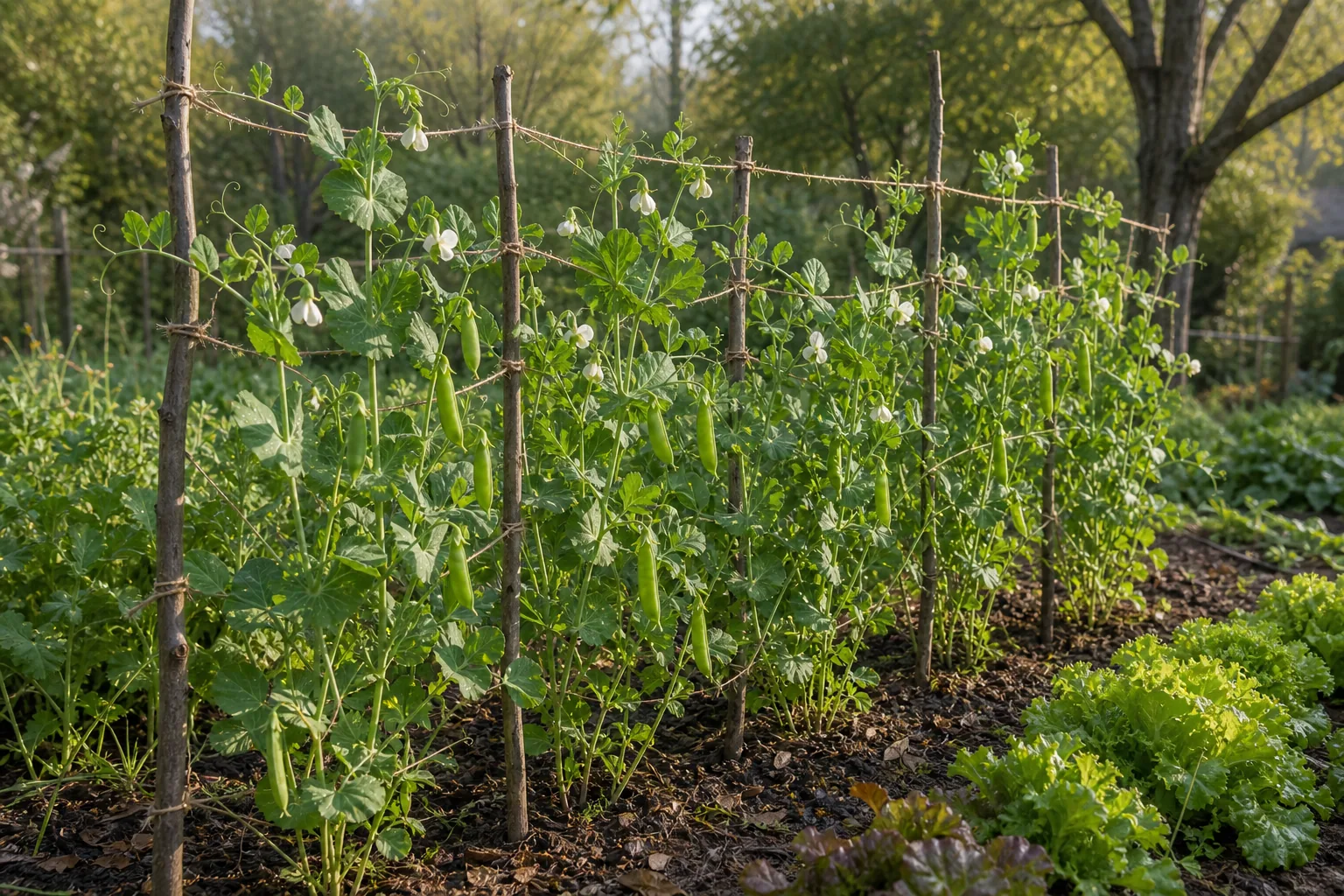
Pisum sativum
Garden pea (Pisum sativum, accepted by Kew as Lathyrus oleraceus) is a cool-season annual legume in the pea family grown for its sweet, tender seeds and edible pods. Probably first cultivated around the Mediterranean and western Asia, it is a classic early spring crop whose vines (for tall types) or bushes (for dwarf types) produce shelling, snow, or sugar-snap peas. Planted as soon as the soil can be worked, it matures in cool weather and is one of the sweetest, most rewarding crops for spring and fall.
 Pet-friendlier
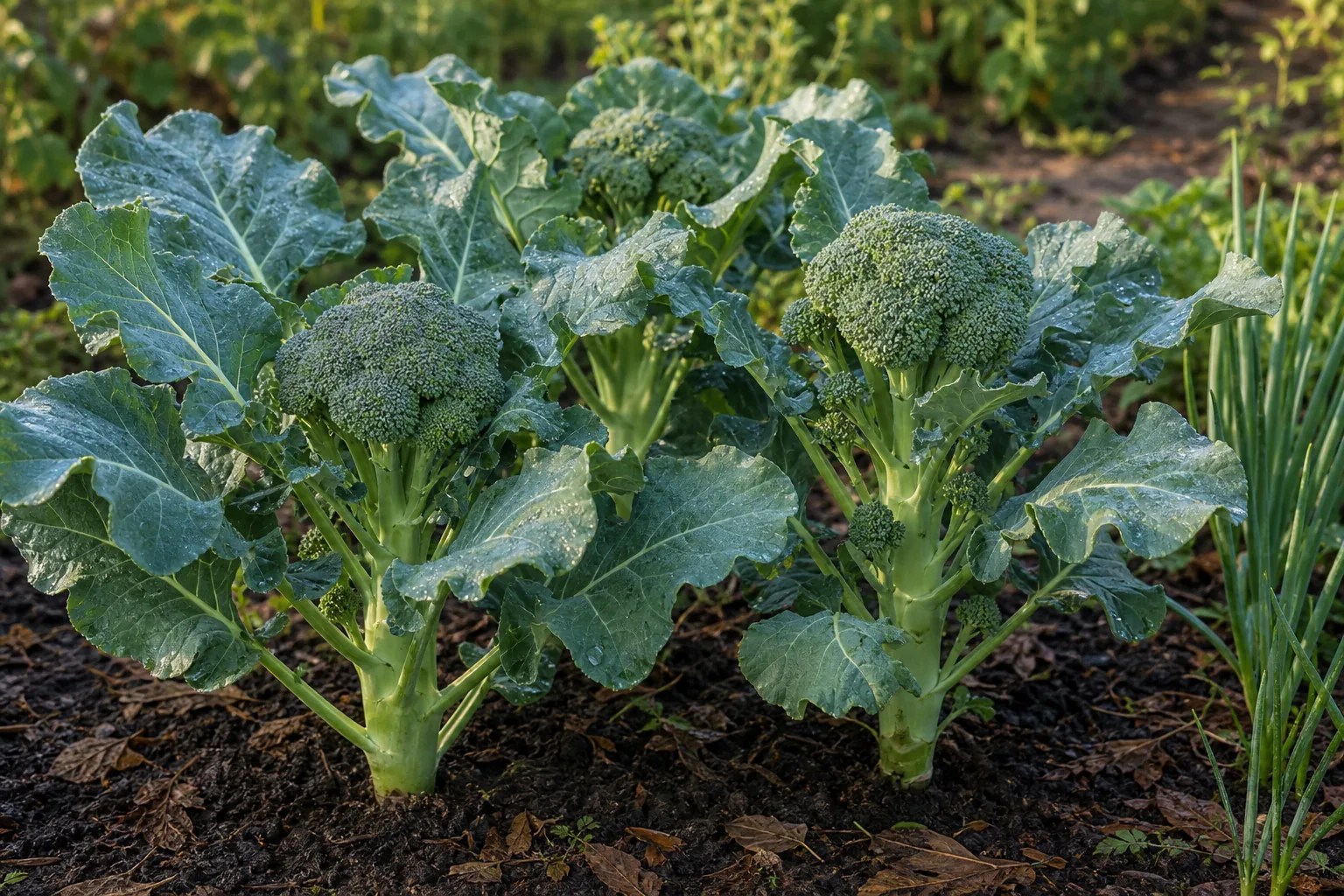
Brassica oleracea Italica Group
Broccoli (Brassica oleracea var. italica) is a cool-season annual in the cabbage family grown for its clustered, unopened flower heads. A cultivated form of wild cabbage native to the coastal cliffs of western Europe, it is one of the most nutritious garden crops, producing a large central head that, once cut, is followed by smaller side shoots for weeks. It prefers cool growing weather and rich, moist soil, and it tolerates light frost that can even sweeten the flavor.
 Pet-friendlier
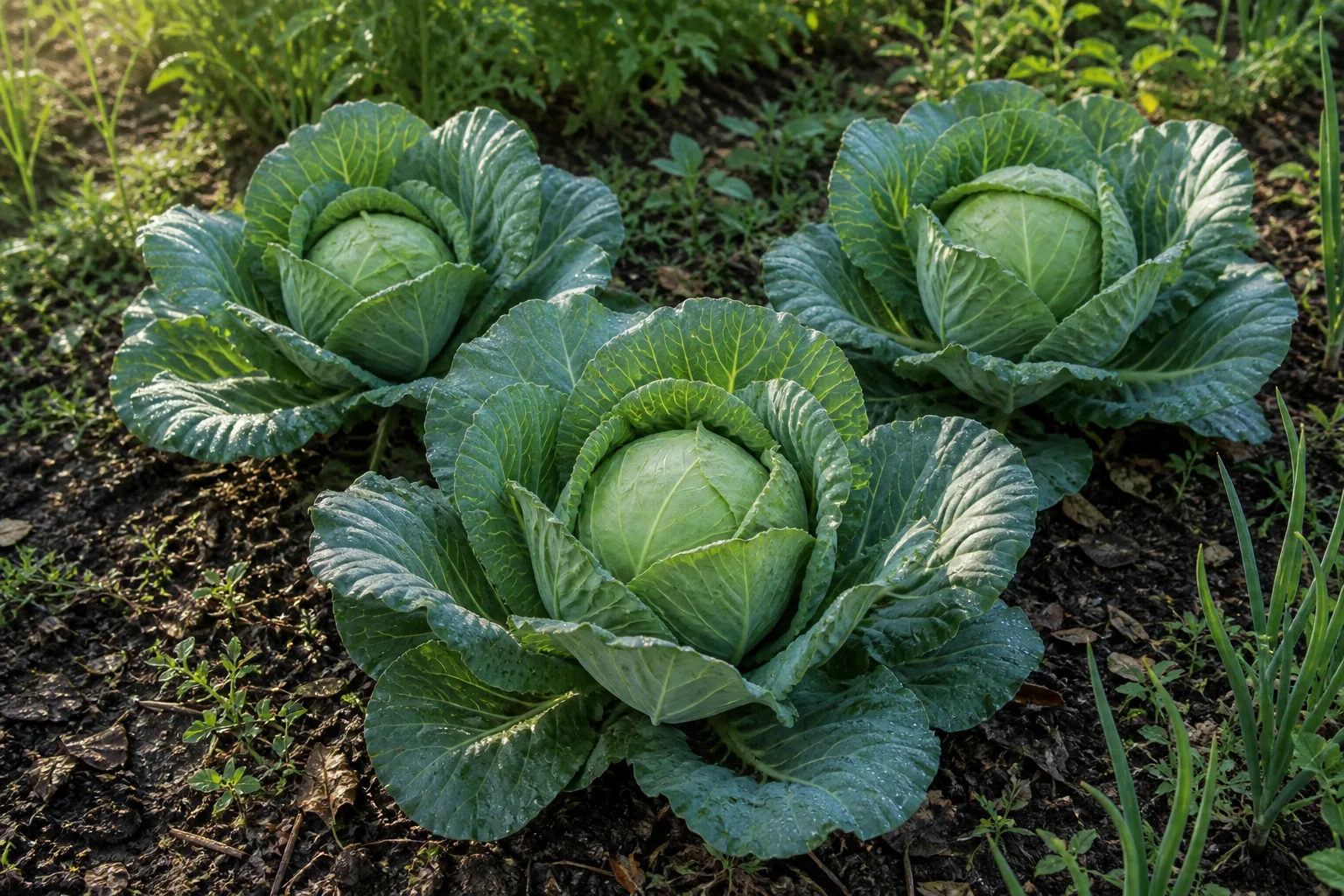
Brassica oleracea Capitata Group
Cabbage (Brassica oleracea var. capitata) is a cool-season biennial in the cabbage family grown as an annual for its dense, leafy head. A cultivated form of wild cabbage native to the coastal cliffs of western Europe, it is a staple garden and storage crop whose round, flat, or pointed heads range from green to red and store far longer than most vegetables. It grows best in cool weather and, like its relatives, is a heavy feeder that rewards steady moisture and fertility.
 Pet-friendlier
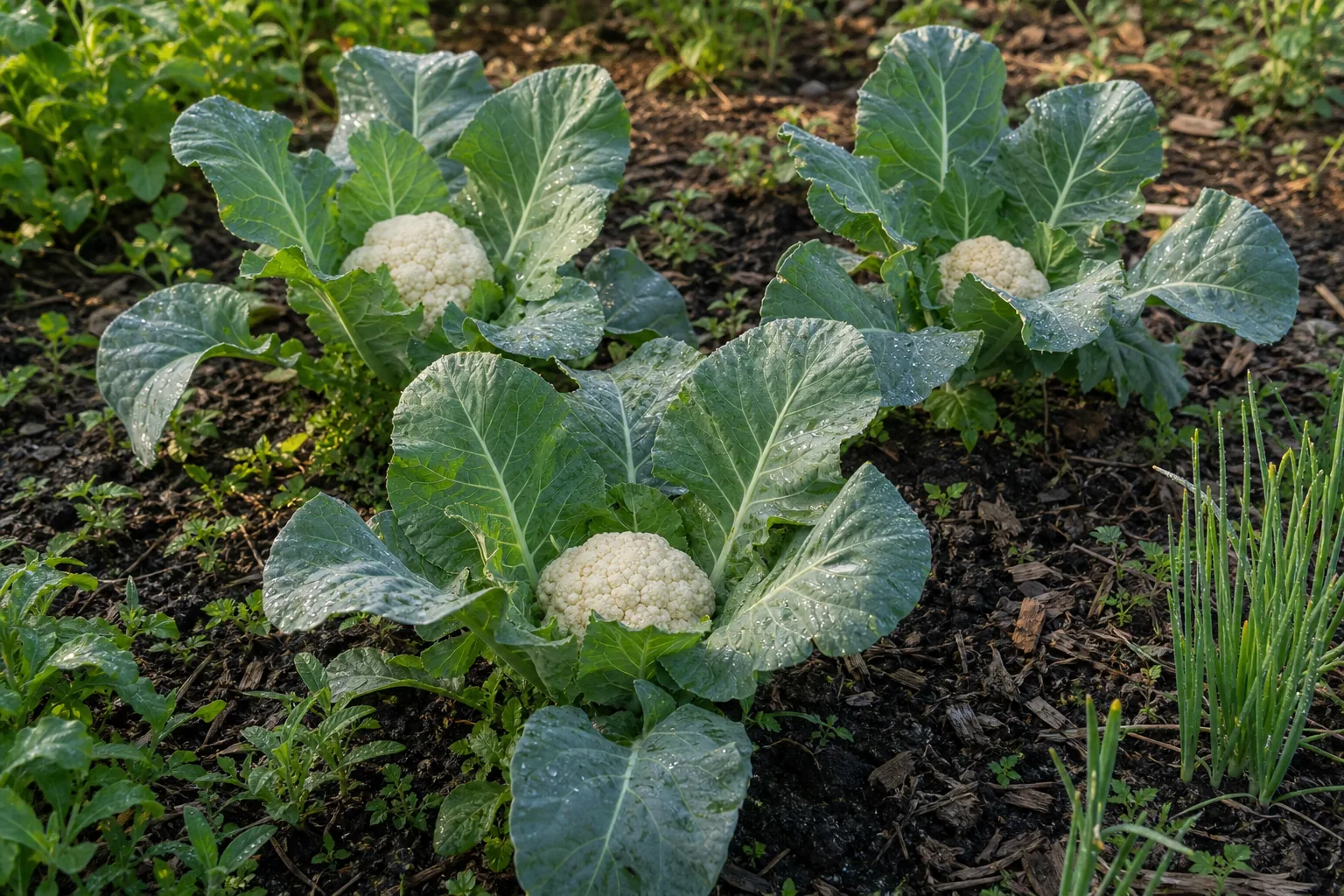
Brassica oleracea Botrytis Group
Cauliflower (Brassica oleracea var. botrytis) is a cool-season annual in the cabbage family grown for its compact, unopened flower cluster called the curd. A close cousin of broccoli from the same wild cabbage of western Europe, it is the most finicky of the brassicas, demanding steady moisture and cool temperatures (about 50-70°F) to form a tight, sweet curd. White types are blanched by tying the leaves over the head, while colored types need sun to develop their hue.
 Pet-friendlier
Brassica oleracea Acephala Group
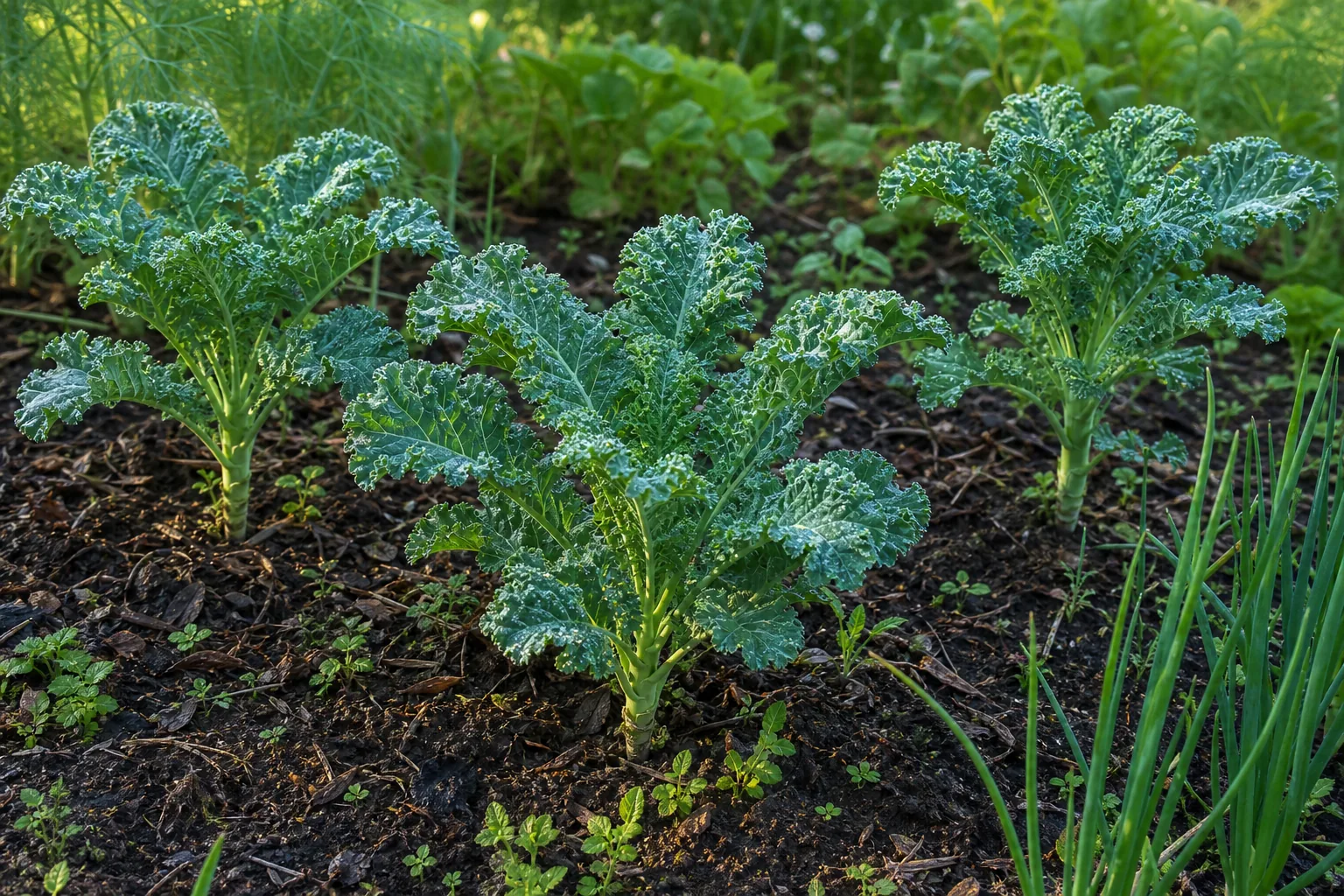
Kale (Brassica oleracea var. acephala) is a cool-season biennial in the cabbage family grown as a leafy annual for its frilled, nutrient-dense leaves. A non-heading form of wild cabbage native to the coastal cliffs of western Europe, it is among the hardiest greens, shrugging off frost that actually sweetens its flavor, and it produces for months from a single planting when the outer leaves are harvested. Ornamental kales are the same species grown for showy leaves.
 Pet-friendlier
Beta vulgaris Cicla Group
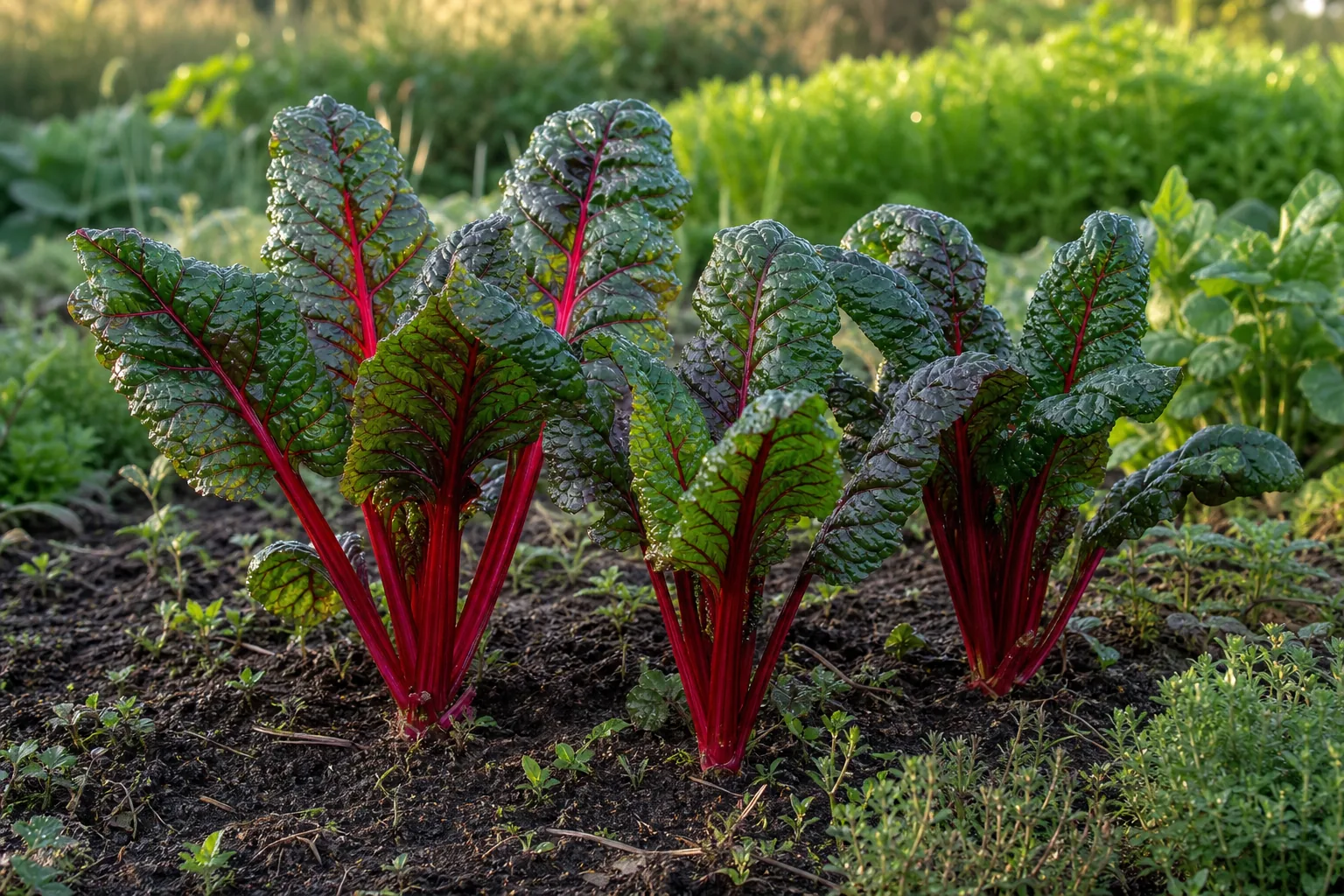
Swiss chard (Beta vulgaris, the leafy Cicla group, also called leaf beet) is a cool-season biennial in the amaranth family grown as a warm-tolerant leafy green. A close relative of the garden beet native to the Mediterranean and Atlantic coasts of Europe, it produces crinkled or smooth leaves on colorful stems (white, red, yellow, or orange) and, unlike beet, forms no storage root. It is more heat-tolerant than spinach, so it carries the greens season from spring through the hottest summer.
 intermediate
Allium cepa
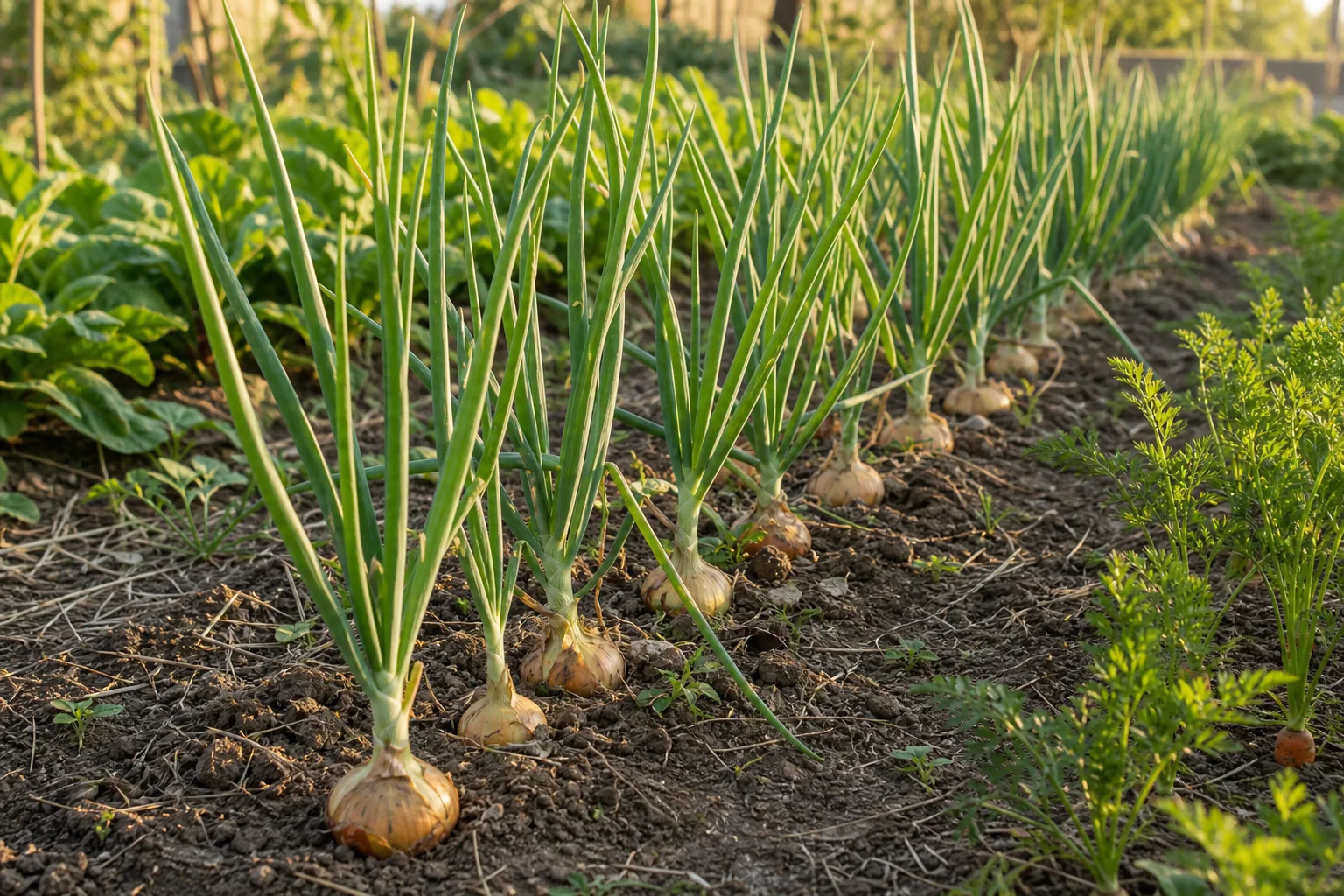
Bulb onion (Allium cepa) is a cool-season biennial in the amaryllis family grown as an annual for its pungent, layered bulb. Native to central Asia, it is one of the most widely grown cooking vegetables, with types classed by day length (long-day for storage, short-day for mild/sweet) and by color (yellow, red, white). Shallow-rooted and slow to establish, it needs full sun, steady moisture, and a well-drained, organic-rich soil to size up a firm bulb.
 intermediate
Allium sativum
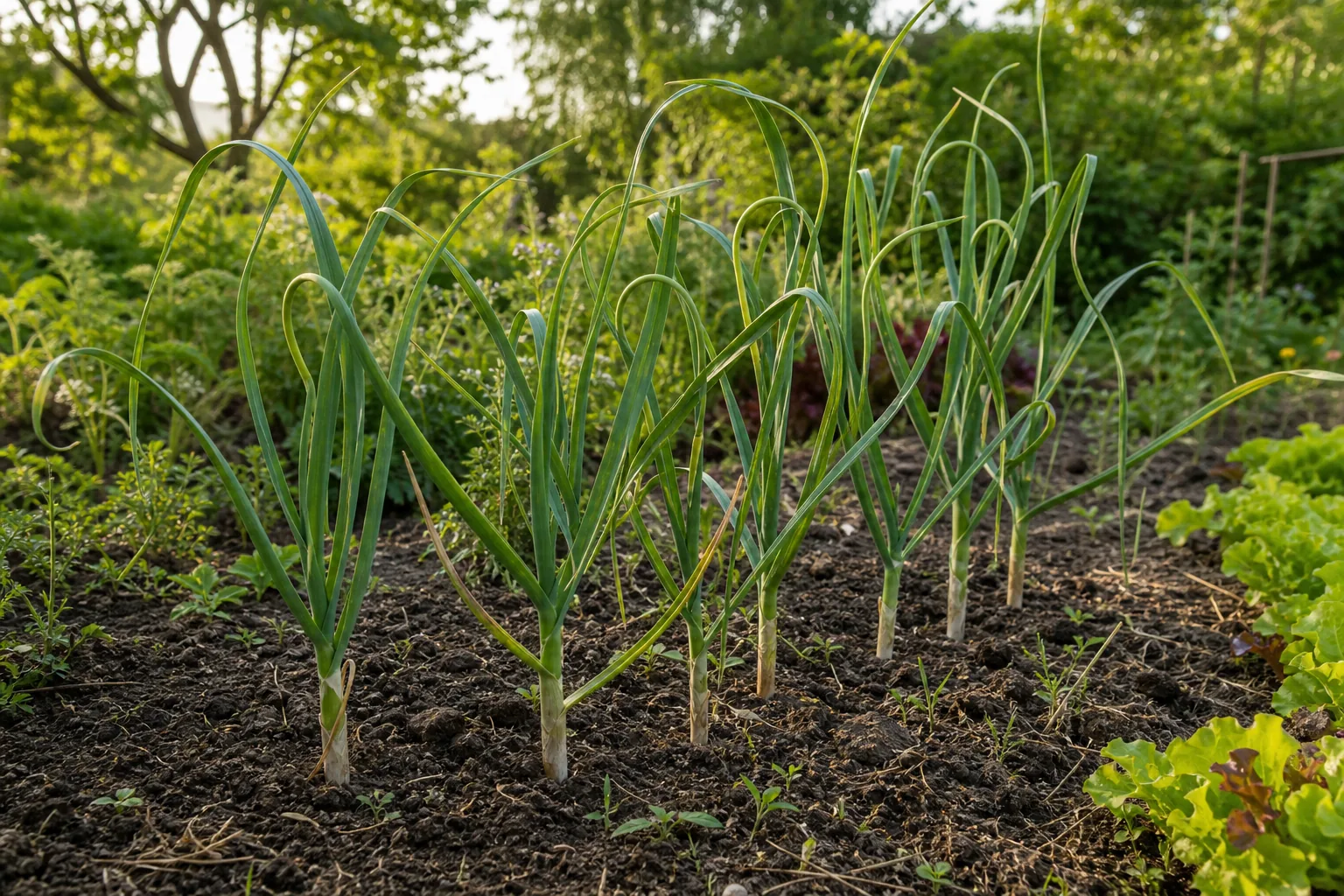
Garlic (Allium sativum) is a bulb-forming member of the onion family grown for its pungent cloves used worldwide as a seasoning. A cool-season crop native to Central Asia, it is planted from individual cloves in autumn or early spring and harvested when the foliage begins to dry.
 intermediate
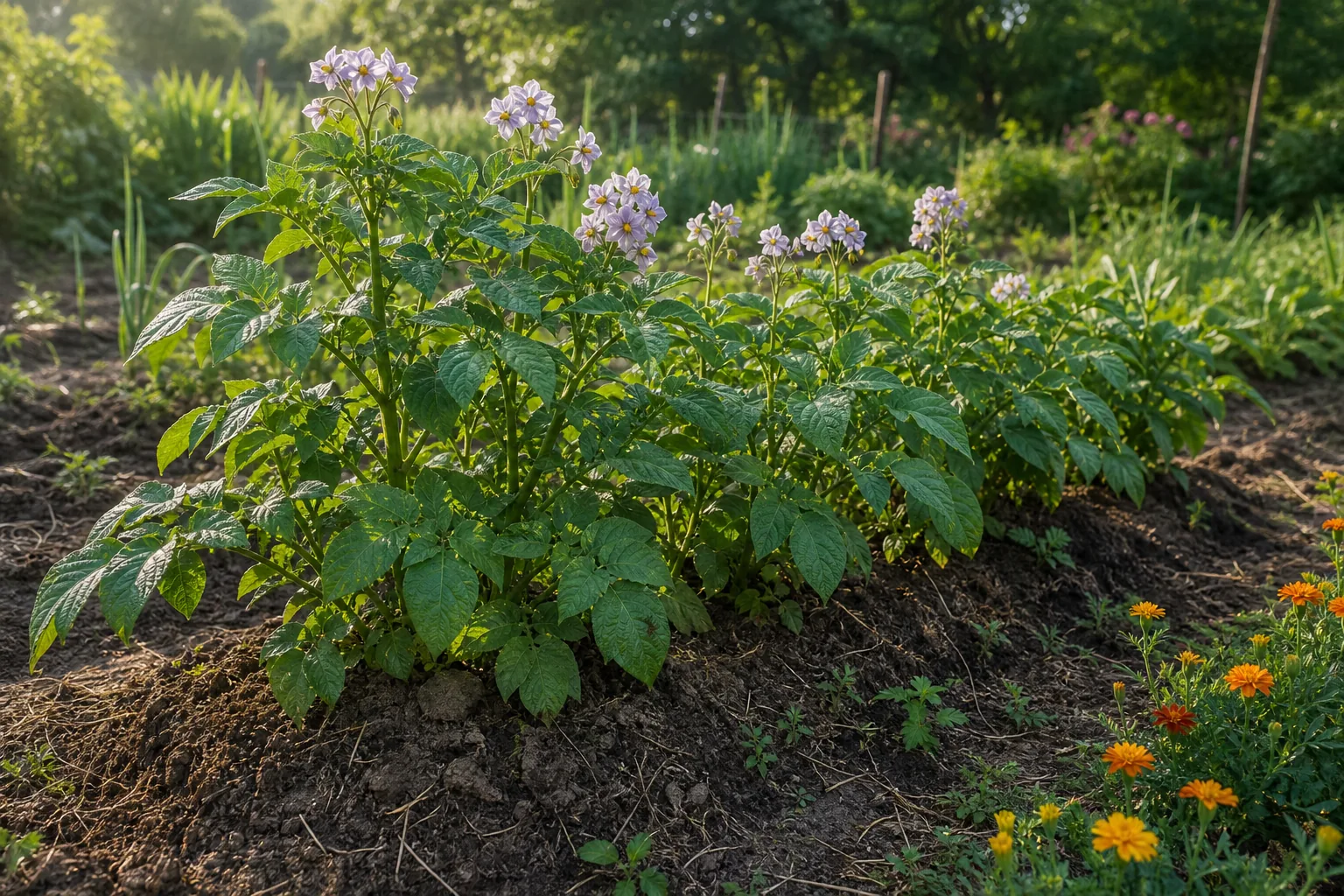
Solanum tuberosum
Potato (Solanum tuberosum) is a tender, warm-season perennial in the nightshade family grown as an annual for its starchy underground tubers. Native to the Andes of South America, it is one of the world's staple crops and a productive, space-efficient garden vegetable whose leafy stems must be 'hilled' to keep the developing tubers covered and out of the light. The edible tuber is safe, but the green foliage and any greened tubers are toxic.
Harvest regularly, water at soil level, and replace finished cool-season crops with heat-tolerant choices.