 intermediate
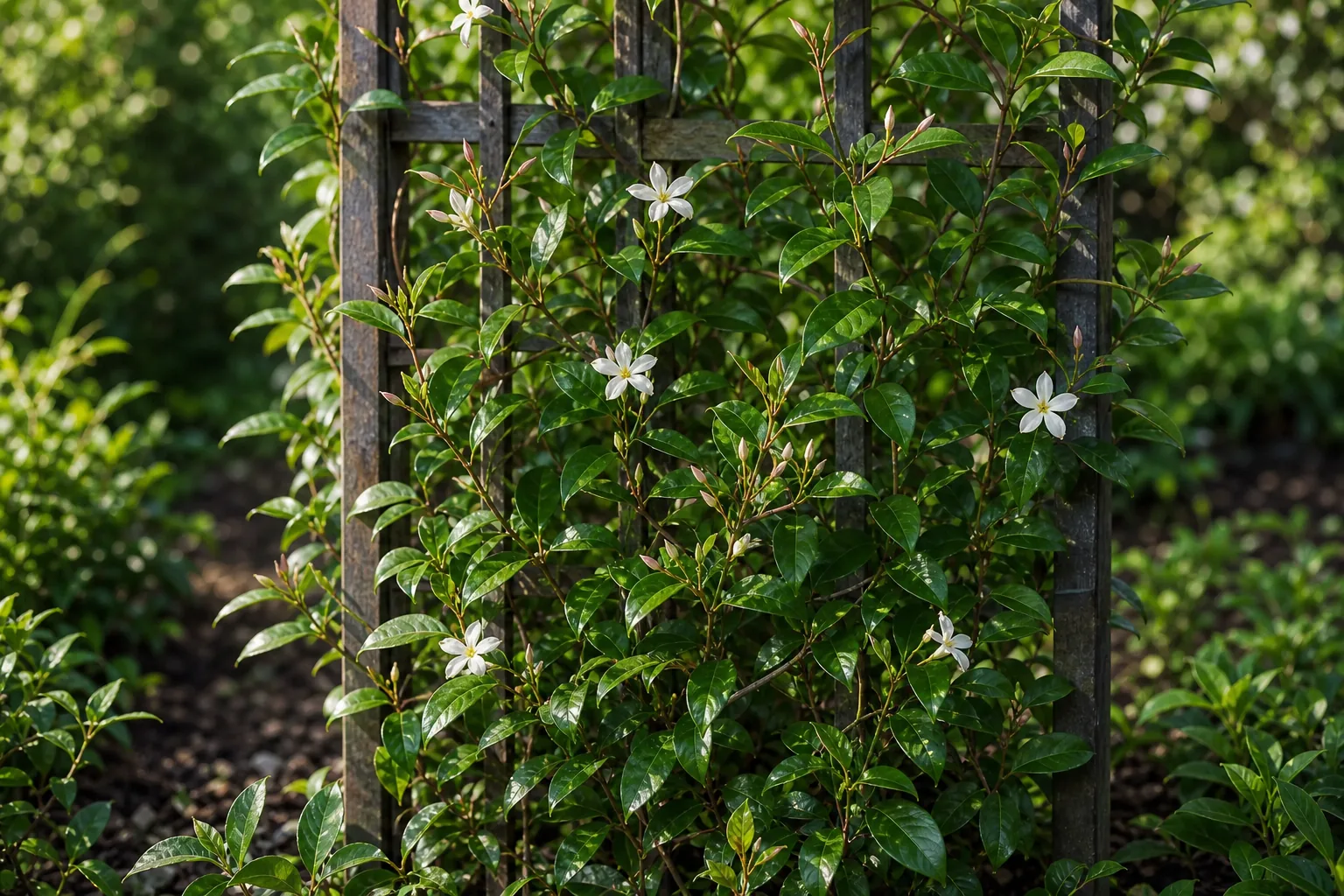
Star Jasmine
Trachelospermum jasminoides
A woody evergreen climber with glossy leaves and clusters of intensely fragrant white pinwheel flowers.
Choose a climber by its attachment method and mature weight, then pair it with a support that can safely carry the plant.
This collection is the permanent home for practical climbers & vines profiles, planning guides, seasonal care, and problem-solving content.
Install the support before the plant. A clematis, rose, or wisteria quickly becomes too tangled to move, so size the trellis or wires for the vine's mature weight and place it at planting time. Match the support to the climbing method listed in each profile—twiners need thin supports to wrap, while clingers attach directly to walls.
Guide early growth and the vine does the rest. Tie young stems loosely in the direction you want coverage, check ties each month in the growing season, and prune to keep growth inside its allotted space. Most flowering vines bloom best when their roots stay cool and shaded while the top growth reaches sun.
21 plants
intermediateTrachelospermum jasminoides
A woody evergreen climber with glossy leaves and clusters of intensely fragrant white pinwheel flowers.
 Pet-friendlier
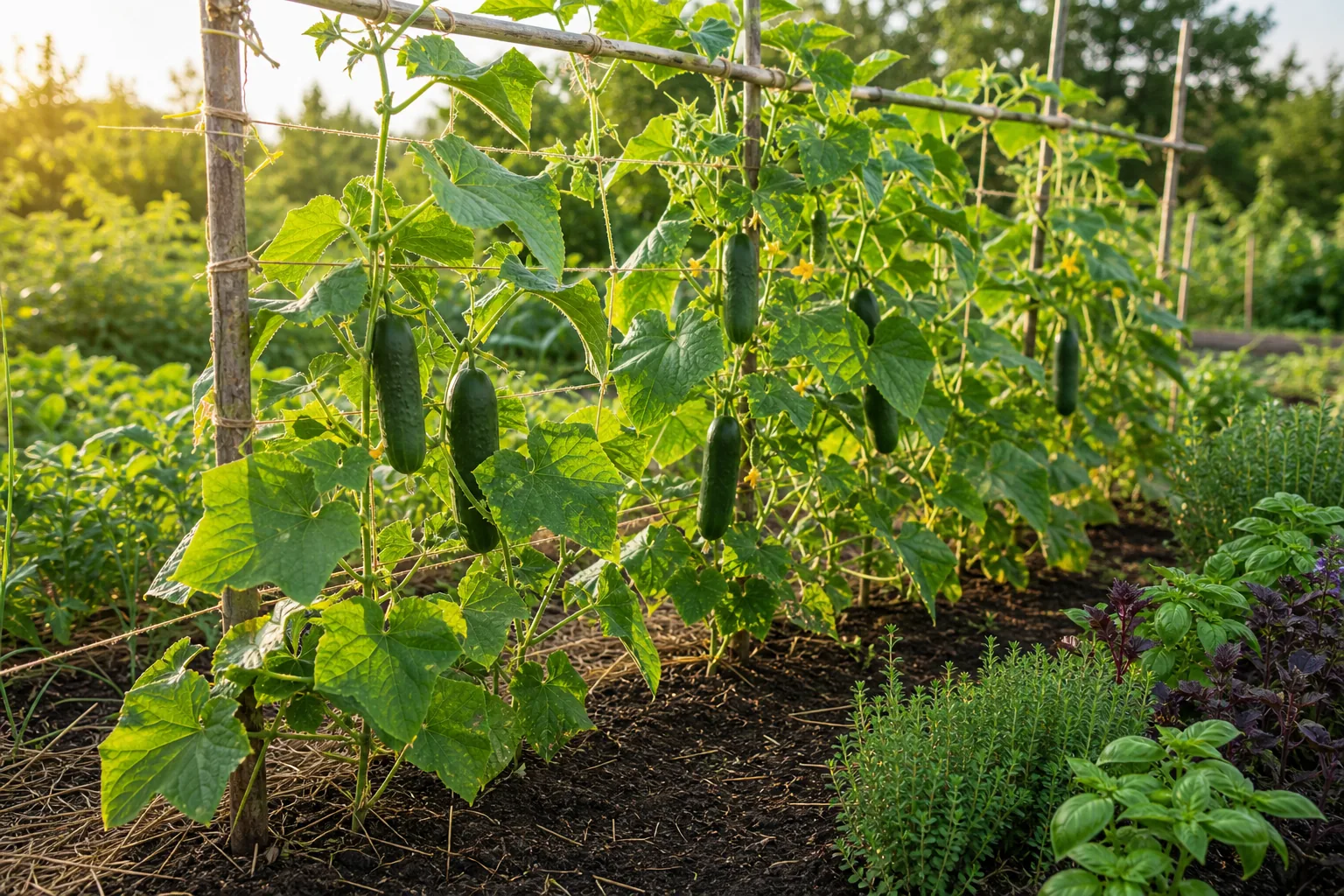
Cucumis sativus
Cucumber (Cucumis sativus) is a tender, warm-season annual vine in the gourd family grown for its crisp, watery fruit. Native to South Asia, it is grown either as compact bush types for containers or as long-vining types that need trellising, and it is one of the most productive warm-weather crops for salads and pickling when given heat, sun, and consistent moisture.
 Pet-friendlier
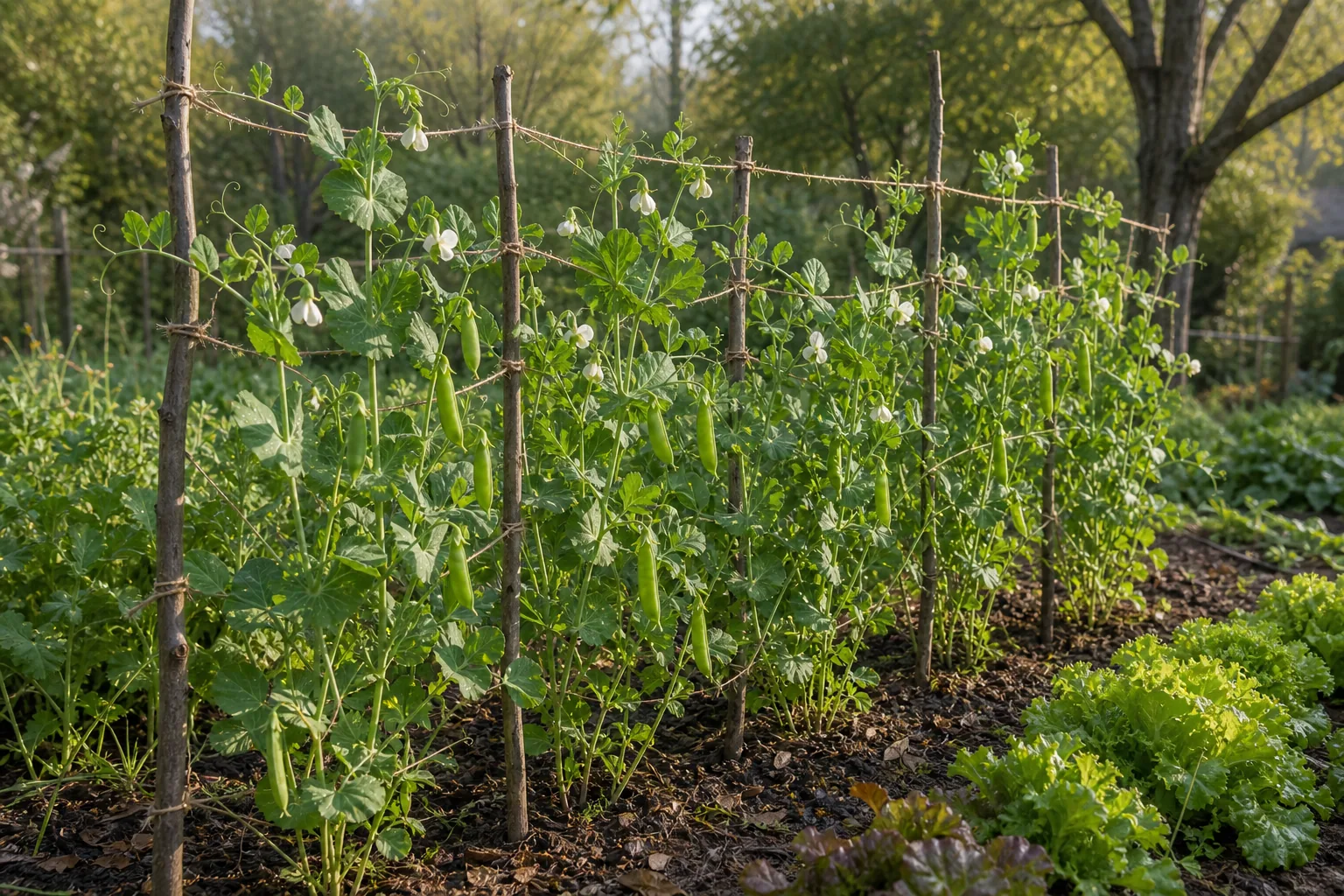
Pisum sativum
Garden pea (Pisum sativum, accepted by Kew as Lathyrus oleraceus) is a cool-season annual legume in the pea family grown for its sweet, tender seeds and edible pods. Probably first cultivated around the Mediterranean and western Asia, it is a classic early spring crop whose vines (for tall types) or bushes (for dwarf types) produce shelling, snow, or sugar-snap peas. Planted as soon as the soil can be worked, it matures in cool weather and is one of the sweetest, most rewarding crops for spring and fall.
 intermediate
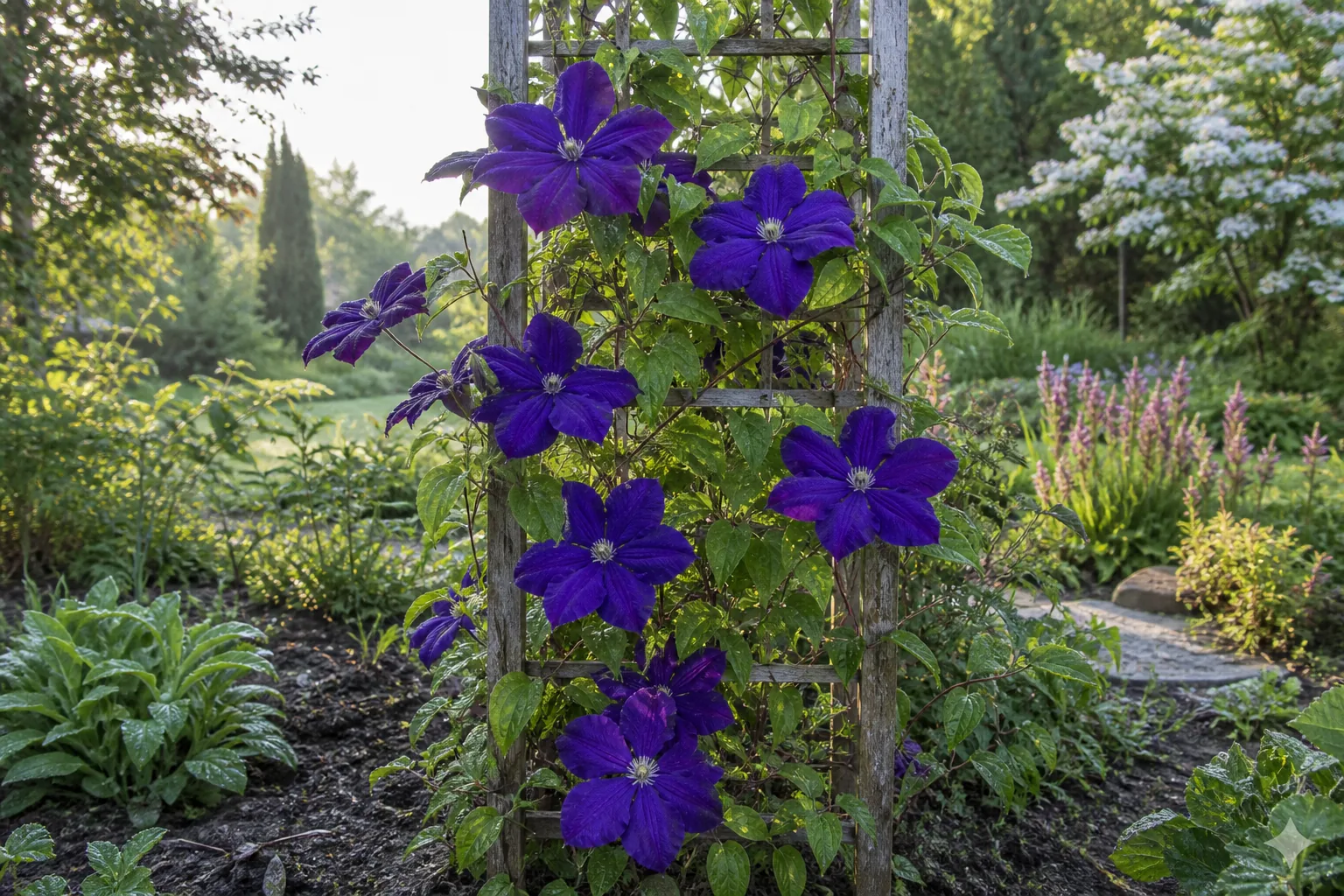
Clematis × jackmanii
Large-flowered clematis (Clematis × jackmanii) is a deciduous climbing vine famous for large, velvety, violet-purple flowers that cover the plant from midsummer to early autumn. It is an artificial hybrid of Clematis lanuginosa and Clematis viticella raised by the English nurseryman George Jackman in the mid-1800s and grown on trellises, fences, walls, and arbors in temperate gardens.
 intermediate
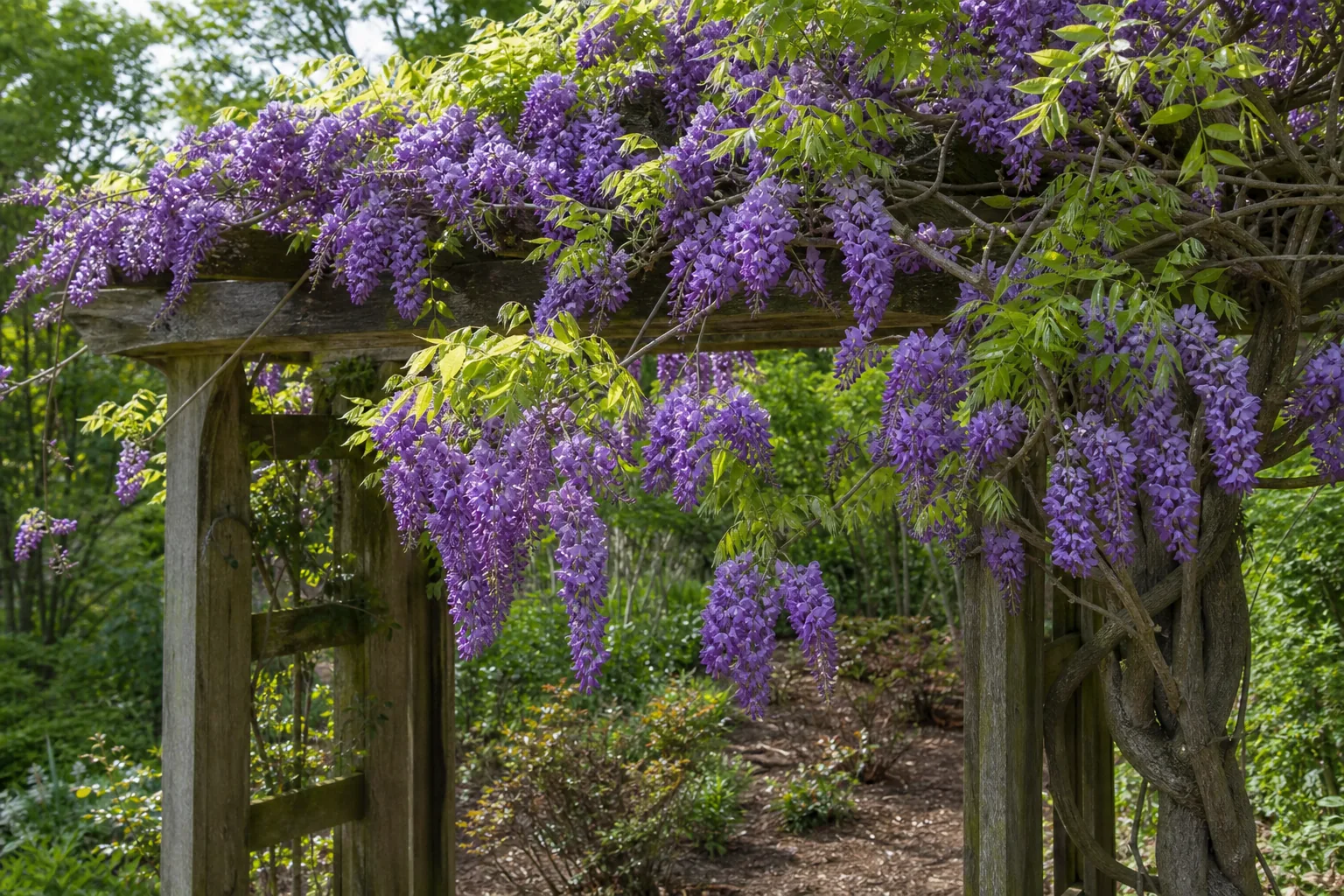
Wisteria frutescens
American wisteria (Wisteria frutescens) is a twining, deciduous woody vine native to the central and eastern United States, grown for fragrant, pea-like lilac-purple flowers in drooping racemes each spring. Less aggressive than the Asian species, it climbs by twining stems over arbors, pergolas, fences, and walls.
 Pet-friendlier
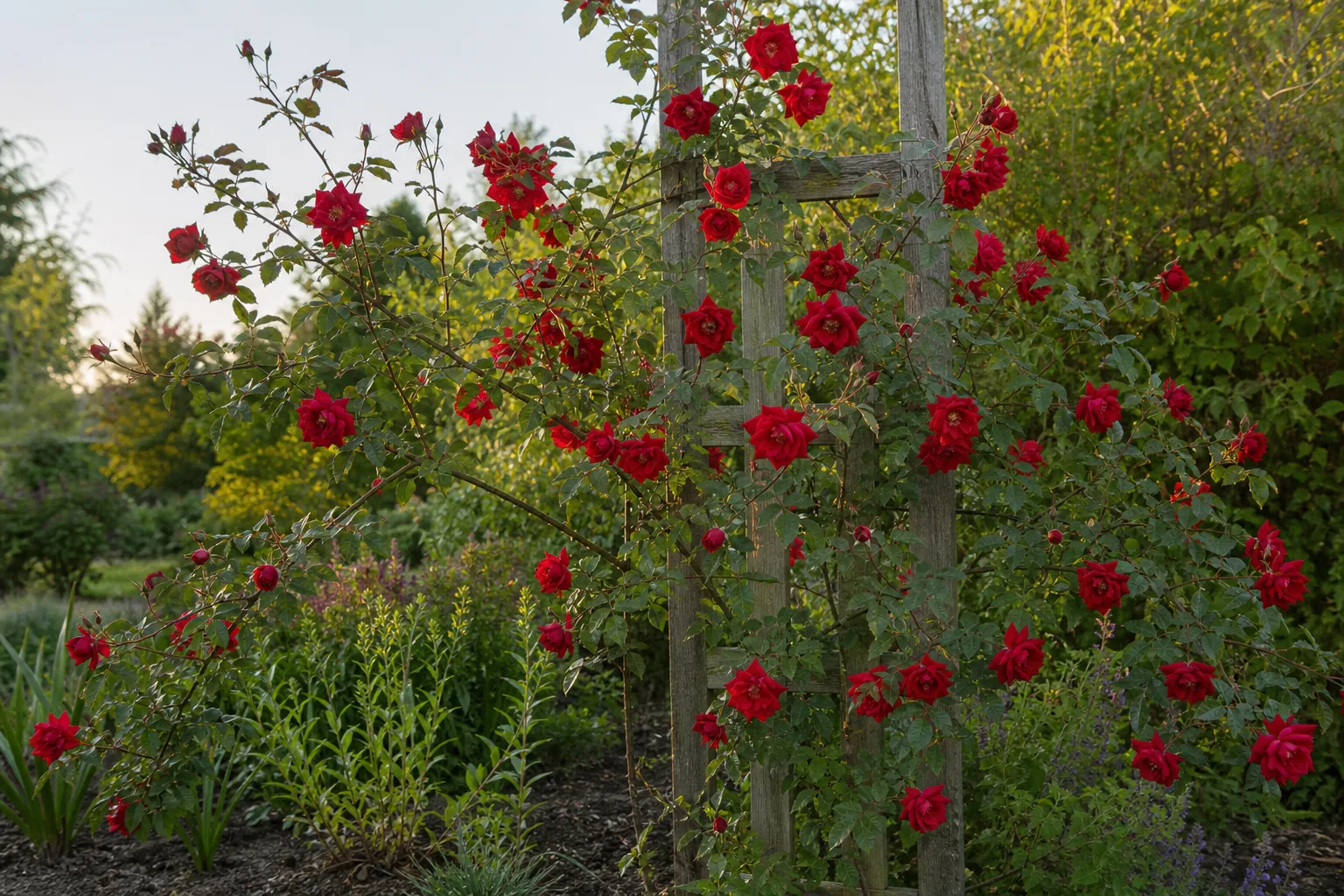
Rosa Climbing Group
Climbing roses (Rosa Climbing Group) are a garden group of roses with long, flexible canes that are trained up walls, fences, arches, and trellises, flowering from late spring to frost depending on the cultivar. They are complex garden hybrids of the genus Rosa, which is native across the temperate and subtropical Northern Hemisphere, grown for their often fragrant, repeat blooms.
 Pet-friendlier
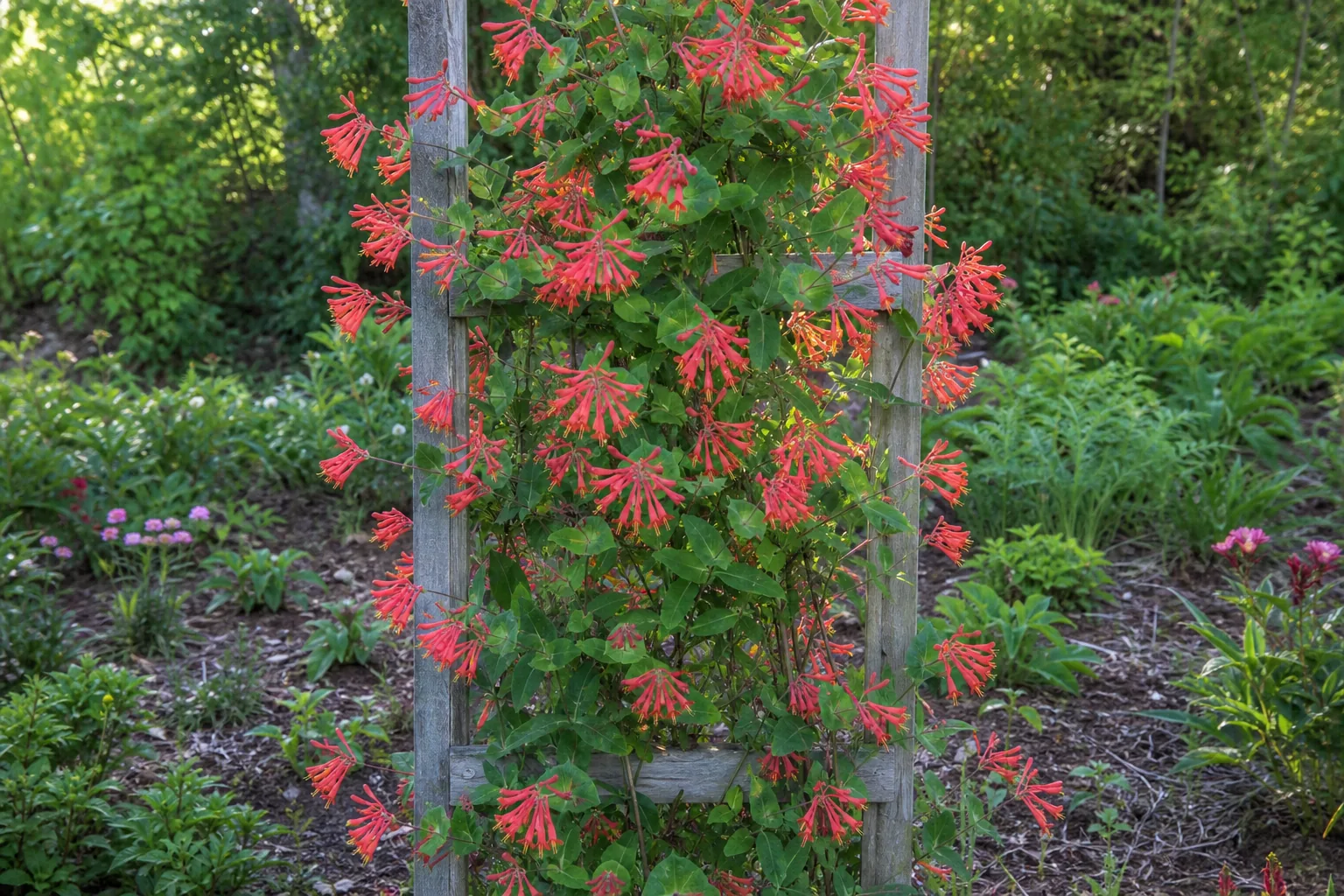
Lonicera sempervirens
Coral honeysuckle (Lonicera sempervirens) is a twining, evergreen to semi-evergreen native vine of the eastern United States, grown for showy, trumpet-shaped scarlet to orange-red flowers that hummingbirds, bees, and butterflies visit from spring into summer. It is one of the showiest native vining honeysuckles for trellises, arbors, and fences.
 intermediate
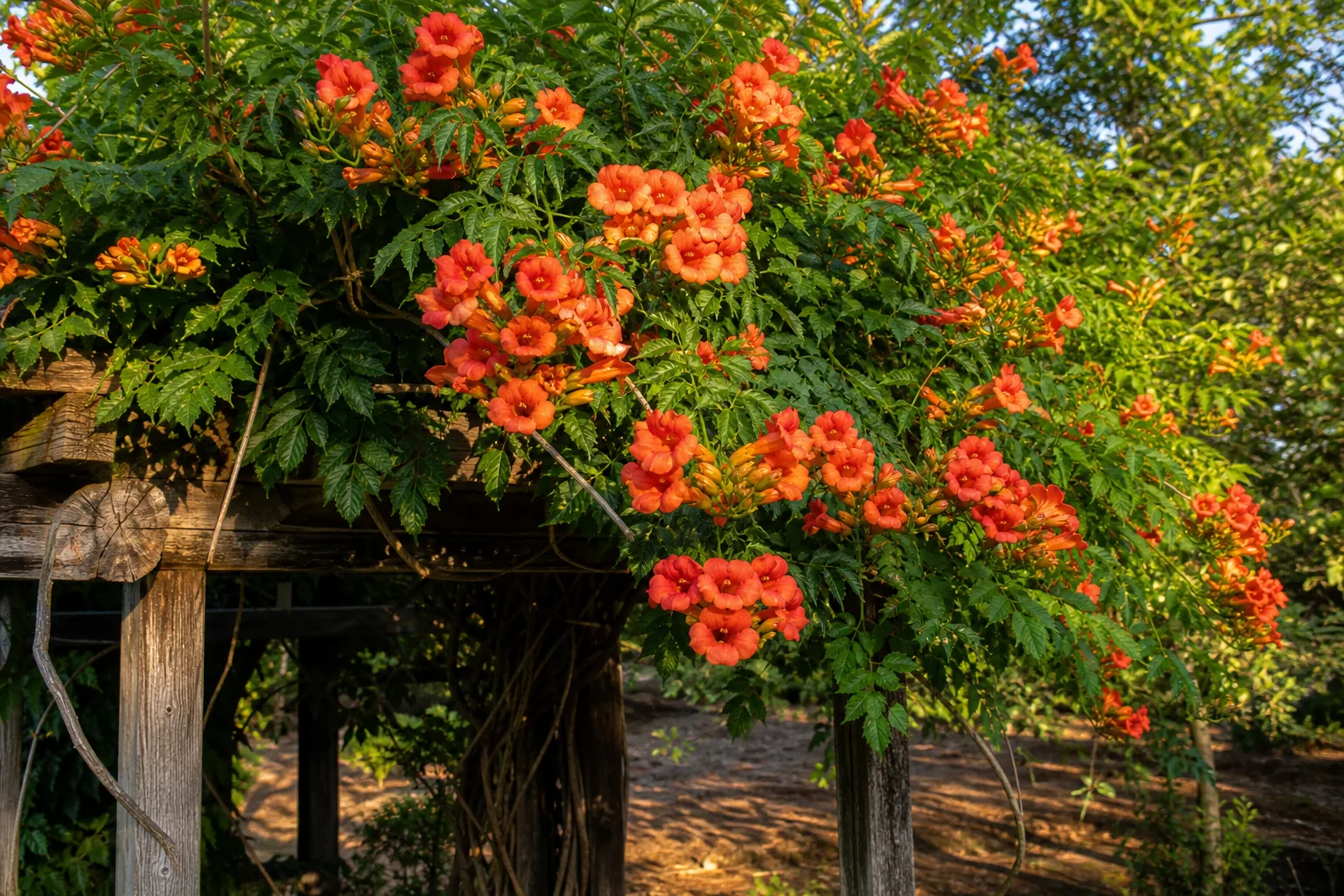
Campsis radicans
Trumpet vine (Campsis radicans) is a vigorous, woody, deciduous clinging vine native to the central and eastern United States, grown for clusters of showy red-orange trumpet-shaped flowers that hummingbirds love from summer into early autumn. It climbs by aerial rootlets and is famous for its vigor, suckering freely from underground runners.
 intermediate
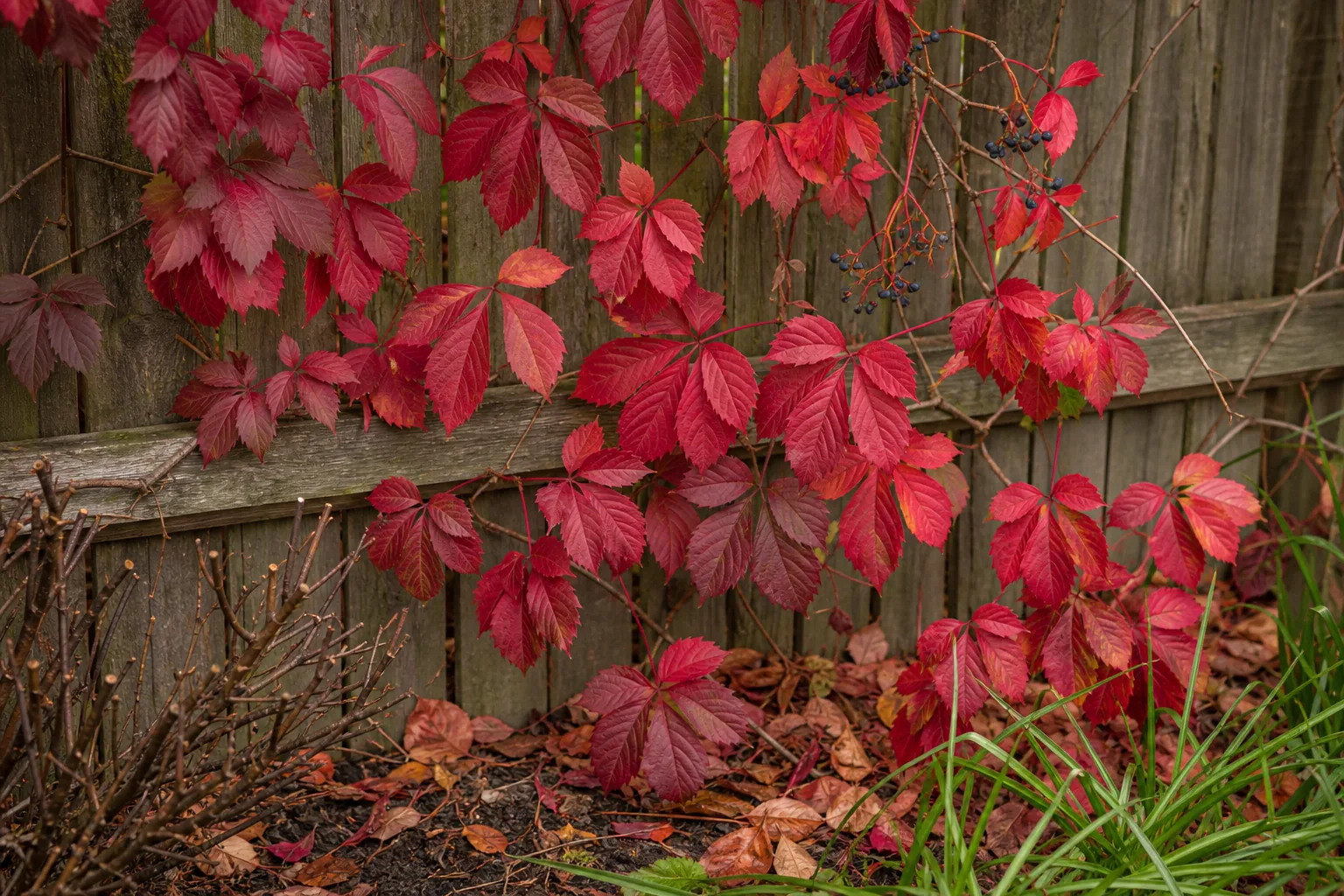
Parthenocissus quinquefolia
Virginia creeper (Parthenocissus quinquefolia) is a vigorous, woody, deciduous vine native to eastern and central North America, valued for its five-leaflet palmate foliage that turns brilliant red in autumn and for the blue-black berries birds eat. It climbs by tendrils tipped with adhesive disks and also creeps as a ground cover.
 Pet-friendlier
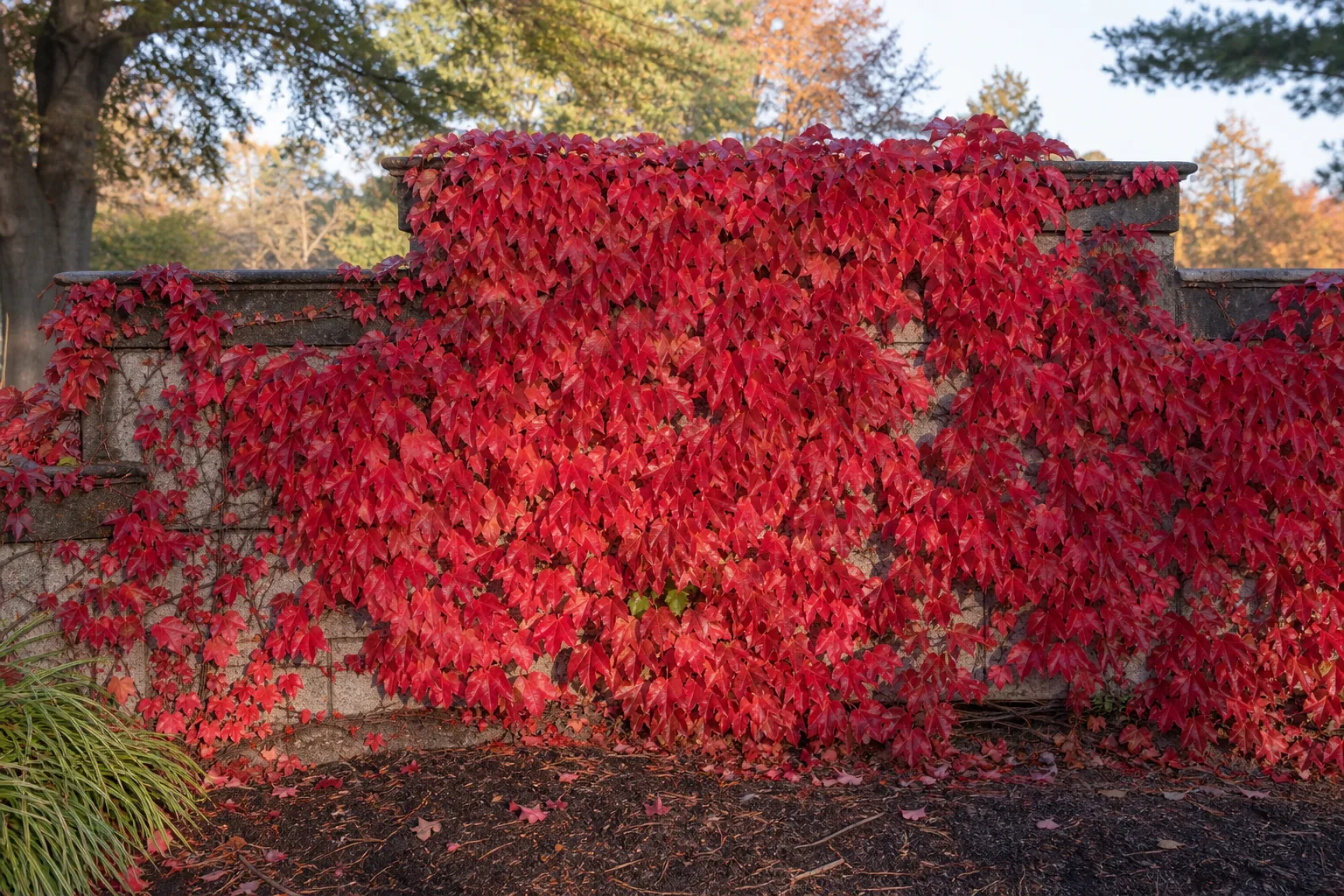
Parthenocissus tricuspidata
Boston ivy (Parthenocissus tricuspidata) is a rapid-growing, deciduous woody vine native to China, Korea, and Japan, famous for covering walls, buildings, and trellises with large, glossy, three-lobed leaves that turn scarlet in autumn. It clings by adhesive holdfasts at the tendril tips and needs no support.
 intermediate
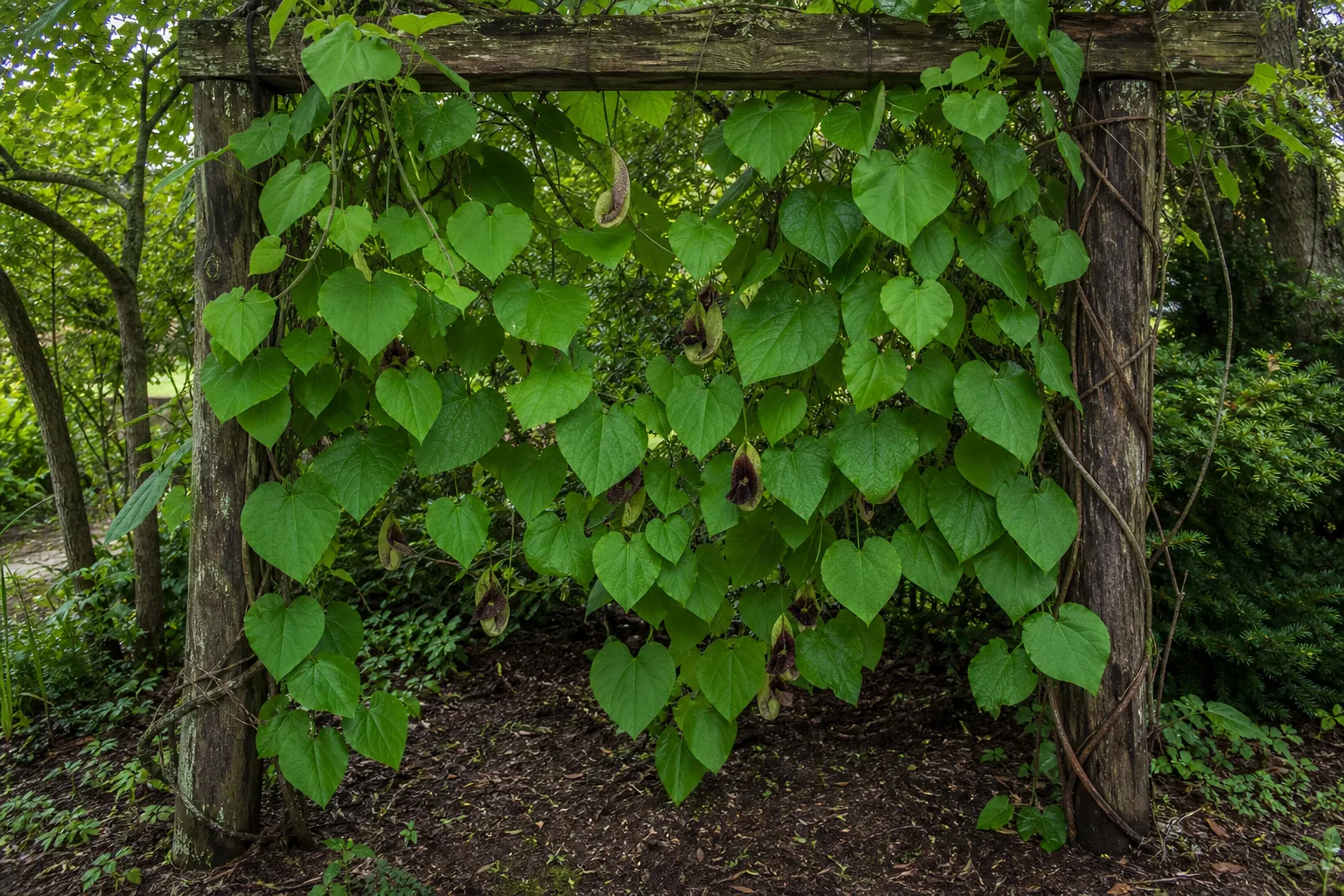
Aristolochia macrophylla
Dutchman's pipe (Aristolochia macrophylla) is a deciduous, woody twining vine native to eastern North America, grown for its huge, heart-shaped, densely overlapping leaves that quickly screen porches, trellises, and fences. Its small, S-curved, pipe-shaped flowers are usually hidden by the foliage, and it is the larval host of the pipevine swallowtail butterfly.
 intermediate
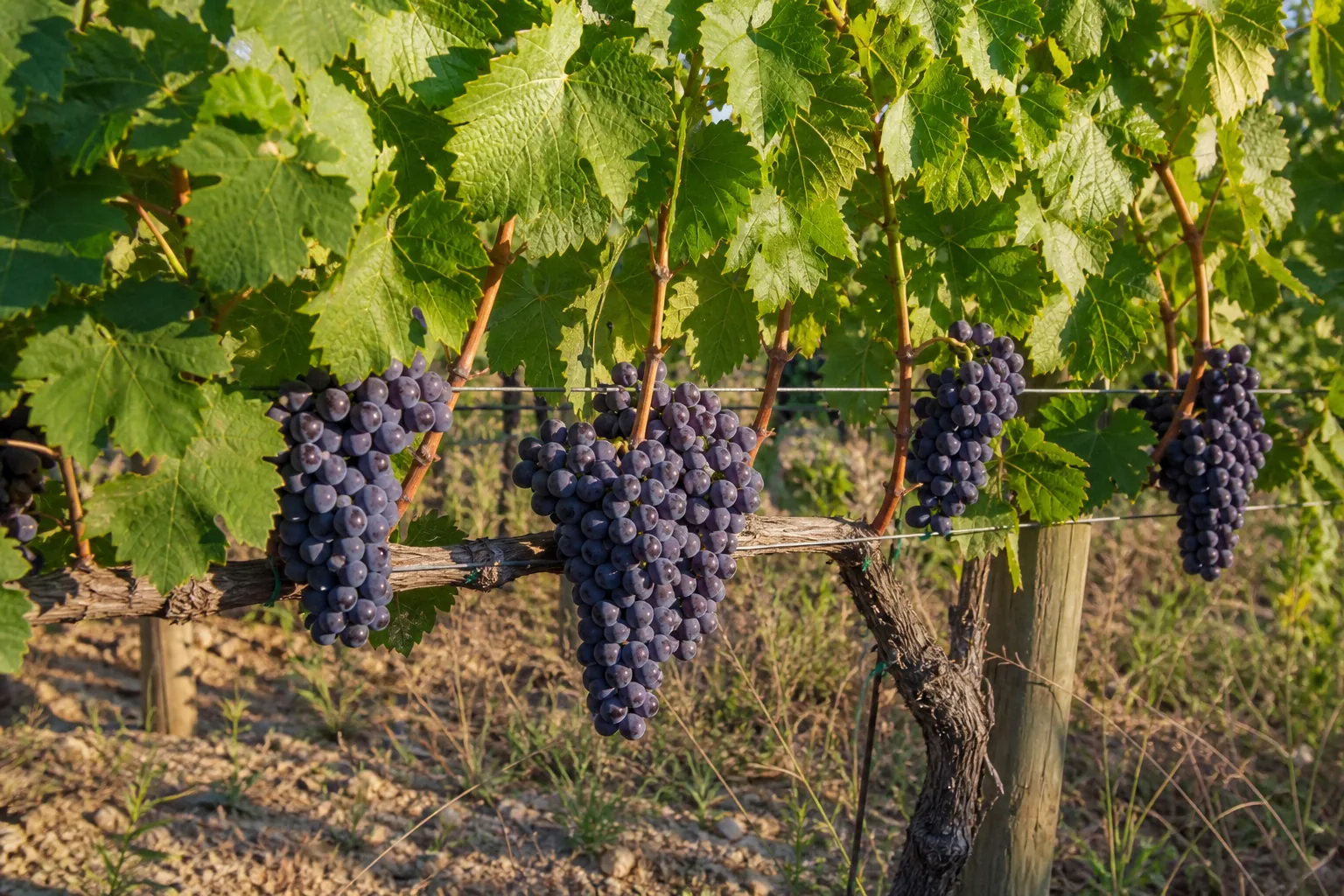
Vitis vinifera
Wine grape (Vitis vinifera) is a woody, deciduous tendril climber native from southern and central Europe to central Asia and northern Iran, cultivated worldwide for its fruit and the wine made from it. It is the classic vine of vineyards and home fruit gardens, climbing by branched tendrils to cover arbors and trellises.
 Pet-friendlier
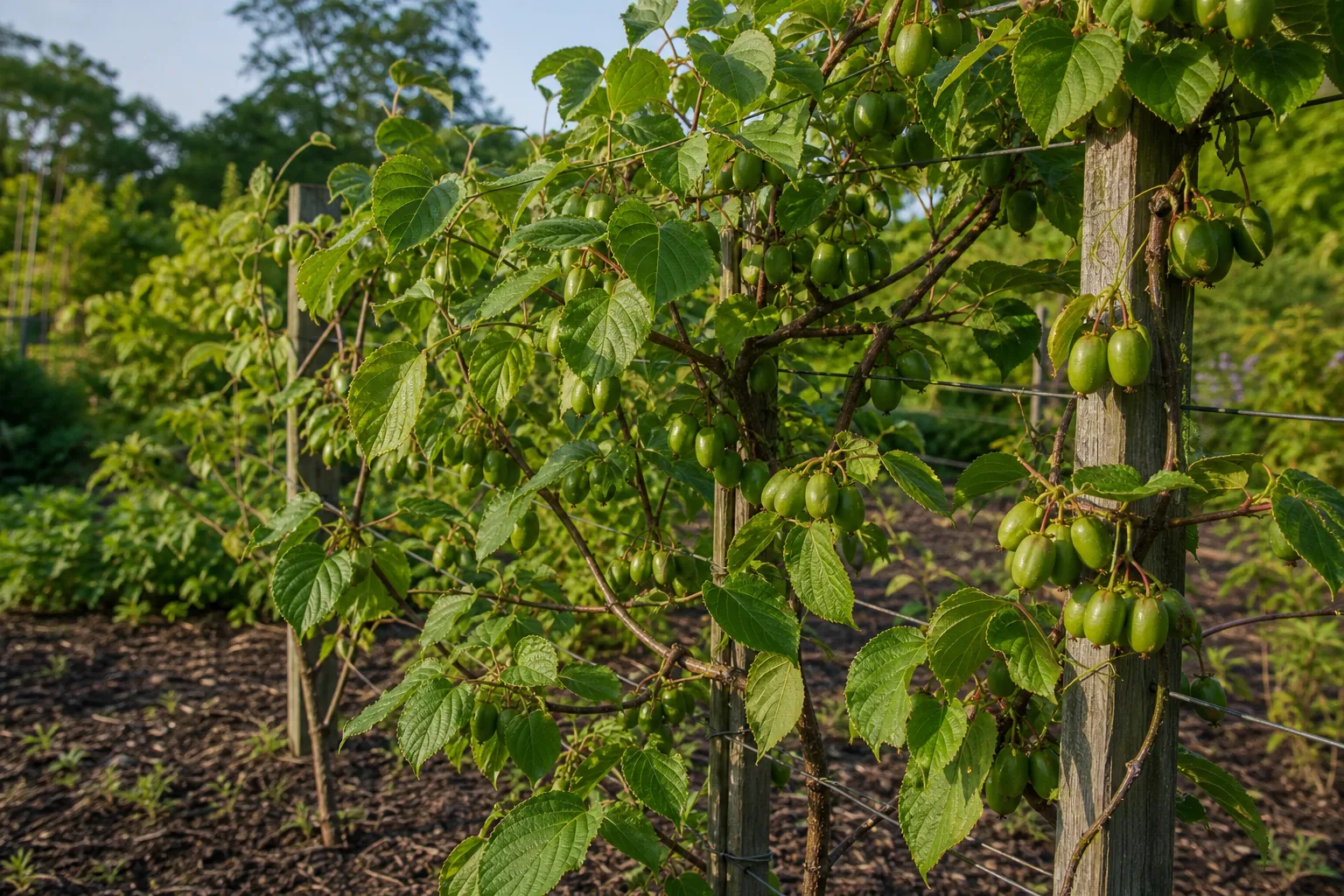
Actinidia arguta
Hardy kiwi (Actinidia arguta) is a vigorous, twining, deciduous woody vine grown for smooth-skinned, grape-sized edible fruits (kiwiberries) and small fragrant white flowers. Native to East Asia (China, Japan, Korea, and the Russian Far East), it is the hardiest fruiting kiwi, thriving in USDA zone 3 winters.
 intermediate
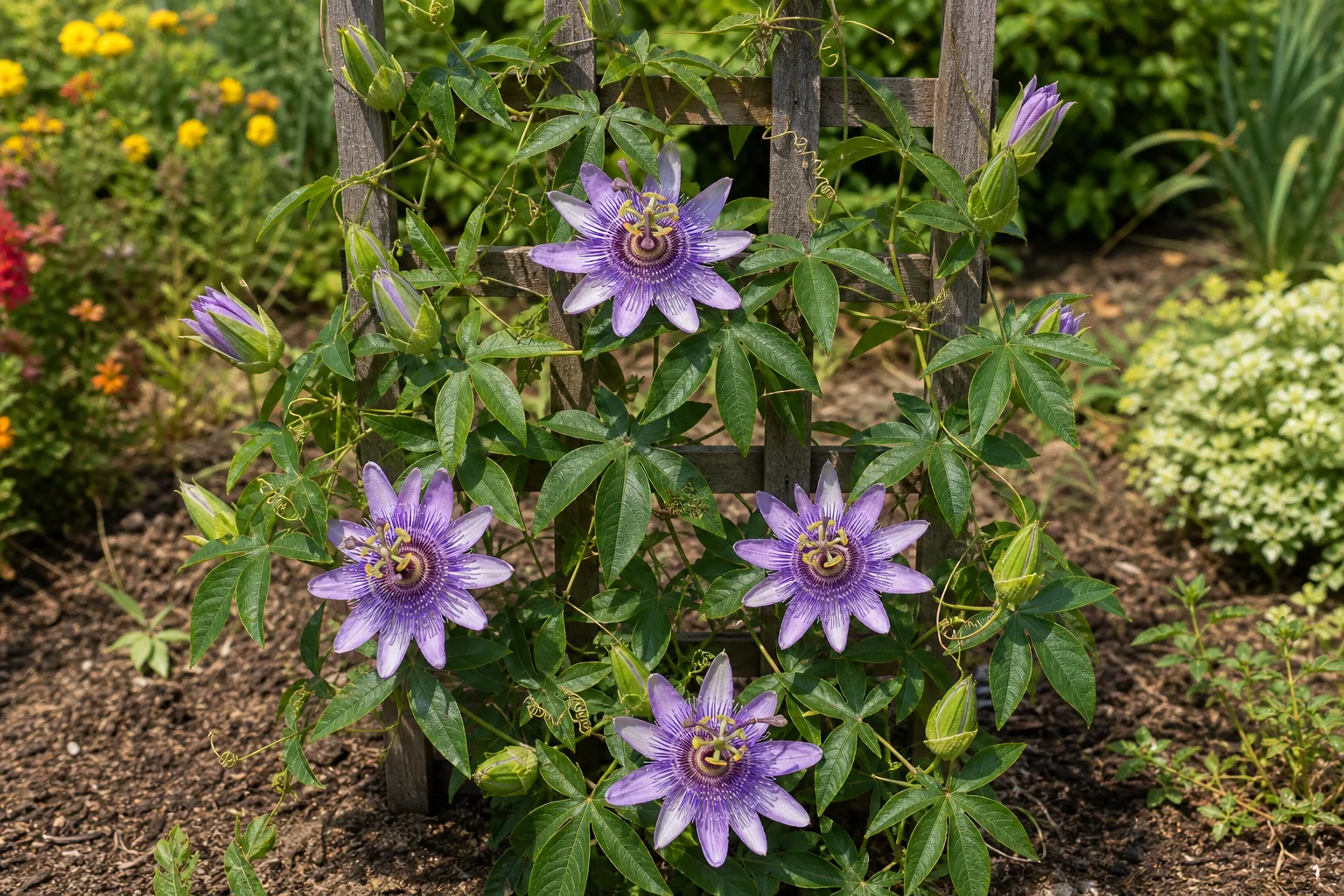
Passiflora incarnata
Purple passionflower (Passiflora incarnata), also called maypop, is a fast-growing herbaceous perennial vine with intricate lavender, pink, and purple flowers bearing a fringed corona. Native to the central and eastern United States and Bermuda, it dies back to the ground each winter and resprouts vigorously, producing edible orange-yellow fruits called maypops.
 intermediate
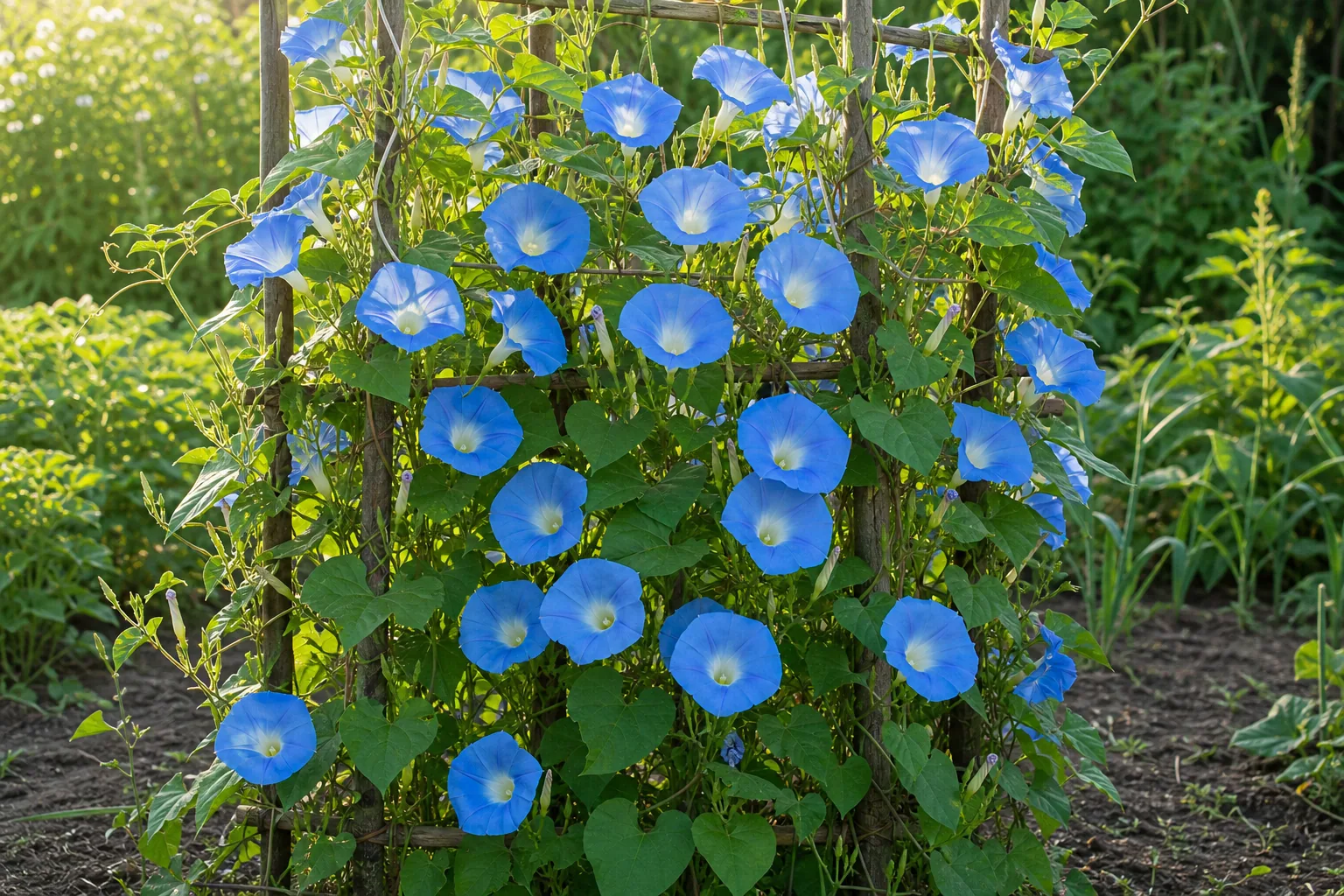
Ipomoea purpurea
Common morning glory (Ipomoea purpurea) is a fast-growing, twining annual vine with heart-shaped leaves and 2-inch trumpet flowers in purple, blue, pink, red, and white that open each morning. Native to tropical and subtropical America, it is a classic quick climber for fences and trellises and reseeds freely.
 Pet-friendlier
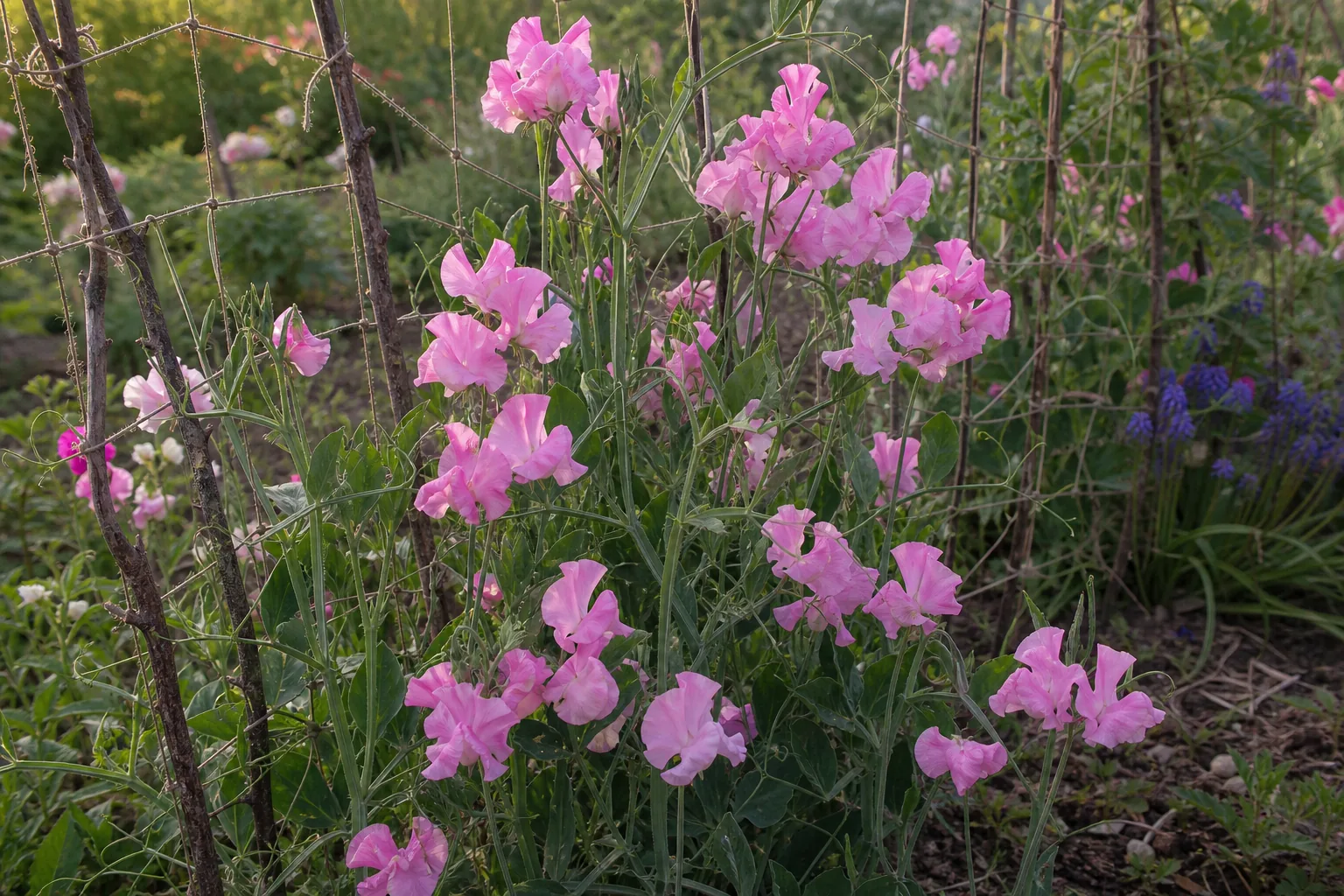
Lathyrus odoratus
Sweet pea (Lathyrus odoratus) is a fragrant, tendril-climbing cool-season annual with ruffled, pea-like flowers in pink, purple, white, and bicolor. Native to southern Italy and Sicily, it is a classic cottage-garden cut flower grown for its scent and long stems.
 Pet-friendlier
Thunbergia alata
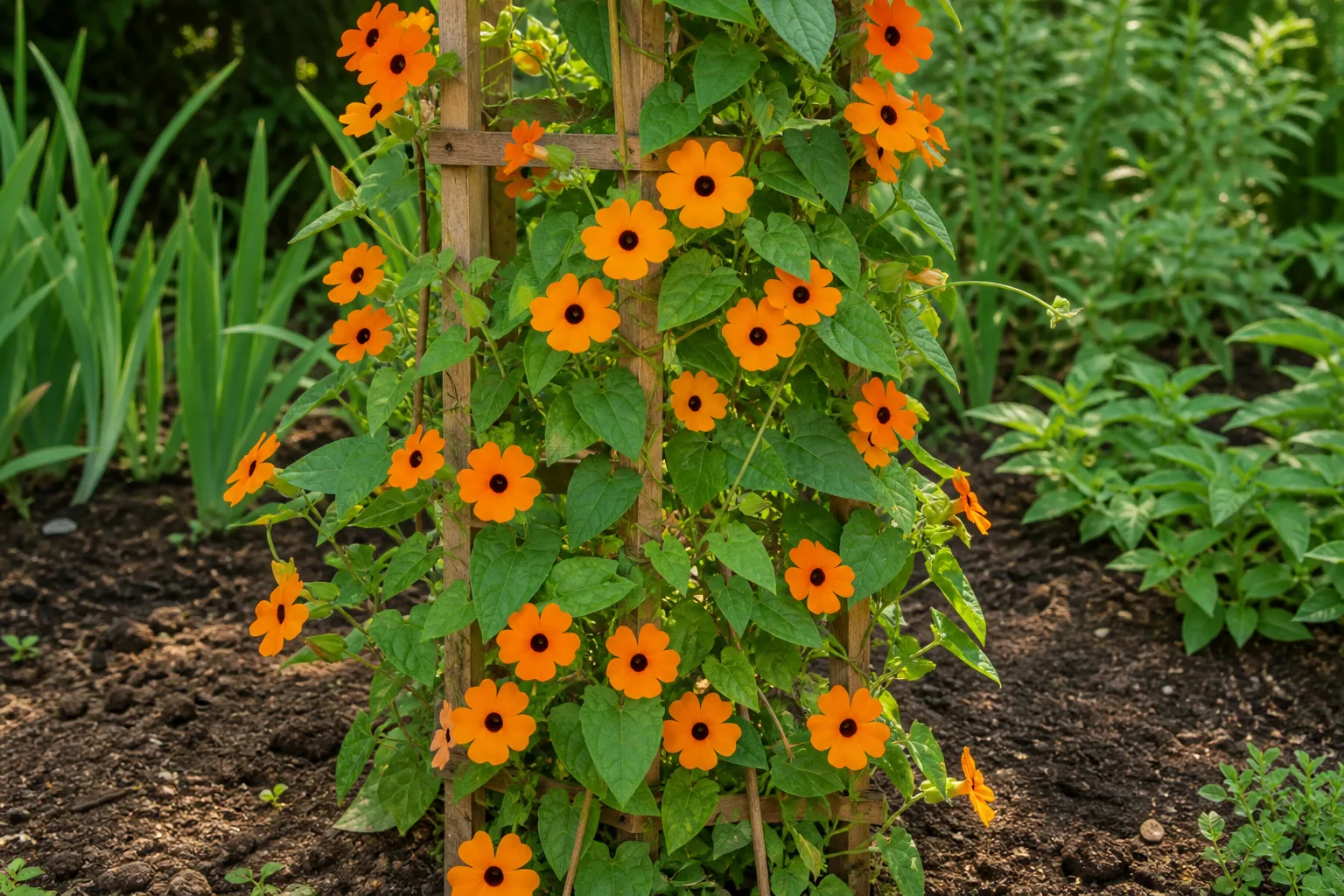
Black-eyed Susan vine (Thunbergia alata) is a fast-growing, twining tropical vine with cheerful orange-to-yellow, five-petaled flowers, each with a dark chocolate-brown center. Native to tropical and southern Africa, it is grown as a warm-season annual or a frost-tender perennial for trellises, fences, and hanging baskets.
 Pet-friendlier
Tropaeolum majus
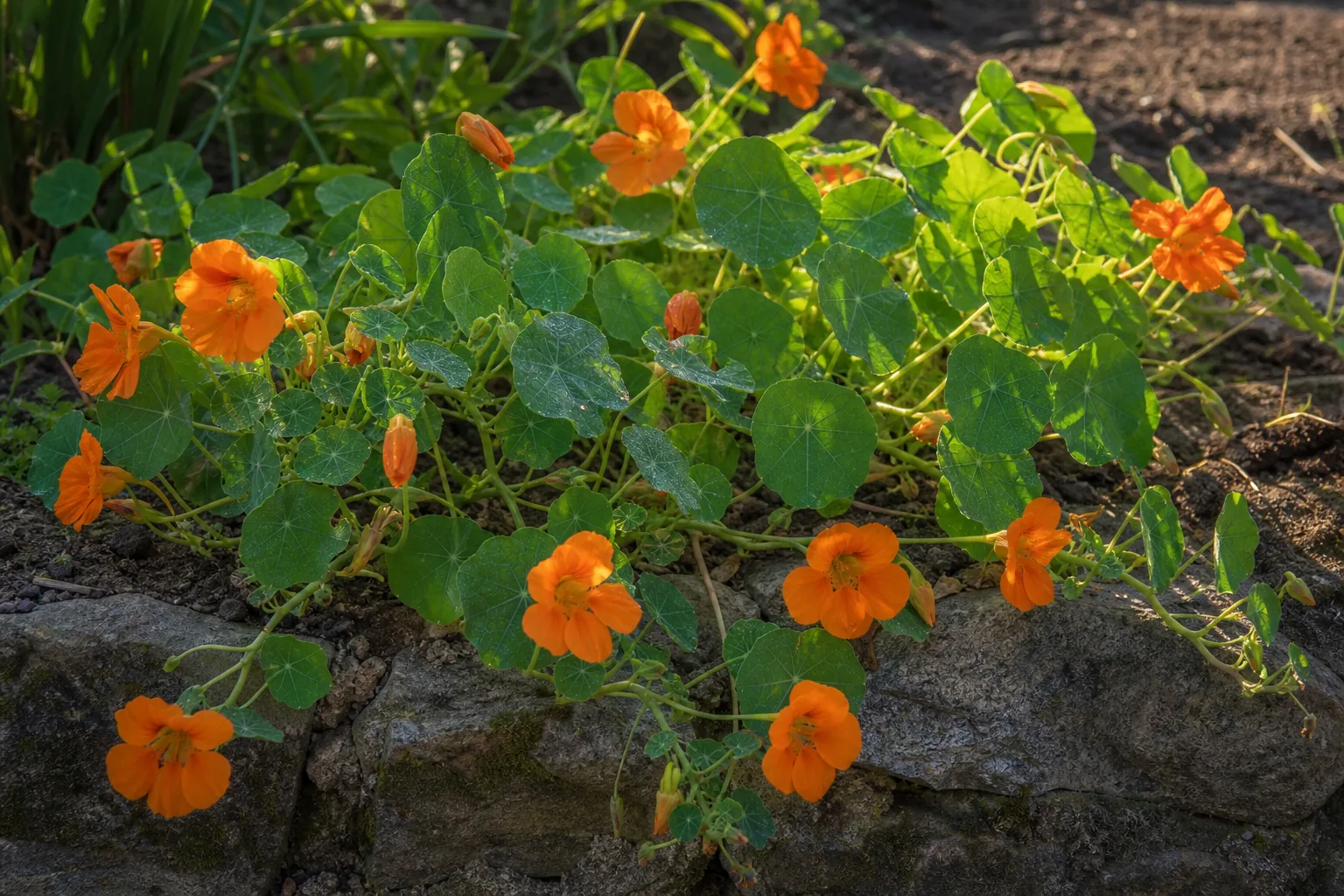
Garden nasturtium (Tropaeolum majus) is a fast-growing, tender annual with round, parasol-like leaves and spurred red, orange, or yellow flowers. Native to the Andes, it is grown as a trailing or climbing ornamental whose leaves, flowers, and seedpods are all edible with a peppery flavour.
 intermediate
Phaseolus coccineus
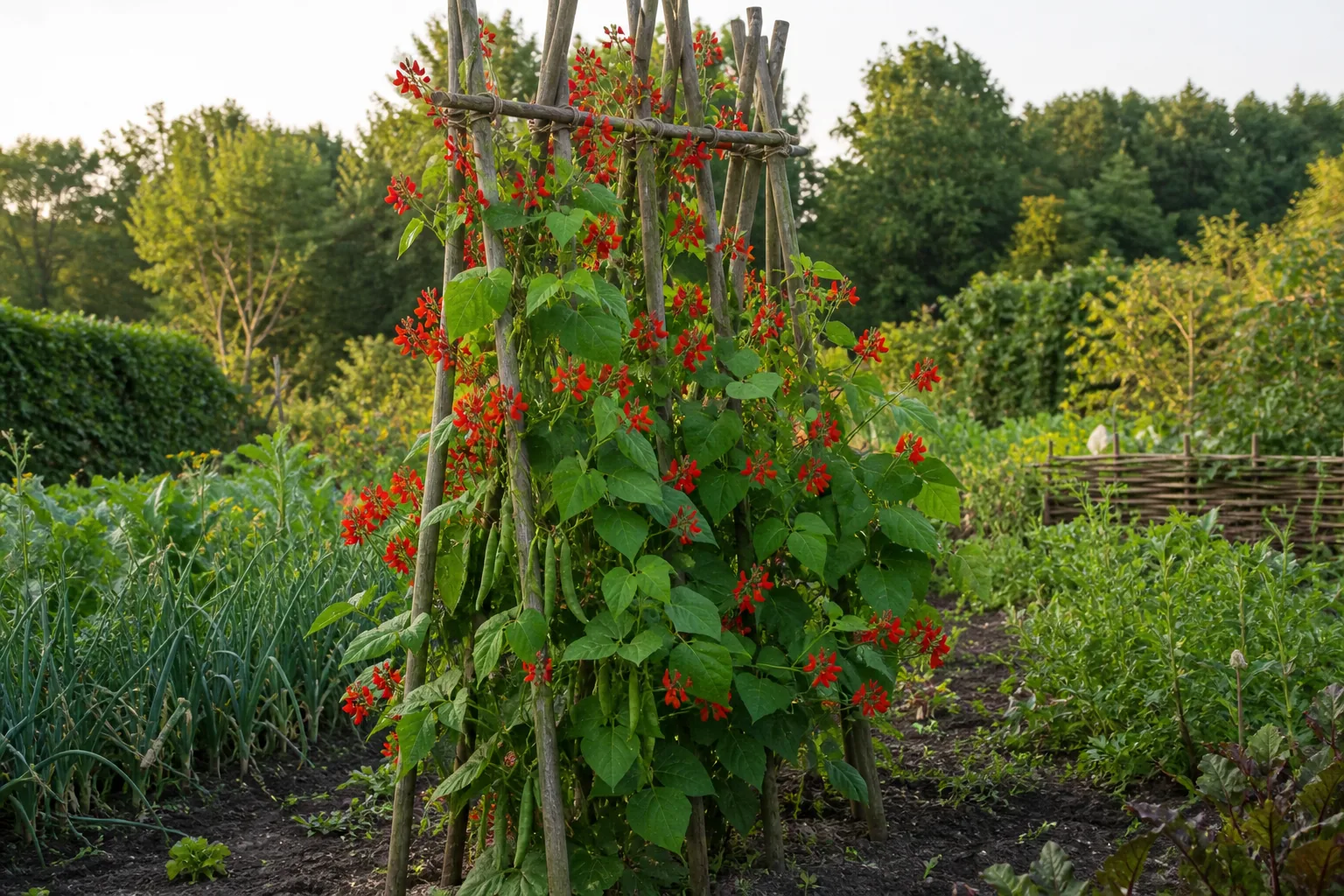
Scarlet runner bean (Phaseolus coccineus) is a vigorous twining vine in the pea family grown both as an ornamental for sprays of flame-red flowers and as a food crop for edible pods and beans. Native to the mountains of Mexico and Central America, it is a tender perennial usually grown as an annual, and its flowers are magnets for hummingbirds.
 Pet-friendlier
Basella alba
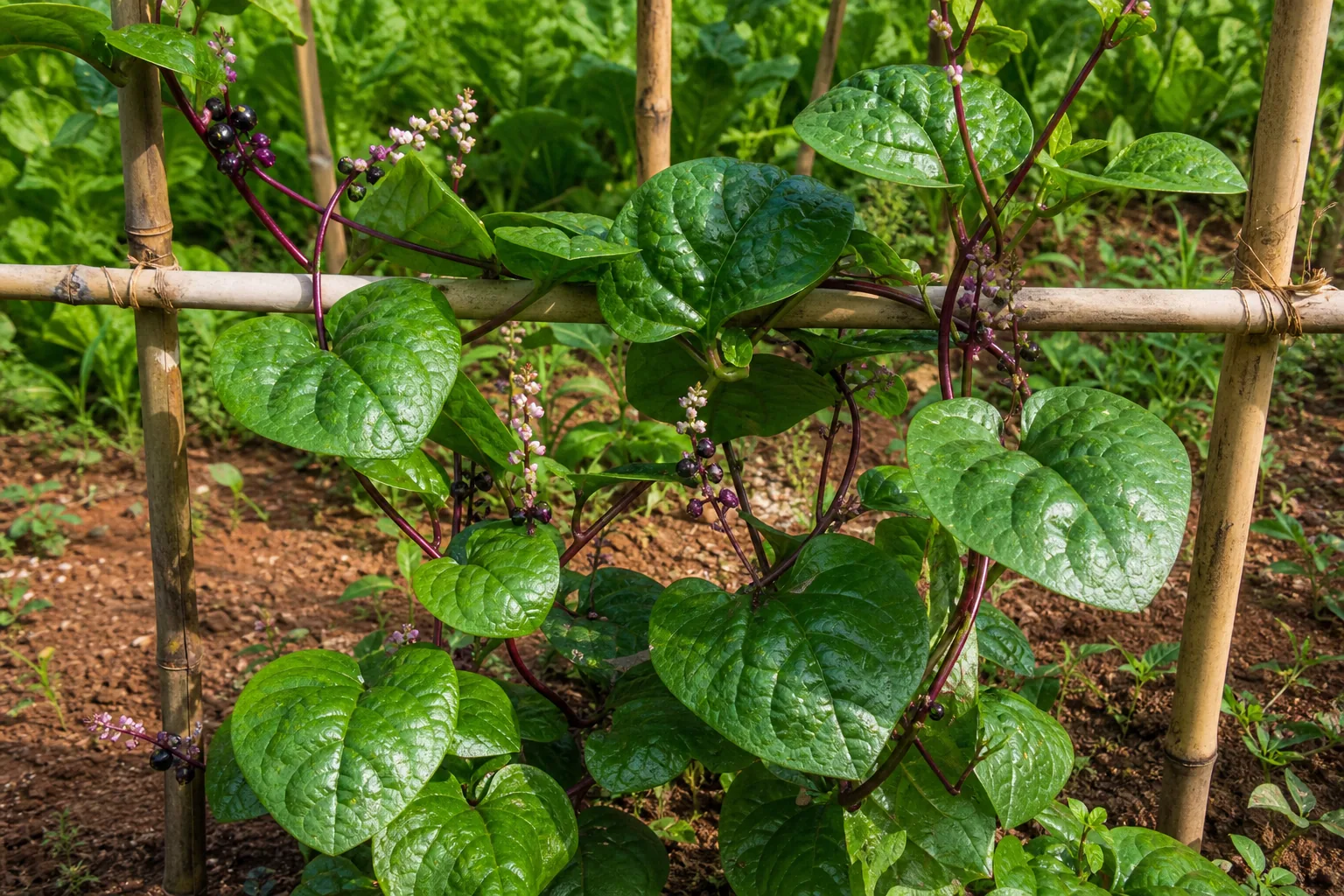
Malabar spinach (Basella alba) is a fast-growing, twining, heat-loving vine grown for its thick, glossy, semi-succulent leaves, which are used like spinach. Native to tropical Asia, it thrives in hot weather when true spinach fails, bearing inconspicuous flowers followed by deep purple-black berries.
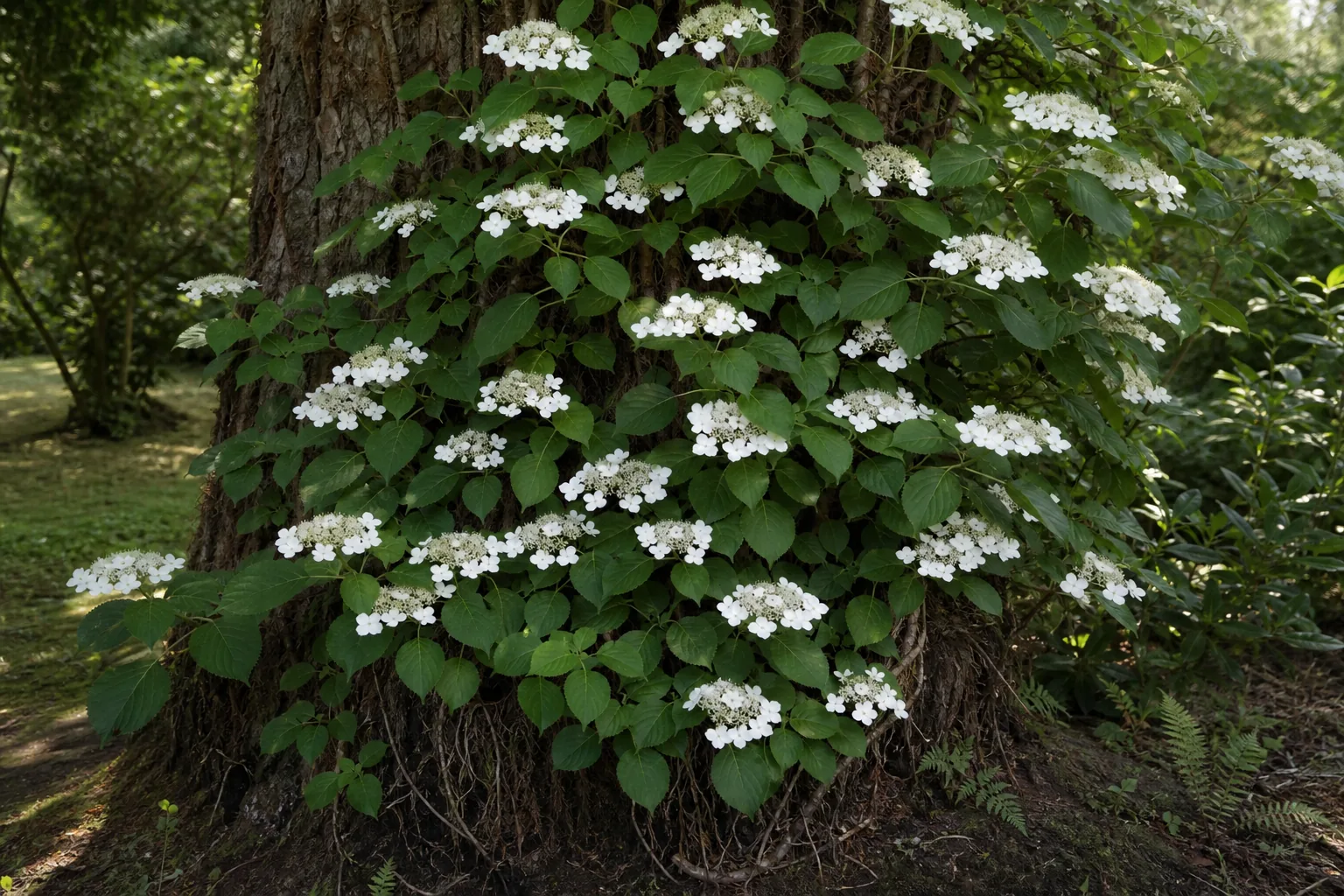 intermediate
Hydrangea petiolaris
Climbing hydrangea (Hydrangea petiolaris) is a vigorous, self-clinging woody vine with heart-shaped leaves, flat lacecap clusters of fragrant white flowers in early summer, and handsome exfoliating bark in winter. Native to Japan, Korea, and Sakhalin, it climbs by aerial rootlets and twining stems.
Tie in new shoots loosely and direct vigorous growth before stems become woody.