 beginner
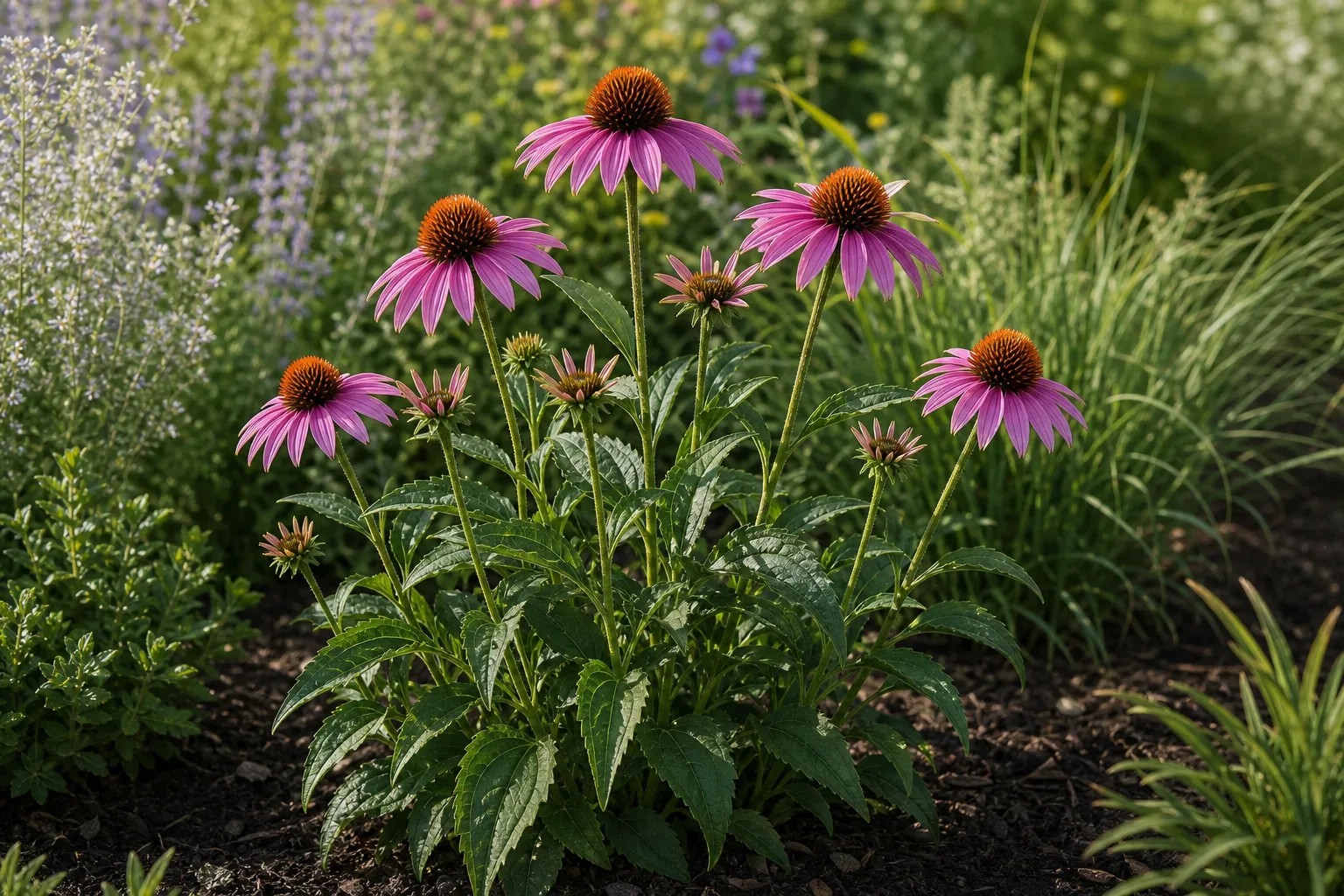
Purple Coneflower
Echinacea purpurea
A central and eastern North American perennial with rose-purple rays around a spiny orange-brown cone.
Native status is regional, not universal. Confirm a plant's natural range through a local extension service or native plant society.
This collection is the permanent home for practical native plants profiles, planning guides, seasonal care, and problem-solving content.
Native works best as a local filter, not a global label. A plant native to your region is adapted to its rainfall rhythm, soils, and pollinators, which usually means less watering, less fertilizer, and more wildlife once established. Use your region—not just your country—when shortlisting from this collection, and favor plants from conditions that match your site.
Establishment still takes care. Even a perfectly adapted native needs regular water in its first season or two while roots reach beyond the planting hole. After that, most ask for little: no routine fertilizer, minimal pruning, and tolerance for seed heads and hollow stems that feed and shelter wildlife through winter.
21 plants
beginnerEchinacea purpurea
A central and eastern North American perennial with rose-purple rays around a spiny orange-brown cone.
 beginner
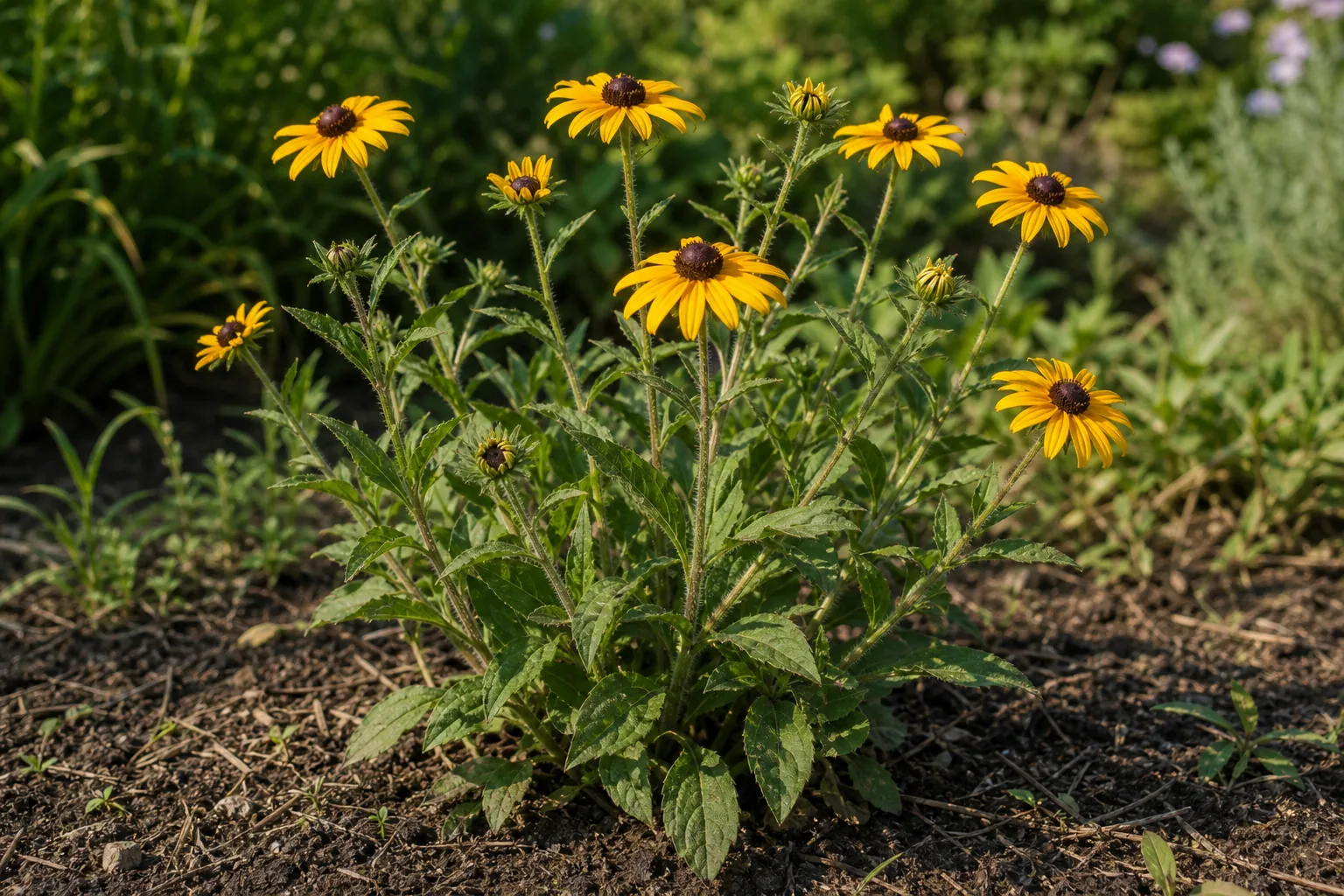
Rudbeckia hirta
A familiar North American wildflower with golden rays around a dark domed center, often grown as an annual or short-lived perennial.
 beginner
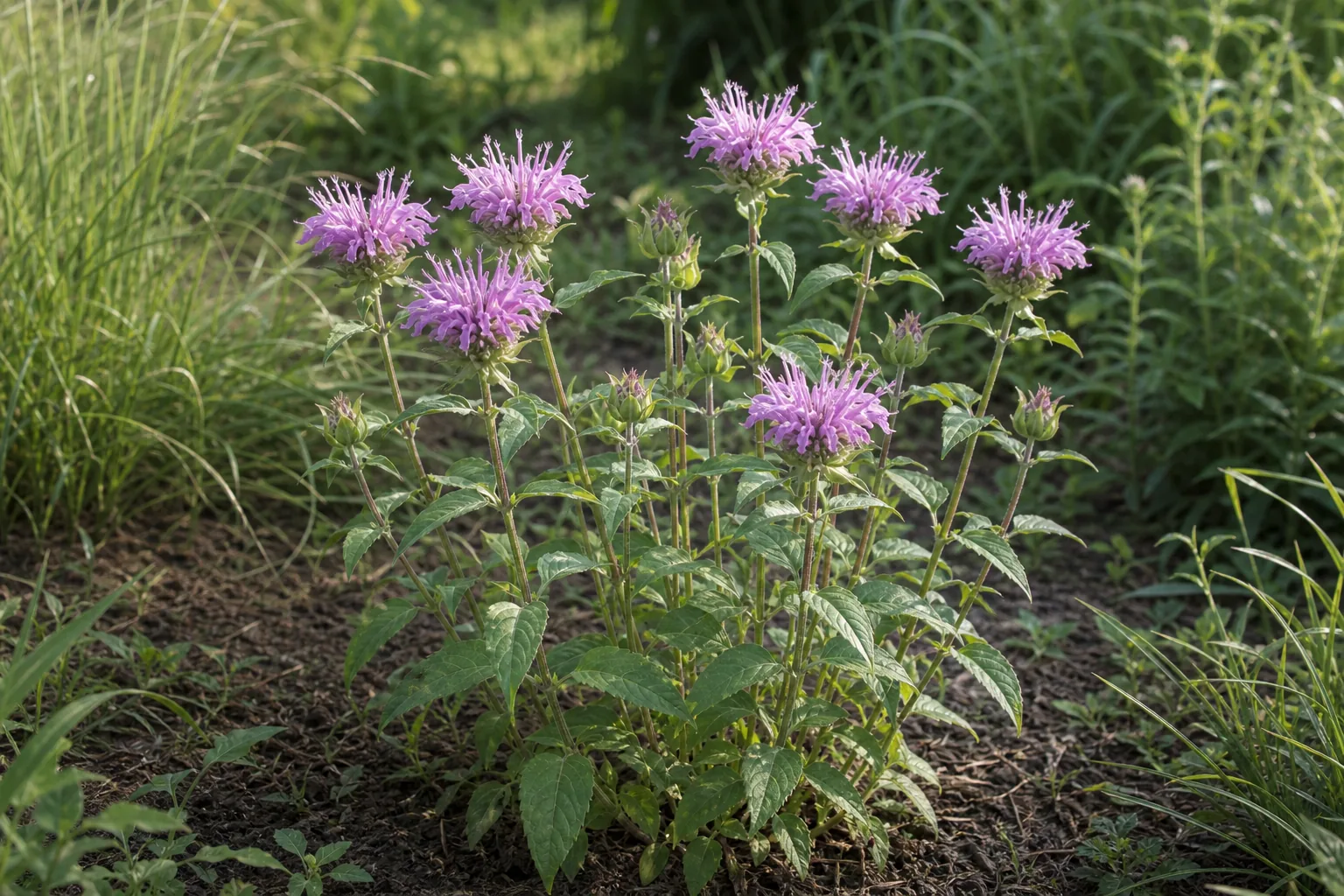
Monarda fistulosa
A North American mint-family perennial with aromatic foliage and lavender-pink flower heads that draw summer pollinators.
 Pet-friendlier
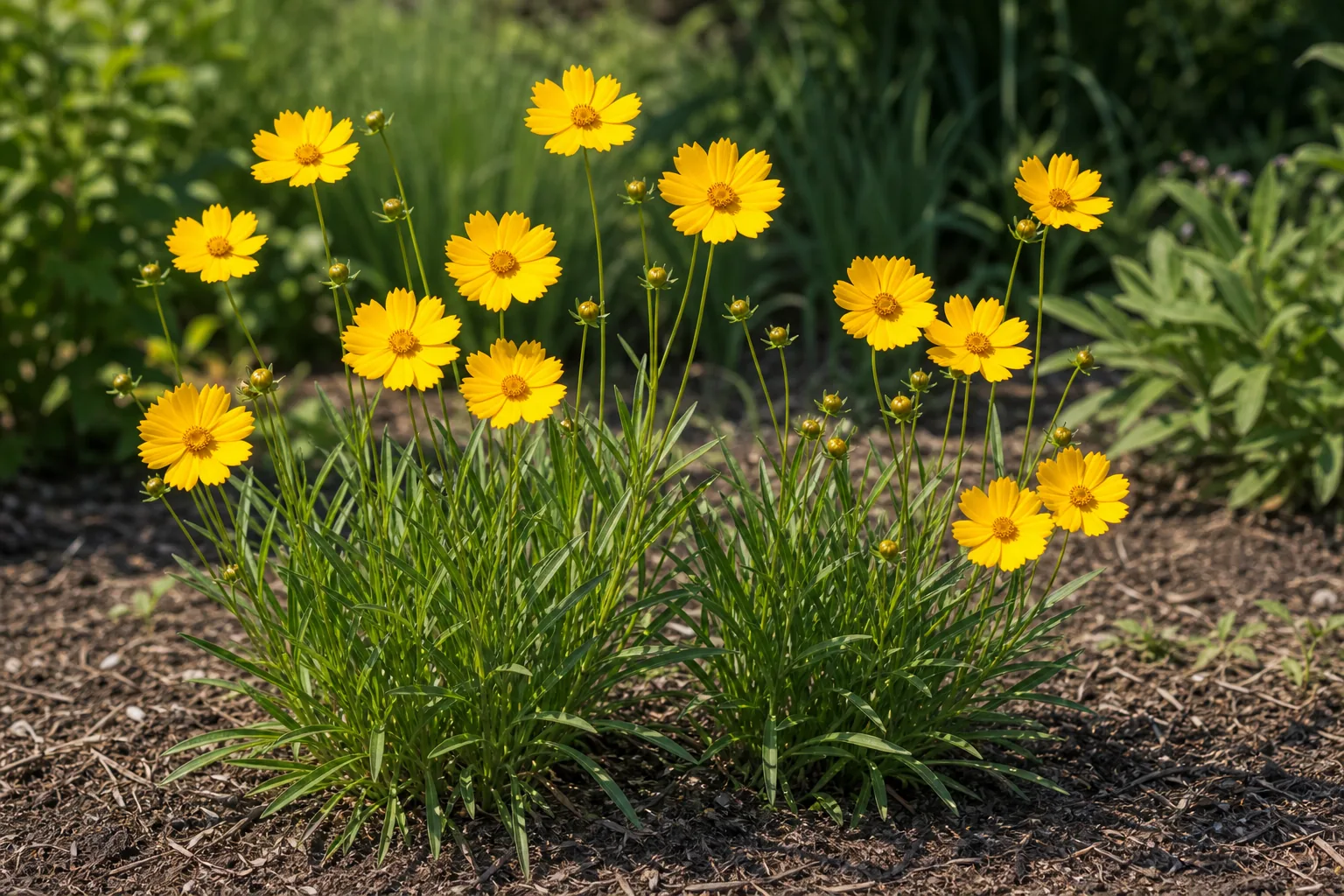
Coreopsis lanceolata
A compact North American wildflower with narrow basal leaves and clear yellow daisylike flowers on slender spring-to-summer stems.
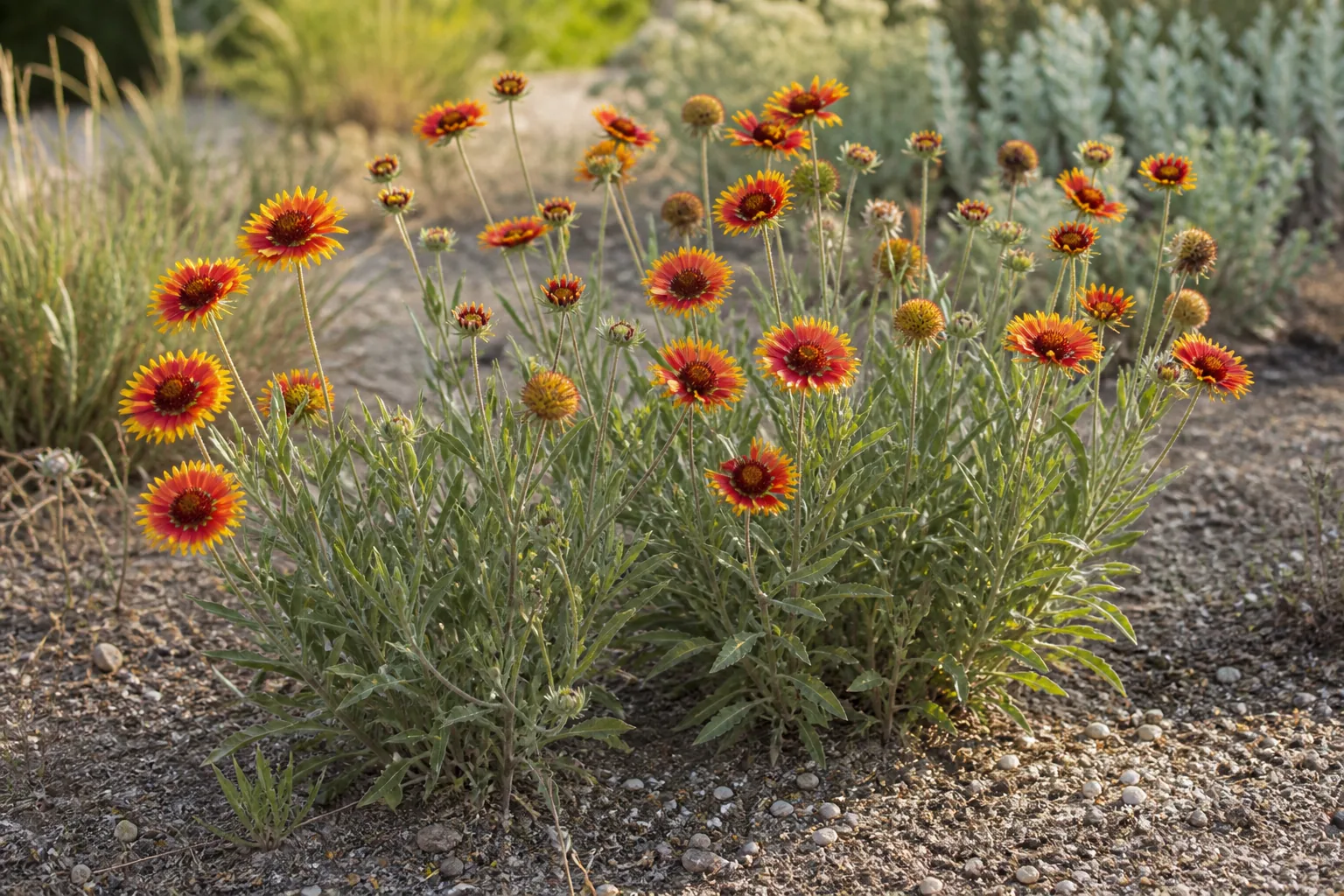 beginner
Gaillardia aristata
A western and northern North American perennial with bristly foliage and long-stemmed yellow to red-and-yellow daisylike flowers.
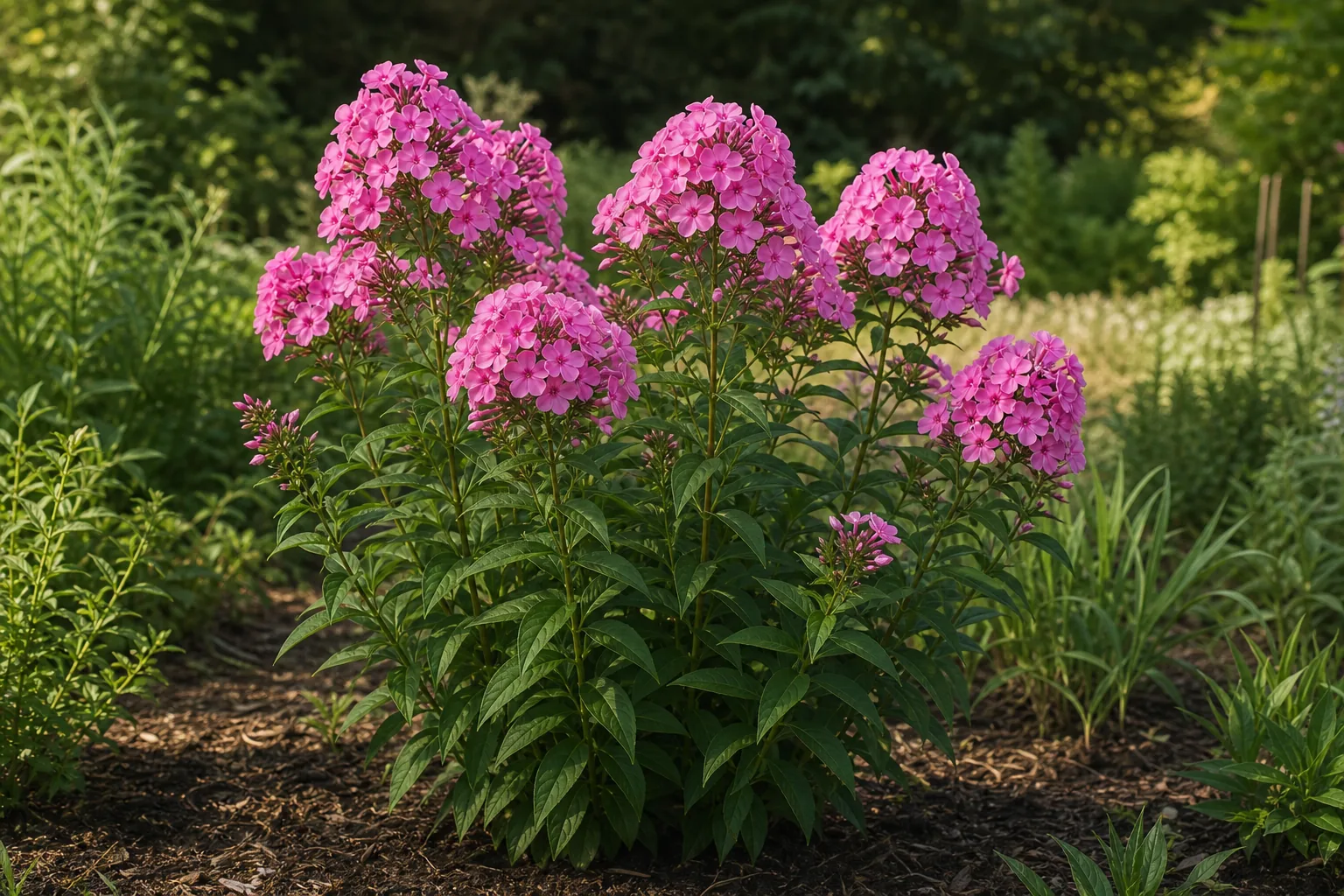 intermediate
Phlox paniculata
A classic eastern North American border perennial with fragrant tubular flowers packed into tall midsummer panicles.
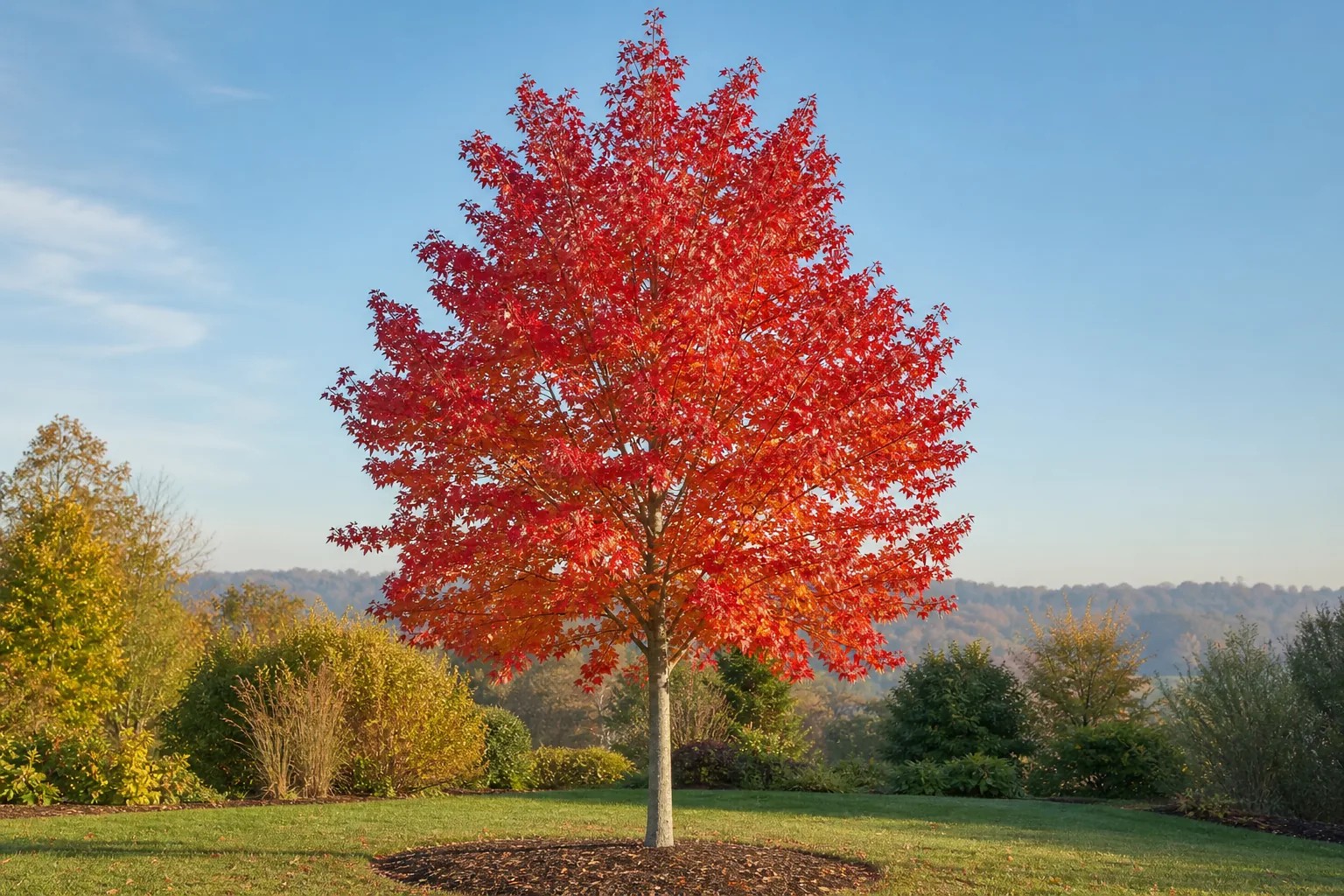 Pet-friendlier
Acer rubrum
An adaptable eastern North American maple valued for early red flowers, winged seed, and vivid autumn foliage.
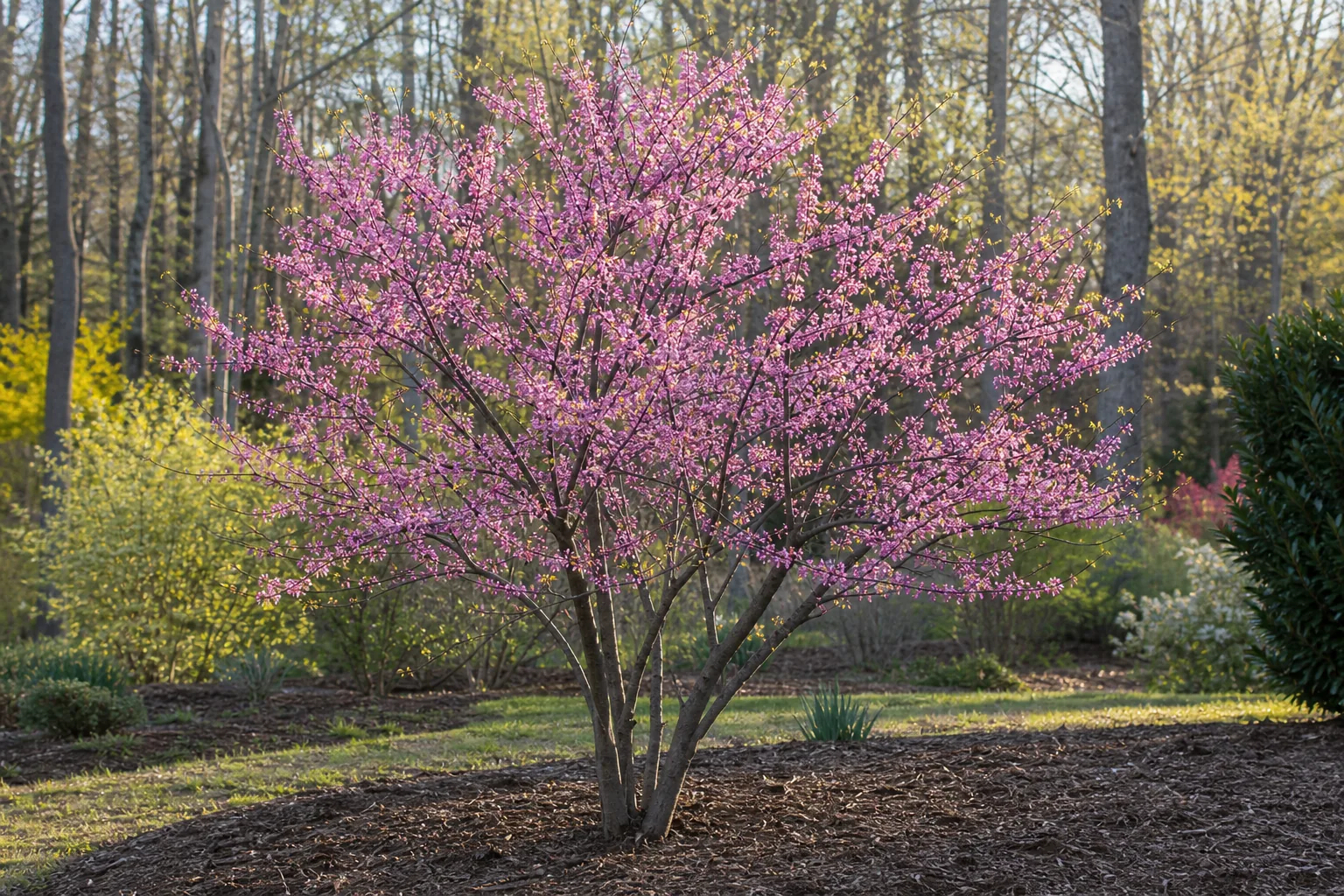 intermediate
Cercis canadensis
A small eastern North American tree whose bare branches carry rose-purple pea flowers before heart-shaped leaves emerge.
 advanced
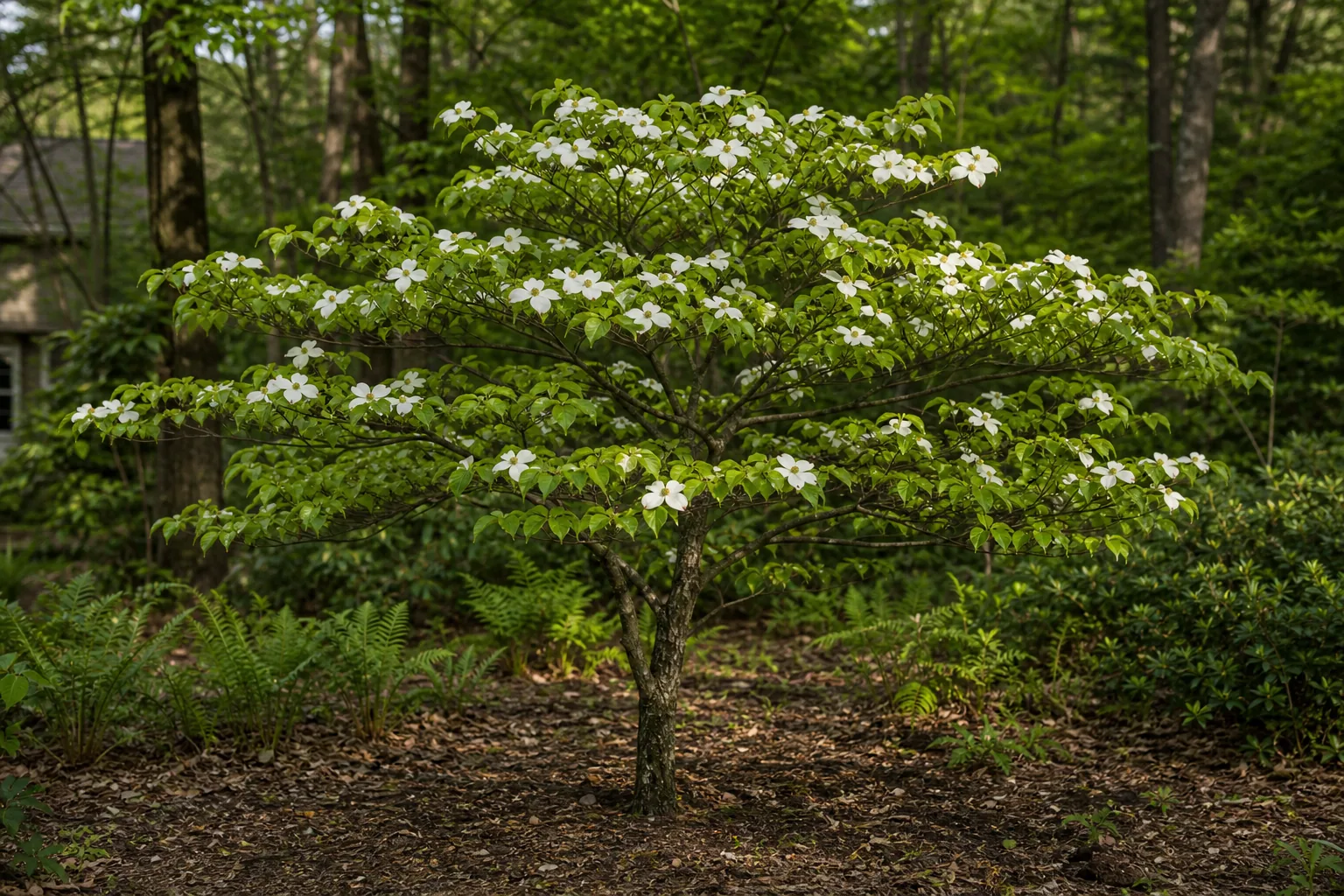
Cornus florida
A small eastern North American understory tree with white spring bracts, red fruit for birds, and red-purple fall color.
 intermediate
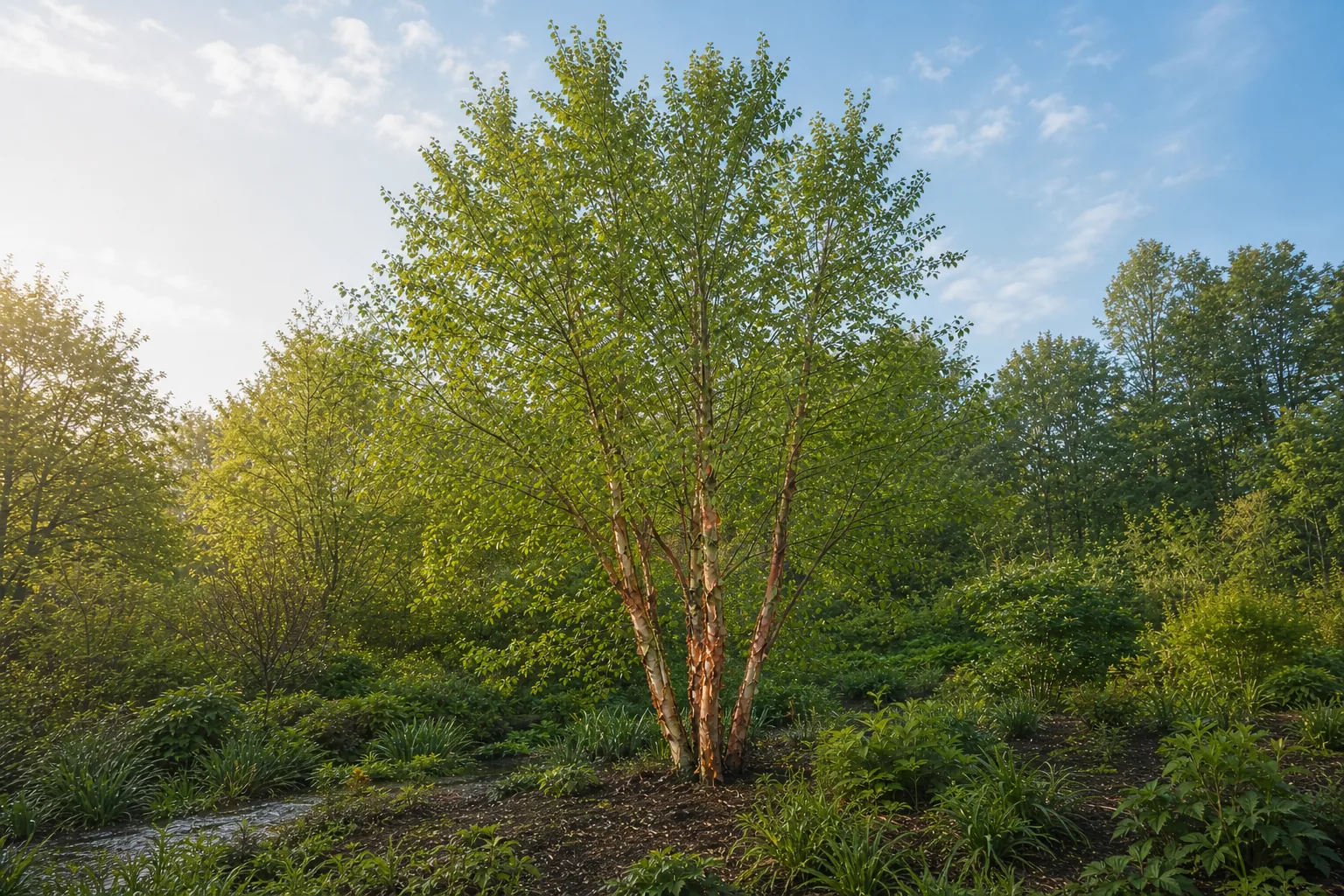
Betula nigra
A fast-growing eastern U.S. birch with curling salmon-brown bark and unusual tolerance of heat and wet ground.
 advanced
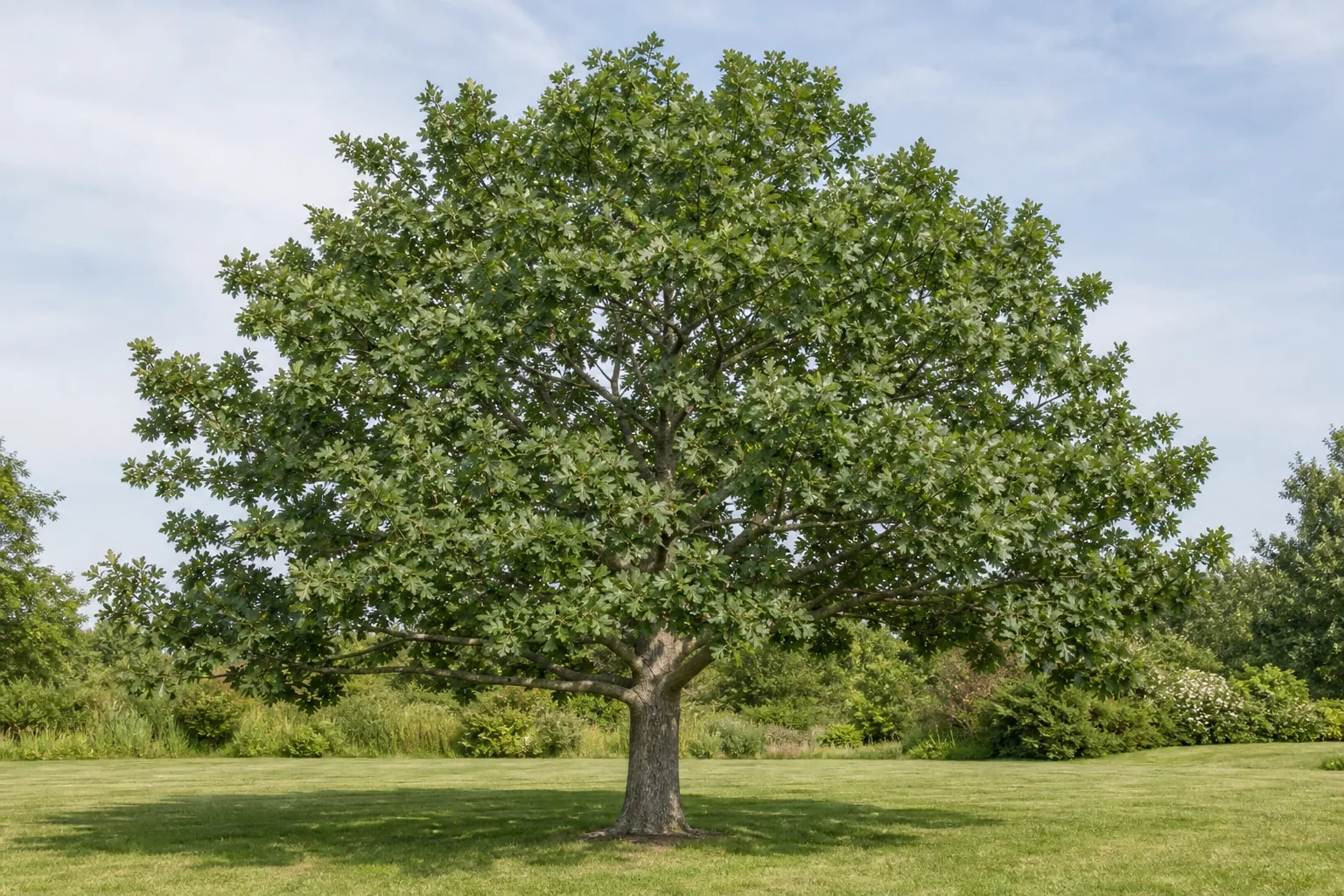
Quercus alba
A massive, long-lived eastern North American oak with rounded leaf lobes, pale bark, broad shade, and wildlife-rich acorns.
 intermediate
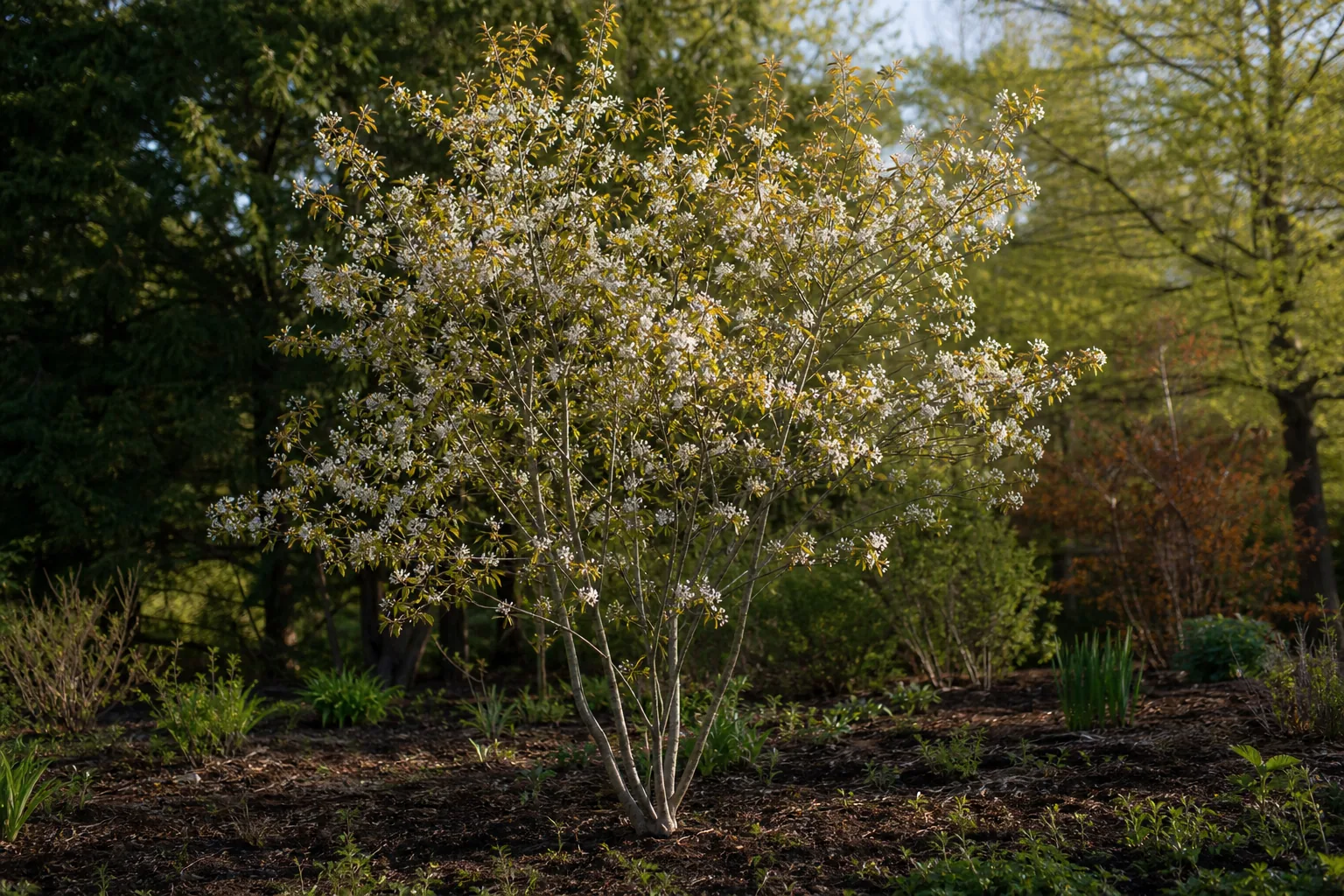
Amelanchier canadensis
Serviceberry (Amelanchier canadensis), also called shadblow or juneberry, is a small, multi-stemmed native tree or large shrub with showy white spring flowers, edible blueberry-like fruit in early summer, and orange-red autumn color. Native to eastern North America, it is a four-season plant for moist woodland-edge and native gardens.
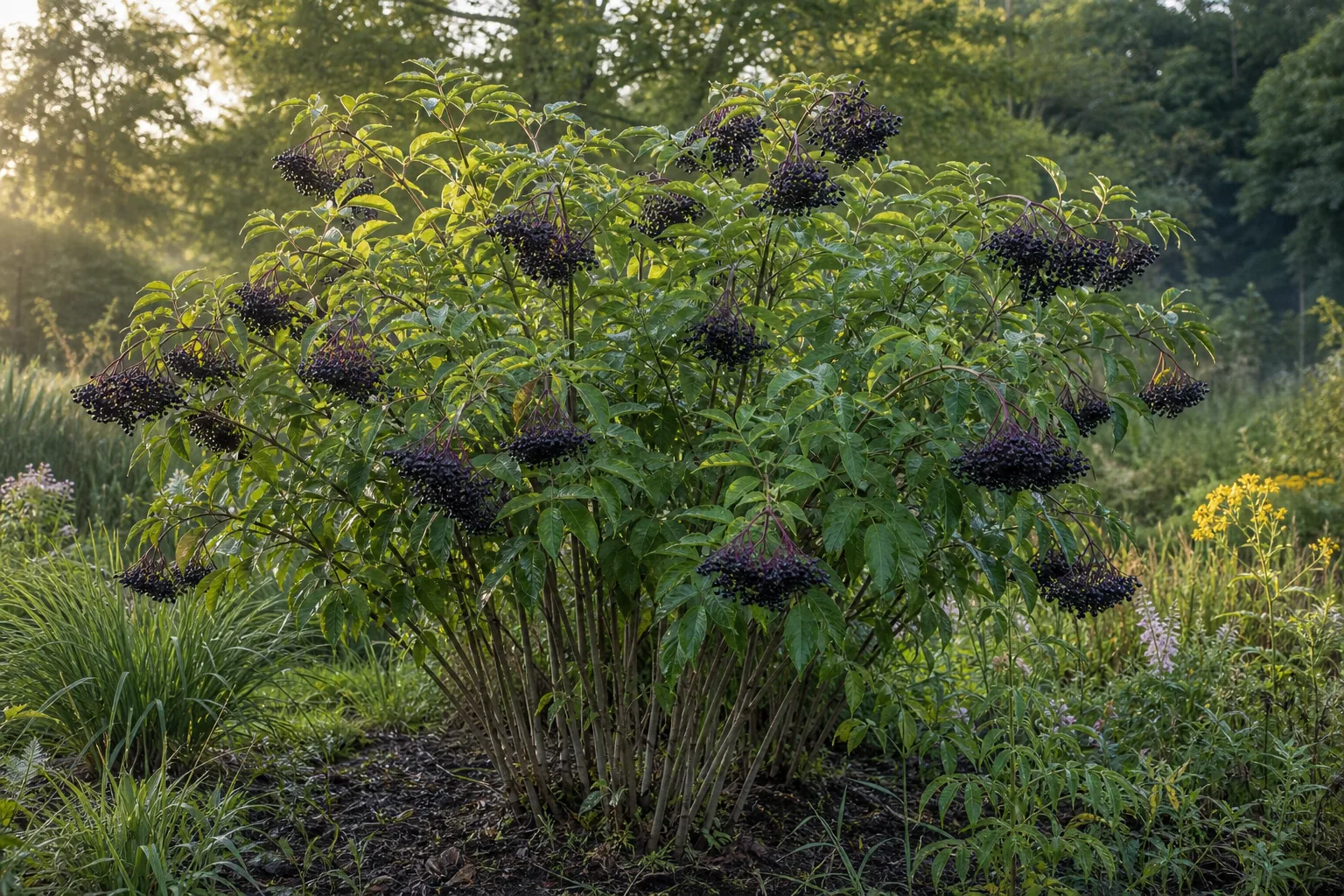 intermediate
Sambucus canadensis
American elderberry (Sambucus canadensis) is a deciduous, suckering shrub grown for large, flat clusters of white flowers and drooping clusters of dark purple-black berries. Native to eastern North America, it is valued for edible fruit (when cooked) and its wildlife value.
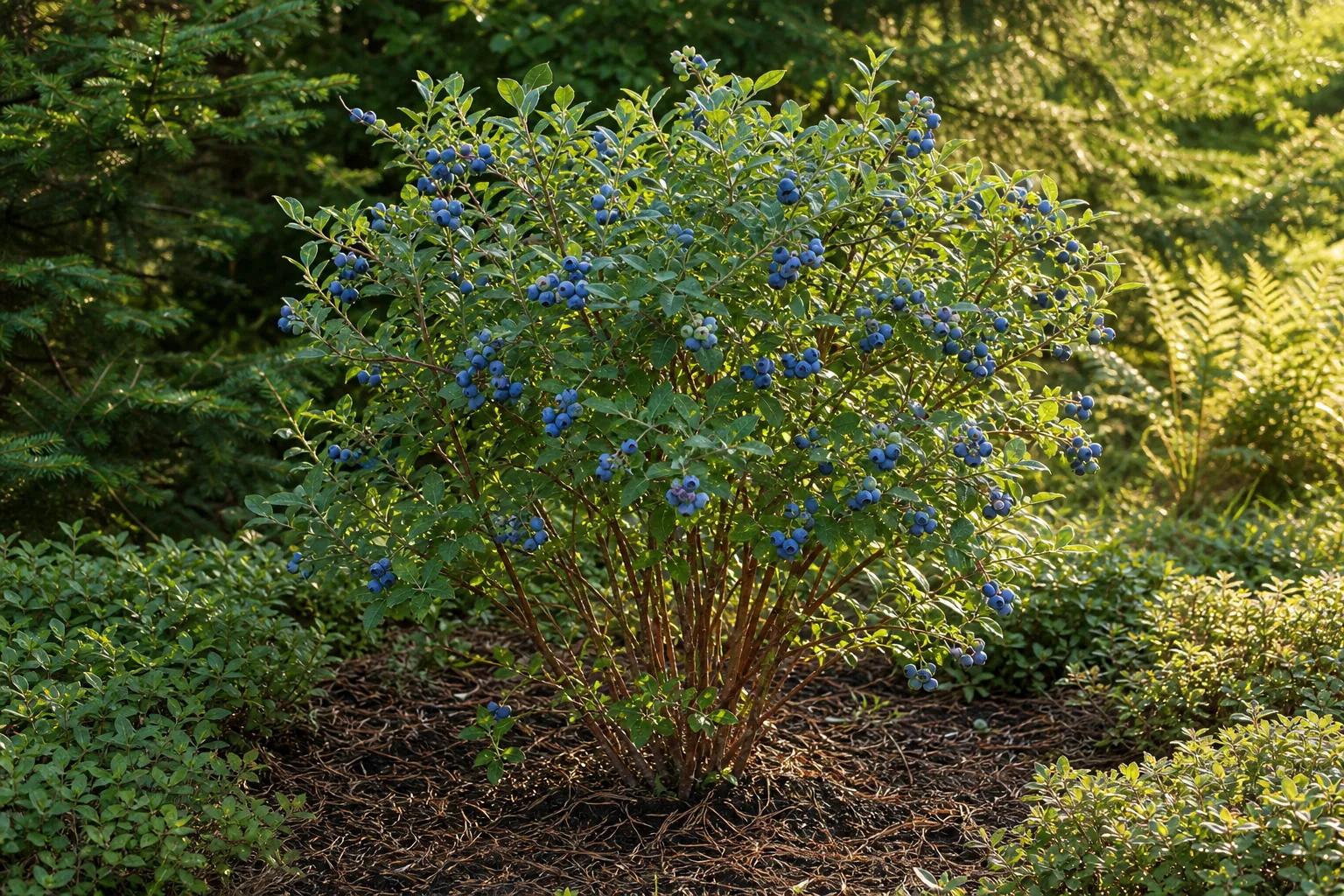 Pet-friendlier
Vaccinium corymbosum
Highbush blueberry (Vaccinium corymbosum) is a deciduous, multi-stemmed shrub grown for sweet blue berries and brilliant red-orange fall foliage. Native to eastern North America, it is a top edible landscape plant for full sun and acidic soil.
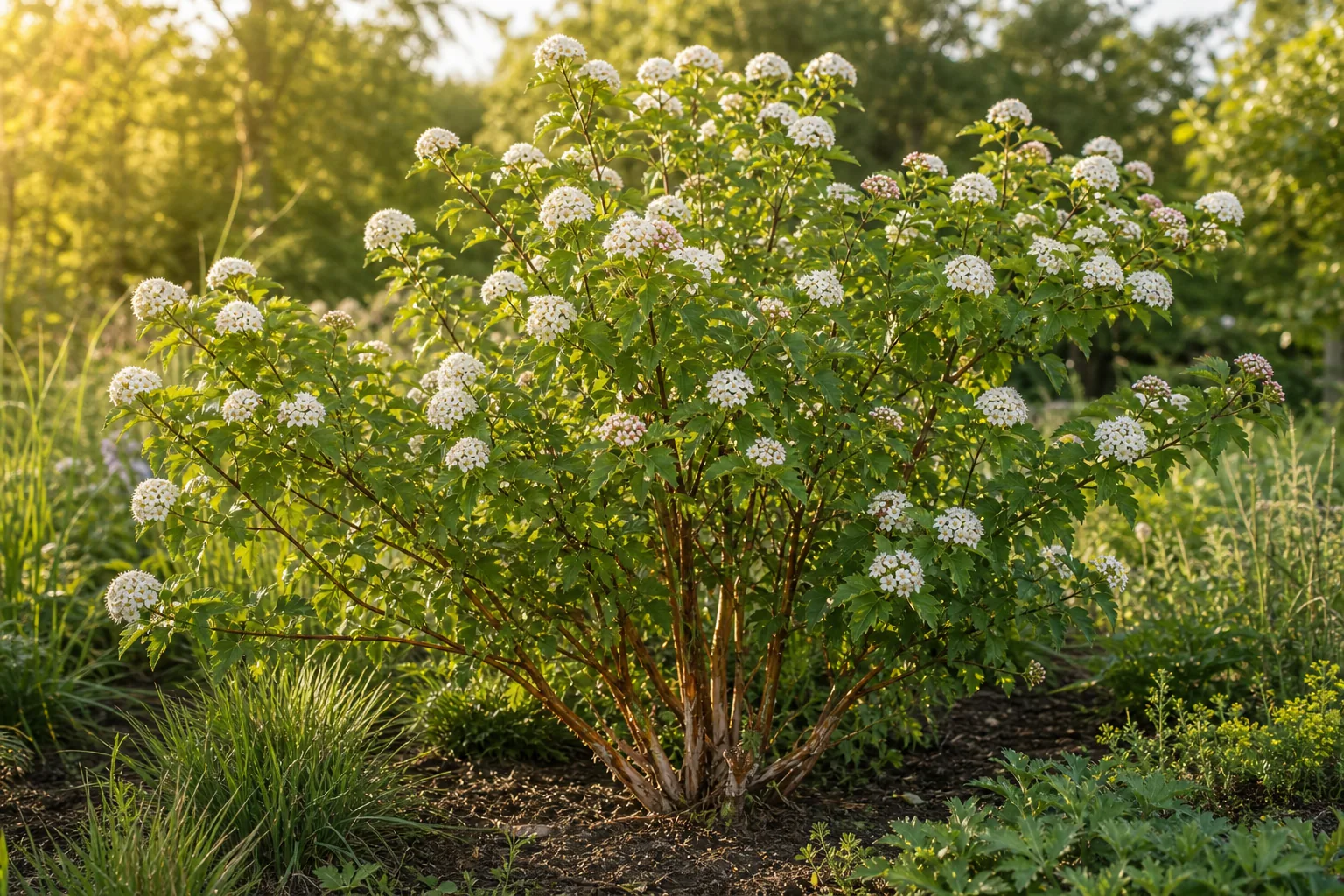 Pet-friendlier
Physocarpus opulifolius
Common ninebark (Physocarpus opulifolius) is a deciduous, suckering shrub grown for dome-shaped clusters of white or pink flowers in early summer and peeling, ornamental bark. Native to eastern North America, it is a tough, adaptable hedge and erosion-control plant.
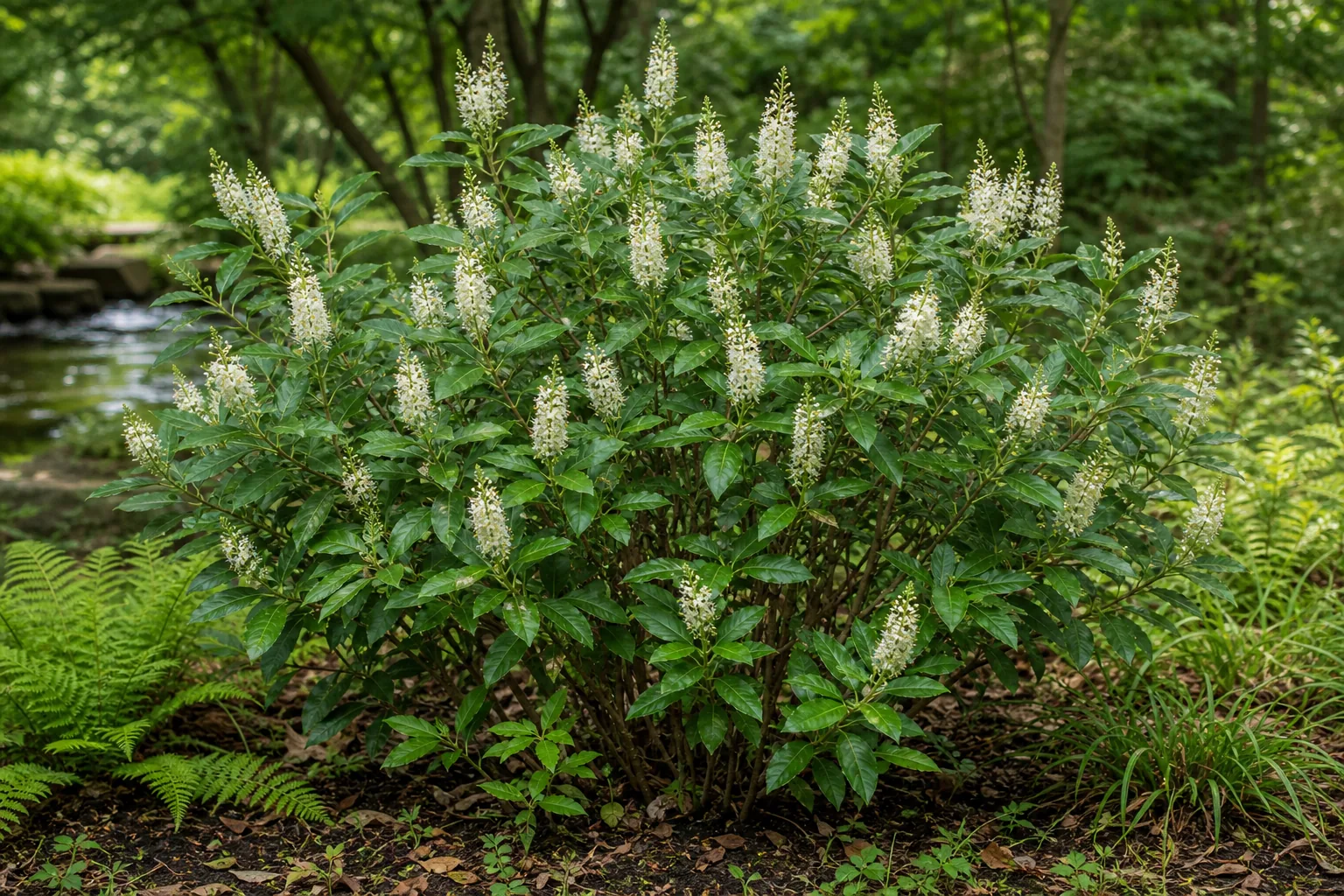 Pet-friendlier
Clethra alnifolia
Summersweet (Clethra alnifolia), also called sweet pepperbush, is a deciduous shrub grown for fragrant, bottlebrush white flower spikes in mid to late summer. Native to eastern North America, it thrives in moist, acidic sites and attracts pollinators.
 intermediate
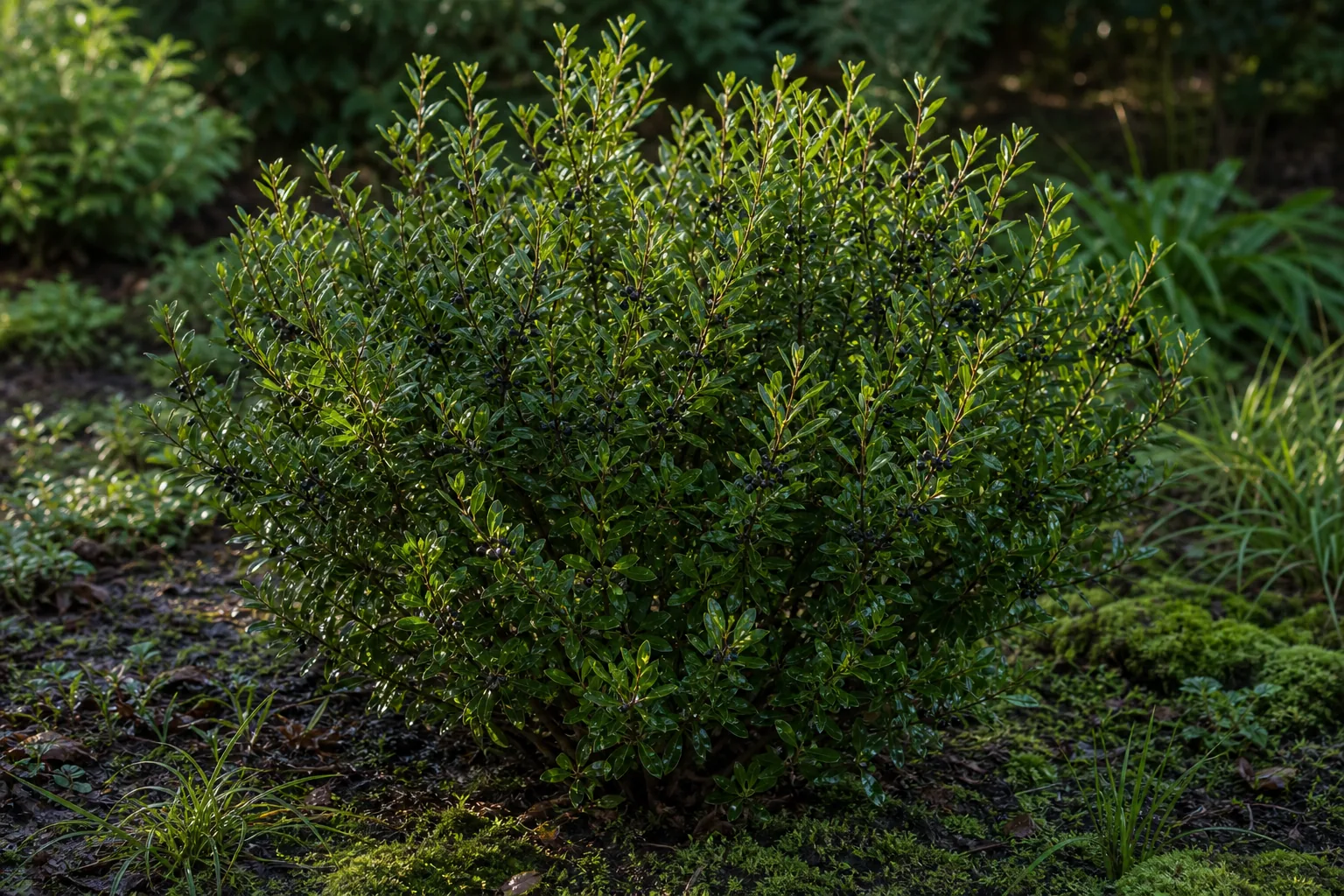
Ilex glabra
Inkberry holly (Ilex glabra) is a broadleaf-evergreen shrub grown for glossy dark green leaves and small black berries that persist into winter. Native to eastern North America, it is a deer-resistant substitute for boxwood in moist, acidic sites.
 Pet-friendlier
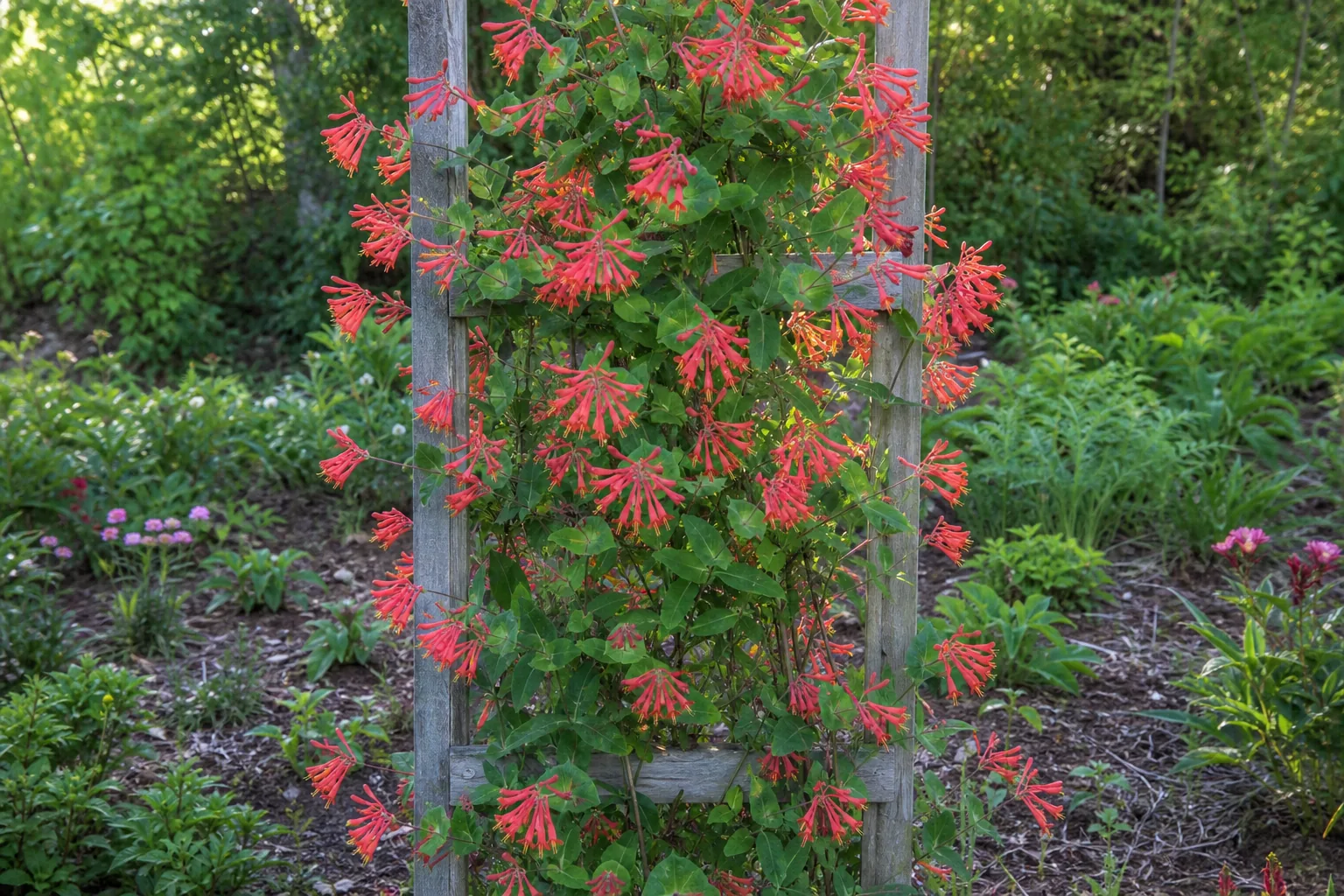
Lonicera sempervirens
Coral honeysuckle (Lonicera sempervirens) is a twining, evergreen to semi-evergreen native vine of the eastern United States, grown for showy, trumpet-shaped scarlet to orange-red flowers that hummingbirds, bees, and butterflies visit from spring into summer. It is one of the showiest native vining honeysuckles for trellises, arbors, and fences.
 intermediate
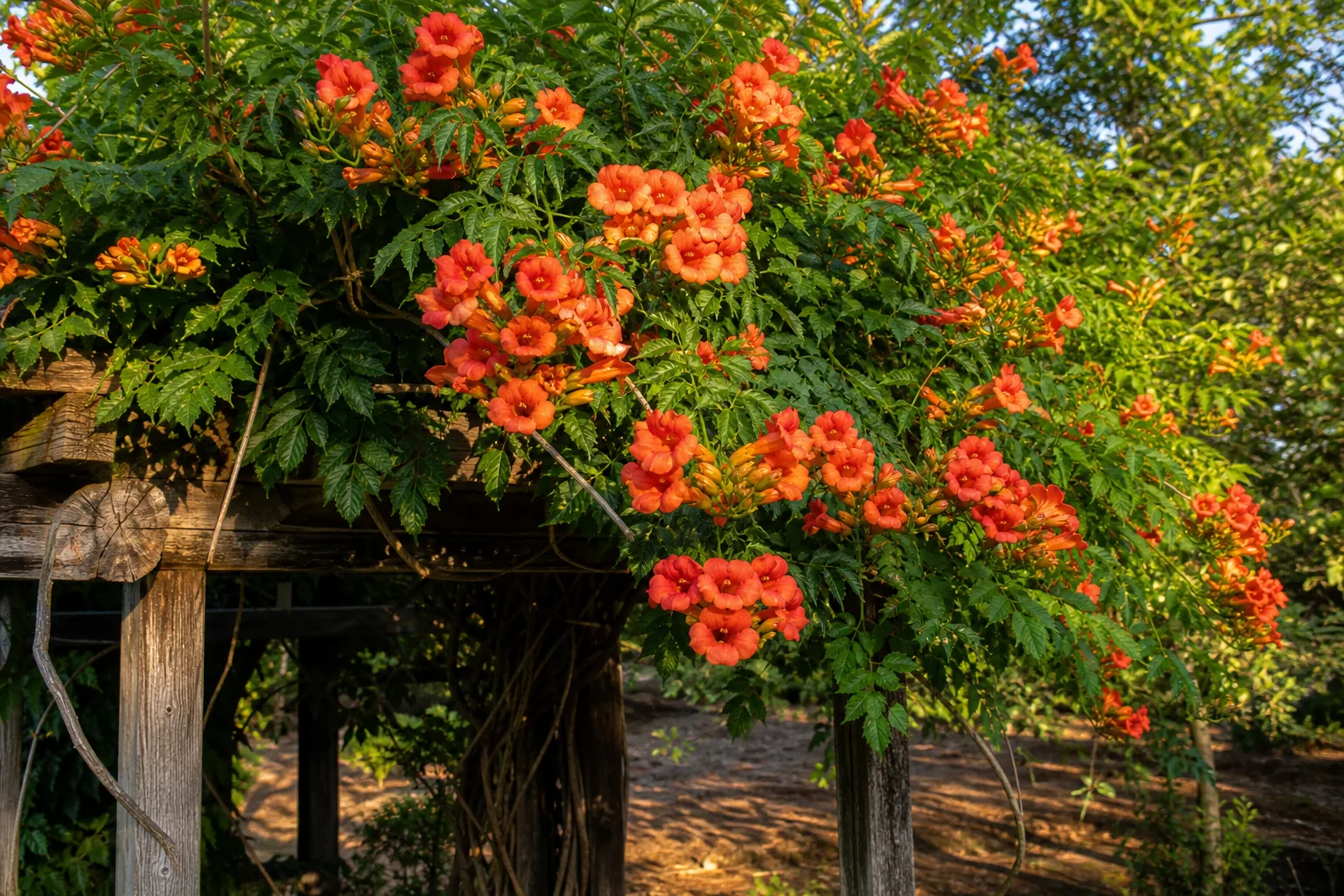
Campsis radicans
Trumpet vine (Campsis radicans) is a vigorous, woody, deciduous clinging vine native to the central and eastern United States, grown for clusters of showy red-orange trumpet-shaped flowers that hummingbirds love from summer into early autumn. It climbs by aerial rootlets and is famous for its vigor, suckering freely from underground runners.
 intermediate
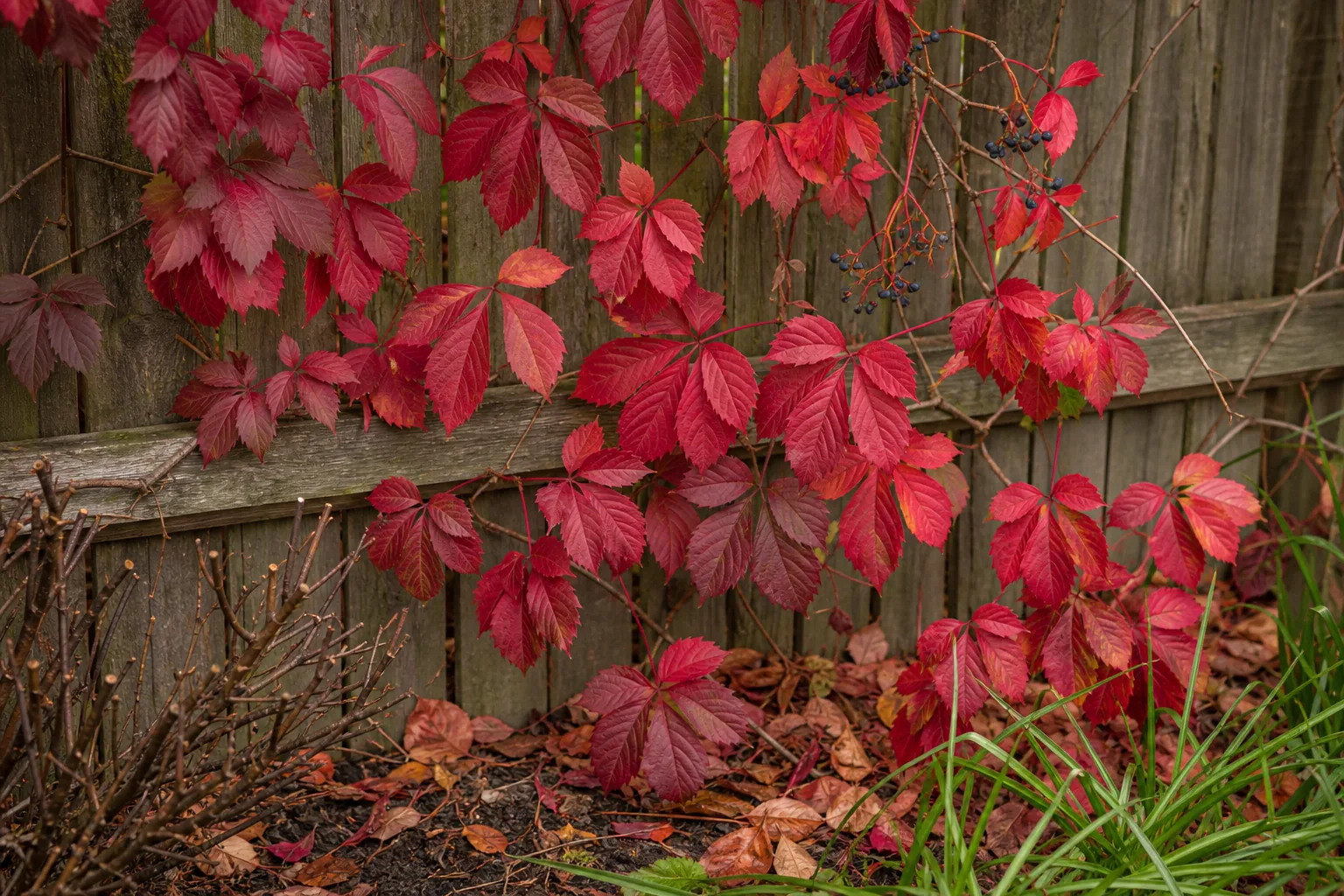
Parthenocissus quinquefolia
Virginia creeper (Parthenocissus quinquefolia) is a vigorous, woody, deciduous vine native to eastern and central North America, valued for its five-leaflet palmate foliage that turns brilliant red in autumn and for the blue-black berries birds eat. It climbs by tendrils tipped with adhesive disks and also creeps as a ground cover.
 intermediate
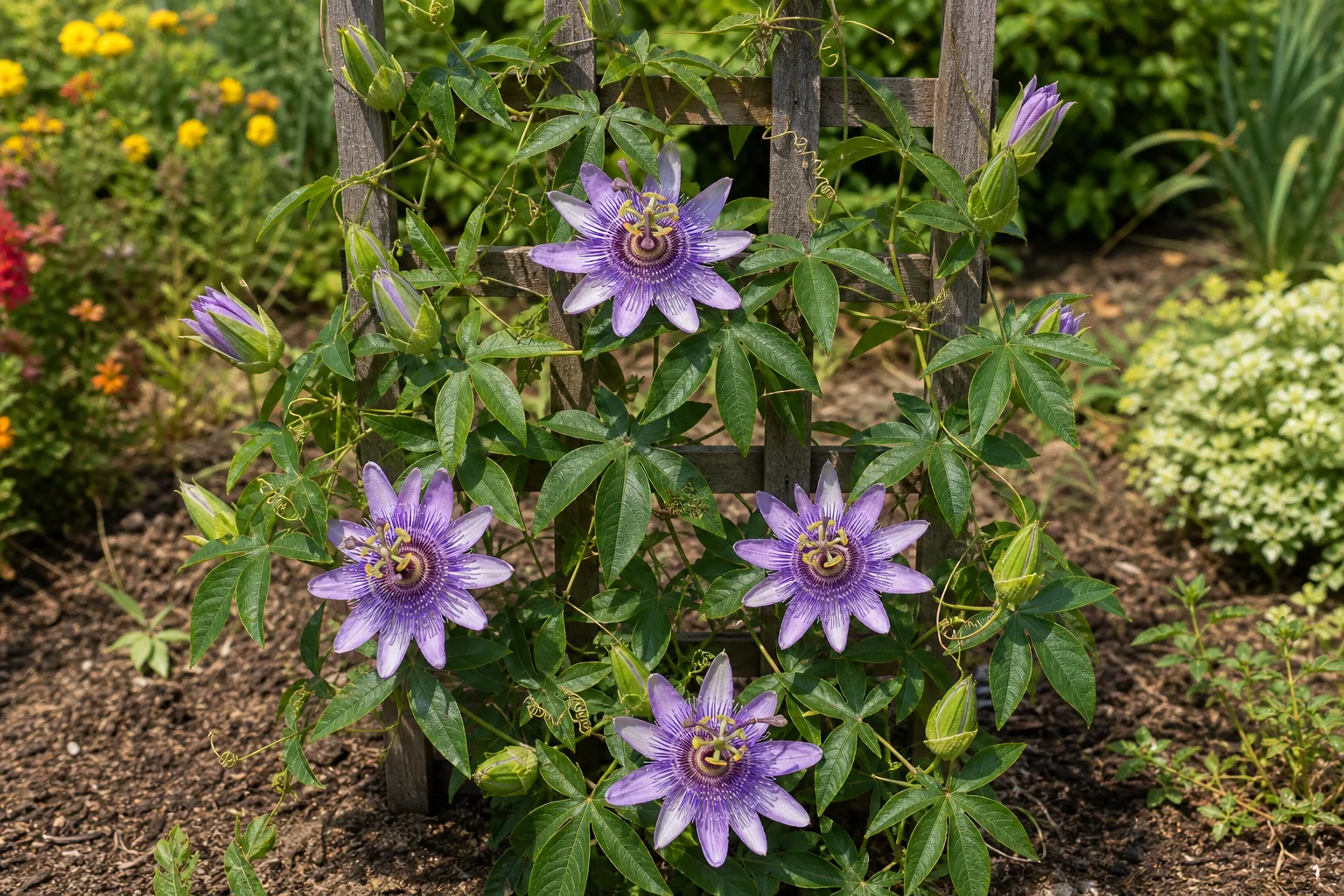
Passiflora incarnata
Purple passionflower (Passiflora incarnata), also called maypop, is a fast-growing herbaceous perennial vine with intricate lavender, pink, and purple flowers bearing a fringed corona. Native to the central and eastern United States and Bermuda, it dies back to the ground each winter and resprouts vigorously, producing edible orange-yellow fruits called maypops.
Collect observations on pollinators and bloom timing to guide next season's additions.