Key takeaways
- Strong light and fast drainage make safe watering possible.
- Soak the root ball, then allow a meaningful dry period.
- Do not use leaf wrinkles as the only signal.
- Reduce water when growth slows, but never follow a date blindly.
Why this care task matters
Succulent describes a plant that stores water in leaves, stems, or roots. That storage allows longer intervals between waterings, but it does not mean roots should receive tiny sips. A complete watering encourages the entire root system to function; the critical safety step is allowing air to return before the next watering.
Rot risk rises when low light, cool temperatures, dense mix, an oversized pot, and frequent watering occur together. Correct the whole growing system rather than trying to rescue an unsuitable setup with an unusually strict calendar.
The most common succulent failure we see is not underwatering — it is an oversized, drainage-free pot filled with dense mix, watered on a schedule. The root zone stays wet for weeks, the roots suffocate, and by the time the lower leaves wrinkle the damage is already done. Fixing the pot and mix saves more plants than any watering technique.
A plant's response beats a species chart. A plump, firm Echeveria and a soft-stemmed holiday cactus do not dry down on the same rhythm, and even two plants of the same species can differ with pot size and light. Learn each plant's dry weight, then water when it reaches that point.
When in doubt, err on the dry side — but not forever. Succulents tolerate an occasional longer dry spell far better than repeated wet roots. If a plant looks thirsty, check the roots before watering; a plant that has lost roots cannot take up water even when the soil is damp.
Container and mix decide how forgiving watering becomes. A small terracotta pot with a chunky, fast-draining mix dries predictably and makes mistakes cheap; a large glazed pot with dense organic soil holds water for weeks and turns every watering into a gamble. Match the pot and mix to the plant and your light before worrying about exact intervals.
The season changes the rhythm even indoors. Many succulents grow most in bright, warm months and slow down when days shorten, even in a heated room. Water generously during clear growth and let the root zone dry well before each repeat; when growth clearly slows, extend the interval and let the plant tell you it is ready.
A newly bought succulent often arrives in dense, water-retentive nursery mix. Give it a week of bright acclimation, then inspect the roots at the first repotting; removing old mix and placing the plant in a free-draining medium suited to its species removes the most common cause of early rot.
Light is the partner of water, not an afterthought. A succulent in weak light cannot use water quickly no matter how well it drains, while the same plant in strong sun can dry a small pot within days. If you cannot offer bright light, water less and expect slower growth; if you improve the light, expect the pot to dry faster.
Watch the plant's own signals through a full year. A plump rosette that holds its leaves firm after weeks without water is managing fine; the moment lower leaves soften while roots stay firm and soil is dry, watering is due. These signals beat any chart because they are measured on your plant, in your room, in your season.
Keep a record for the first season and trust it afterward. A simple note of each watering date and the dry-down that preceded it turns a vague habit into a reliable rhythm you can repeat next year, and it makes it obvious when a plant has changed its needs.
Tools and materials
- Pot with an open drainage hole
- Fast-draining succulent mix
- Wooden skewer
- Long-spout watering bottle
Step by step
- Confirm active light
Place the succulent in the strongest suitable light for its species and acclimate it gradually to direct sun. Weak light slows water use and stretches growth.
- Test the full root zone
Check deeper than the surface. The upper inch can feel dry while the lower half remains wet, especially in plastic or glazed pots.
- Soak the mix
Water evenly until runoff appears. If the root ball has become water-repellent, repeat slowly after several minutes rather than leaving the center dry.
- Remove all standing water
Drain the pot fully and empty decorative containers. Avoid pouring repeatedly into a leaf rosette where water cannot evaporate.
- Wait and observe
Do not water again until the root zone has dried to the degree appropriate for that species. Track how conditions change between summer growth and winter rest.
Common mistakes
Misting does not hydrate a substantial root ball and can leave water trapped in crowns. Water the potting mix directly.
Keep the plant in a fitted nursery pot or choose a modestly sized container with a functional drainage hole.
Check roots and soil first. Wrinkles can follow root loss, extreme heat, or normal use of stored water, not only dry soil.
Use a free-draining mix appropriate to the species, or amend with coarse grit and perlite, so the root zone can dry between waterings.
Season and environment
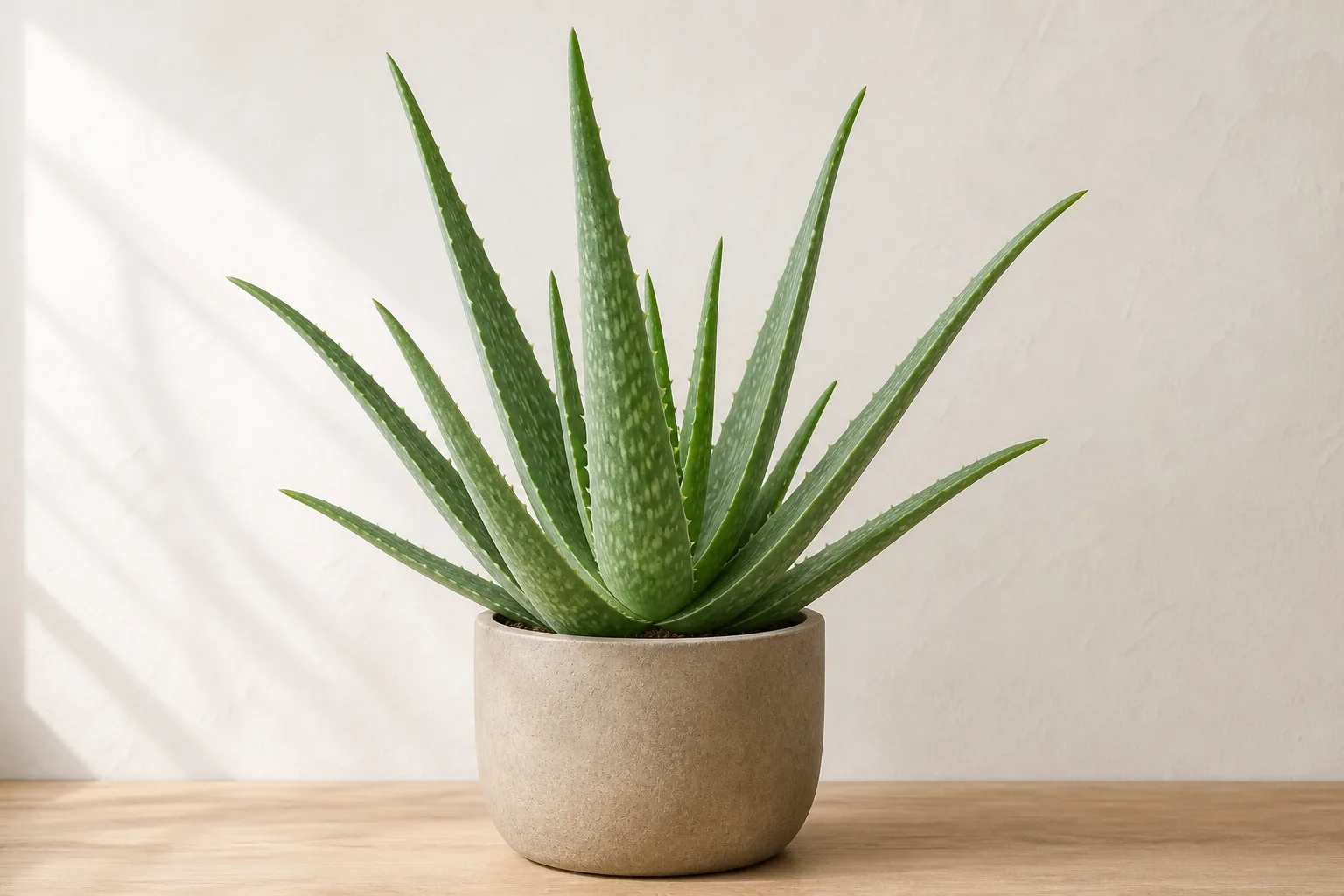
- Desert cacti, forest cacti, Haworthia, Aloe, and Echeveria do not share one moisture rhythm; verify the group and species.
- Outdoor summer pots can dry dramatically faster than indoor winter pots because of sun, wind, and higher temperatures.
- A dormant or cool succulent may remain dry much longer, while a flowering holiday cactus may need more even moisture during active growth.
- Cool, cloudy winter conditions with weak light can leave even a small succulent pot wet for weeks. Move the plant to the brightest safe spot and hold water until the root zone actually dries, not merely until the surface feels dry.
When to stop or seek help
- Unpot the plant and assess roots if the base becomes translucent, mushy, black, or detached while the soil is moist.
- Discard severely rotted tissue safely when no firm healthy stem or root remains; repeated watering will not reverse dead tissue.
Frequently asked questions
How many days should succulents go without water?
There is no reliable universal number. Pot size, mix, species, light, temperature, and growth stage can change the interval from days to many weeks.
Is bottom watering good for succulents?
It can wet a hydrophobic root ball, but the pot must drain afterward and the method should not keep the lower mix saturated for long periods.
Should succulent leaves be kept dry?
Direct root-zone watering is safest for dense rosettes. Briefly wet leaves are usually not a problem when airflow is good and water does not remain trapped.
Can a succulent recover from overwatering?
Only living firm tissue can recover. Remove rotted roots or stems, correct the conditions, and reroot healthy material when the species allows.
Why are the lower leaves of my succulent wrinkling?
Check the roots first. Wrinkles can mean underwatering, but they also follow root loss, extreme heat, or normal use of stored water. If the roots are firm and the soil dry, a complete watering usually plumps the leaves within days.
What does a succulent that is too wet look like?
Lower leaves become translucent, soft, or mushy before the plant collapses; the stem base may darken. If you see this, stop watering, unpot, and cut away any rotted tissue before repotting the healthy part.
Sources and further reading
- HouseplantsRoyal Horticultural Society. General indoor guidance covering watering, feeding, humidity, repotting, and soil mixes.
- Houseplant Diseases & DisordersClemson Cooperative Extension. Cultural disorders linked to watering, salts, drainage, temperature, and root health.
- Caring for HouseplantsUniversity of Georgia Extension. Practical light, watering, humidity, fertilizer-salt leaching, and everyday care guidance.
Houseplant care varies with light, pot size, climate, and season. Use this guide as a starting point and adjust to what your plant and home show you; when a problem is severe or hard to identify, consult a qualified horticulturist or your local extension service.