Key takeaways
- Measure the plant zone, not the thermostat across the room.
- Keep foliage away from cold glass and HVAC discharge.
- Avoid abrupt relocation between temperature extremes.
- Diagnose roots and moisture before blaming every symptom on drafts.
Why this care task matters
Most tropical houseplants perform best in the stable temperatures comfortable to people, but microclimates near windows, doors, radiators, fireplaces, and air-conditioning vents can change rapidly. Leaves touching cold glass may be injured even when the room thermostat reads safely.
Temperature influences water use and root oxygen. Warm moving air dries foliage and pots; cool low-light conditions slow water use and keep media wet. Sudden changes can cause wilting, bud drop, leaf drop, or distorted new leaves that resemble water stress.
In practice, the damage is rarely the thermostat — it is the microclimate. A plant on a radiator cover bakes from below while its top sits in bright dry air; a plant pressed against double glazing in winter endures freezing-cold leaf contact. A min-max thermometer at the actual pot, overnight, usually reveals the problem instantly.
Move plants like you would acclimate a person: gradually. A plant carried from a heated living room to a cool porch without a transition step may drop leaves or buds within days, even if the final spot is fine. Stage the move through a similar-light, intermediate-temperature position.
Tools and materials
- Min-max digital thermometer
- Hygrometer
- Plant stand or insulated tray
- Sheer curtain or vent deflector
Step by step
- Map temperature zones
Place a min-max thermometer at leaf height near suspected windows or vents for several days, including overnight.
- Create physical separation
Move foliage away from glass, exterior doors, radiators, and direct HVAC discharge while preserving adequate light.
- Stabilize root temperature
Keep pots off very cold floors and hot appliances. Use a stand or barrier without blocking drainage.
- Move plants in stages
When relocation is necessary, choose a similar-light transition point and avoid changing temperature, light, and watering all at once.
- Adjust water from actual drying
Check the root zone more often during heat and less often in cool low light, always watering from evidence rather than the thermostat.
Common mistakes
Use a nearby stand or supplemental light; rising dry heat creates extreme leaf and root conditions.
Curtains can trap colder air against windows. Keep plants on the room side unless temperatures are measured safe.
Check moisture first. Cold saturated roots absorb poorly, and more water can intensify oxygen stress.
Season and environment
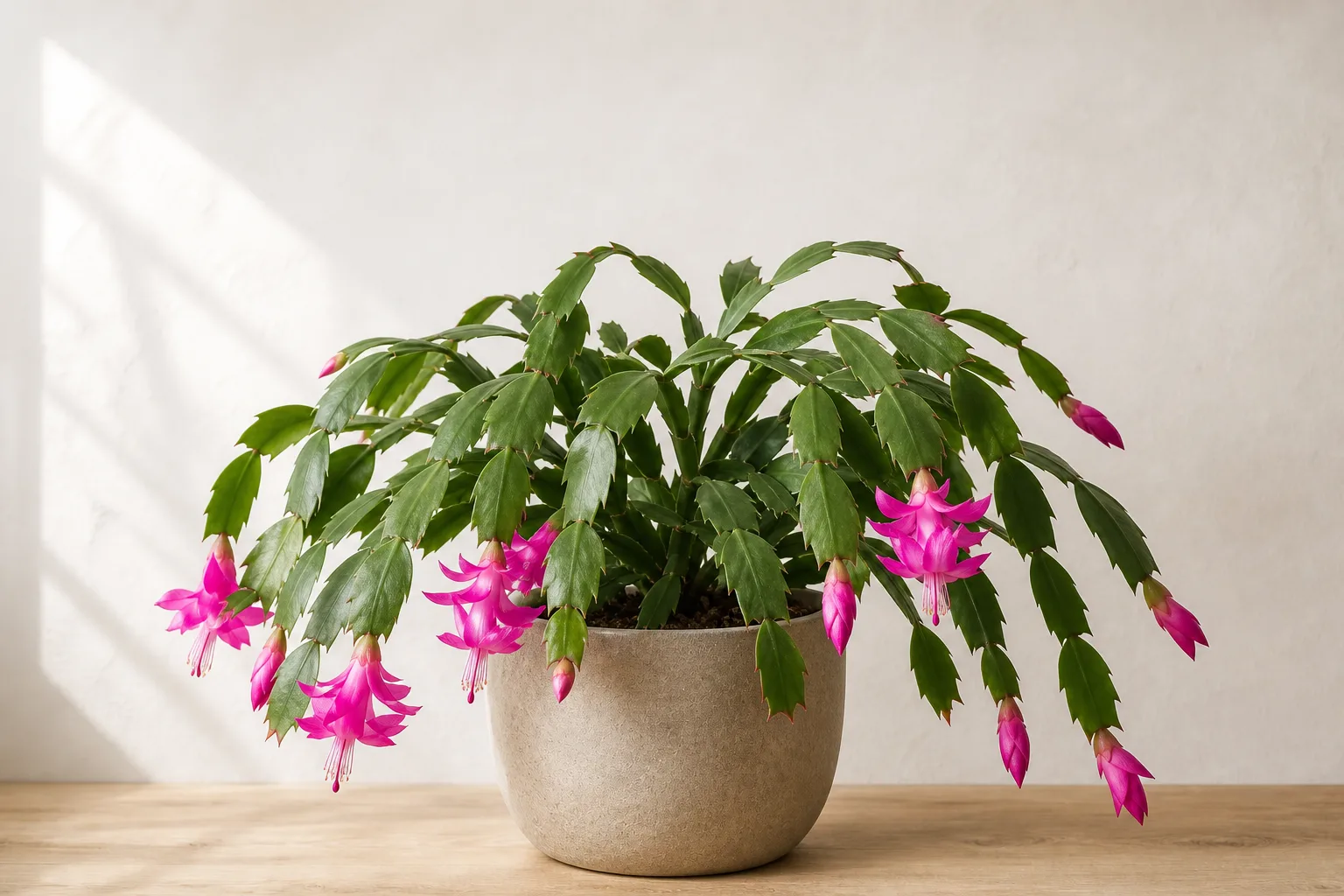
- Flowering plants and developing buds can be particularly sensitive to abrupt temperature changes and relocation.
- Succulents may tolerate cooler dry conditions but can rot when cool media remains wet; tropical foliage usually needs warmer minimums.
- Plants moving outdoors need nighttime temperatures consistently suitable for their species and gradual protection from wind and sun.
When to stop or seek help
- Move plants away and inspect electrical or heating equipment if a local surface becomes dangerously hot or condensation reaches outlets.
- Seek diagnosis if collapse continues after conditions stabilize, because root rot, pests, or vascular disease may be involved.
Frequently asked questions
How close can a plant be to a window?
It depends on glazing, season, and climate. Measure leaf-zone temperature and prevent foliage from touching cold or sun-heated glass.
Can houseplants tolerate air conditioning?
Many tolerate an air-conditioned room but suffer in the direct cold dry airstream. Redirect the vent or move the plant.
Why do buds fall after I bring a plant home?
Transport and changes in temperature, light, humidity, and moisture can trigger bud drop. Stabilize conditions and avoid repeated moves.
Should pots be placed on heating mats?
Only for plants and propagation tasks that benefit from controlled root heat, using equipment rated for horticulture and monitored carefully.
Sources and further reading
- Leaf damage on houseplantsRoyal Horticultural Society. Distinguishing natural aging, water stress, light injury, temperature fluctuation, and root problems.
- Winter houseplant tipsUniversity of Minnesota Extension. Winter humidity, supplemental light, pest checks, and seasonal indoor conditions.
- When houseplants go outsideUniversity of Minnesota Extension. Acclimation, filtered outdoor light, temperature protection, and faster container drying.
Houseplant care varies with light, pot size, climate, and season. Use this guide as a starting point and adjust to what your plant and home show you; when a problem is severe or hard to identify, consult a qualified horticulturist or your local extension service.