Key takeaways
- Coverage and distance matter as much as the bulb label.
- Use a timer and preserve a dark period.
- Match intensity to the plant and growth stage.
- Increase light gradually and monitor heat and bleaching.
Why this care task matters
A grow light can replace or supplement natural light when a room, season, or window does not meet plant needs. The useful light reaching leaves depends on fixture output, spectrum, distance, angle, coverage, and duration. A bright-looking lamp across the room may deliver little plant-usable energy.
LED fixtures are efficient and available in balanced white spectra suitable for most foliage plants. Specialized color claims matter less than credible output information, correct placement, and a consistent schedule. Seedlings and fruiting plants generally need more intensity than tolerant foliage plants.
The most common grow-light mistake is distance, not the bulb. A fixture rated in watts but hung far above the plant can deliver a fraction of its useful light; most plant lights are meant to sit much closer. Measure from the top leaves and follow the manufacturer's height range for the crop type.
In practice, a timer is the difference between consistent growth and a plant that stretches in fits and starts. People who run lights 24 hours see bleaching and slowed growth; people who run them for a fixed 12 to 14 hour day with a dark period see compact new growth within a few weeks.
Do not judge a grow light by how bright it looks — eyes adapt, plants do not. Two similar-looking fixtures can differ hugely in output. Use the manufacturer's coverage and distance data, then confirm with plant response: compact growth means enough light, stretching means not enough.
Measure, don't guess. A phone lux-meter app held at leaf level gives a repeatable reading that lets you compare fixtures and positions. As a rough guide, tolerant foliage plants respond to sustained readings in the low thousands of lux, while succulents and flowering plants usually need much more. The number matters less than the trend: if new growth stays compact and colored, you are in range.
Match intensity to the plant's stage. A freshly rooted cutting needs far less light than a mature plant you are trying to keep flowering, and a plant coming out of a dim winter needs a gradual increase rather than a sudden blast. When you propagate or bring a plant home from a dark shop, start lower and raise intensity over a week or two.
Combine natural and artificial light sensibly. In winter, a few supplemental evening hours extend a short day without much energy cost; in summer, the same fixture may be unnecessary or may need to move away from a hot south window. Photoperiod matters for flowering plants — keep a consistent dark period and avoid leaving the fixture on around the clock.
Dust and distance quietly erode output. A film of dust on leaves and fixtures reduces the light that actually reaches the plant, and a fixture that has drifted higher as shelves changed may no longer cover the canopy. Wipe leaves periodically, keep the fixture clean, and re-measure height whenever you rearrange the setup.
Cuttings and seedlings change what the fixture must do. A tray of newly sown seeds wants steady, relatively close light for long hours to prevent leggy sprouts, while a mature foliage plant in the same room needs far less. If one fixture serves both, position the light for the younger, more demanding crop and keep mature plants at the edge of its coverage.
Safety is part of placement. Keep fixtures and cords away from water, moist soil, and reachable by pets and children; use only lights rated for indoor use and mounted on stable supports. A grow light that works well but is unsafe in your home is not the right light for your home.
Tools and materials
- LED grow-light fixture
- Outlet timer
- Ruler or measuring tape
- Stable adjustable support
Step by step
- Define the growing area
Measure the canopy width and choose a fixture whose illuminated footprint covers every plant rather than concentrating on one center leaf.
- Start at the recommended distance
Follow the manufacturer's height guidance for the crop type. Measure from the upper leaves, not from the pot or shelf.
- Set a consistent photoperiod
Use a timer. Many foliage houseplants respond well to a total day around 12 to 14 hours, including useful natural light, followed by darkness.
- Acclimate and observe
Begin at a conservative intensity or longer distance. Increase gradually while checking for bleaching, curling, excess heat, or unusually rapid drying.
- Adjust height as plants grow
Measure weekly during active growth. Rotate groups or reposition fixtures so taller plants do not shade smaller neighbors.
Common mistakes
Provide a regular dark period and use a timer to prevent accidental continuous exposure.
Look for coverage, distance guidance, spectrum, and credible output data; electrical wattage alone does not describe light at the leaf.
Keep fixtures safely mounted, maintain airflow, and increase distance if leaves or nearby materials become warm.
Wattage and brightness claims vary widely. Check the illuminated footprint and height range for your crop type, then verify with plant response.
Season and environment
- A bright natural window may need only a few supplemental evening hours in winter, while a windowless shelf needs the fixture to provide the whole light period.
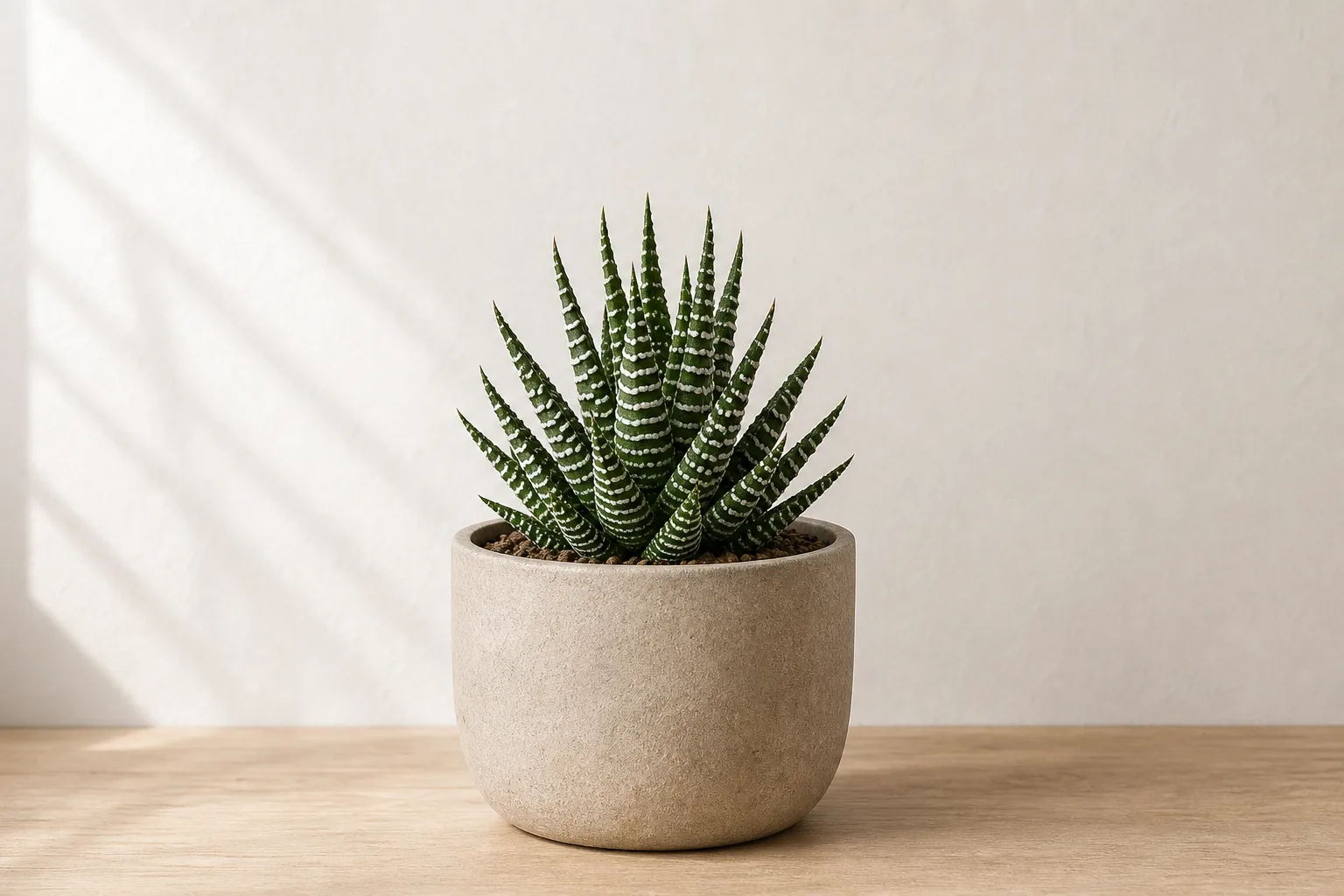
- Succulents require higher intensity than many foliage plants and should be spaced so rosettes receive light from directly above.
- Flowering response can depend on uninterrupted darkness as well as daylight duration; confirm species-specific photoperiod needs before changing schedules.
- White and soft-white fixtures are easier to photograph and inspect plants under than purple light; if a colored light is chosen, still check foliage color under normal light before judging health.
When to stop or seek help
- Disconnect a fixture that flickers, overheats, has damaged wiring, or is not rated for the humid location where it is used.
- Reduce intensity if new leaves bleach, curl away, or develop dry pale patches while moisture and temperature remain appropriate.
Frequently asked questions
How far should a grow light be from plants?
Distance depends on fixture output and plant need. Begin with manufacturer guidance, measure from the top leaves, and adjust from plant response.
Can any LED bulb grow plants?
Some balanced LEDs can support tolerant plants at close range, but purpose-built fixtures usually provide better coverage and output information.
Do grow lights increase watering needs?
They can. More useful light supports growth and transpiration, so check moisture more often while still watering only when the root zone is ready.
Should purple or white light be used?
Both can support growth when spectrum and intensity are suitable. Balanced white light is easier to live with and assess plants under in most homes.
Are grow lights worth it for a few houseplants?
Yes, when a room or season genuinely lacks light — a shelf away from windows is a common case. A modest balanced fixture on a timer supports most foliage plants and is cheaper than repeatedly replacing leggy plants.
Can I run a grow light over my whole shelf?
Only if the fixture's illuminated footprint covers the whole shelf. Taller plants shade smaller ones, so raise or reposition the fixture and rotate plants so everyone gets enough light.
Sources and further reading
- Lighting for indoor plants and starting seedsUniversity of Minnesota Extension. Light levels, signs of unsuitable light, grow-light types, distance, and photoperiod.
- Winter houseplant tipsUniversity of Minnesota Extension. Winter humidity, supplemental light, pest checks, and seasonal indoor conditions.
- Spring houseplant careUniversity of Minnesota Extension. Seasonal assessment, gradual light changes, leaf cleaning, watering, feeding, and outdoor transition.
Houseplant care varies with light, pot size, climate, and season. Use this guide as a starting point and adjust to what your plant and home show you; when a problem is severe or hard to identify, consult a qualified horticulturist or your local extension service.