Key takeaways
- Use full sun and drainage that remains reliable during prolonged rain.
- Water established plants during extended drought, not by a fixed schedule.
- Wear gloves if the bristly foliage irritates your skin.
How to care for Blanket Flower
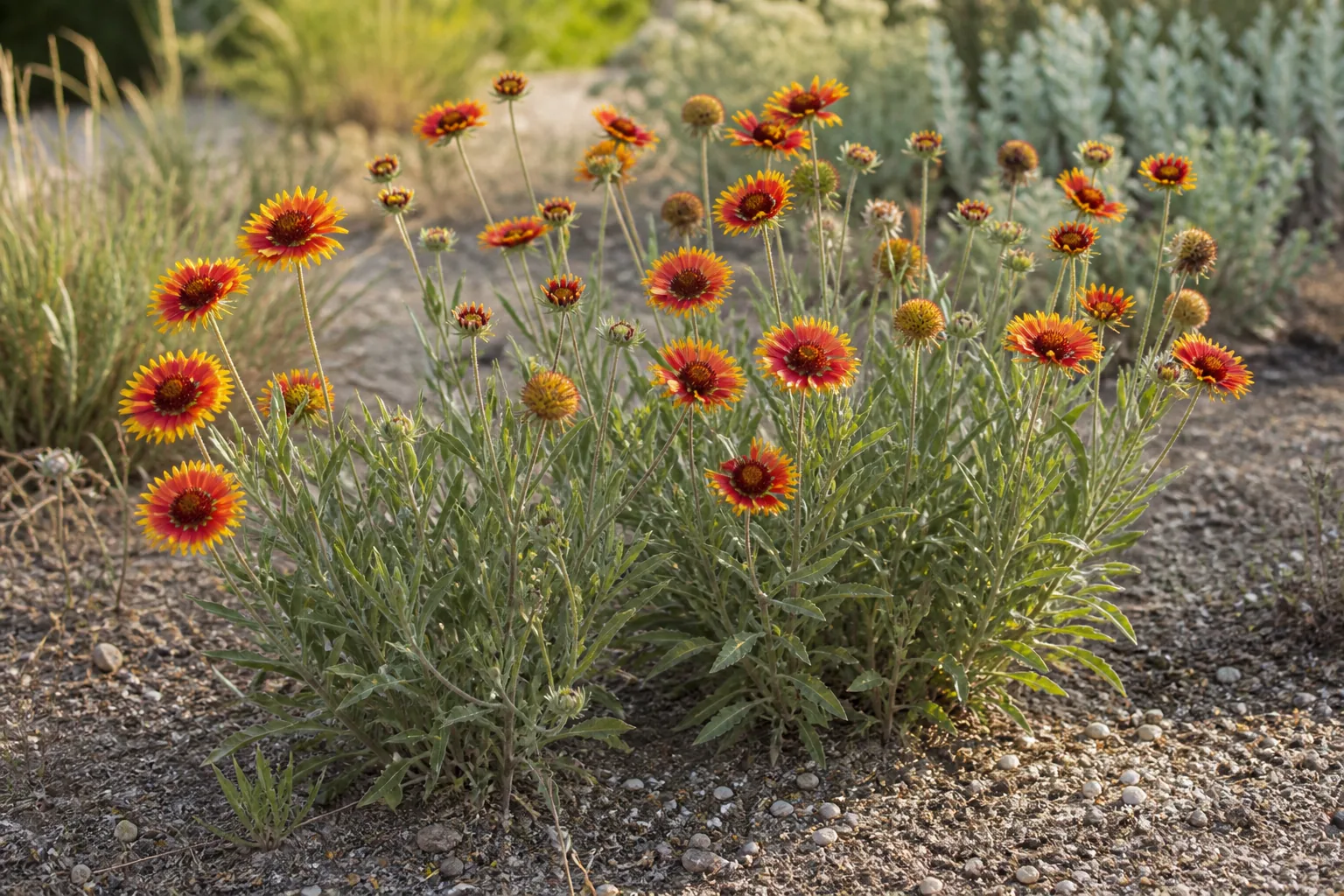
Gaillardia aristata is a taprooted perennial native across northern and western North America. Its hairy leaves and bristly flower structures are normal species features, while the solitary flower heads can range from yellow to red-purple and yellow.
Choose a permanent sunny position because an established taproot is less convenient to move than a shallow fibrous crown. Set the crown at soil level and prioritize drainage before adding compost or irrigation.
Light
Full sun supports upright stems and sustained flowering. Shade reduces bloom and slows drying around a crown that is already vulnerable in prolonged wet weather.
Harden nursery plants into direct outdoor light over several days if they were grown under cover. If flowering declines as neighboring plants mature, restore exposure rather than compensating with fertilizer.
Water
Water a new Blanket Flower when the active root zone begins to dry, then allow excess to leave the planting area. Established plants tolerate drought but may need supplemental water during an extended rainless period.
Check below the surface before irrigating, particularly after heavy summer rain. Repeated watering into moist soil raises root-rot risk and is not a substitute for correcting poor drainage.
Soil and repotting
Use average dry-to-medium soil that drains freely; the species adapts across a broad mildly acidic to mildly alkaline range. Heavy clay is workable only where grading and soil structure prevent prolonged saturation.
Blanket Flower can grow in an outdoor container with a drainage hole, but choose enough depth for its taproot and do not leave the pot in standing water. Repot a young plant before roots become tightly confined and avoid repeatedly disturbing an established crown.
Temperature, humidity, and fertilizer
The species is commonly grown in USDA zones 3-8 and tolerates heat once rooted. Humid air itself is less important than whether foliage and soil remain wet, since powdery mildew, leaf spot, and root rot are associated with poor growing conditions.
Moderate fertility is sufficient. Excess feeding can produce soft growth without fixing low light or wet soil, so base amendments on observed growth and a soil test rather than a routine calendar.
Pruning and propagation
Deadheading is optional: it tidies the plant and may encourage more flowers, while retained heads provide seed for birds and future seedlings. If bloom pauses in summer, a measured cutback can encourage fresh growth after moisture and root health are checked.
Propagate by seed or division. Sow viable seed after local frost risk according to regional guidance, and divide only a healthy, established crown while keeping roots and a viable growing point on each piece.
Common problems
Start with the pattern, current soil moisture, and recent changes. One symptom can have several causes, so change the most likely factor first and observe before making another major adjustment.
| Symptom | Check first | First action |
|---|---|---|
| Crown softens and plant collapses | Check drainage, recent heavy rain, and whether roots smell or appear rotten. | Stop watering and correct standing moisture before replacing lost material. |
| White coating on leaves | Check whether powder is spreading during humid weather and distinguish it from dust. | Improve airflow and remove only badly affected leaves while keeping foliage dry. |
| Brown or purple leaf spots | Inspect both leaf surfaces and check whether spots spread after wet weather. | Remove badly affected debris and direct future irrigation to the soil. |
| Flowering slows in midsummer | Check spent heads, root-zone moisture, heat, and crown health. | Deadhead and make a modest cutback only after confirming the crown is healthy. |
| Seedlings appear beyond the clump | Confirm they follow ripened seed heads rather than a different weed. | Thin seedlings while small and deadhead earlier next season where spread is unwanted. |
Pet and household safety
The authoritative sources reviewed for Gaillardia aristata did not provide a species-specific veterinary toxic or non-toxic classification for cats and dogs. Absence from a poison-control list is not proof of safety. Its rough, bristly hairs can irritate sensitive human skin, so use gloves if needed, prevent pets from chewing, and contact a veterinarian after a concerning ingestion or symptoms.
Frequently asked questions
How often should I water Blanket Flower?
Water when the active root zone begins to dry during establishment. Established plants tolerate drought, but may need water during an extended dry period.
Does Blanket Flower need full sun?
Yes. Full sun gives the best flower display and helps the crown and foliage dry after rain.
Should I deadhead Blanket Flower?
Deadheading is optional but can tidy the plant, reduce seedlings, and sometimes encourage more bloom; retained heads feed birds.
Why is my Blanket Flower dying in wet weather?
Root rot can occur in poorly drained soil during prolonged rain. Check the crown and drainage before adding any more water.
How do I propagate Blanket Flower?
Use viable seed or divide a healthy established plant, keeping a growing point and sound roots on each division.
Is Blanket Flower safe for pets?
A species-specific veterinary classification was not confirmed in the reviewed sources, so prevent chewing and consult a veterinarian about concerning exposure.
Sources and editorial review
This editorial draft is based on the sources below and awaits named horticulture-expert approval before publication.
- Gaillardia aristata PurshRoyal Botanic Gardens, Kew — Plants of the World Online · Checked
- Gaillardia aristataNC State Extension · Checked
- Gaillardia aristataMissouri Botanical Garden · Checked
- Blanketflower (Gaillardia aristata) Plant GuideUSDA Natural Resources Conservation Service · Checked
What works well
- Long bloom period
- Tolerates drought after establishment
- Supports pollinators and seed-eating birds
What to consider
- Rot-prone in wet soil
- Can reseed freely
- Bristly hairs may irritate skin