Key takeaways
- Use clean water and a clear container to watch roots.
- Keep the node submerged, the leaves above water.
- Change water when it clouds.
- Move rooted cuttings to soil before roots get tangled.
Why water propagation works
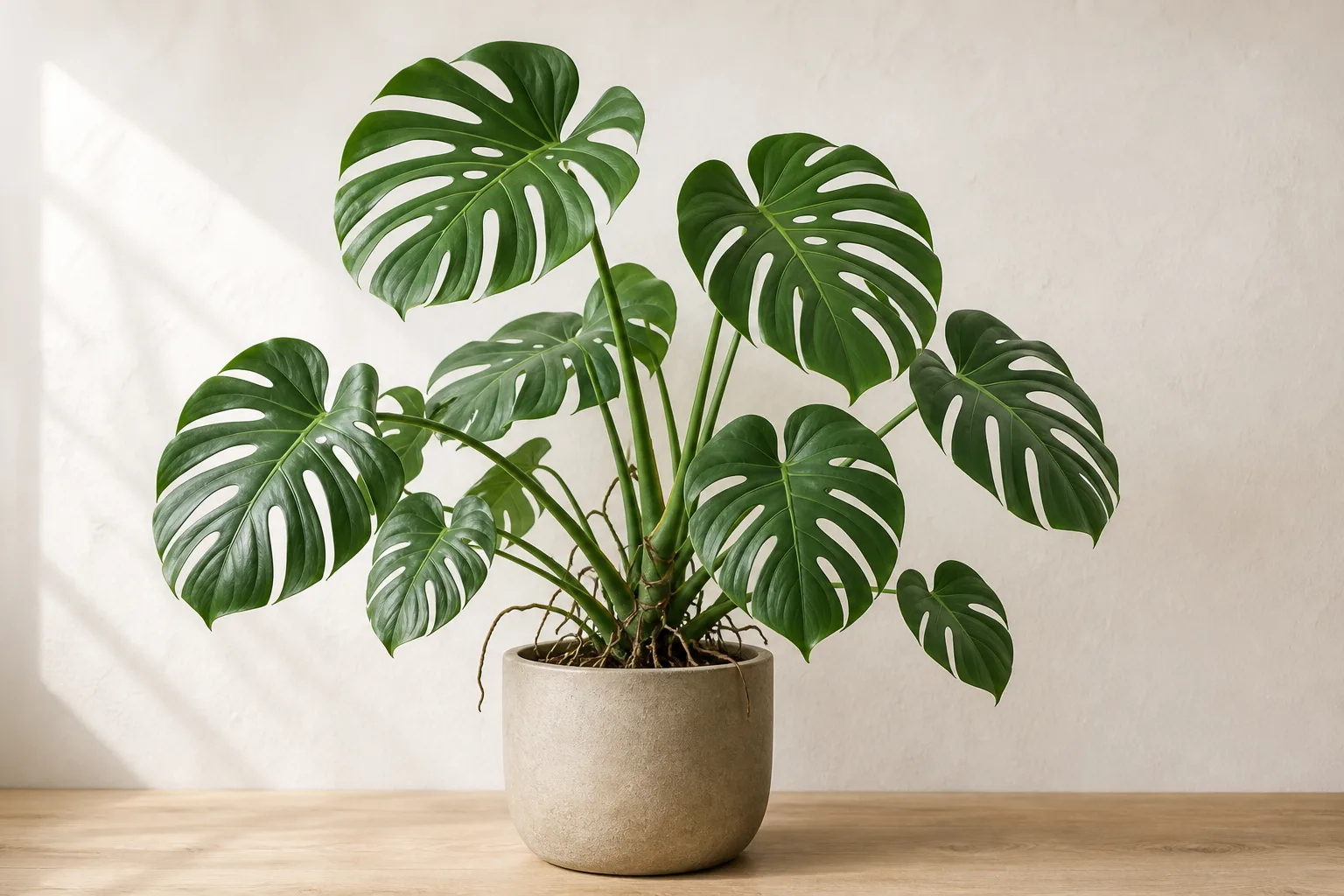
Water propagation roots a stem cutting by keeping the node wet and aerated while the cutting pushes out roots. It is the most visible method — you can watch roots appear day by day — and it works well for pothos, philodendron, monstera, and many easy houseplants.
Setting up the jar
Cut a healthy stem just below a node and remove the lower leaves so the node is bare. Place it in a clean glass or jar of fresh, room-temperature water so the bare node is submerged but the remaining leaves stay dry.
Use a clear container to see the roots and the water level, and set it in bright, indirect light — a windowsill with direct sun will cook a cutting.
Caring for the cutting
Top up the water as it evaporates and change it when it turns cloudy — about weekly for most jars. A cutting in clean water rarely rots; one in stale water often does. If a stem end goes soft, trim it cleanly and change the water.
Moving water roots to soil
Once roots reach roughly 2 to 5 cm, plant the cutting in a small pot with drainage and airy mix, keeping it lightly moist while the roots adapt. Water roots are different from soil roots, so give the plant a few weeks of evenly moist soil before letting it dry normally.
Which plants root best in water
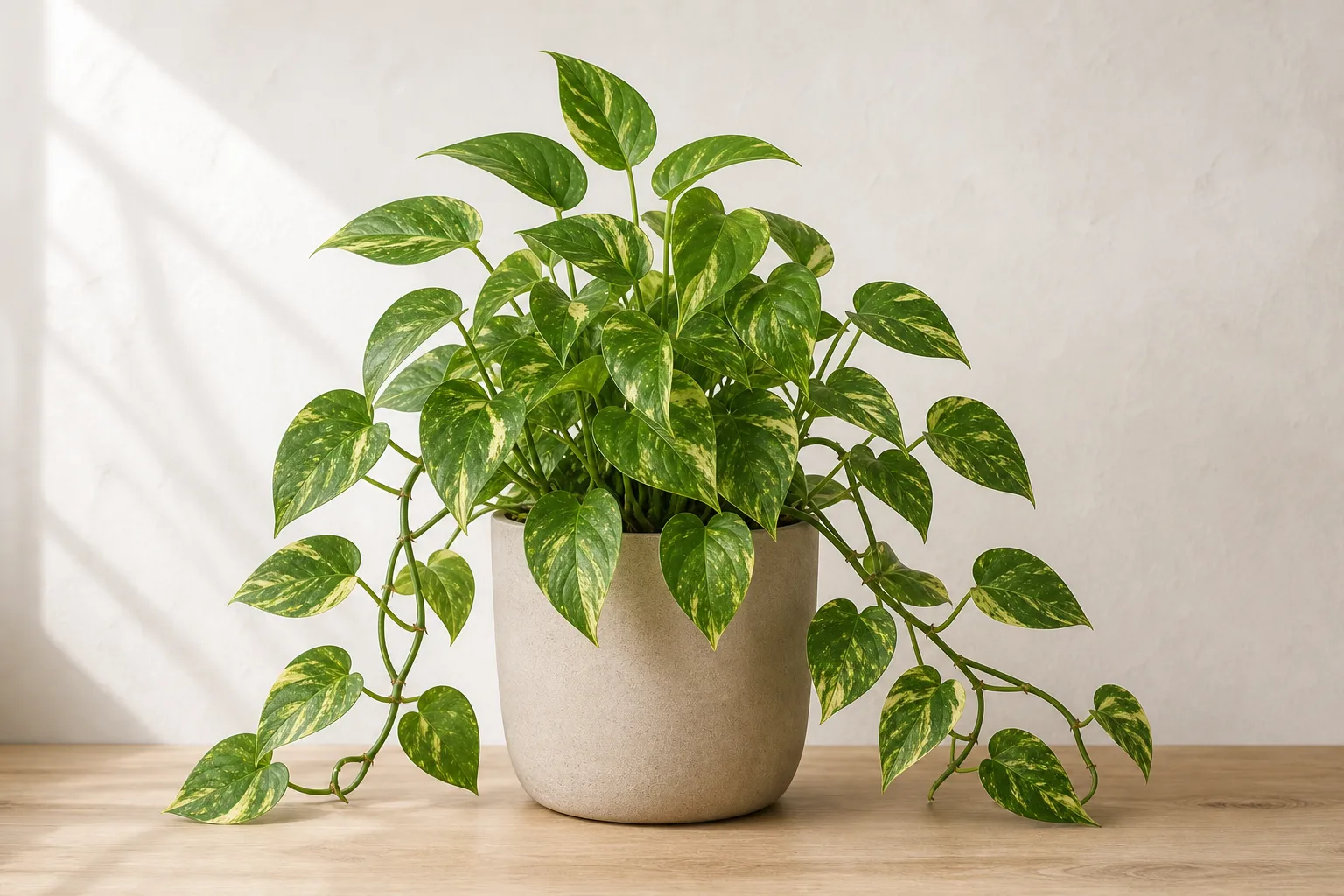
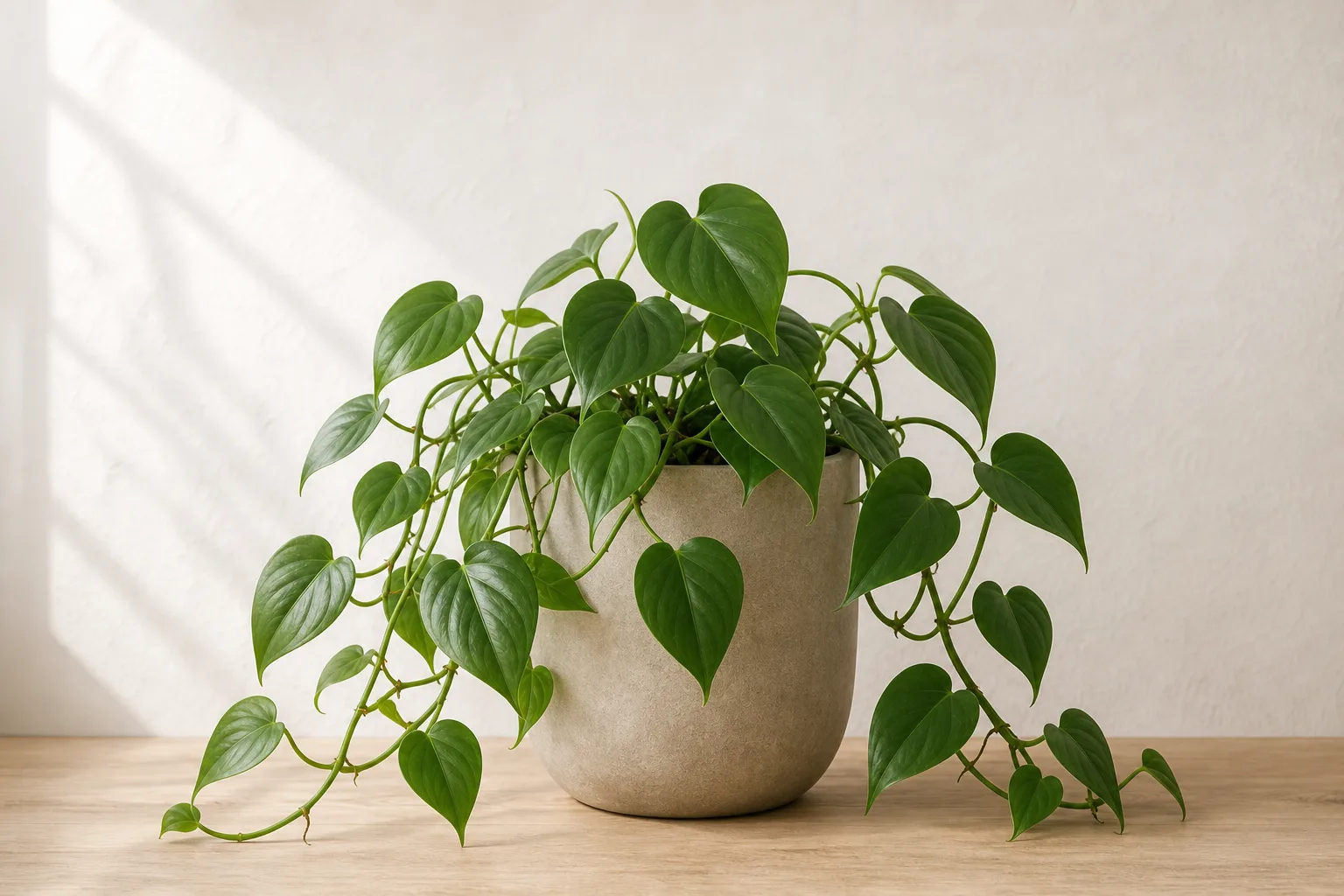
Vining and trailing plants — pothos, heartleaf philodendron, spider plant pups, and many aroids — root readily in water. Succulents, snake plant leaf sections, and plants with thick rhizomes often do better in soil, and woody stems are slow in both.
Common mistakes
Submerging leaves, leaving the jar in direct sun, ignoring cloudy water, and waiting too long to pot are the usual failures. Leaves under water rot; stale water rots stems; and roots left too long in water become brittle when they hit soil.
Frequently asked questions
How often should I change the water?
Change it when it clouds — typically about once a week. Clean water is the difference between a healthy cutting and a rotting one.
Do water-rooted plants need fertilizer?
If you plan to keep a plant in water long-term, add a dilute water-friendly fertilizer occasionally. Short-term rooting needs none.
Why did my water cutting go mushy?
The stem end likely sat in stale water, the cutting had no viable node, or leaves were submerged. Trim cleanly, change the water, and keep leaves above the surface.
Can every cutting root in water?
No. Many easy houseplants do, but succulents, woody stems, and some epiphytes root better in soil. Match the method to the plant.
Propagation results vary with plant health, season, light, and humidity. Use this guide as a starting point and adjust to what your plant shows you; when a cutting fails or a plant is unhealthy, address the underlying condition before trying again.