Key takeaways
- Grow in moist, rich, well-drained soil in full sun to part shade.
- Confine it - spearmint spreads aggressively by rhizomes; a container is easiest.
- Shear after bloom to refresh foliage; the ASPCA lists mint as toxic to pets in quantity.
How to care for spearmint
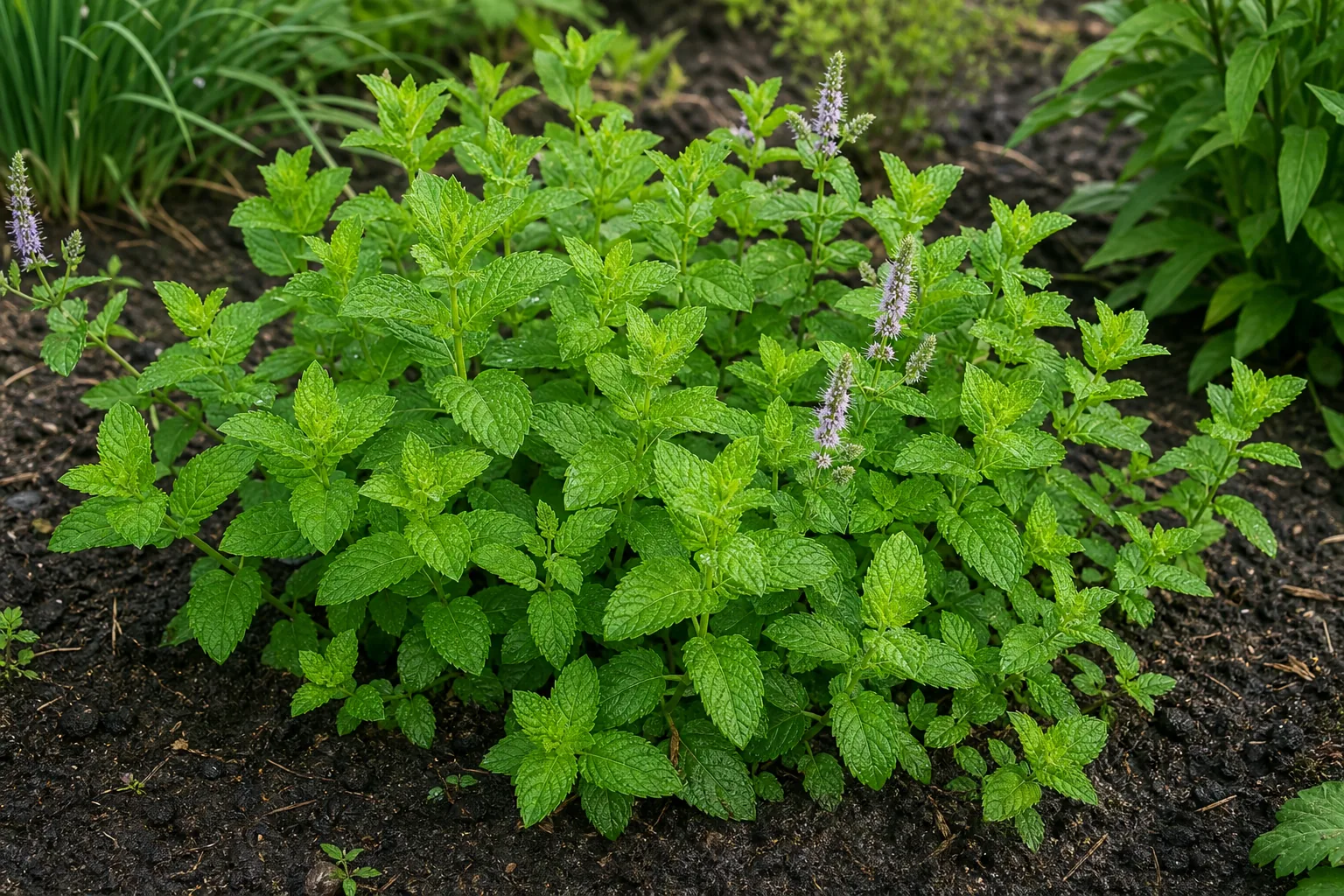
Spearmint (Mentha spicata) is an enthusiastic perennial that asks for moisture and then tries to take over. Plant it in full sun to part shade in organically rich, moist, well-drained soil, spacing 12-18 inches apart, and set a root barrier or grow it in a pot to keep the runners in check. Water regularly so the soil never dries out, and shear the plants after they flower to remove the bloom spikes and push fresh leafy growth. In cold climates it dies back and returns from the roots each spring.
Light
Spearmint grows in full sun to part shade; it produces the best flavor in sun but appreciates a little shade in hot regions. Too much shade makes it leggy, while sun with steady moisture keeps it compact and aromatic.
Water
Keep the soil consistently moist - spearmint hates dry ground and wilts quickly without water. It even tolerates periodically wet soil, so it is a good choice for rain gardens and pond edges. Water at the base and do not let containers dry out.
Soil and planting
Plant in moist, organically rich, well-drained soil; spearmint adapts to clay, loam, or sand but not dry sites. Because it spreads by rhizomes and surface roots, grow it in a container or raised bed with a barrier, or sink a pot in the ground. Repot or divide when the clump fills the container; keep the crown at the soil line.
Temperature, humidity, and fertilizer
Spearmint is hardy roughly zones 4-9 and thrives in moderate temperatures with average to high humidity. It tolerates heat and humidity better than many herbs but is prone to fungal disease when air is still and wet. Feed lightly with compost; too much nitrogen drives soft, less flavorful growth. Good drainage and airflow matter more than fertilizer.
Pruning and propagation
Shear after flowering to remove spikes and renew foliage, and cut plants back hard if they get straggly. Propagate by division, stem cuttings, or seed; divide clumps in spring or fall to control spread and refresh vigor, and pinch tips to keep plants bushy.
Common problems
Start with the pattern, current soil moisture, and recent changes. One symptom can have several causes, so change the most likely factor first and observe before making another major adjustment.
| Symptom | Check first | First action |
|---|---|---|
| Plants spreading everywhere | Check rhizomatous spread; mint is aggressive. | Grow in a container or install a root barrier; divide and thin yearly. |
| Orange pustules or rust on leaves | Check for rust, a common mint fungus in humidity. | Improve airflow, avoid wetting foliage, and remove affected leaves. |
| Brown spots or blotches on leaves | Check for leaf spot and confirm with local diagnosis. | Increase spacing and airflow, avoid overhead watering, and remove infected foliage. |
| Wilting in dry soil | Check moisture; spearmint needs constant water. | Water more often and mulch; grow in a spot that stays moist. |
| Pet vomiting after chewing | Check ingestion - ASPCA lists mint as toxic in quantity. | Keep plants out of pet reach and contact a veterinarian after a concerning exposure. |
Pet and household safety
Spearmint is toxic to cats and dogs if ingested in large amounts; the ASPCA lists mint (Mentha sp.) as toxic because the essential oils can cause vomiting and diarrhea. Keep it out of reach of pets and contact a veterinarian after a concerning exposure. Small amounts in foods are generally not the concern - the risk is chewing the plant itself.
Frequently asked questions
How much sun does spearmint need?
Full sun to part shade. It flavors best in sun but benefits from light shade in hot climates.
How often should I water spearmint?
Keep the soil consistently moist; spearmint wilts fast when dry and even tolerates wet soil.
How do I stop mint from spreading?
Grow it in a container or sink a pot in the ground with a root barrier; divide clumps each year to control runners.
Why are there orange spots on my mint?
Likely rust, a fungal disease common in humid conditions. Improve airflow, avoid wetting foliage, and remove affected leaves.
How do I harvest and use spearmint?
Snip stems anytime once established; use fresh or dried leaves in tea, sauces, and drinks. Shear after flowering to renew growth.
Is mint safe for pets?
No - the ASPCA lists mint as toxic to dogs, cats, and horses in large amounts because the essential oils can cause vomiting and diarrhea. Keep plants away from pets.
Sources and editorial review
This editorial draft is based on the sources below and awaits named horticulture-expert approval before publication.
- Mentha spicataRoyal Botanic Gardens, Kew (Plants of the World Online) · Checked
- MintASPCA · Checked
- Mentha spicataNorth Carolina State University Extension · Checked
- Mentha spicata 'Kentucky Colonel'Missouri Botanical Garden · Checked
What works well
- Fragrant, flavorful leaves for tea, cooking, and garnish.
- Easy, fast-growing, and attractive to bees and butterflies.
- Tolerant of a wide range of soils and useful as a moist-area ground cover.
What to consider
- Spreads rampantly by rhizomes and can become weedy.
- Prone to rust and leaf spot in humid conditions.
- Toxic to dogs, cats, and horses (ASPCA) in large ingestions.