Key takeaways
- Grow in full sun to partial shade in well-drained soil; it tolerates deep shade, drought, salt, and clay.
- Mow or trim the foliage to about 3 inches in late winter before new spring growth.
- Divide established clumps every 3-4 years if you want more plants; it is otherwise low-care.
How to care for lilyturf
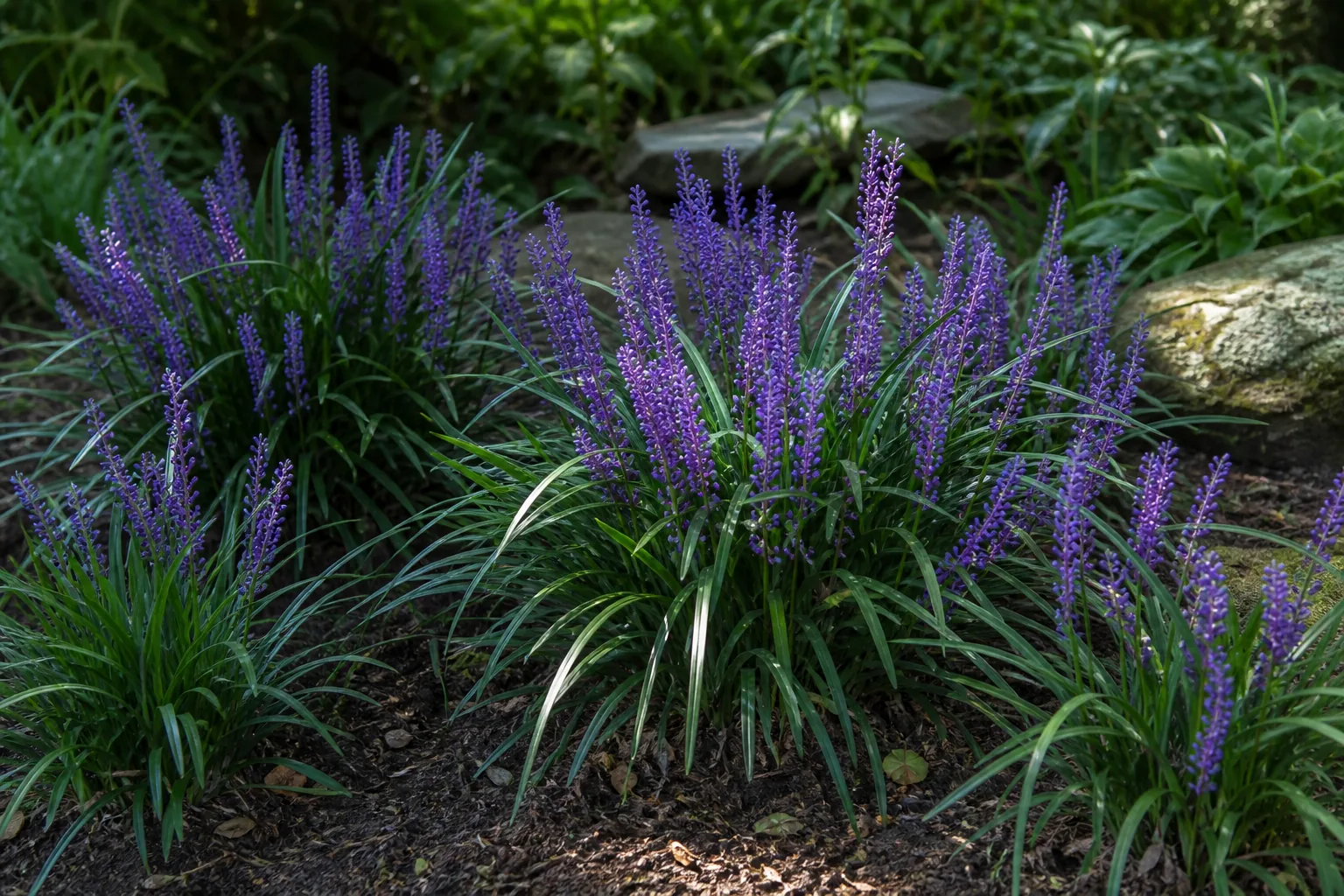
Lilyturf (Liriope muscari) is among the easiest evergreen ground covers. Plant clumps about 1 foot apart in acidic to neutral, well-drained soil in full sun to partial shade; it tolerates almost full shade, though growth is slower and leaves elongate. In the first year water regularly to keep soil moist; once established it needs very little supplemental irrigation. Each February, before new growth begins, cut or mow the old foliage back to about 3 inches to keep the planting neat and reduce disease.
Light
Lilyturf grows in full sun to partial shade and tolerates almost full shade, where growth is slower and leaves elongate. Flowering is most profuse in a sunny location, while deep shade reduces bloom. It also withstands heat, drought, salt spray, and reflected sun near pavement.
Water
Water regularly through the first year to keep soils moist. Once established, lilyturf requires very little supplemental irrigation and is notably drought tolerant. It will not take wet feet - moist, well-drained soil is essential - so avoid poorly drained sites and overwatering.
Soil and planting
Lilyturf grows in acidic to neutral, well-drained soils and tolerates clay, sand, shallow rocky soil, and poor soil. Plant clumps about 1 foot apart, never burying the crown - crown burial invites rot. It grows as a dense clump and is ideal for edging; in containers use a well-drained mix and divide when rootbound.
Temperature, humidity, and fertilizer
Hardy in roughly USDA zones 5-10, lilyturf is drought, salt, deer, and rabbit tolerant and handles summer heat well. Shelter it from cold winds and frost-prone areas. It is a light feeder: a slow-release or organic fertilizer applied in early spring is plenty; avoid over-fertilizing, which stresses plants and invites disease.
Pruning and propagation
The key annual task is cutting back the old foliage to about 3 inches in late winter before new growth begins, which keeps plants tidy and reduces anthracnose. Division is rarely necessary for plant health but is the way to increase numbers - dig and separate clumps every 3-4 years in early spring.
Common problems
Start with the pattern, current soil moisture, and recent changes. One symptom can have several causes, so change the most likely factor first and observe before making another major adjustment.
| Symptom | Check first | First action |
|---|---|---|
| Reddish-brown spots on leaf margins and tips | Check for anthracnose, worse with frequent rainfall or overhead irrigation. | Mow or trim old foliage in late winter, remove debris, and avoid overhead watering. |
| Yellowing inner foliage that turns brown at the base | Check for leaf and crown rot (Phytophthora), often from planting too deep or poor drainage. | Improve drainage, replant at the correct depth, and remove affected plants. |
| Plants discolor from the base upward | Check for root rot in poorly drained or overwatered sites. | Remove affected plants, avoid overwatering, and replant only healthy divisions. |
| Yellow or reddish spotting on leaves | Check for liriope or fern scale infestation. | Cut back foliage in late winter, clean up clippings, and apply horticultural oil after pruning. |
| Tattered, brown-tipped foliage by late winter | Check the calendar - this is normal aging foliage. | Cut the tops back to about 3 inches in February before new growth begins. |
Pet and household safety
Lilyturf is non-toxic to dogs, cats, and horses according to the ASPCA, which lists Turf Lily (Liriope muscari) as non-toxic to all three. The NC State Extension profile notes low-severity poison characteristics with no known cases and cautions only because of the plant's relationship to known toxic plants. Ingestion of any plant material may still cause mild stomach upset, so discourage chewing and contact a veterinarian if a pet shows persistent signs.
Frequently asked questions
How much light does lilyturf need?
Full sun to partial shade; it tolerates almost full shade but flowers best in sun.
How often should I water lilyturf?
Regularly the first year, then very little - it is drought tolerant once established. It dislikes wet feet.
When should I cut back lilyturf?
In February, before new growth begins. Mow or trim the old foliage to about 3 inches.
How do I divide lilyturf?
Dig and separate clumps in early spring, every 3-4 years if you want more plants.
Why are my lilyturf leaves turning brown at the tips?
Usually anthracnose or scale; also normal tattering by late winter. Cut back in February and clean up debris.
Is lilyturf safe for pets?
Yes - the ASPCA lists Turf Lily (Liriope muscari) as non-toxic to dogs, cats, and horses. Any plant can still cause mild stomach upset if eaten in quantity, so prevent heavy chewing.
Sources and editorial review
This editorial draft is based on the sources below and awaits named horticulture-expert approval before publication.
- Liriope muscariRoyal Botanic Gardens, Kew (Plants of the World Online) · Checked
- Turf LilyASPCA · Checked
- Liriope muscariNorth Carolina State University Extension · Checked
- LiriopeClemson Cooperative Extension (Home & Garden Information Center) · Checked
What works well
- Tough, evergreen, grasslike ground cover that takes sun or shade, heat, drought, and salt spray.
- Clumping habit makes it an excellent edging plant for walkways and borders.
- Late-summer purple flower spikes add color and attract pollinators.
What to consider
- Foliage looks tattered by late winter and needs an annual cut-back.
- Susceptible to anthracnose, leaf and crown rot, and liriope scale in stressful sites.
- Not a true grass - it is in the asparagus family, so do not treat it like turf.