Key takeaways
- Grow in full sun to part shade in rich, light, moist but well-drained soil; it is intolerant of drought.
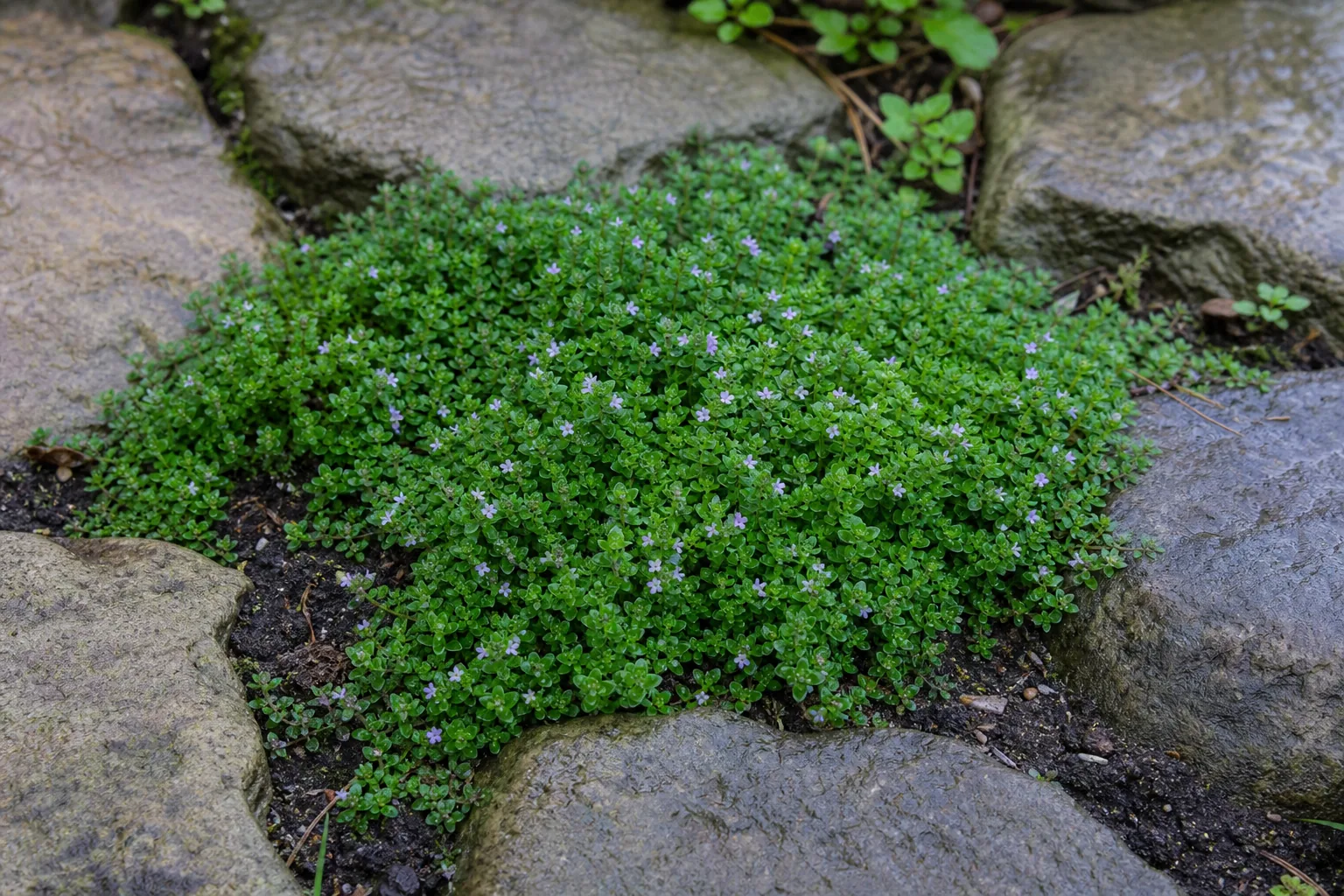
- Use it between stepping stones or in rock gardens where light foot traffic releases its peppermint scent.
- Propagate by division in spring or autumn; it also self-seeds freely in good conditions.
How to care for Corsican mint
Corsican mint (Mentha requienii) is a miniature, mat-forming perennial that grows only 1/2 to 1 inch tall but spreads by thread-like creeping stems to 12 inches or more wide. Plant it in rich, light, moist but well-drained soil in full sun to part shade, spacing starter plants 6-10 inches apart. It tolerates shady garden areas and limited foot traffic and is particularly effective between stepping stones, where light foot traffic releases a pleasing mint aroma. It is intolerant of drought, so keep the soil consistently moist.
Light
Corsican mint grows in full sun to part shade; the RHS lists full shade to partial shade as suitable positions. It appreciates some afternoon shade in hot summer climates. Shady, moist sites suit this woodland-edge mint better than hot, dry, open ground.
Water
Corsican mint needs consistently moist soil and is intolerant of drought - dry soil quickly browns the mat. Water regularly through the season, especially in sun or containers. At the same time, it needs good drainage; rich, light soil that holds moisture without staying soggy is ideal.
Soil and planting
Grow Corsican mint in rich, light, moist but well-drained soil in full sun to part shade; it adapts to a wide range of soils except dry ones. Between paving stones, tuck small plugs into the gaps and keep them moist until rooted. In containers, use a moisture-retentive but freely draining mix. Because it can become a nuisance, restrict the root run in a deep container plunged into the ground, or plant it where it can grow unrestricted.
Temperature, humidity, and fertilizer
Hardy in roughly USDA zones 6-9, Corsican mint is evergreen in mild winters but dies back where winters are cold, returning from self-seeded seedlings or rooted runners. It prefers cool, moist, humid conditions and suffers in hot, dry winds. Little or no fertilizer is needed; the plant grows happily in reasonably rich soil.
Pruning and propagation
Trim or tidy the mat over after flowering if necessary. Propagate by division in spring or autumn - the creeping stems root readily as they spread. It also self-seeds freely in optimum growing conditions, which is how it persists north of its hardiness zone.
Common problems
Start with the pattern, current soil moisture, and recent changes. One symptom can have several causes, so change the most likely factor first and observe before making another major adjustment.
| Symptom | Check first | First action |
|---|---|---|
| Mat browns and dies back in dry weather | Check soil moisture - Corsican mint is intolerant of drought. | Water regularly and mulch lightly; move to a moister, shadier site if needed. |
| Leaves rot in wet, stagnant conditions | Check drainage and airflow around the dense mat. | Improve drainage, thin the mat, and avoid standing water. |
| Powdery mildew in dry, stressful conditions | Check the RHS notes powdery mildews, especially during drought. | Keep soil moist, improve airflow, and avoid drought stress. |
| Escaping beyond its planting area | Check self-seeded seedlings and rooting runners. | Contain the root run, pull stray seedlings, or grow it in a sunken container. |
| Thin patches after winter in cold zones | Check whether the mat died back to roots or seedlings. | Divide and replant rooted sections in spring; expect regrowth from self-sown seed. |
Pet and household safety
Corsican mint is toxic to dogs, cats, and horses according to the ASPCA, which lists Mint (Mentha sp.) as toxic with the toxic principle being essential oils; clinical signs include vomiting and diarrhea with large ingestions. Fresh leaves are less hazardous than concentrated mint oils, but prevent pets from chewing the plant and contact a veterinarian after substantial ingestion.
Frequently asked questions
How much light does Corsican mint need?
Full sun to part shade; the RHS lists full shade to partial shade. It appreciates afternoon shade in hot climates.
How often should I water Corsican mint?
Frequently - it is intolerant of drought. Keep the soil consistently moist but well drained.
Can I walk on Corsican mint?
Yes, it tolerates limited foot traffic, which is why it is so popular between stepping stones - the crushed leaves release a minty scent.
How do I propagate Corsican mint?
Divide in spring or autumn; the creeping stems root readily. It also self-seeds freely.
Will Corsican mint survive winter?
It is hardy to roughly zone 6 and evergreen in mild winters; in colder zones it may act as a self-seeding annual.
Is Corsican mint safe for pets?
No - the ASPCA lists Mint (Mentha sp.) as toxic to dogs, cats, and horses (essential oils, with vomiting and diarrhea from large ingestions). Keep pets from chewing it.
Sources and editorial review
This editorial draft is based on the sources below and awaits named horticulture-expert approval before publication.
- Mentha requieniiRoyal Botanic Gardens, Kew (Plants of the World Online) · Checked
- MintASPCA · Checked
- Mentha requieniiRoyal Horticultural Society · Checked
- Mentha requieniiMissouri Botanical Garden Plant Finder · Checked
What works well
- Delicate, aromatic mat of tiny peppermint-scented leaves - the source of the flavoring in creme de menthe.
- Tolerates limited foot traffic, making it ideal between paving stones.
- Low maintenance and adaptable to shady garden areas.
What to consider
- Intolerant of drought and dies back quickly if the soil dries out.
- Can become invasive in optimum conditions and needs containing.
- Toxic to dogs, cats, and horses according to the ASPCA's Mint listing (essential oils).