Key takeaways
- Plant in full sun in lean, well-drained soil; yarrow tolerates drought once established.
- Deadhead spent flowers and divide clumps every 2-3 years to renew vigour.
- All parts are toxic to pets - keep dogs and cats from chewing the foliage.
How to care for common yarrow
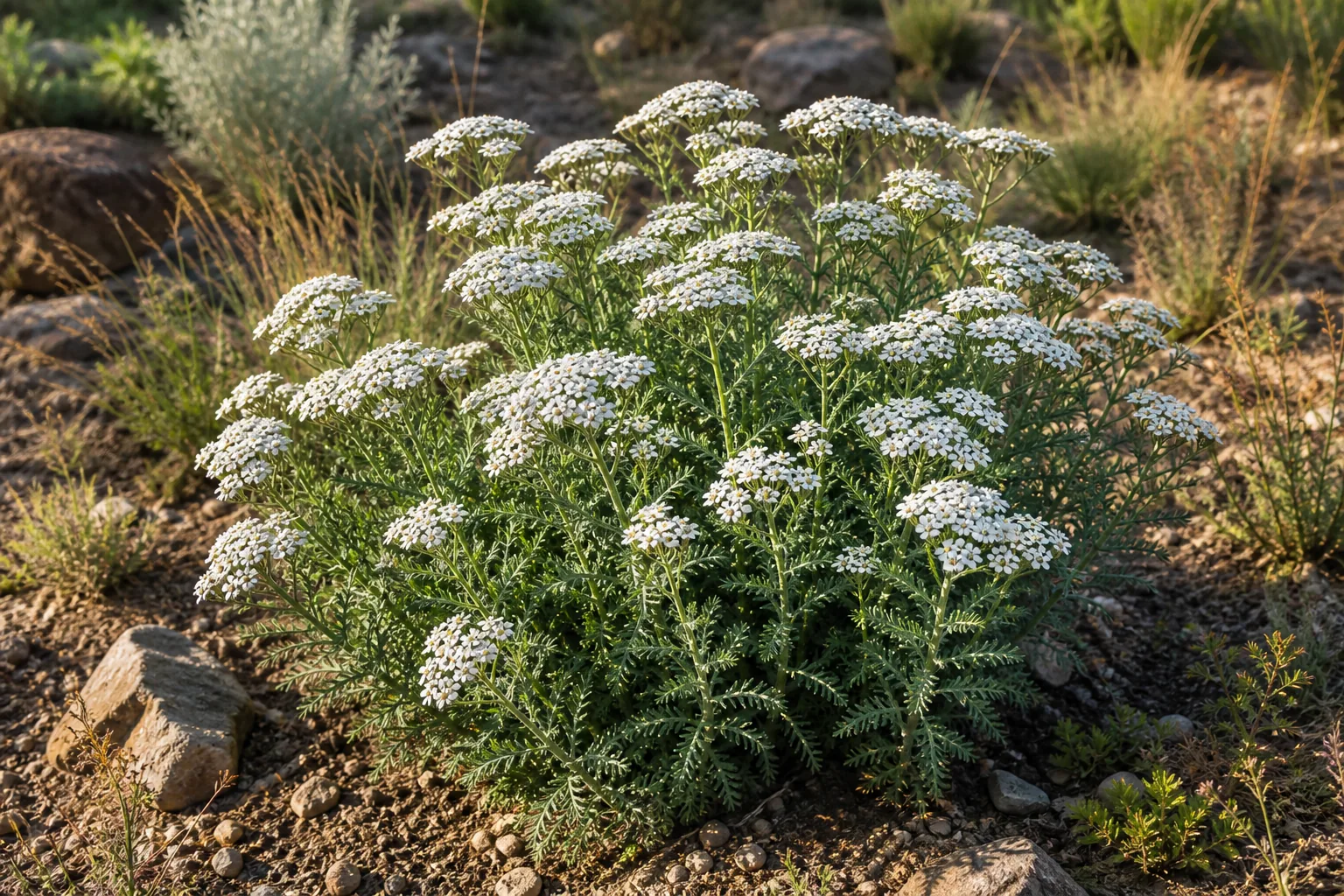
Common yarrow (Achillea millefolium) is a tough perennial that thrives on neglect. Plant in full sun in lean, well-drained soil, spacing 12-24 inches apart and keeping the crown at the soil line. Water to establish, then only during extended drought; overwatering and rich soil make plants floppy and disease-prone. Deadhead spent flower clusters to encourage a second flush and shear plants back after the first bloom to keep them tidy. Divide clumps every 2-3 years in spring or autumn to control spread and renew vigour.
Light
Yarrow needs full sun - at least 6 hours of direct light daily - for sturdy, compact growth and the best flowering. Too much shade makes stems weak and leggy and increases mildew risk.
Water
Water sparingly; yarrow is drought tolerant once established and prefers the soil to dry between waterings. About 1 inch per week is plenty while young, much less once mature. Avoid overhead watering, which encourages powdery mildew.
Soil and planting
Plant in average to lean, well-drained soil with a slightly acidic to neutral pH; sandy or gravelly ground is ideal. Rich soil produces weak, floppy growth. In containers use a gritty, freely draining mix and repot only when badly crowded; yarrow is best in the ground where it can spread.
Temperature, humidity, and fertilizer
Hardy in USDA zones 3-9, yarrow tolerates heat and cold but dislikes humid, still air. Good airflow limits powdery mildew. Fertilizer is rarely needed; too much nitrogen softens stems, so skip feeding or use only a light compost top-dressing.
Pruning and propagation
Deadhead spent blooms and shear plants back by a third after the first flush to tidy and rebloom. Propagate by division in spring or autumn, or by seed sown in spring; named cultivars come true from division, not seed.
Common problems
Start with the pattern, current soil moisture, and recent changes. One symptom can have several causes, so change the most likely factor first and observe before making another major adjustment.
| Symptom | Check first | First action |
|---|---|---|
| Floppy, falling stems | Check soil richness, watering, and light. | Move to leaner soil and full sun; reduce water and stake if needed. |
| White powdery coating on leaves | Check humidity, airflow, and overhead watering for powdery mildew. | Improve spacing and airflow, avoid wetting foliage, and remove affected leaves. |
| Spreading aggressively | Check rhizomes in loose soil. | Divide every 2-3 years and contain with edging if needed. |
| Aphids on flower clusters | Check for aphids in warm weather. | Rinse with water or use insecticidal soap; avoid broad sprays that harm pollinators. |
| Browning or dying crown | Check for rot from wet soil or crowding. | Improve drainage and divide; replant healthy sections. |
Pet and household safety
Yarrow is toxic to dogs, cats, and horses according to the ASPCA. The toxic principles include glycoalkaloids (achillein) and terpenes such as monoterpenes and sesquiterpene lactones; clinical signs of ingestion include vomiting, diarrhea, drooling, and depression. Keep pets from chewing the plant and contact a veterinarian if ingested.
Frequently asked questions
How much sun does yarrow need?
Full sun - at least 6 hours daily; too much shade makes it floppy and disease-prone.
How often should I water yarrow?
Sparingly; it is drought tolerant once established and prefers dry soil between waterings.
Why is my yarrow flopping over?
Usually rich soil, too much water, or too little sun; grow it lean and in full sun.
How do I keep yarrow blooming?
Deadhead spent clusters and shear plants back after the first flush for a second bloom.
Does yarrow spread?
Yes - by rhizomes in loose soil; divide every few years to control it.
Are yarrow plants safe for pets?
No - the ASPCA lists yarrow as toxic to dogs, cats, and horses (glycoalkaloids and terpenes). Keep pets away.
Sources and editorial review
This editorial draft is based on the sources below and awaits named horticulture-expert approval before publication.
- Achillea millefoliumRoyal Botanic Gardens, Kew (Plants of the World Online) · Checked
- YarrowASPCA · Checked
- Achillea millefoliumMissouri Botanical Garden · Checked
- YarrowNorth Carolina State University Extension · Checked
What works well
- Very drought tolerant and durable once established.
- Long bloom season that attracts bees, butterflies, and beneficial insects.
- Good for borders, meadows, and fresh or dried cut flowers.
What to consider
- Toxic to dogs, cats, and horses if ingested (glycoalkaloids and terpenes).
- Can spread aggressively by rhizomes in loose soil.
- Susceptible to powdery mildew and aphids in humid, crowded conditions.