Key takeaways
- Plant in full sun to part shade in rich, moist, well-drained soil.
- Cut often for tender leaves; the plant is perennial and returns each spring.
- Toxic to cats and dogs (per ASPCA on related Rumex) - keep it out of reach of pets.
How to care for common sorrel
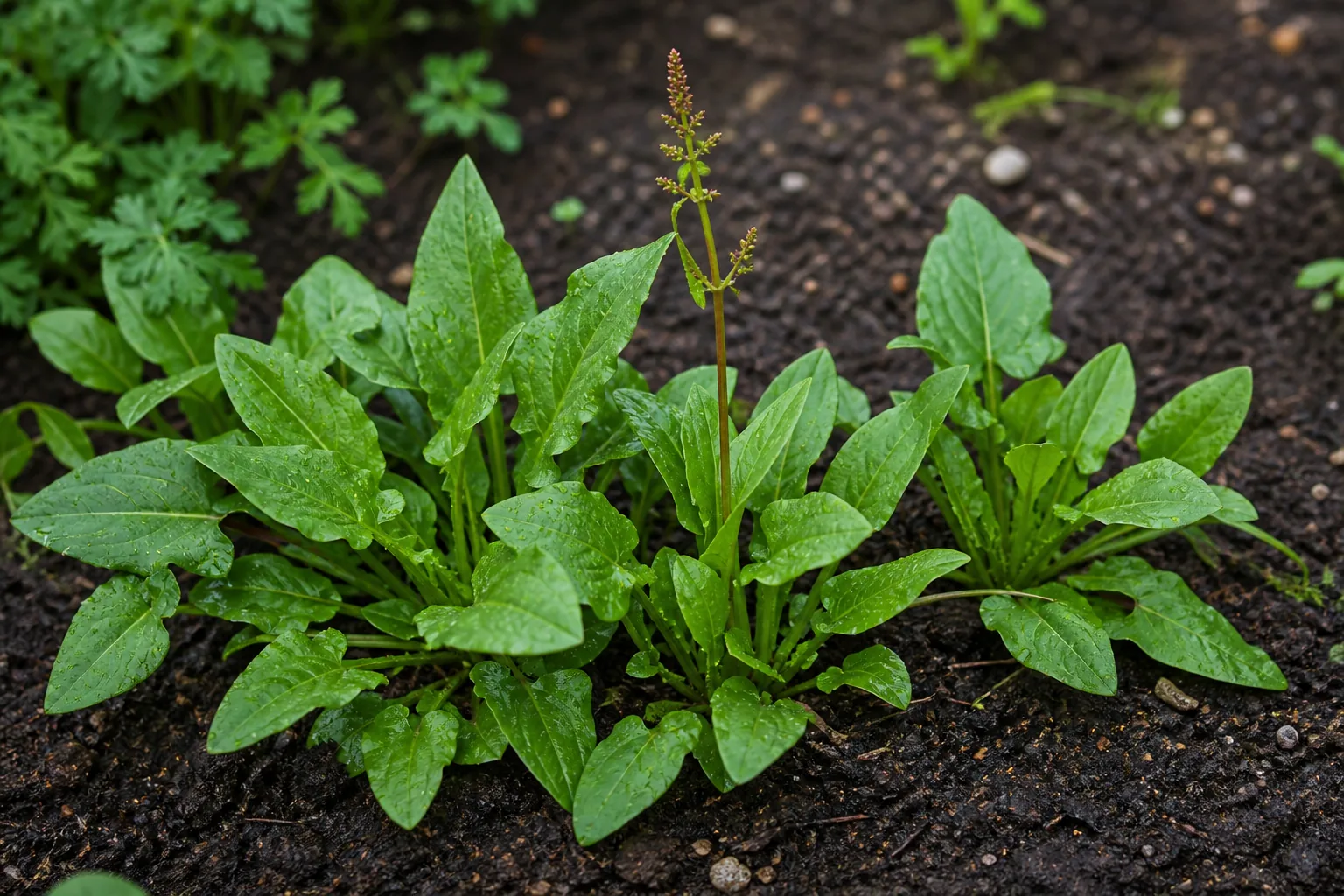
Common sorrel (Rumex acetosa) is a unfussy, cold-hardy perennial that earns its place with early, tangy leaves. Set plants or sow seed in spring in full sun to part shade, spacing 12-18 inches apart, in rich, moist, well-drained soil. Keep it evenly watered and cut the leaves often - the outer ones first - to keep harvests tender and delay flowering. Once it bolts in summer heat the leaves turn bitter; cut it back hard and it will resprout in cooler weather. Divide clumps every 3-4 years in spring to keep plants vigorous.
Light
Sorrel grows in full sun to part shade. In hot climates part shade keeps leaves tender and slows bolting; in cool spring weather full sun gives the best growth.
Water
Water to keep the soil consistently moist but well drained; sorrel is shallow rooted and wilts in dry soil, which also drives bolting. Water at the base and mulch to hold moisture, especially in warm spells.
Soil and planting
Plant in rich, fertile, moisture-retentive but well-drained soil with compost worked in; sorrel likes a neutral to slightly acidic pH. In containers use a deep pot (at least 8-10 inches) with a loamy mix and keep the crown at the soil line; divide every few years in spring to refresh the clump.
Temperature, humidity, and fertilizer
Sorrel is a cool-season perennial hardy in roughly zones 3-7 that grows best in spring and fall and bolts in summer heat; it tolerates hard frost and returns each year. Feed lightly with compost at planting and after cuts; too much nitrogen just pushes leafy growth, which is fine, but keep harvests young and tender.
Pruning and propagation
Harvest by cutting outer leaves at the base and remove flower stalks to extend leaf quality. Propagate by seed sown in place in spring or fall, by division of clumps in spring, or from root cuttings; plants self-sow if allowed to bloom.
Common problems
Start with the pattern, current soil moisture, and recent changes. One symptom can have several causes, so change the most likely factor first and observe before making another major adjustment.
| Symptom | Check first | First action |
|---|---|---|
| Leaves turn bitter and the plant bolts in summer | Check heat and day length; bolting is natural as weather warms. | Cut back hard and keep soil moist; harvest in cooler spring and fall. |
| Wilting in dry soil despite shade | Check moisture; sorrel is shallow rooted. | Water deeply at the base and mulch; it recovers quickly once watered. |
| Rusty-orange spots on leaves | Check for rust, a common Rumex fungus. | Improve airflow, remove affected leaves, and avoid wetting foliage. |
| Self-sows aggressively around the bed | Check that flower heads are setting seed. | Remove flowering stalks to limit spread; divide if overcrowded. |
| Slow, weak growth in poor soil | Check fertility and drainage. | Work in compost and keep evenly moist; thin for airflow. |
Pet and household safety
Sorrel (Rumex) is listed as toxic to cats and dogs by the ASPCA (under related Rumex scutatus), so keep it out of reach of pets. The leaves are high in soluble oxalates, which can cause kidney irritation and other signs if eaten in quantity; contact a veterinarian after a concerning exposure. For people, eat sorrel in moderation because of its oxalic acid.
Frequently asked questions
How much sun does common sorrel need?
Full sun to part shade; part shade helps in hot weather and keeps leaves tender.
Why does my sorrel taste bitter?
It has likely bolted in heat. Cut it back, keep it moist, and harvest young leaves in cool weather.
How often should I water sorrel?
Keep the soil evenly moist; it is shallow rooted and wilts fast when dry.
Can I grow sorrel in a pot?
Yes - a deep pot (8-10 inches) with a loamy, moist mix works well; divide every few years.
Is sorrel safe to eat?
In moderation, yes - the tangy leaves are a traditional green, but they are high in oxalic acid, so sensitive people should limit them.
Is sorrel safe for pets?
No - the ASPCA lists sorrel (Rumex) as toxic to cats and dogs because of soluble oxalates. Keep it away from pets and call a vet after ingestion.
Sources and editorial review
This editorial draft is based on the sources below and awaits named horticulture-expert approval before publication.
- Rumex acetosaRoyal Botanic Gardens, Kew (Plants of the World Online) · Checked
- SorrelASPCA · Checked
- Rumex acetosaMissouri Botanical Garden · Checked
- Growing sorrelUniversity of Minnesota Extension · Checked
What works well
- Early, tangy, lemony leaves for salads, soups, and sauces.
- Hardy perennial that returns reliably and is easy from seed or division.
- Productive cut-and-come-again crop through cool seasons.
What to consider
- High oxalic acid; eat in moderation, especially for sensitive people.
- Can bolt and turn bitter in hot weather; self-sows if allowed.
- Toxic to dogs and cats (per ASPCA on related Rumex) if eaten.