Key takeaways
- Match particle size and moisture retention to the plant's root strategy.
- Read the ingredient list, not the marketing name.
- A general mix plus coarse perlite covers most foliage plants.
- Judge a mix by how it dries in your pots, not by the label alone.
What we looked for
We evaluated mixes on the qualities that actually determine container success: the base ingredient and its moisture behavior, the presence of durable aeration particles, whether fertilizer is included, how the mix behaves when dry, and whether the product states its pH and ingredients clearly.
We compared general houseplant mixes, aroid-specific blends, succulent and cactus mixes, and peat-free options, using extension guidance on container media rather than brand marketing.
Best overall: a balanced general houseplant mix
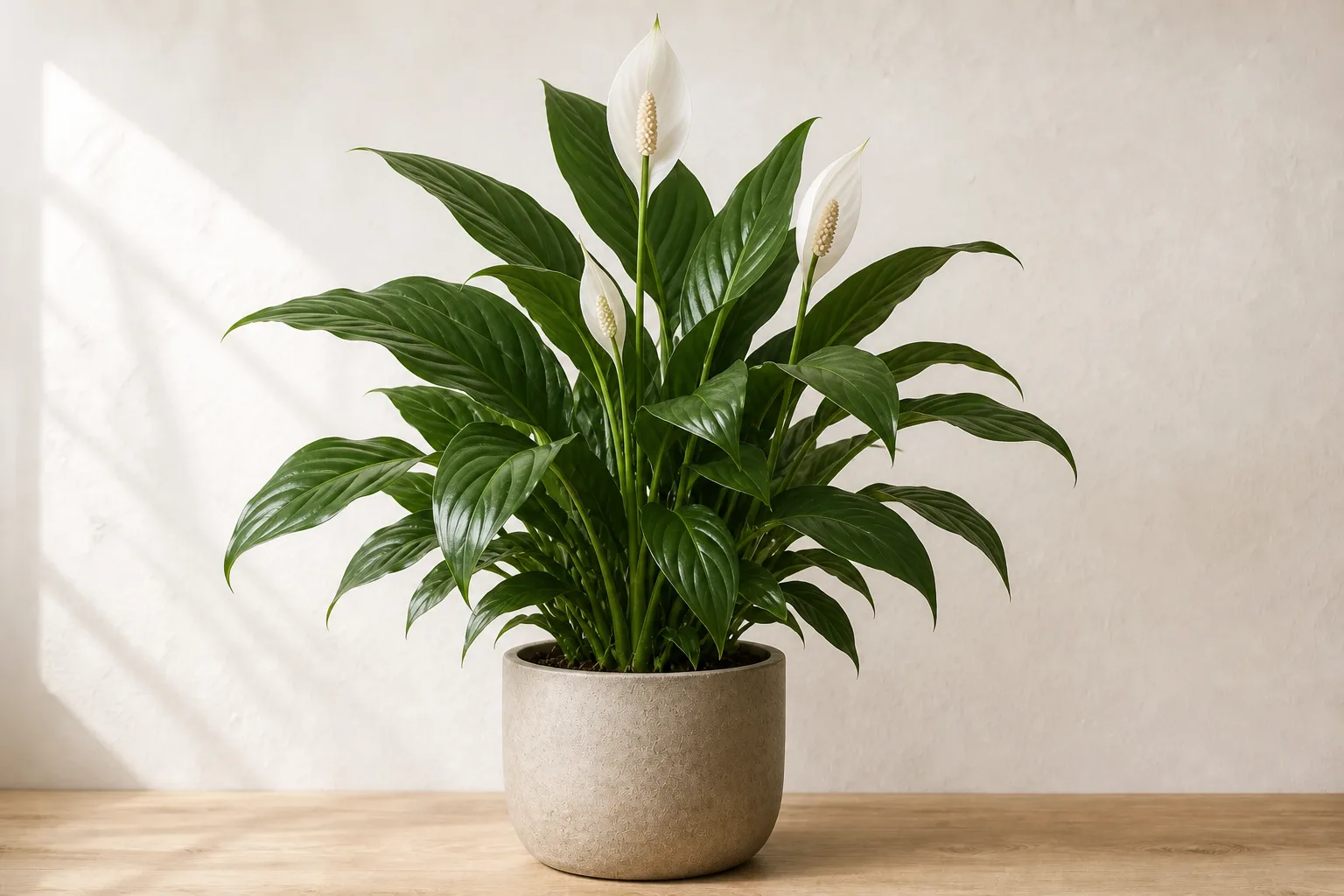
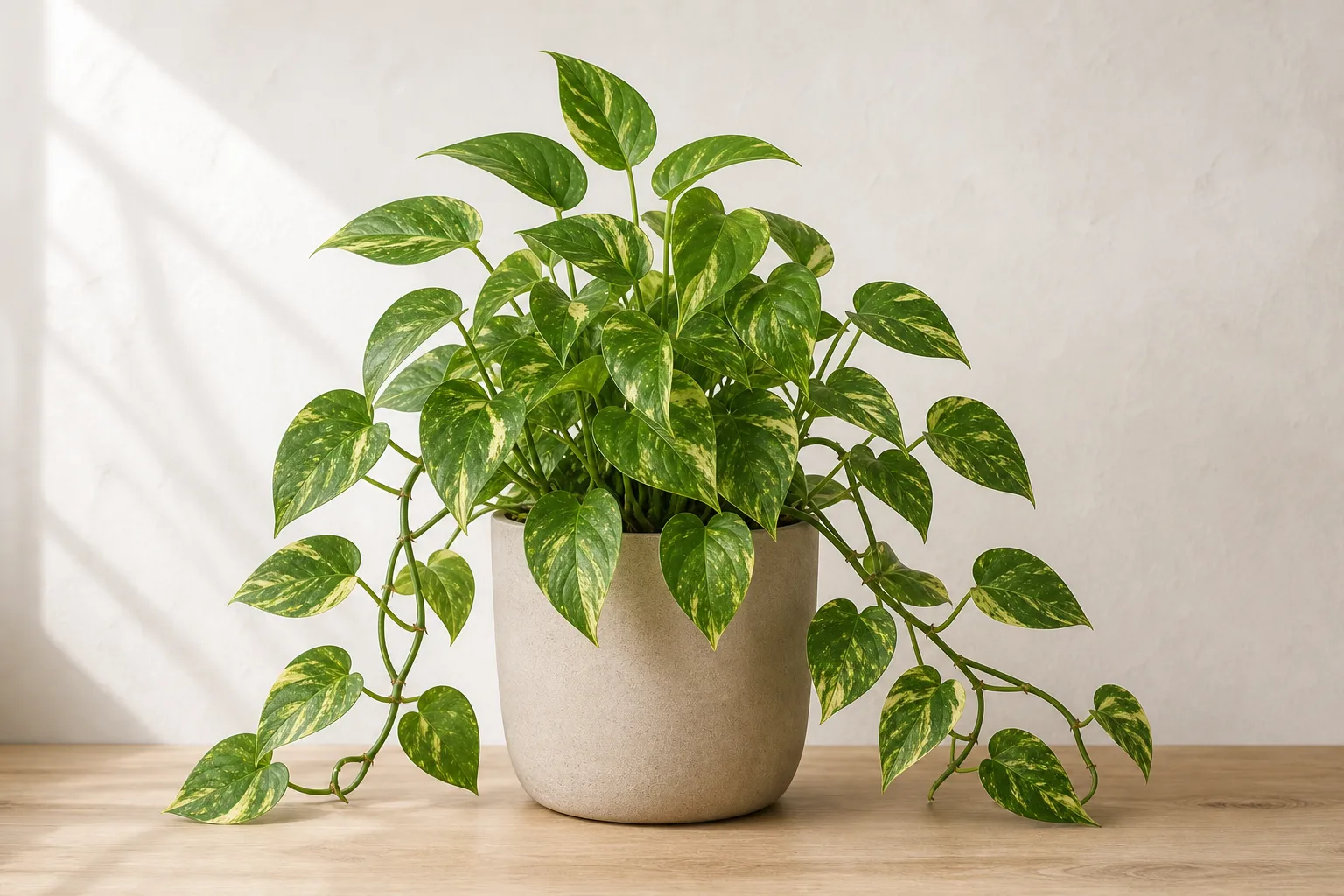
For most foliage houseplants, a balanced mix built on peat or coir with perlite and a small amount of bark or composted material is the practical best overall. It holds enough water for consistent root-zone moisture while draining freely, and it suits pothos, philodendrons, peace lilies, and most common tropical foliage plants.
Check whether the bag already contains fertilizer; if it does, delay feeding for the first few months.
Best for aroids and epiphytes
Monstera, philodendron, and other aroids with thick aerial roots prefer a chunkier mix with more bark and perlite than a general blend. An aroid-specific mix provides the larger air spaces these roots tolerate, but a general mix amended with extra bark and perlite works just as well and lets you control the ratio.
Best for succulents and cacti
Succulents and cacti need a fast-draining mix that dries through the root zone. A purpose-made cactus mix is a good start, but many benefit from added coarse perlite or pumice, especially in plastic or glazed pots. Match the mix to the light — a fast mix cannot compensate for a permanently dark shelf.
Best peat-free option
Peat-free mixes built on coir and compost can perform well when the structure is right. Coir holds water and rewets more easily than peat, which helps with dry pockets, but the mix must still contain enough aeration material. Judge the bag by ingredients and drying behavior rather than the label.
How to use any mix well
Pre-moisten a very dry bag before potting so water does not channel around a dry core. Fill without packing, water thoroughly once, and learn how fast the mix dries in your specific pots and room — that drying time, not the brand, tells you when to water next.
Frequently asked questions
Can I use garden soil for houseplants?
Garden soil usually compacts in containers and can carry pests and pathogens. Use a purpose-made container mix for potted houseplants.
Is peat-free mix always better?
Peat-free is an environmental choice, but performance depends on ingredients. Judge moisture retention, aeration, and pH rather than the label.
How do I make a general mix chunkier?
Add coarse perlite, orchid bark, or pumice in small increments and test on one plant before repotting a collection.
Why does my new mix repel water?
Very dry peat or coir can resist wetting. Pre-moisten slowly, mix thoroughly, and water in repeated passes after potting.
We independently research and evaluate our recommendations. Product roundups are based on published specifications, label information, extension guidance, and aggregated owner feedback, and are attributed to the named writer. We may earn a commission when you purchase through links on our site.