Key takeaways
- Read the N-P-K numbers and the dilution, not the marketing.
- A balanced soluble fertilizer covers most foliage plants.
- Slow-release pellets suit low-maintenance routines but are easy to overapply.
- Feed only actively growing plants in adequate light.
What we looked for
We compared fertilizers on label clarity, the N-P-K balance for foliage versus flowering plants, dilution instructions, release behavior, and whether the product states its application route and precautions clearly.
We treated the label as the contract: a fertilizer is only appropriate when it is labeled for the plant type, dose, frequency, and application method you plan to use.
Best overall: a balanced soluble fertilizer
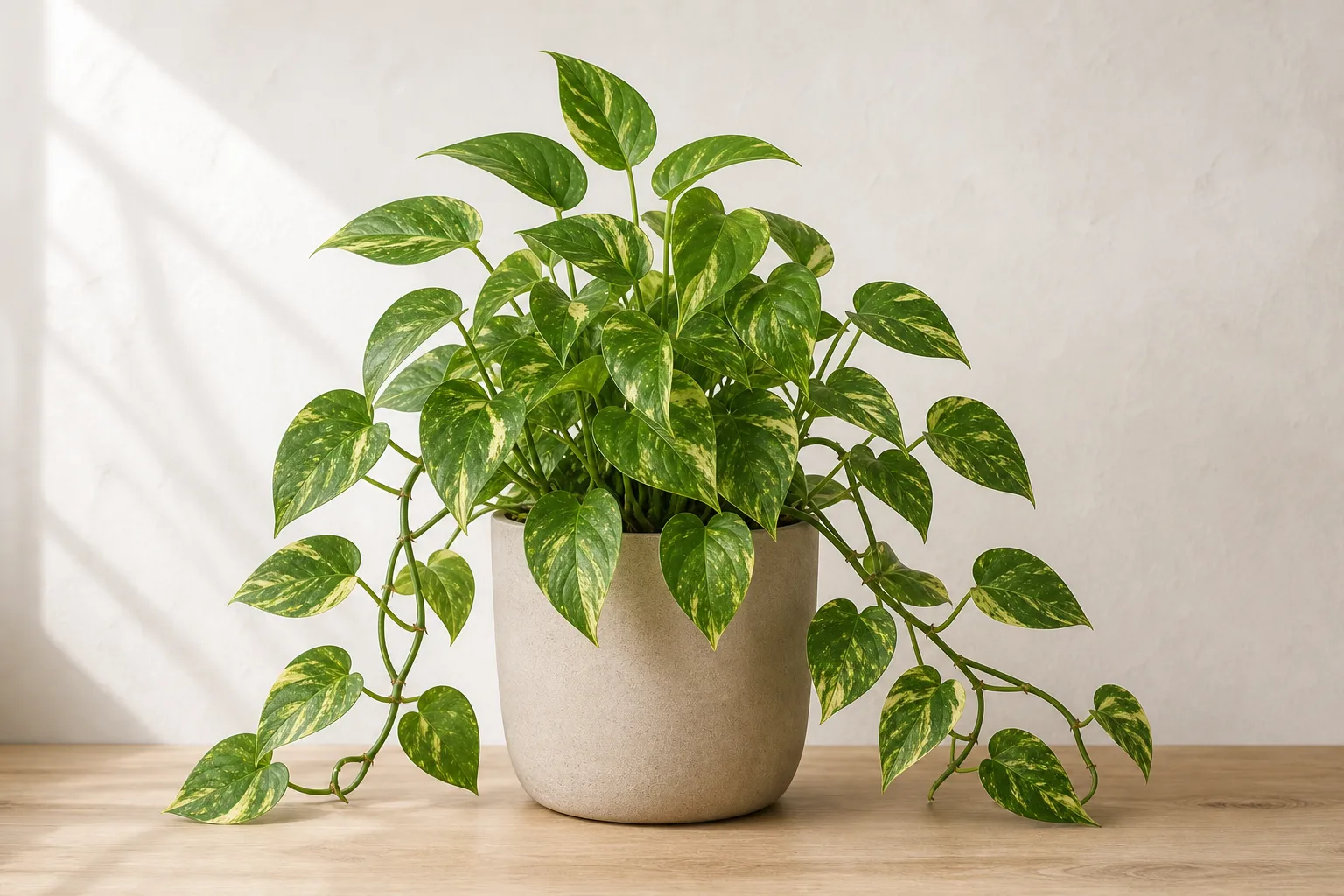
For most foliage houseplants, a balanced water-soluble fertilizer with roughly equal N-P-K — for example 20-20-20 — is the practical best overall. It dilutes accurately, feeds on a schedule you control, and covers pothos, philodendrons, peace lilies, and most tropical foliage plants when used at the labeled rate during active growth.
Best for flowering houseplants
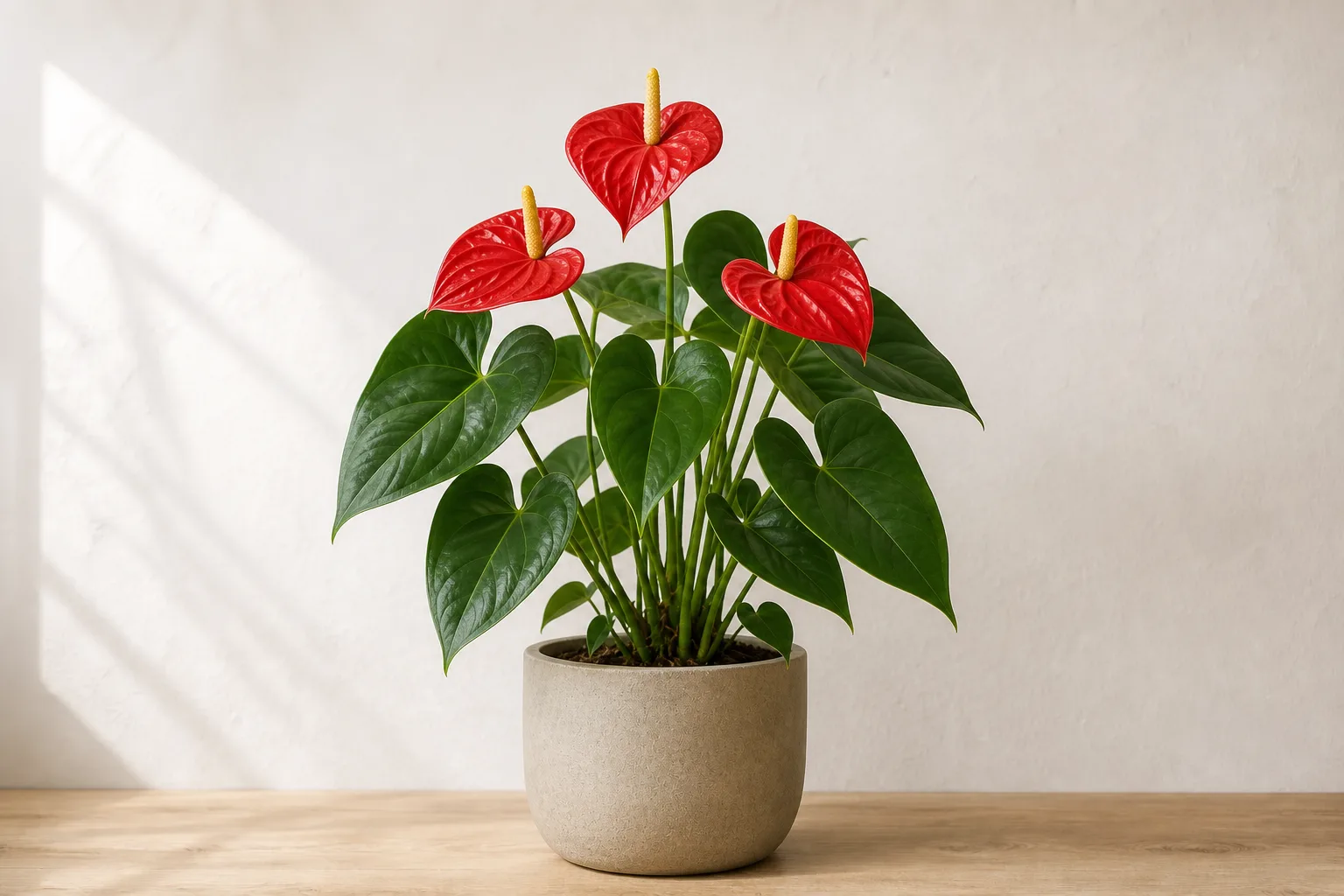
Flowering plants such as African violets, anthuriums, and orchids often respond to a fertilizer higher in phosphorus (the middle number) or a species-specific formula. Follow the label for the plant type and dilute accurately — overfeeding a flowering plant is more common than underfeeding.
Best low-maintenance pick: slow-release pellets
A slow-release pellet or spike suits a low-maintenance routine because it feeds gradually over weeks. The trade-off is control: you cannot easily stop it once applied, and combining it with liquid feed can overapply nutrients. Use one release system at a time and monitor salt crusts.
What the three numbers mean
The three numbers state the percentage of total nitrogen, available phosphate, and soluble potash. The right product depends on the plant and goal — foliage plants generally want a balanced feed, flowering plants may want more phosphorus, and orchids or acid-loving plants may need specialist formulas.
How to fertilize without burning roots
Feed only plants that are actively growing in adequate light, measure with a dedicated tool, and apply to moist media unless the label says otherwise. Watch new growth and salt crusts, and flush with plain water periodically. When in doubt, half the labeled rate is safer than the maximum.
Frequently asked questions
Can I fertilize in winter?
Only if the plant is actively growing under sufficient light and the product guidance supports it. Many plants need less or none during seasonal slowdown.
Is organic fertilizer safer?
Natural origin does not make overapplication harmless. Measure, store, and use every fertilizer according to its label.
How often should I fertilize houseplants?
Follow the label for the product and plant, during active growth, and extend the interval when light or growth declines. A modest schedule with accurate measuring beats an aggressive one.
Why is my plant still pale after feeding?
Low light, unsuitable pH, damaged roots, pests, and specific deficiencies can all cause pale growth. Diagnose before adding more fertilizer.
We independently research and evaluate our recommendations. Product roundups are based on published specifications, label information, extension guidance, and aggregated owner feedback, and are attributed to the named writer. We may earn a commission when you purchase through links on our site.