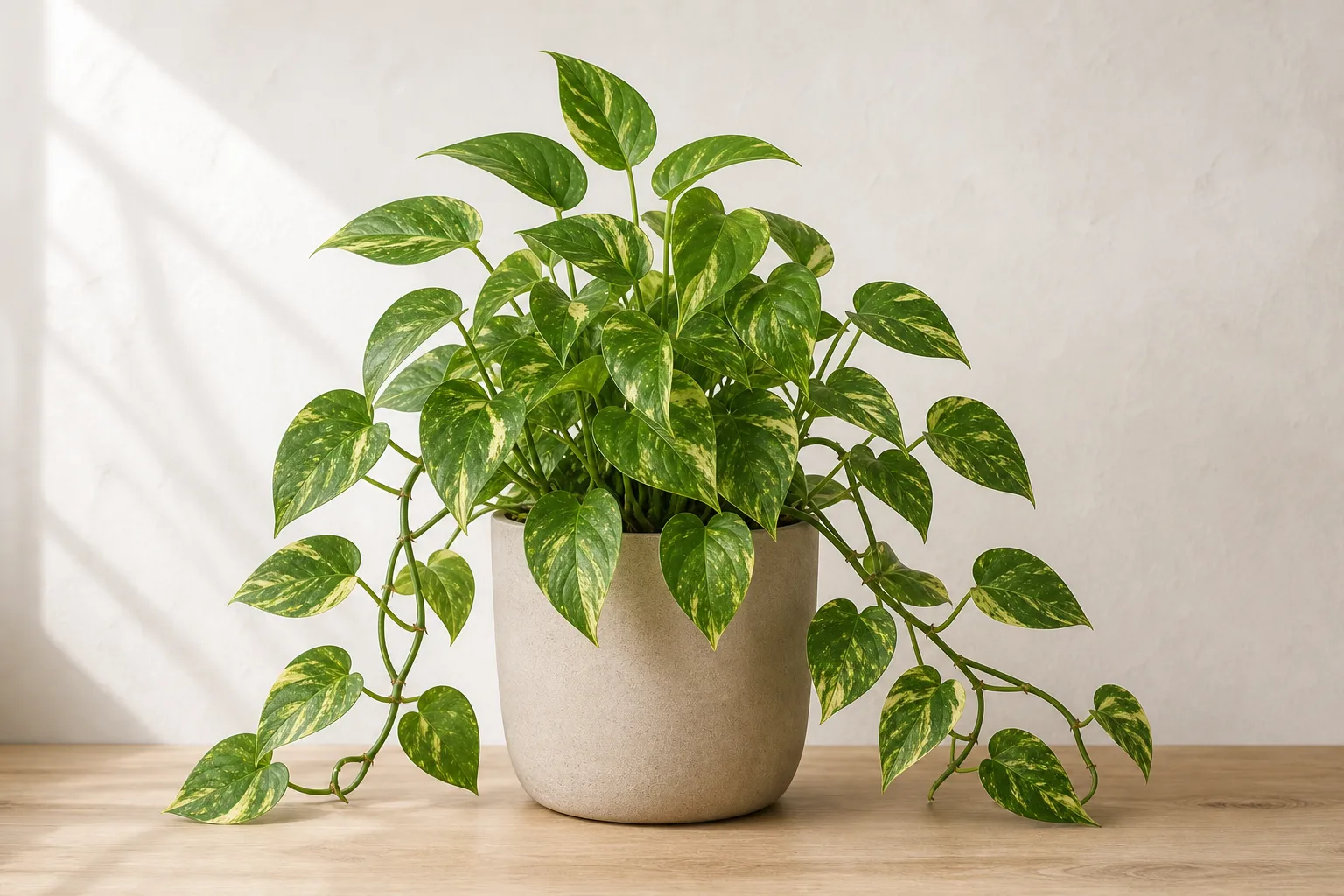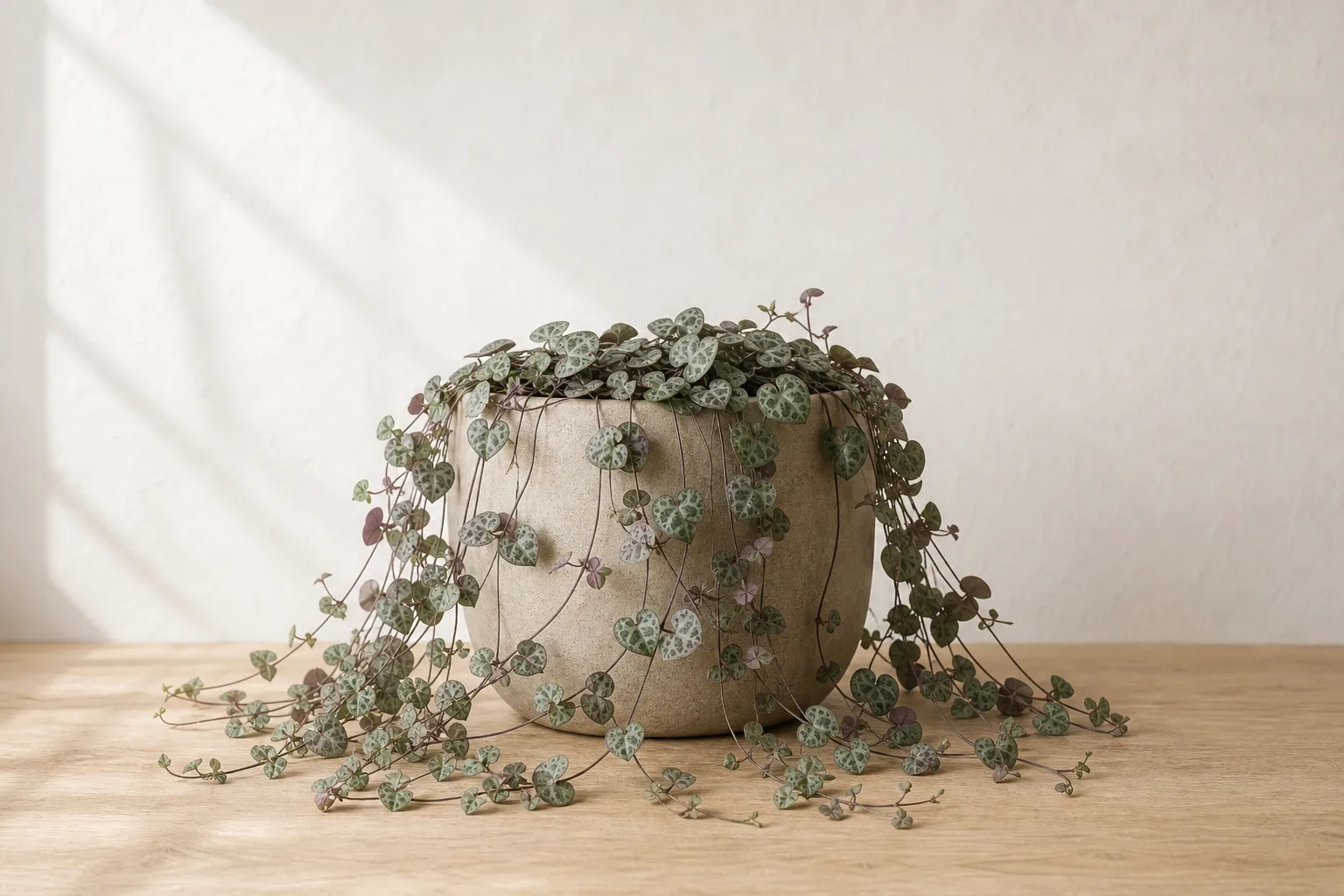
Key takeaways
- A reservoir suits plants that prefer even moisture, not succulents.
- Check that the pot has a visible water level and true wicking.
- Reservoir pots still need periodic flushing and root checks.
- Empty the reservoir before travel to avoid long-term saturation.
What we looked for
We compared self-watering pots on reservoir capacity and visibility, how the wicking actually moves water (wick, capillary feet, or a water-level band), ease of cleaning, whether the pot has a genuine drainage-free reservoir design, and durability for daily use.
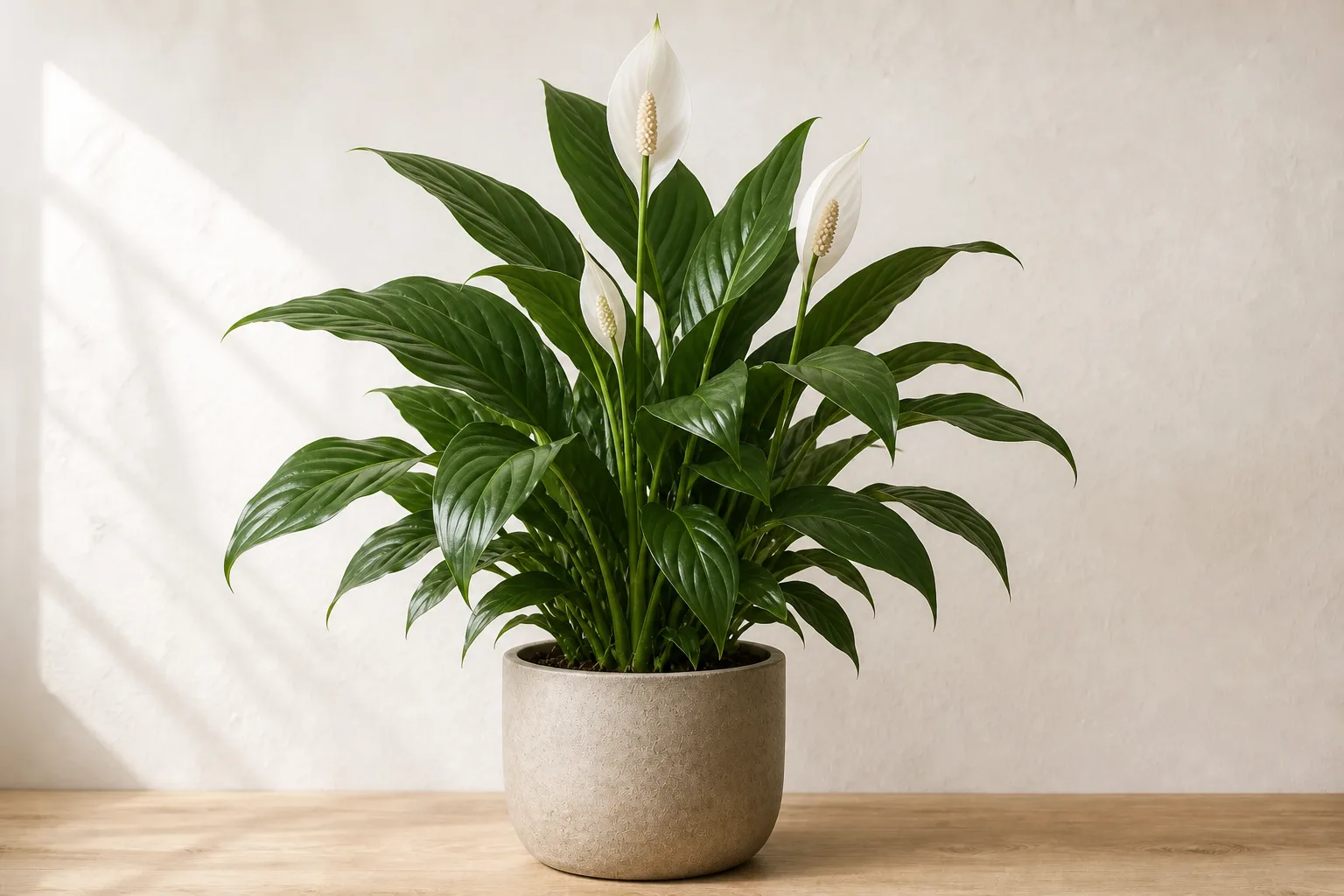
A self-watering pot should reproduce a plant's established moisture pattern — most useful for plants that like consistently moist but not flooded roots, such as peace lilies, ferns, and many tropical foliage plants.
Best overall: a two-piece pot with a clear water level
The practical best overall is a two-piece design with an inner planter and an outer reservoir that shows its water level through a window or gauge. You can see when to refill, empty it when you travel, and lift the inner pot for root checks or a thorough top watering and flush.
Best for ferns and moisture lovers
Plants that wilt quickly when dry — ferns, peace lilies, and some calatheas — benefit most from a reservoir. Choose a pot whose wicking reaches well into the root zone so the upper mix stays evenly damp rather than saturated, and still check the surface occasionally: wicking can fail if the media becomes hydrophobic.
Best for travel and busy schedules
For a week or two away, a reservoir pot with a decent capacity can carry a moisture-loving plant through. Test the setup through a full dry-down while you are home first, because reservoir size and wicking speed vary. Do not rely on it for plants that need a deep dry interval.
Which plants should avoid reservoirs
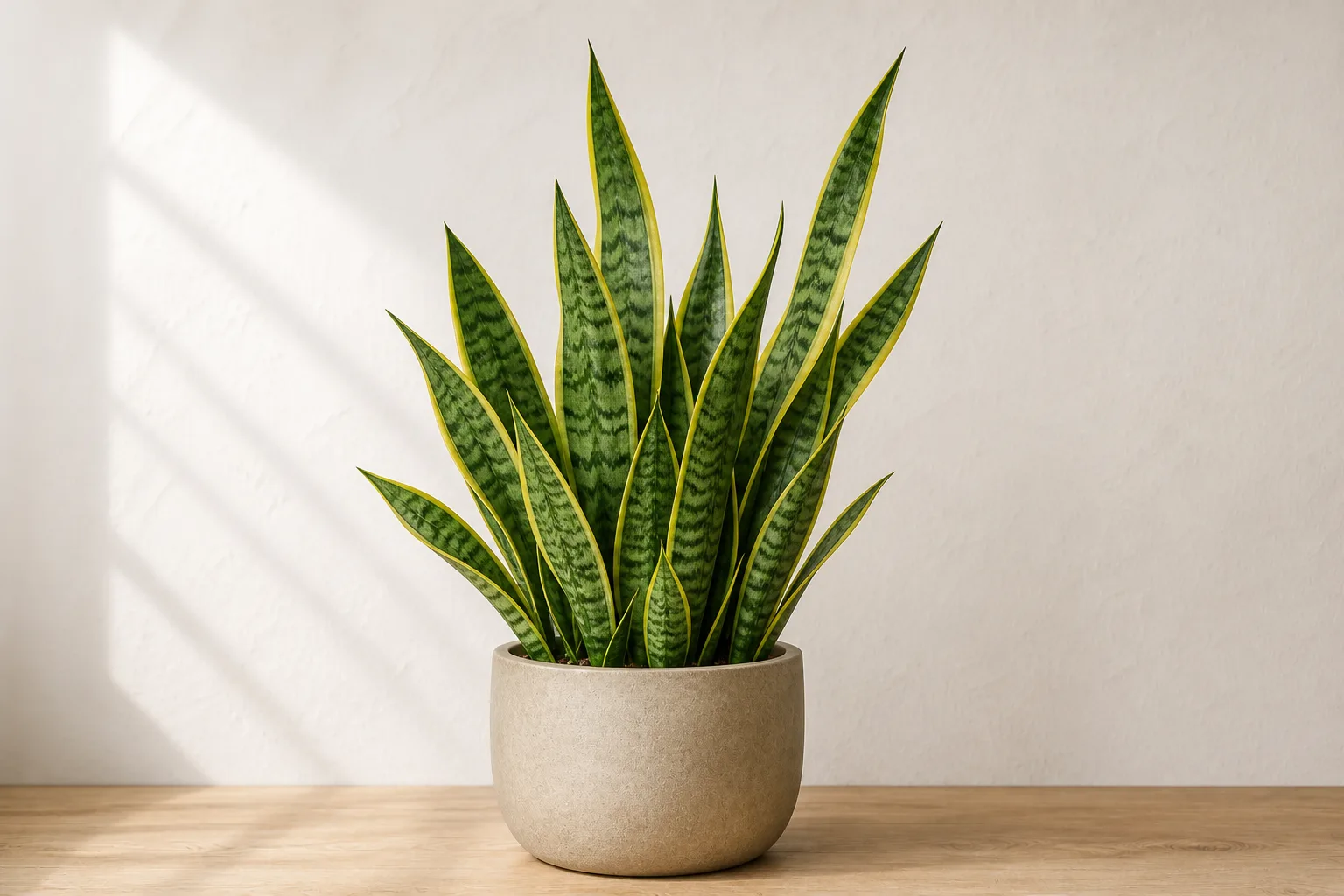
Succulents, cacti, snake plants, jade, and other dry-down plants generally do worse in an always-connected reservoir. Their roots need air to return between waterings, and a standing supply keeps the root zone moist beyond what they tolerate.
How to maintain a self-watering pot
Periodically remove the inner pot, inspect the roots, and give a thorough top watering so accumulated salts flush through — reservoir wicking moves water up but does not remove mineral buildup. Clean the reservoir between uses, and always empty it before a long trip so the root zone can dry back.
Frequently asked questions
Can every houseplant live in a self-watering pot?
No. Plants that prefer consistently moist roots benefit; plants that need a dry interval, like succulents and snake plants, usually do not.
Do self-watering pots cause root rot?
They can, if the wicking keeps the root zone saturated or the reservoir is never allowed to empty. Choose the right plant and let the reservoir run dry periodically.
How often do I refill the reservoir?
It depends on plant, pot size, light, and season. Check the water level window and refill only when it is low, then learn the pattern for your room.
Should I still water from the top?
Occasionally yes, to flush fertilizer salts and confirm the root ball is evenly moist, then drain and return the inner pot.
We independently research and evaluate our recommendations. Product roundups are based on published specifications, label information, extension guidance, and aggregated owner feedback, and are attributed to the named writer. We may earn a commission when you purchase through links on our site.