Key takeaways
- Coverage and distance matter more than bulb wattage.
- Choose a fixture rated for the canopy area, not just the brightest-looking lamp.
- A timer and a dark period matter as much as the light itself.
- Start conservatively and adjust from plant response.
What we looked for
We compared grow lights across five criteria that matter for real home collections: illuminated coverage at a usable hanging height, output information you can actually verify, ease of mounting and adjustment, a timer option or simple schedule control, and safety for indoor use near foliage and moisture.
We did not rank fixtures by wattage alone, because electrical draw does not describe light at the leaf. We weighed published coverage and distance guidance, owner reports of consistent growth, and whether a fixture can be positioned to cover a whole shelf rather than one center plant.
How to choose by your shelf
Measure the area you need to cover first. A single small fixture covers a modest shelf; a long linear panel covers a row of plants; a high-output panel suits a serious propagation setup. Then match intensity to what you grow — low-light foliage plants need less than succulents, seedlings, or flowering plants.
Plan the mounting before you buy: bar lights need a stable bracket or shelf lip, gooseneck fixtures need a sturdy clamp, and panel lights need headroom so you can adjust distance as plants grow.
Best overall: a full-spectrum LED bar panel
For most collections, a full-spectrum LED bar panel with a balanced white spectrum is the practical best overall: it covers a wide canopy evenly, runs cool enough for close placement, and its white light makes foliage easy to inspect. Look for a fixture with a published coverage area and height range for foliage plants, and confirm it includes or supports a timer.
Best for succulents and high-light plants
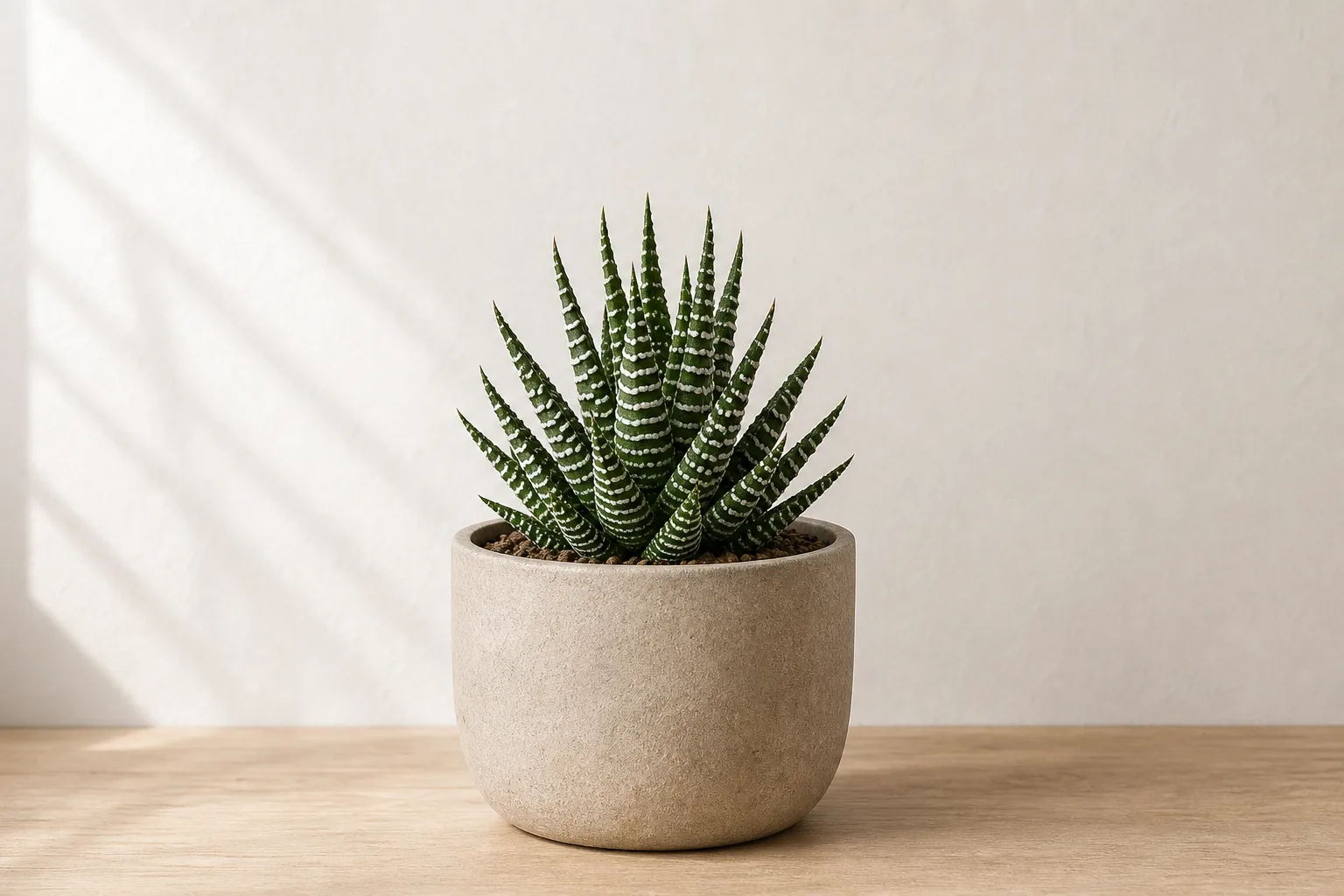
Succulents and cacti need more intensity than typical foliage plants. Choose a fixture with higher output and position it closer, following the manufacturer's height guidance for succulents. Rotate pots so rosettes receive light from directly above, and watch for bleaching or curling as the signal to raise the fixture.
Best budget pick
A modest single-bar LED is the best budget option for a small shelf of tolerant foliage plants. The key is honest placement: keep it within the manufacturer's recommended distance, run it on a timer for 12 to 14 hours, and accept that it will not drive flowering or fast succulent growth.
How to use your grow light safely
Run the light on a timer so the dark period is never skipped. Mount it securely, keep flammable material clear, and check that the fixture is rated for the humidity where it sits. Start at a conservative intensity or greater distance, then raise output gradually while watching new leaves for bleaching, curling, or unusual drying.
Frequently asked questions
How far should a grow light be from plants?
Distance depends on fixture output and plant need. Begin with the manufacturer's guidance, measure from the top leaves, and adjust from plant response — bleaching means closer than needed, stretching means too far.
Do I need a purple light?
No. Balanced white LEDs support most foliage plants and are much easier to inspect plants under. Spectrum matters less than intensity, distance, and duration.
Can grow lights replace a window?
Yes, when output, distance, coverage, and photoperiod are matched to the plants. A windowless shelf needs the fixture to provide the whole light period.
How many hours should grow lights run?
Most foliage plants do well with a total day around 12 to 14 hours including natural light, followed by darkness. Confirm species-specific photoperiod needs for flowering plants.
We independently research and evaluate our recommendations. Product roundups are based on published specifications, label information, extension guidance, and aggregated owner feedback, and are attributed to the named writer. We may earn a commission when you purchase through links on our site.